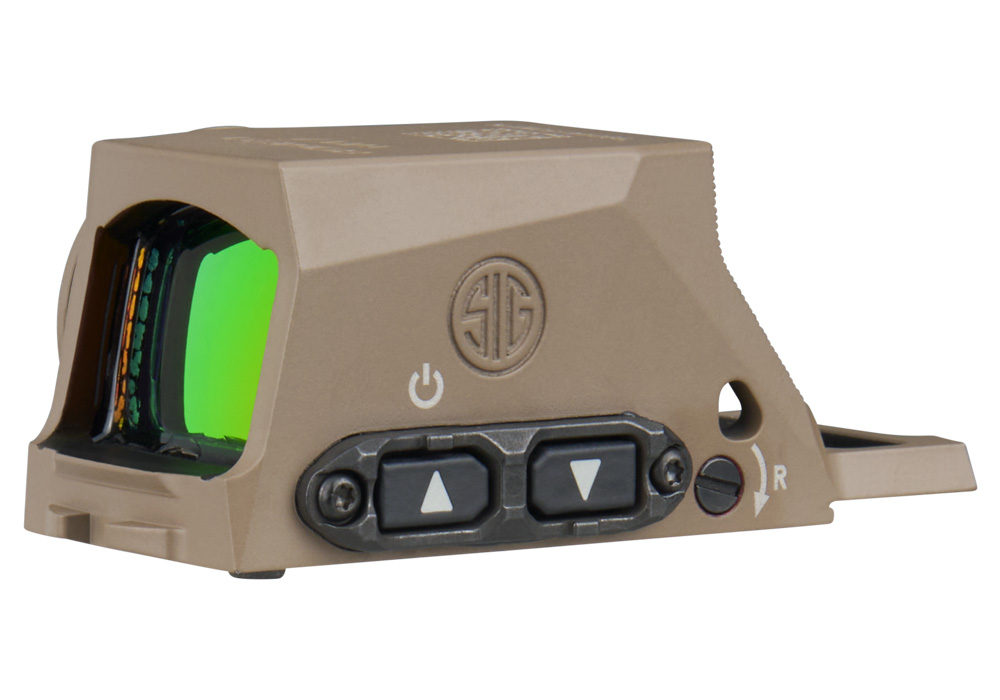
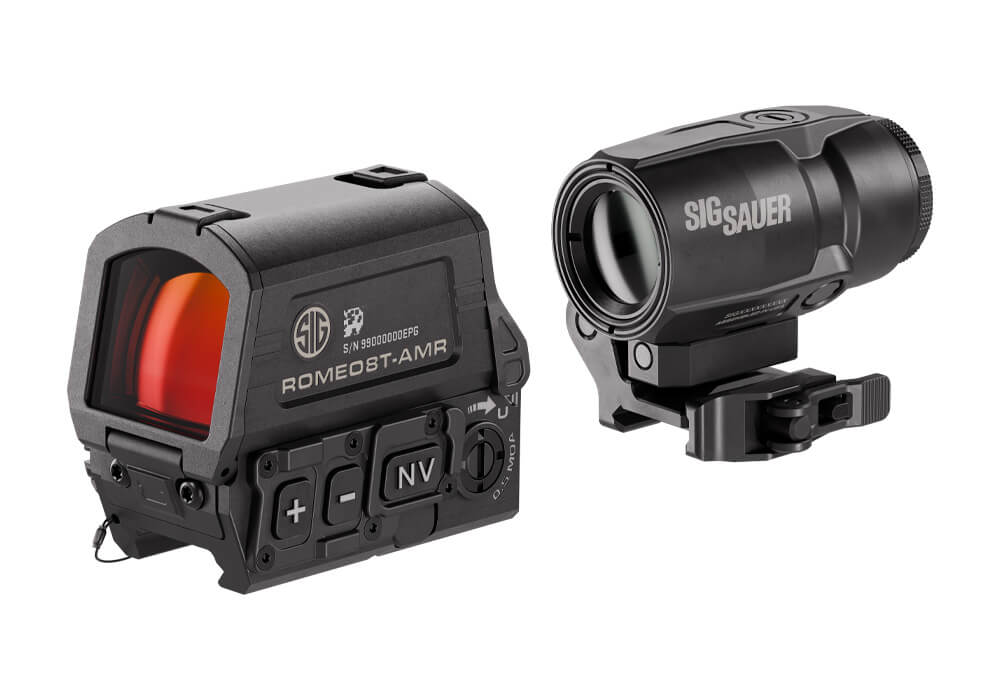
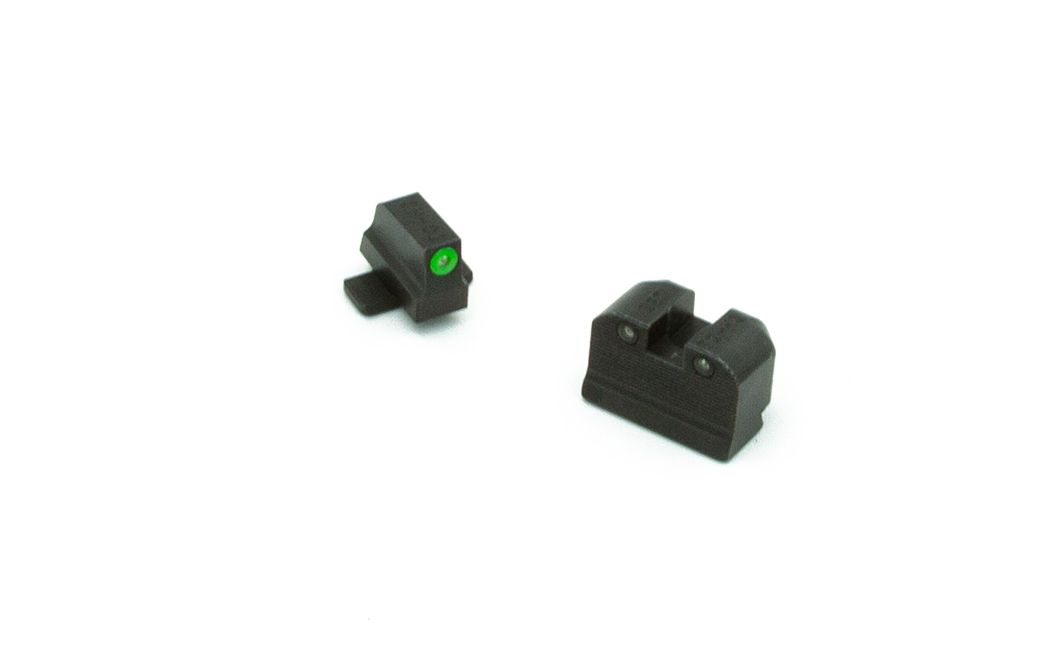
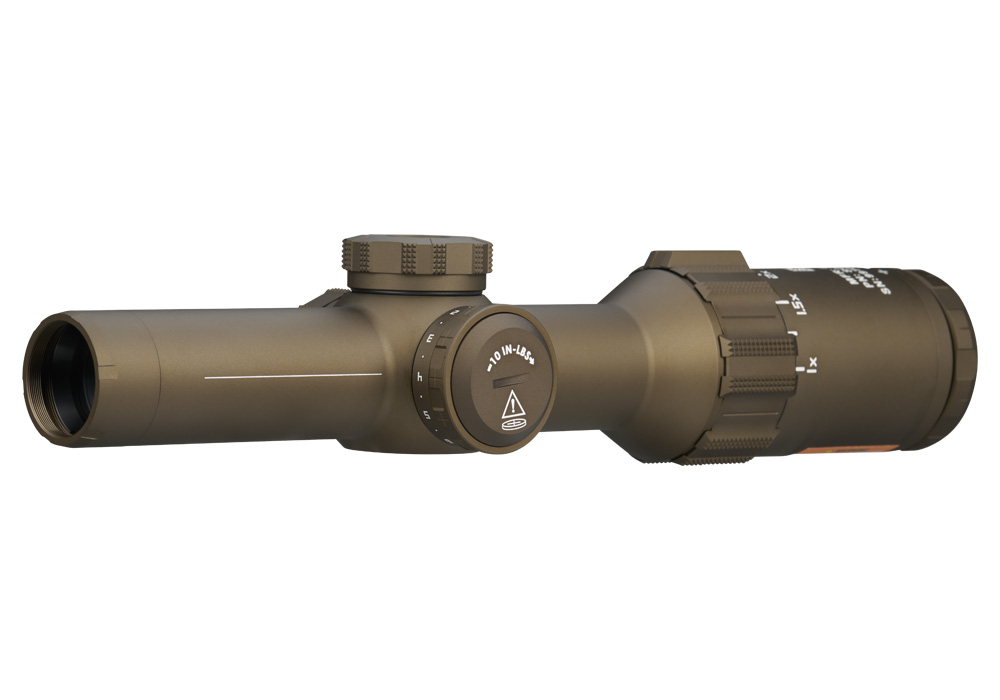
For shoppers searching for “Optics For Christmas,” the phrase can refer to several very different types of products, so it helps to begin with the intended use. In the shooting and hunting world, Christmas optics generally means rifle scopes or other aiming optics selected as a holiday gift, while a “Christmas tree” reticle describes a reticle pattern used for elevation and windage holds at extended distances. That reticle typically places a central aiming point above a graduated series of horizontal bars and descending reference dots, creating a shape that resembles a decorated evergreen. Instead of making repeated turret adjustments for every change in distance, a shooter can use the reticle’s marked hold points to compensate for bullet drop and wind after confirming the appropriate load, velocity, and ballistic data. This can be especially useful for range work, varmint hunting, and precision applications where distances vary and the shooter needs a clear, repeatable reference. Other optics may be better suited to fast-moving targets or close-range use, including compact red dot sights, reflex sights, and holographic-style aiming systems that provide a visible point of aim without the magnification of a traditional scope. Magnified optics can offer a more detailed view of distant targets, while non-magnified sights generally support quick presentation and broad situational awareness. The right choice depends on the firearm platform, intended distance, target size, lighting conditions, and the recipient’s experience. A thoughtful gift should also account for the mounting footprint, tube or objective dimensions, rail compatibility, eye relief, adjustment style, reticle design, and whether illumination is useful in shaded timber, at dawn, or during the last light of the day. A shooter who spends crisp mornings on a deer stand may value generous eye relief, dependable low-light performance, and controls that are easy to operate with gloved hands. Someone who spends evenings practicing on steel may prefer a reticle with clearly defined hold points and elevation references that remain easy to read against a dark target. Before choosing, confirm the receiver’s firearm setup and intended application whenever possible; an optic that feels ideal on a lightweight hunting rifle may not be the best match for a compact carbine or a precision-oriented platform.
Holiday optics can be a particularly meaningful gift because they often become part of a person’s routine rather than sitting unused in a drawer. Many experienced shooters remember the first optic that helped them make a cleaner, more confident shot, whether it was mounted on a family hunting rifle, adjusted beside a quiet bench at the range, or carried into the field during cooler weather. For a new shooter, a simple sight with an uncluttered aiming point may make fundamentals easier to learn, provided it is properly mounted and zeroed. For a seasoned hunter or precision enthusiast, an upgraded optic can offer better glass clarity, more useful adjustment features, improved illumination, or a reticle tailored to the distances they regularly shoot. Motion-activated illumination is another practical consideration for a gift, since an optic that powers down during inactivity and returns to an active setting when movement is detected can help conserve battery life and reduce the number of controls the user must manage. Shoppers comparing options through Motac Optics For Chirstmas should also consider the complete setup rather than the optic alone. Rings, a mount, lens covers, a leveling tool, spare batteries, and a quality zeroing session may be useful additions, depending on what the recipient already owns. Magnification ranges should reflect realistic use: moderate magnification can provide flexibility for general hunting and range sessions, while more powerful magnification may benefit deliberate long-distance work but can add weight and narrow the field of view. Reticle placement matters as well, since a first-focal-plane reticle changes apparent size with magnification and keeps its subtensions consistent, whereas a second-focal-plane reticle remains the same apparent size and may be easier to see at lower power. Whatever the selection, safe handling and responsible use remain essential. Any optic should be mounted securely, checked for proper eye relief, and zeroed by the recipient at a safe, lawful range before field use. During late-summer range days, a new sight can be evaluated in bright conditions and then revisited as the weather cools, when shorter daylight and changing backgrounds reveal how well the reticle and illumination perform. A gift chosen with those practical details in mind can feel personal without requiring guesswork, giving the recipient an optic that supports steady practice, careful observation, and confident use throughout the seasons.