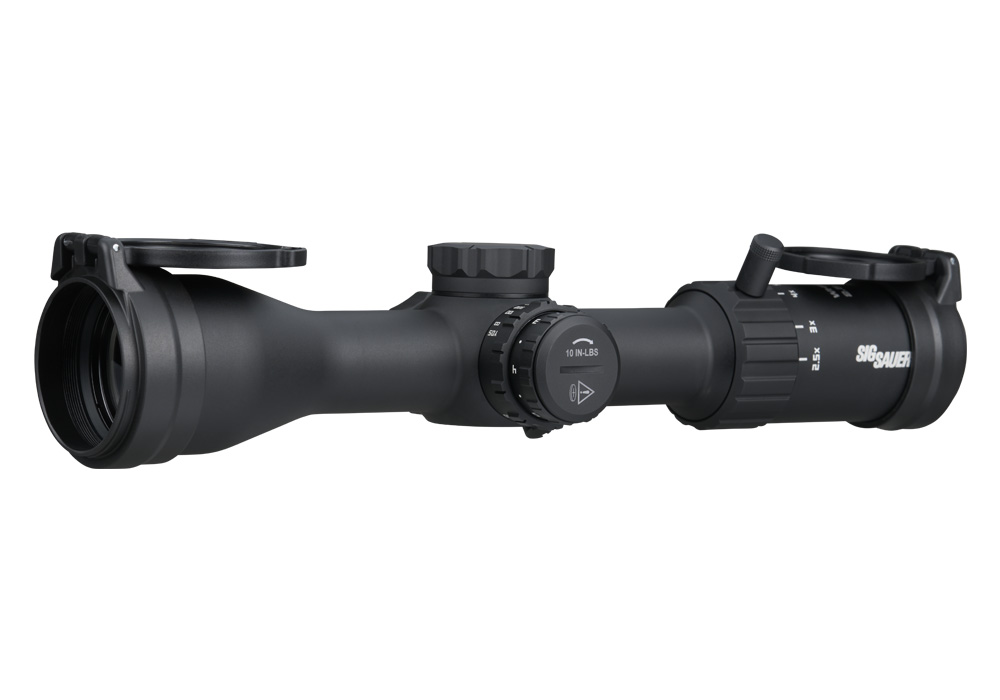
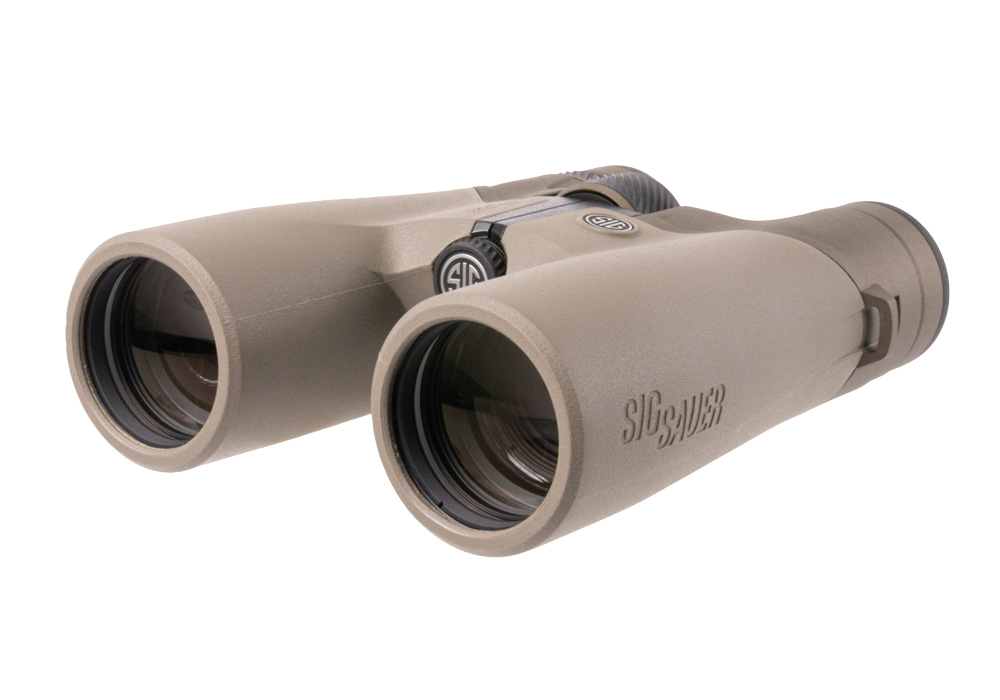
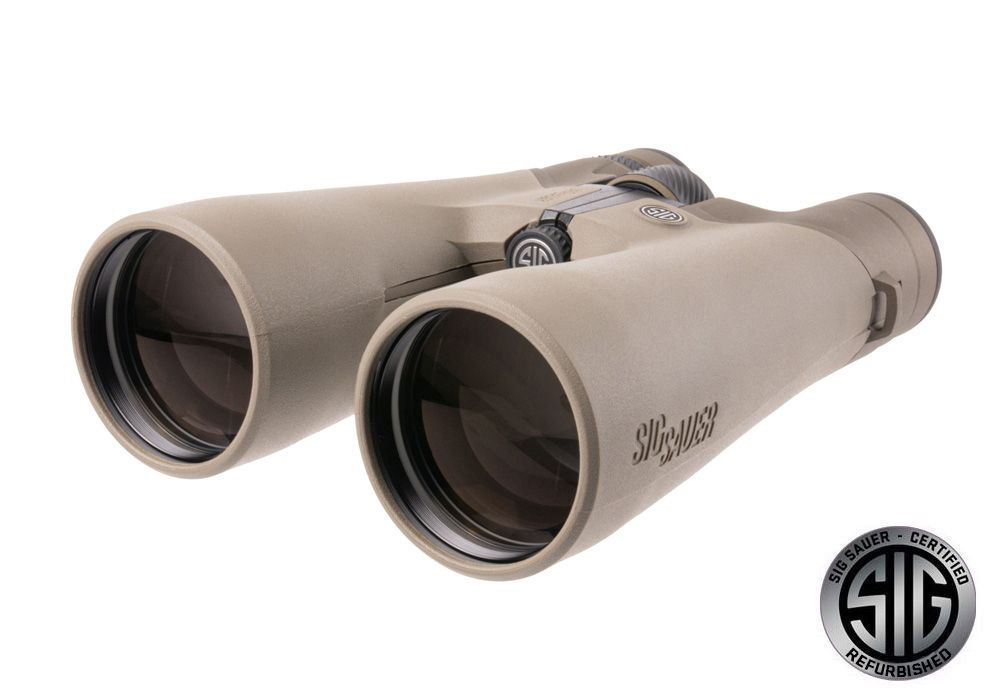
Optics stocking stuffers for deer hunters bring together compact viewing equipment, protective accessories, and lens-care essentials that earn their place in a field kit. The most useful Christmas gifts support clear observation, comfortable carrying, or dependable equipment care without adding unnecessary bulk. A hunter scanning a distant field edge has different priorities from someone watching a narrow opening between trees, but both appreciate equipment that is easy to handle and simple to keep clean. Compact binoculars can support observation without requiring a rifle to be raised, while small optical accessories help protect the equipment a hunter already trusts. Size alone does not determine usefulness: comfortable handling, clear controls, and compatibility with existing gear often matter more than an especially small package. Magnification affects how much detail appears in view, but higher magnification can also make hand movement more noticeable and narrow the visible area. Objective lens size influences both overall dimensions and light-gathering potential, so a pocket-friendly design involves a balance rather than an automatic advantage. Hunters who wear glasses may place particular value on sufficient eye relief and adjustable eyecups that help them see the full image comfortably. Smooth focusing and controls that remain easy to distinguish by touch also contribute to everyday usability. For deer hunters who already have their preferred viewing equipment, accessories that protect lenses or improve carrying comfort can be a thoughtful alternative to another optical instrument. A cover that stays attached, a cloth kept clean in its own pouch, or a secure carrying attachment can solve a familiar irritation without changing an established setup. These smaller gifts suit experienced hunters with carefully chosen equipment as well as newer hunters building practical habits around observation and care. Their appeal lies in repeated use: keeping a viewing surface protected on the walk in, reducing clutter inside a pack, and having the right cleaning material close at hand when a fingerprint interrupts an otherwise clear view.
Materials and construction deserve attention because optical accessories spend much of their working life against clothing, inside bags, or alongside other equipment. Flexible protective materials can cushion contact and conform around an eyepiece or objective housing, while woven fabrics can provide abrasion resistance without excessive weight. Rigid cases offer a different kind of protection but take up more space, making their dimensions and intended contents important. Metal components may provide strength at attachment points, though finish quality and smooth edges matter wherever hardware touches a valuable optic. No single material guarantees durability; stitching, closures, hinge design, and the security of an attachment can be just as significant. Fit is especially important for covers and carrying accessories. Similar-looking optics may have different exterior dimensions, control positions, or attachment arrangements, and a close fit should not interfere with focusing, viewing, or access to necessary adjustments. Published measurements and compatibility information are more reliable than appearance alone. Lens care also depends on the right materials and a light touch. Dust and grit should be removed before a lens is wiped, since particles dragged across the surface can damage coatings. A clean optical cloth and a cleaning solution approved for the lens are preferable to a shirt sleeve or an unspecified household cleaner. Cloths deserve protection too; one carried loose beside crumbs and debris is no longer a dependable cleaning surface. Protective pouches help separate delicate accessories from the contents of a larger bag, while secure closures keep small essentials together. Water resistance and internal fog resistance are separate characteristics, and neither should be assumed from a rugged-looking exterior. Care requirements vary, so the equipment manufacturer’s instructions remain the reference for cleaning, exposure, and storage. After use, allowing equipment and its carrying materials to dry before closing everything away helps prevent trapped moisture. These details give small gifts lasting value, particularly for a hunter who would rather spend time watching deer than searching a pack for a missing cover or a clean corner of fabric.
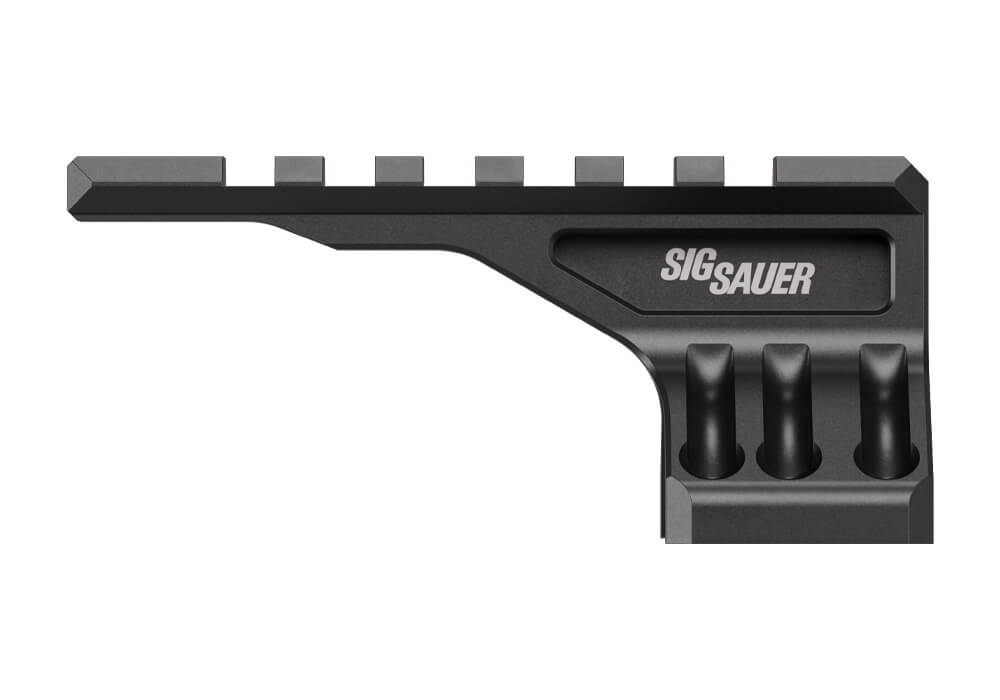
A well-chosen stocking gift also reflects how the recipient carries equipment and what they already enjoy using. Someone who walks considerable distances may favor low weight, quiet hardware, and accessories that stay close to the body. A hunter who spends longer periods in one position may care more about comfortable viewing and keeping frequently used essentials within easy reach. For either approach, a streamlined arrangement can be more welcome than another attachment competing for space. Carrying straps and harness components deserve particular attention to adjustment range, connection style, and how they sit over the clothing the hunter normally wears. Optical gifts for a newer deer hunter can emphasize uncomplicated operation and straightforward care, while gifts for an experienced hunter often benefit from a precise match to an established preference. Subtle details, such as a closure that can be managed with gloved hands or a cover that remains connected when opened, can matter more than decorative extras. Electronics introduce another layer of compatibility, including the correct battery type, clearly labeled controls, and a storage arrangement that protects small components. Those details are worth confirming before choosing accessories intended for a particular device. For a gift centered on a hunting rifle rather than a field kit, explore Rifle Optics for Holiday Gift Giving with the recipient’s existing setup and intended use in mind. Rifle-mounted equipment requires attention to mounting compatibility, dimensions, and appropriate installation; it is not interchangeable simply because two designs look similar. Smaller supporting accessories can be easier to personalize when the hunter’s preferred optic is already established. A useful Christmas stocking might pair protection with care, or carrying comfort with a compact viewing accessory, without duplicating equipment that already works well. The strongest choices feel familiar from their first outing: easy to pack, suited to the equipment they accompany, and helpful in the ordinary moments that make up a day of deer hunting.