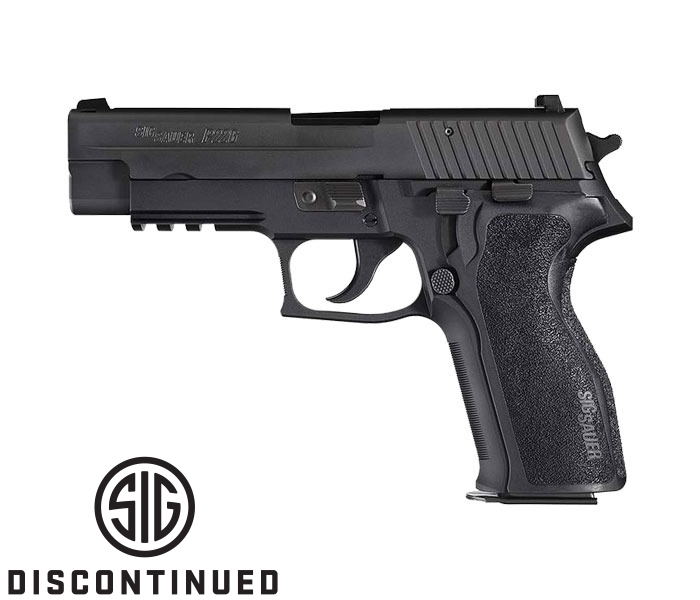
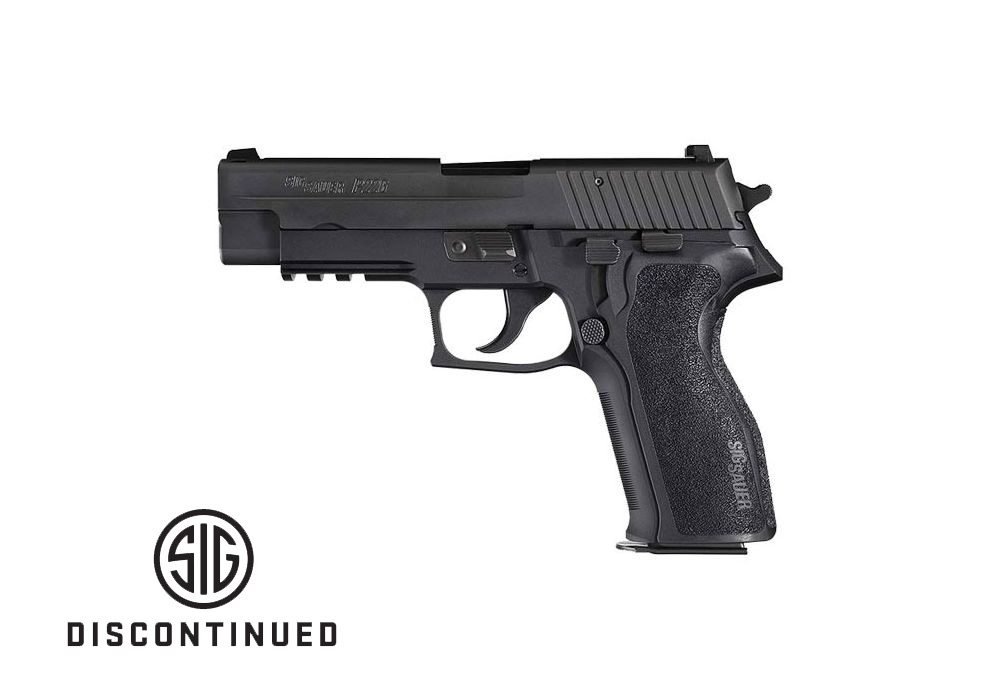
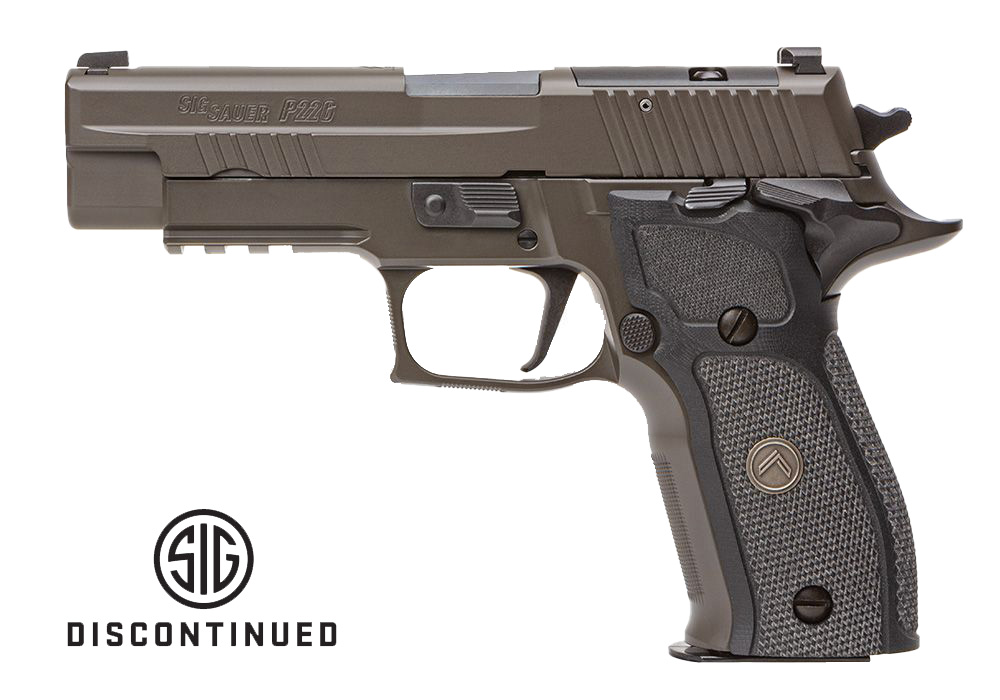
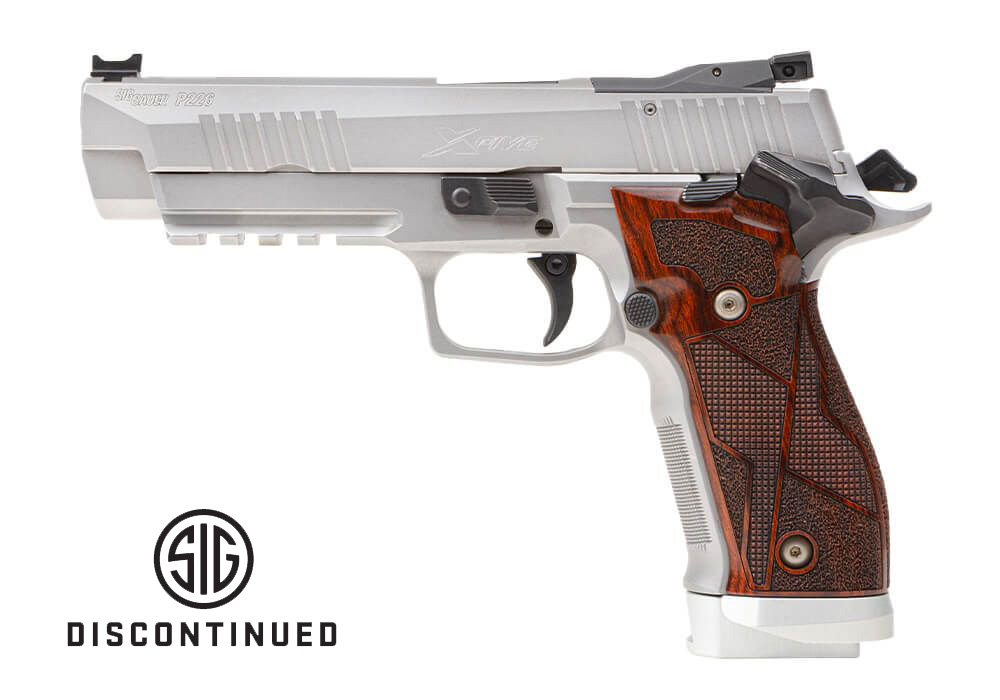
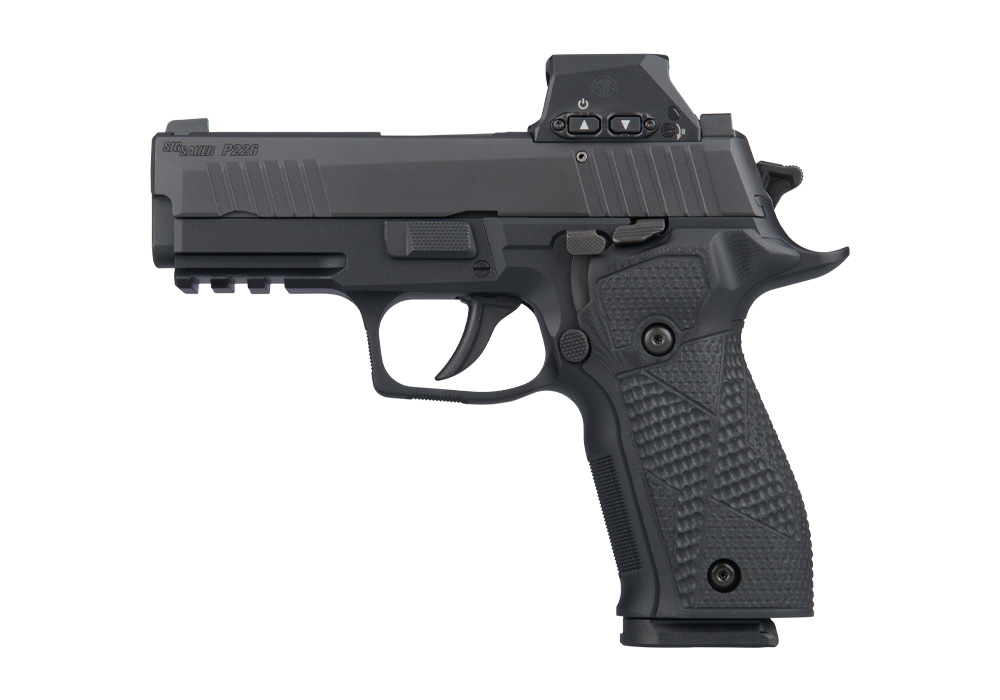
P226 grip items offer a practical way to refine the feel, control, and appearance of a trusted full-size pistol. Because the grip is the main point of contact between the shooter and the firearm, even a modest change in shape or texture can affect how naturally the pistol points, how securely it stays in the hand, and how comfortable it feels during an extended range session. Replacement grip panels and wraparound grip systems are available in several materials, including textured composite, aluminum, rubberized surfaces, traditional hardwood, and standard polymer. Each material brings a different combination of traction, weight, thickness, and visual character. Composite panels are often selected for their durable construction and pronounced checkering or patterned texture, making them useful for shooters who prefer a firm, locked-in hold. Aluminum panels provide a rigid, streamlined feel and can add a distinctive appearance without the softness of rubber. Rubberized grips tend to offer a more cushioned, tacky surface, along with contours or finger grooves that can make a familiar pistol feel more comfortable in the hand. Traditional wood panels appeal to those who appreciate a classic appearance and the warmth of a natural material, while standard polymer panels provide a straightforward, functional option for replacing worn or damaged factory components. When comparing P226 grip items, consider whether the pistol is used primarily at the range, for training, as part of a competition setup, or for general ownership and home readiness. A shooter who spends long afternoons practicing may value shock absorption and a palm-filling contour, while someone focused on a streamlined setup may prefer a thinner profile that allows the fingers to close more naturally around the frame. Grip texture should also match the intended use: finer patterns can feel comfortable during routine handling, while more aggressive texturing may be appreciated when gloves, perspiration, or rapid shooting drills are part of the experience.
Hand size and reach are central to choosing the right P226 grip configuration. A grip that feels ideal to one shooter may feel too broad, too narrow, or poorly shaped to another, so it helps to think about where the fingertips rest, whether the trigger can be reached without shifting the hand, and whether the thumb and support-hand palm can settle into a consistent position. Shooters with smaller hands often look for slim grip modules or panels that reduce bulk and shorten the distance to the controls, while those with larger hands may prefer a fuller palm swell that gives the hand more surface area and helps prevent the little finger from hanging awkwardly below the grip. A wraparound design can create a continuous, ergonomic surface, whereas two-piece panels may allow a more traditional feel and straightforward replacement. Before ordering, verify the exact P226 variant, frame configuration, grip screw arrangement, and compatibility requirements. Some grip systems install with common hand tools, while others may require a dedicated removal or installation tool, especially when replacing a conventional two-panel arrangement with a one-piece ergonomic system. Check that the grip panels do not interfere with the magazine release, decocker, controls, or magazine seating, and inspect the included hardware before beginning installation. Any work on a firearm should start with the pistol unloaded, the magazine removed, and the chamber confirmed clear in a safe direction; consult the owner’s manual and use a qualified gunsmith when compatibility or installation is uncertain. Grip screws should be fitted carefully and tightened according to the manufacturer’s instructions rather than forced, since overtightening can damage hardware or affect the fit of the panels. Once installed, handle the unloaded pistol to confirm that the controls remain accessible and that the new texture does not create uncomfortable pressure points. A brief dry-handling check followed by controlled live-fire practice can reveal details that are difficult to notice when a grip is viewed only on a workbench, such as a raised edge catching the palm or a texture that becomes tiring during repeated strings.
P226 grip items can also make thoughtful gifts for experienced shooters, range partners, instructors, or collectors who enjoy personalizing a familiar firearm. They are especially suitable when the recipient already owns a P226 and has expressed an interest in improving comfort, refreshing worn surfaces, or giving the pistol a more individual appearance. A gift buyer does not need to guess at a highly specialized setup; choosing a versatile material, a moderate texture, or a classic replacement style can provide useful flexibility while leaving the final fine-tuning to the owner. For a shooter who trains during warmer weather, a secure textured surface may help maintain consistency when hands become warm or damp. During cooler months, a material that feels comfortable with or without light gloves may be more practical, particularly for range work that extends outdoors. Appearance can matter as well: subdued black or gray panels suit a clean, functional setup, while wood or contrasting finishes can give a well-used pistol renewed character without changing its operating system. Owners who maintain more than one SIG Sauer pistol may also be comparing grip feel across different models, and related components can help create a familiar interface from one firearm to another; those exploring compatible options beyond the P226 can review P220 Accessories for additional category context. Whatever the reason for the change, the best grip is the one that supports a repeatable, comfortable hold and allows the shooter to operate the pistol confidently without excessive pressure or unnecessary adjustment. Keep the original panels and hardware in a labeled container when possible, retain installation instructions, and periodically inspect the grip surfaces and screws as part of normal firearm maintenance. With the right fit, texture, and profile, a P226 grip upgrade can make practice sessions feel more natural, refresh the appearance of a longtime sidearm, and provide a practical way to tailor the pistol to the person who uses it most.