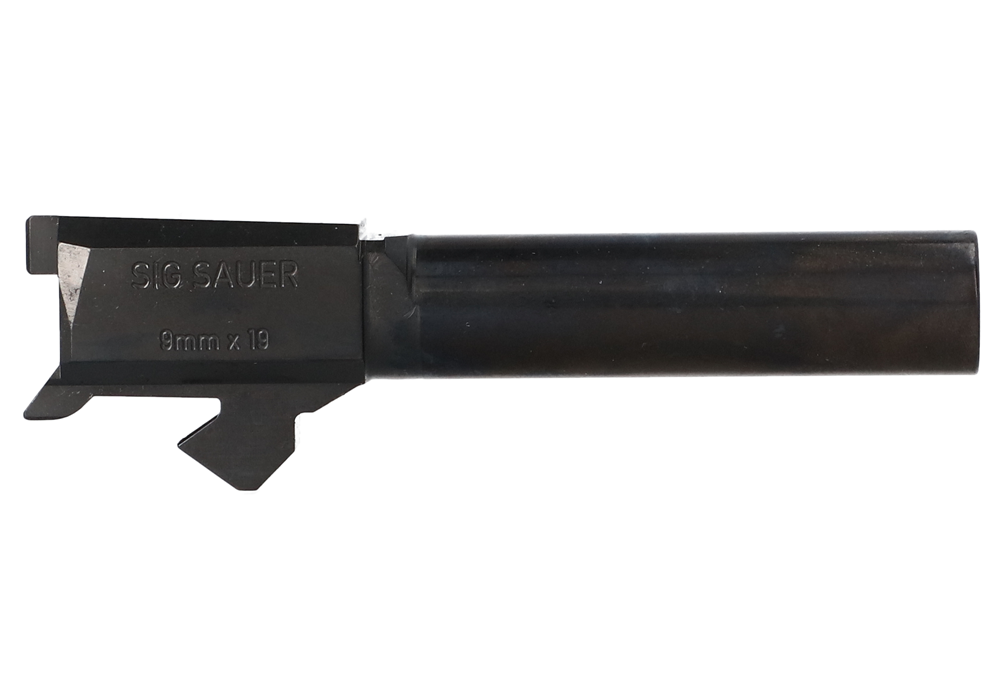
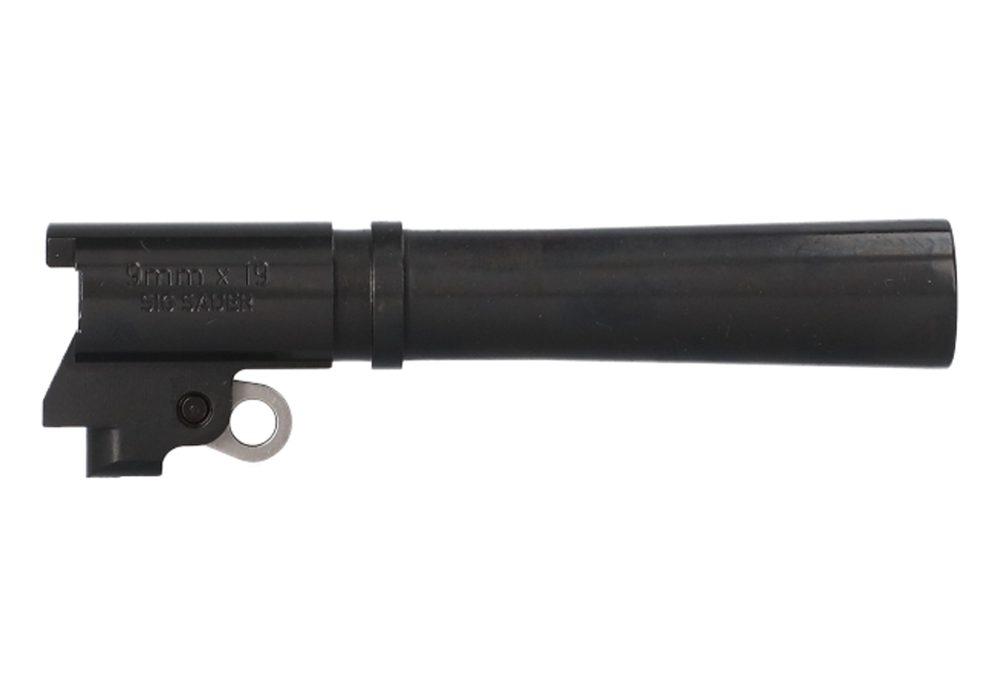
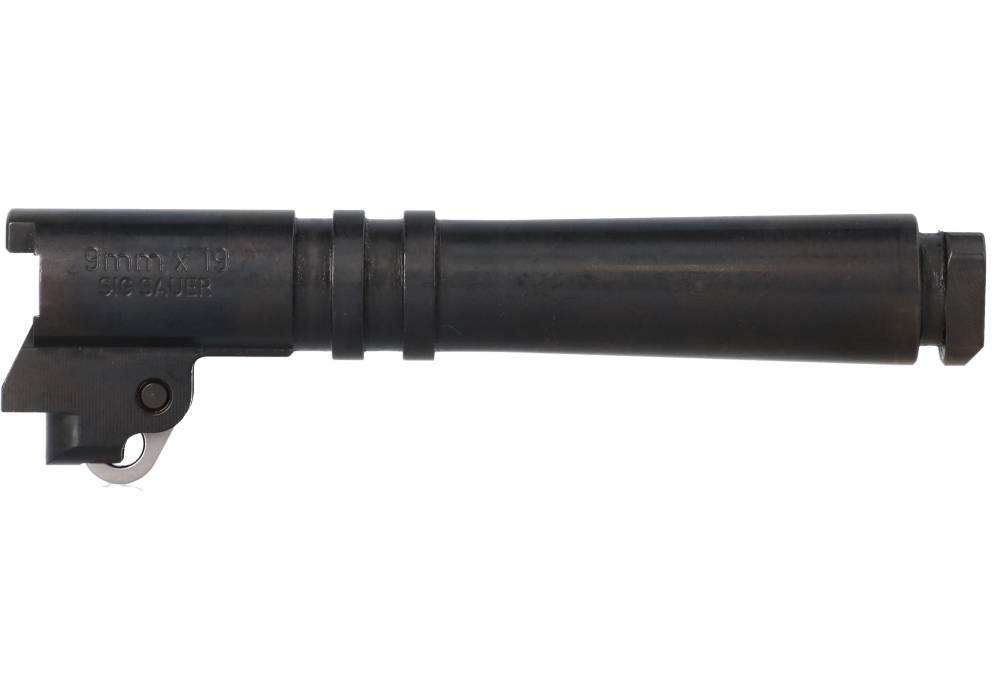
Pistol barrels can be a thoughtful Father’s Day gift for a handgun owner who appreciates practical upgrades, careful maintenance, and the small details that make a familiar firearm feel more personal. A replacement barrel may serve as a direct replacement for a worn component, a spare for training and maintenance, or an upgrade chosen around a specific style of shooting. Some pistol owners prefer a standard barrel for a clean, traditional setup and straightforward everyday use, while others may be interested in a match-grade barrel designed with tighter manufacturing tolerances and enhanced rifling features. Fluted designs can offer a distinctive appearance while helping reduce weight and manage heat during extended range sessions. The right choice depends on how Dad uses his pistol, whether he spends quiet afternoons practicing fundamentals, trains regularly with a defensive handgun, competes at the range, or simply enjoys keeping a trusted firearm in excellent condition. A barrel is also a gift with a personal element: it reflects knowledge of the recipient’s equipment and interests without adding unnecessary accessories to a setup he has already refined over time. For additional gift inspiration, explore Pistols for Father's Day Gifts, then compare barrel options with the same attention to fit, function, and intended use. During the cooler months, many shooters find more opportunities to spend time at an indoor range or return to outdoor practice as conditions allow, making a well-selected barrel a useful addition to a maintenance kit or range bag.
Compatibility is the most important consideration when selecting pistol barrels for Father’s Day. Barrels are not universal, even when two pistols share a similar appearance or caliber. Confirm the exact manufacturer, model, caliber, slide configuration, and generation before placing an order. A barrel intended for one generation may not fit another, and variations in frame dimensions, locking geometry, slide design, or recoil assembly can affect compatibility. It is helpful to check the markings on the pistol, consult the owner’s manual, and compare the manufacturer’s published specifications rather than relying on memory or a general model family name. Also consider barrel length and profile, since changes in those dimensions may affect holster fit, balance, sight alignment, and the way the pistol cycles. Standard barrels are often the simplest choice for a direct replacement or a familiar carry configuration. Threaded barrels extend beyond the slide and include external threading for compatible accessories such as a suppressor or compensator, but the thread pattern, diameter, and accessory requirements must all match. A threaded barrel may also require a thread protector when an accessory is not installed, and its added length can influence storage or holster selection. Before choosing a threaded option, review all applicable federal, state, and local laws, along with any range rules governing suppressors and other muzzle accessories. If the pistol is intended for concealed carry or duty use, verify that the replacement barrel remains appropriate for the selected holster and complies with the owner’s training and equipment requirements.
Match-grade and enhanced barrels can be appealing to experienced shooters who want to refine consistency from a familiar pistol, but expectations should remain realistic. A barrel alone cannot replace sound grip technique, a steady trigger press, proper sight alignment, or regular practice. Ammunition selection, the pistol’s condition, and the shooter’s ability all influence results on target. Rifling style, chamber dimensions, crown design, and surface treatment may contribute to a barrel’s performance and durability, while fluting can reduce material and create a visually distinctive profile. These features are best evaluated in relation to the handgun’s purpose rather than chosen solely for appearance. Before installation, make sure the pistol is unloaded, remove all ammunition from the work area, and follow the owner’s manual and the barrel manufacturer’s instructions. Some replacement barrels are designed for straightforward installation by a qualified owner, while others may require fitting by a competent gunsmith. After installation, inspect the locking surfaces and function of the action, then have the pistol checked and test-fired safely before relying on it for defensive use. Use quality, correct-caliber ammunition, observe safe handling practices, and document the barrel’s specifications for future maintenance. A considerate gift may also include time at the range, a professional inspection, or help confirming fit before purchase. With the exact pistol information in hand and a clear understanding of standard versus threaded configurations, Dad can receive a barrel that complements his equipment, supports his shooting routine, and remains useful well beyond Father’s Day.