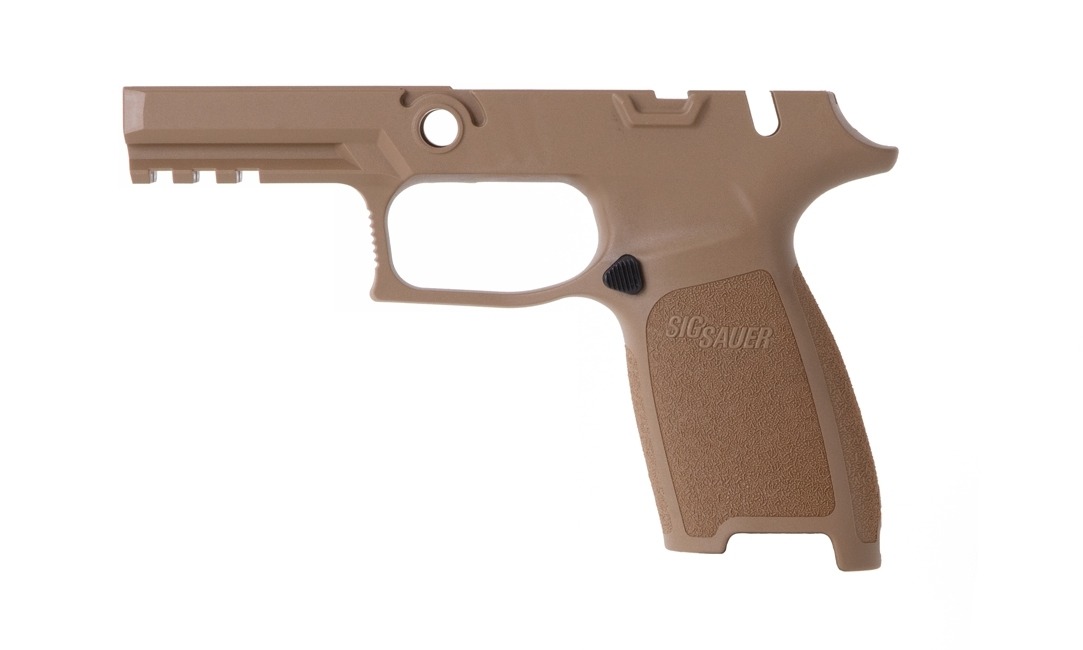
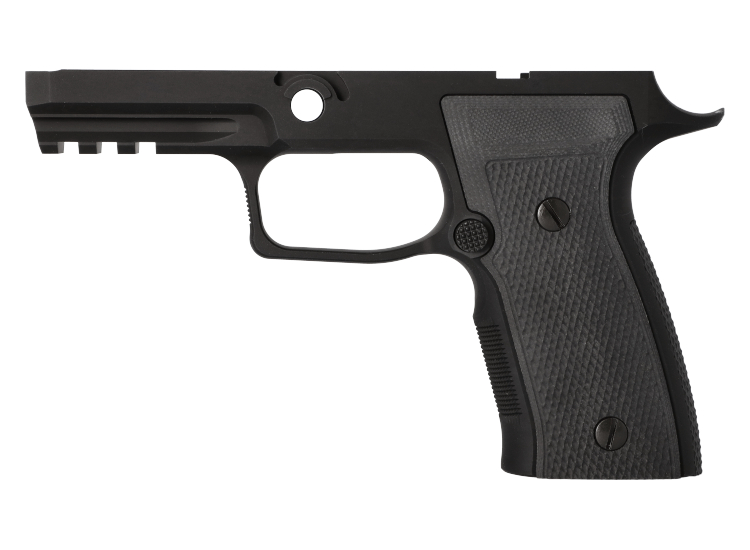
Pistol grips for Father’s Day bring a personal touch to a gift that a dad can appreciate each time he opens his range bag. A grip is one of the most noticeable points of contact between a shooter and a pistol, influencing how comfortably the hand settles around the frame and how naturally the fingers reach the controls. For a father who enjoys regular target practice, a thoughtfully chosen grip can address a familiar preference: less bulk through the palm, a fuller profile for larger hands, or a surface that feels more secure without being overly abrasive. For someone who values traditional styling, the appeal may be the character of wood grain or a profile that complements a favorite pistol. Compatibility matters more than appearance alone. Replacement grip panels, interchangeable backstraps, and grip modules serve different designs and are not interchangeable across all pistols. The exact pistol model, frame size, generation, and manufacturer’s compatibility information help establish whether a grip belongs on the recipient’s firearm. Even pistols with similar names can have different attachment points, dimensions, or control clearances. A comfortable fit also depends on the person holding it. Two grips with similar outlines can feel noticeably different because of their thickness, curvature, and texture. A dad with broad palms might prefer more support across the back of the hand, while someone with smaller hands may appreciate a slimmer profile that does not stretch the fingers. Those preferences are worth understanding before choosing a Father’s Day gift, especially when the recipient already has a setup he likes. A casual conversation about what feels comfortable during a range visit can reveal more than a guess based on appearance. The most thoughtful choice respects both the pistol’s design and the recipient’s habits, offering a useful connection to a pastime he enjoys rather than a change selected simply for its looks.
Material gives pistol grips much of their character, but no single option suits every hand or purpose. Wood offers distinctive grain, a familiar feel, and a traditional appearance that appeals to many collectors and recreational shooters. Its long-term condition depends on the wood, finish, and care it receives; a sealed surface still deserves protection from harsh solvents and prolonged moisture exposure. G10, a layered fiberglass-and-resin composite, is often chosen for its rigidity, dimensional stability, and range of texture patterns. Depending on the surface design, it can feel relatively mild or distinctly assertive against the palm. Rubber can provide a cushioned feel and a surface that accommodates slight variations in hand pressure, though its texture and flexibility vary by design. Polymer provides another practical option, with contours and surface patterns that can be integrated into the grip’s shape. These material differences affect the everyday experience as much as the visual finish. A deeply textured surface may appeal to a dad who prefers pronounced traction during target practice, while a gentler pattern may feel better through an extended range session. Raised edges and coarse surfaces can also rub against clothing or feel uncomfortable against bare skin, which matters when a pistol is carried lawfully in a compatible holster. Texture should complement the intended use rather than overwhelm it. The same is true of finger grooves and palm swells: a contour that feels supportive in one hand can place pressure in the wrong spot for another. Durability is similarly practical, encompassing resistance to ordinary wear, the stability of the material, and how well the surface maintains its feel with routine care. Color and pattern help personalize the gift, but the most satisfying balance is usually a finish the recipient enjoys paired with a shape and texture he genuinely prefers. A subtle grain pattern, understated color, or clean geometric texture can each suit a different taste without turning a useful accessory into something chosen only for display.
Care and compatibility remain important long after Father’s Day, particularly for a gift intended to become part of a familiar range routine. Grip surfaces collect skin oils, perspiration, dust, and residue through ordinary handling, and their cleaning needs vary with the material and finish. Manufacturer-recommended care helps preserve the surface without exposing wood, rubber, polymer, or composite materials to unsuitable chemicals. A soft cloth and an appropriate cleaning product may be sufficient for routine upkeep, while more pronounced texture can require extra attention to keep its recesses clean. Harsh scrubbing, unapproved solvents, and improvised treatments can alter the finish or feel, so the care information deserves the same attention as the appearance. Fit should also be evaluated with the complete pistol configuration in mind, including compatibility with existing controls and any holster used with it. If suitability or fitting requirements are unclear, a qualified gunsmith can assess the combination rather than leaving the recipient to rely on assumptions. For gifting, a clear understanding of the pistol and the dad’s preferences is more valuable than elaborate packaging. A father who enjoys examining the details of his equipment may appreciate knowing the grip’s material, texture, and intended fit as much as its visual appeal. A grandfather with a long-standing interest in classic styling may value a different finish than a dad whose range bag is organized around frequent practice. Neither preference is more important; the point is to choose something that reflects the person receiving it. Related ideas in Pistol Triggers For Father's Day offer another category to consider for a recipient with clearly established equipment preferences, with compatibility and qualified fitting remaining essential considerations. For pistol grips, the lasting appeal is direct and personal: the look of the material, the feel of the surface, and a profile that suits his hand. That combination gives a Father’s Day gift meaning beyond the occasion, connecting careful selection with the details he notices every time he handles his equipment.