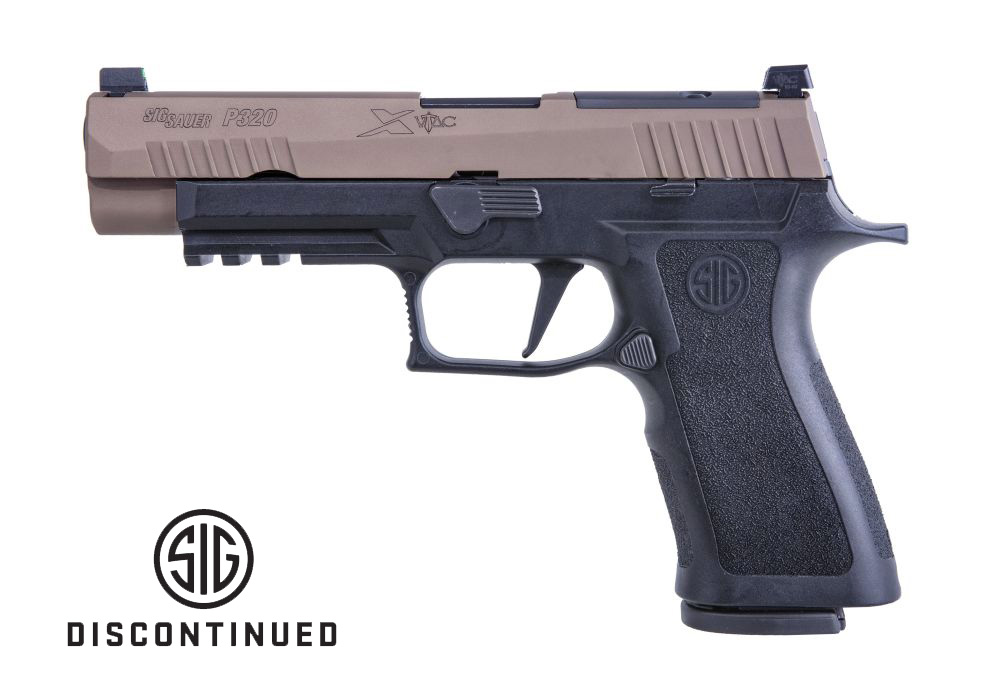
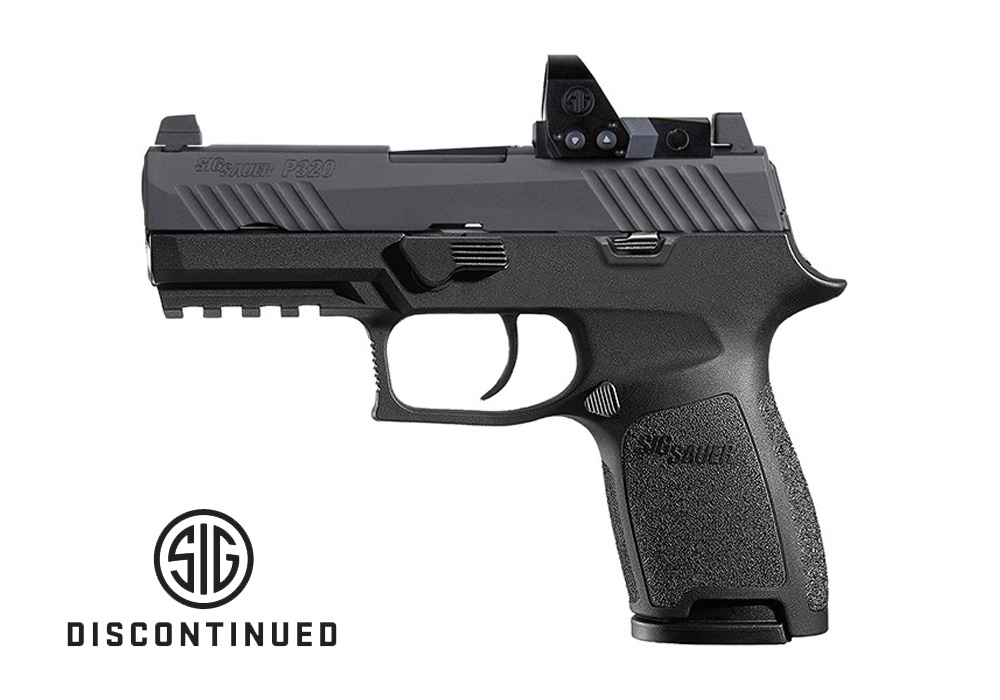
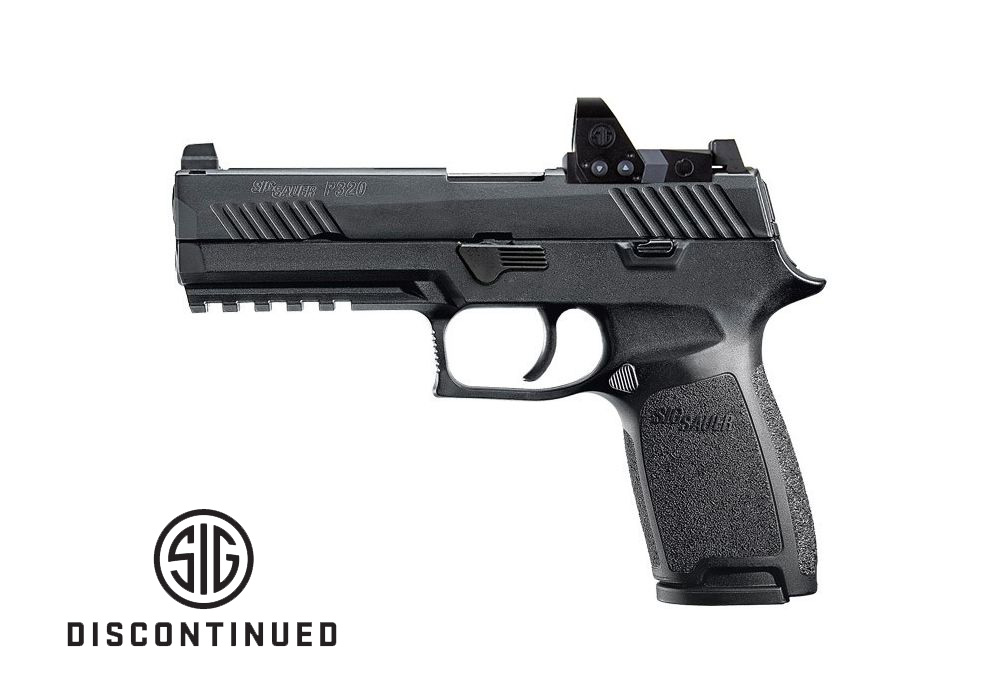
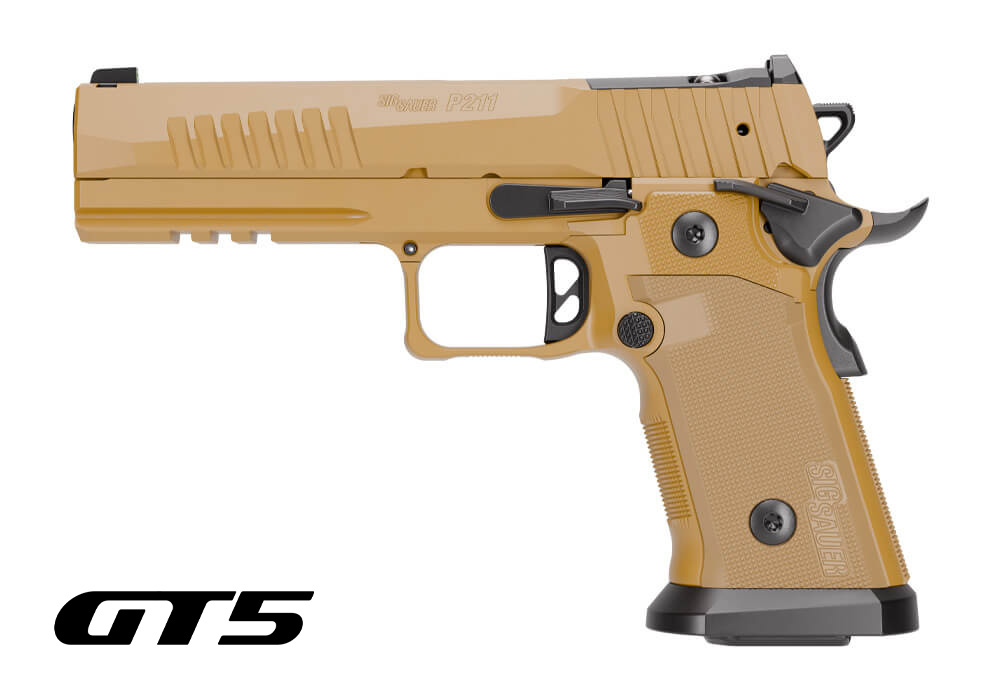
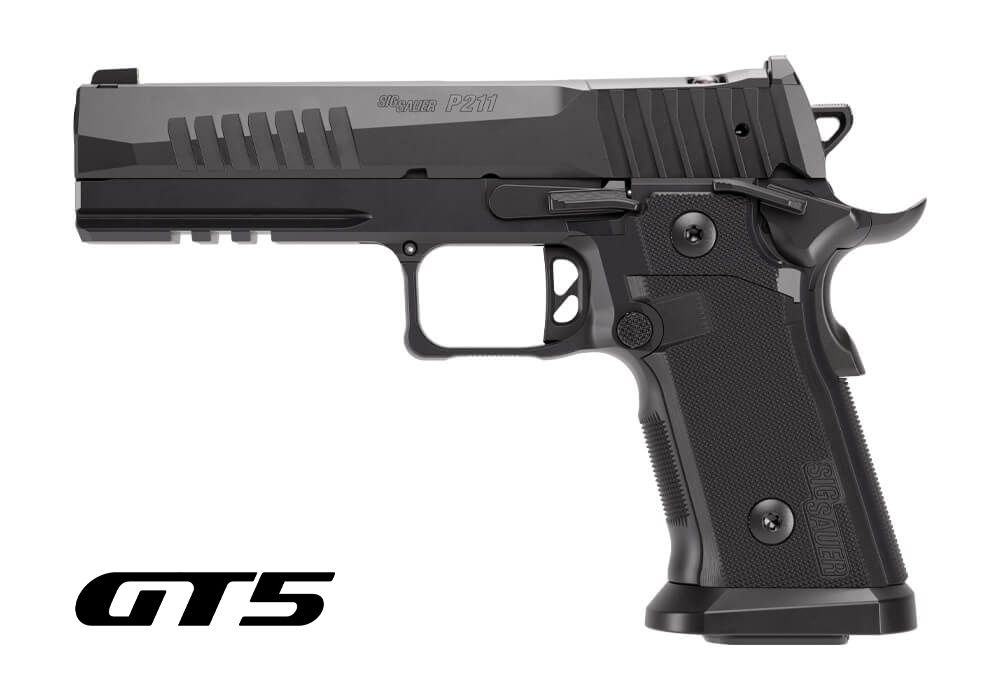
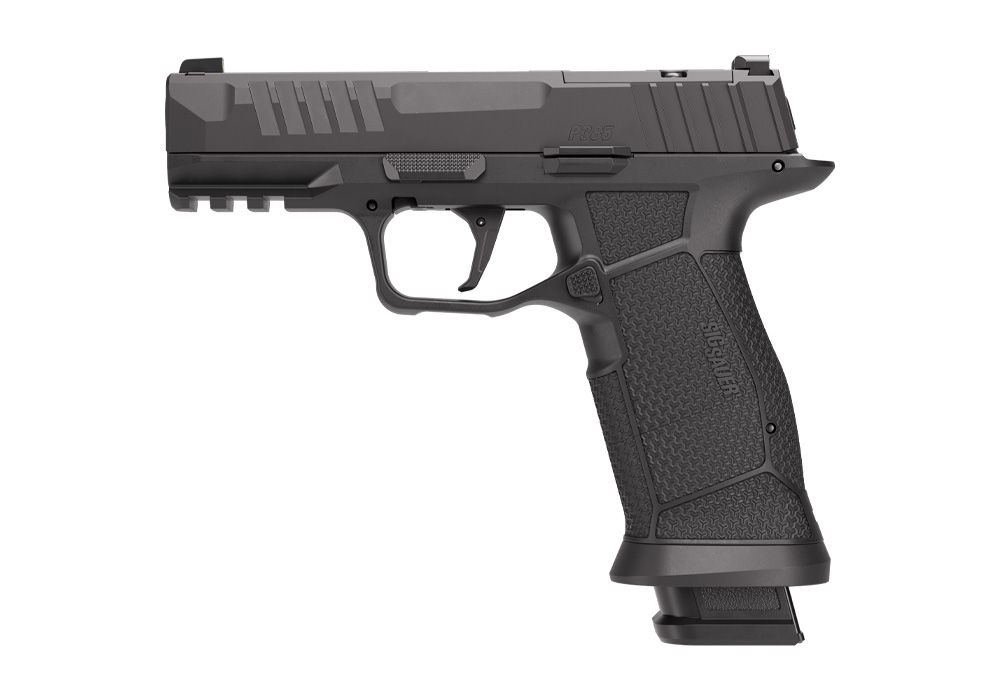
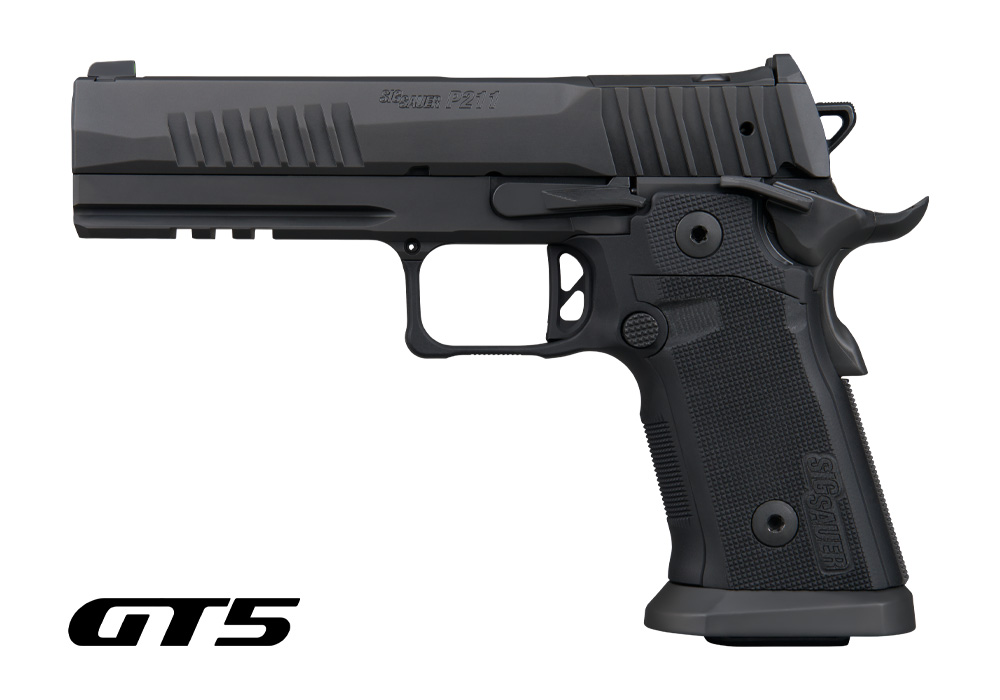
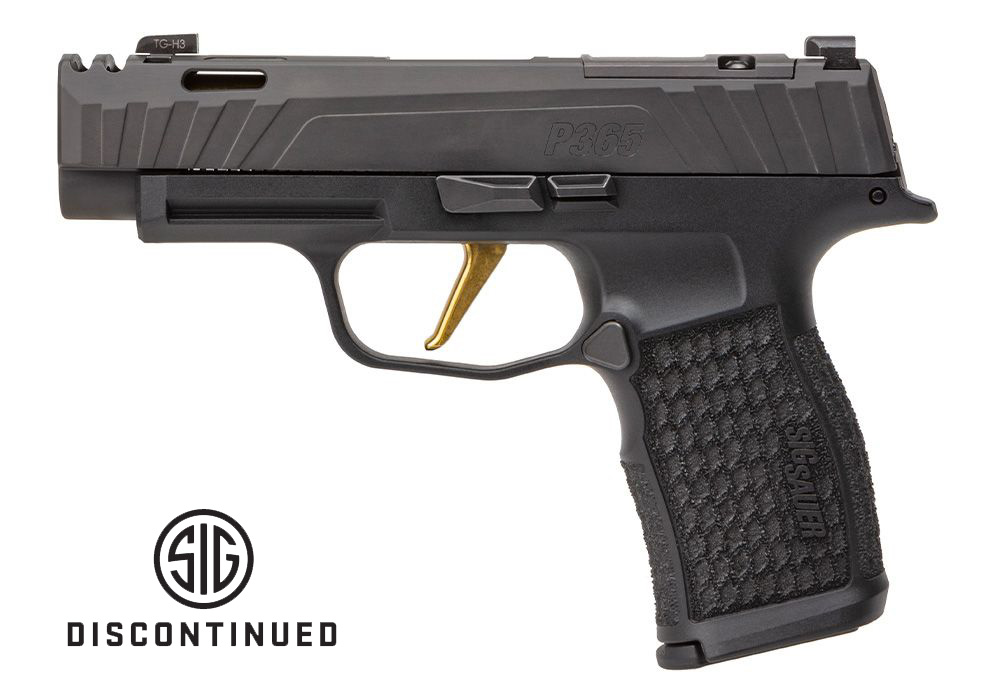
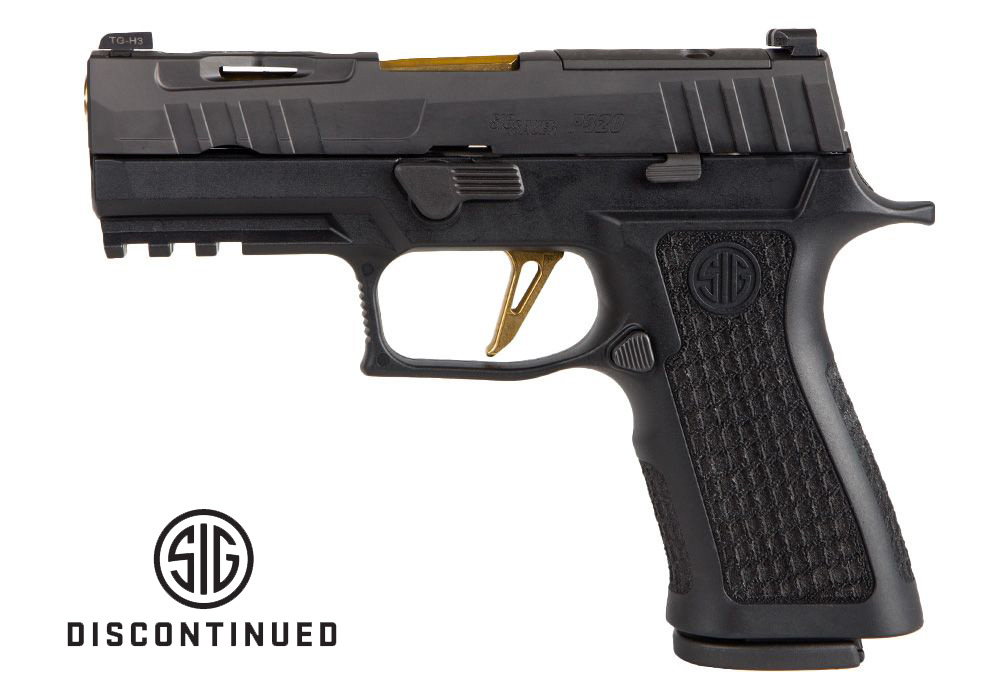
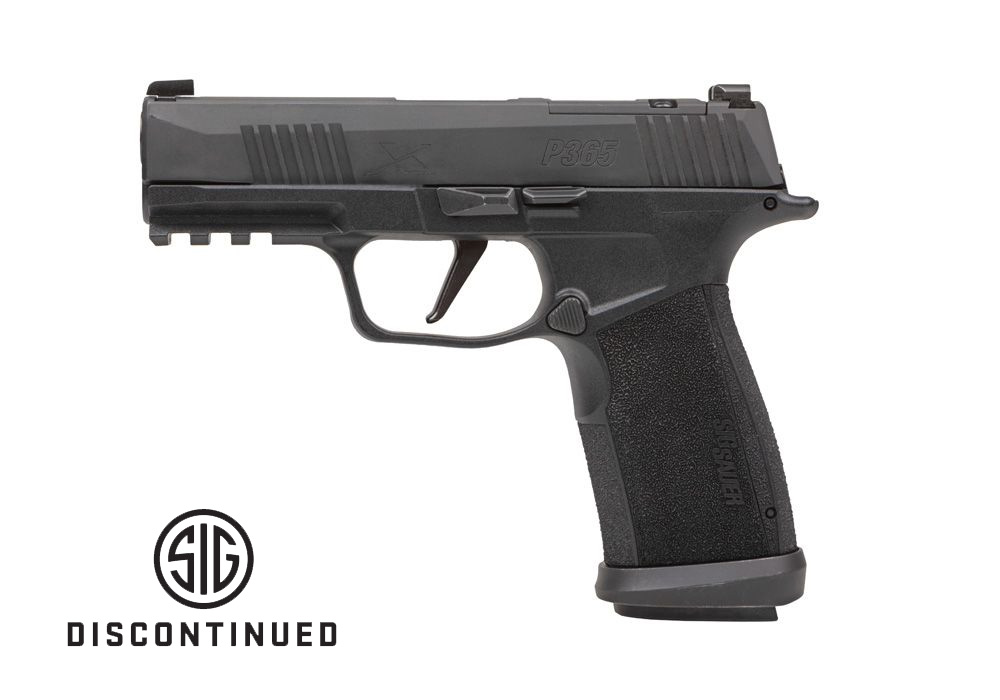
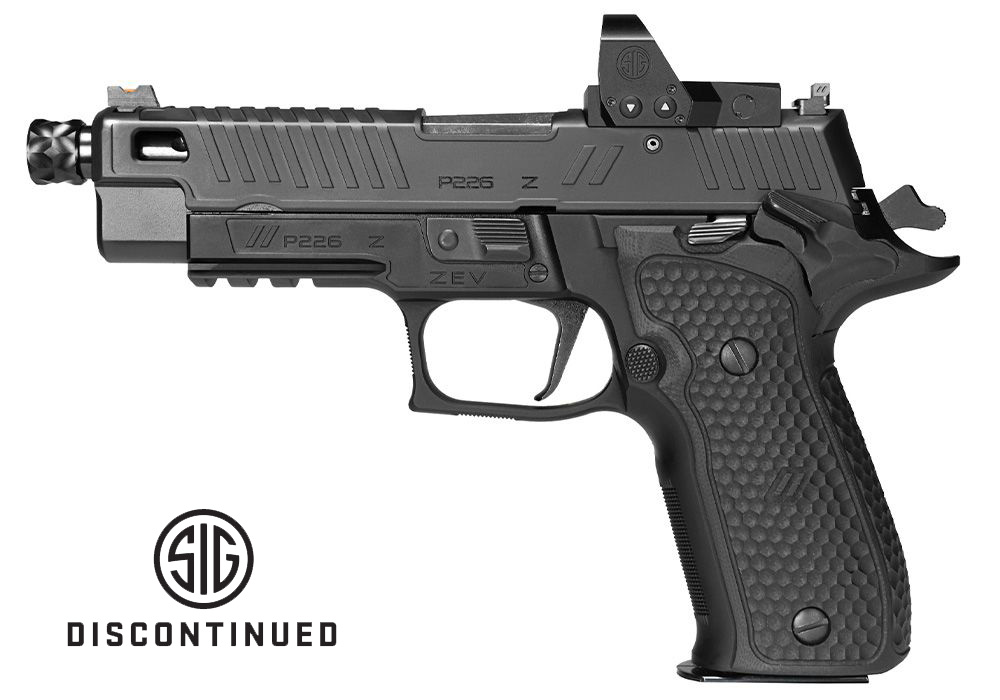
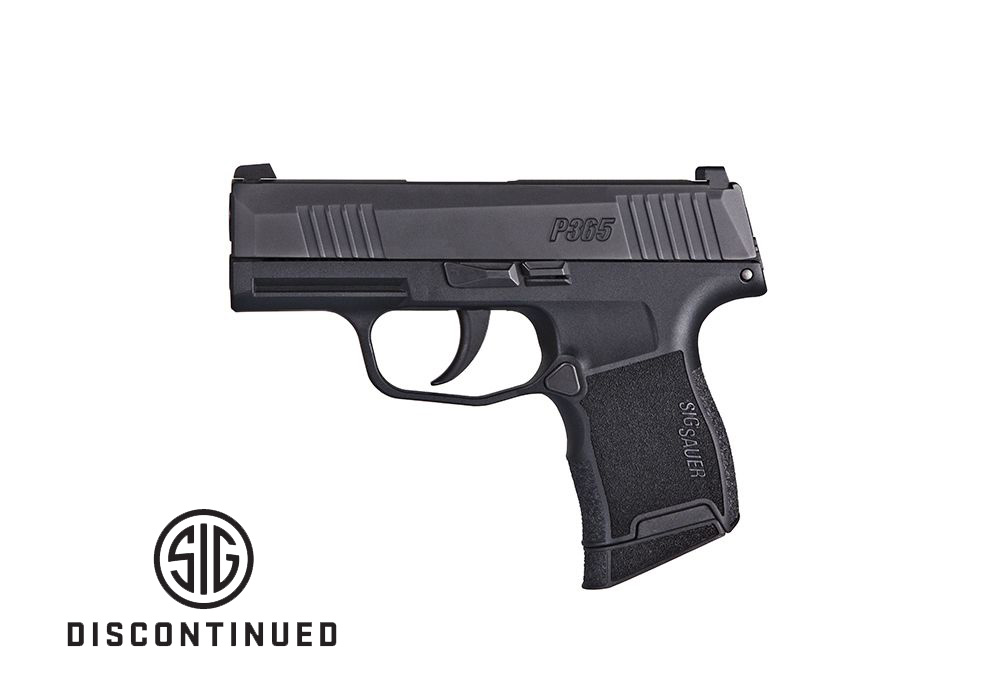
Pistols with versatile applications balance manageable dimensions, comfortable handling, durable construction, and features that support more than one legitimate use. A handgun suited to regular range practice may also serve for licensed concealed carry or lawful home protection, depending on its configuration, the owner’s training, and applicable laws. Versatility does not mean that every pistol performs every role equally well. It means that its size, weight, controls, and sighting system work together across the situations its owner reasonably expects to encounter. Compact and midsize designs often occupy this middle ground, offering a balance between convenient carry and a grip that accommodates a secure, comfortable hold. Larger designs can offer additional grip space and a longer sight radius, while smaller designs place greater emphasis on portability. Neither size alone nor a feature list establishes the right fit. Hand shape, finger reach, experience, and personal preferences all influence how natural a pistol feels. A grip should allow comfortable access to the controls without requiring an awkward stretch, and its texture should provide useful traction without becoming unnecessarily abrasive against clothing or skin. Interchangeable grip components, where supported by the manufacturer, can accommodate different hand sizes without requiring an entirely different platform. Sight visibility matters as well: a clear, easily distinguished sight picture can be valuable during both introductory practice and more structured training. Trigger characteristics and recoil feel also affect the ownership experience, although both are best evaluated through qualified instruction and supervised range experience rather than appearance alone. For shoppers comparing broad-purpose handguns, the most useful starting point is an honest picture of the pistol’s primary role and its likely secondary uses. A handgun carried regularly and practiced with often presents different priorities from one reserved mainly for recreational target shooting, even when both belong within the same versatile category.
Construction helps determine how comfortably a pistol fits into those different roles over years of ownership. Polymer frames generally limit overall weight and resist corrosion, while metal frames offer a different balance and feel that some shooters prefer. Steel slides, barrel construction, surface treatments, and the quality of mating surfaces all contribute to wear resistance and dependable function, but no material eliminates the need for routine care. A lighter pistol may be easier to carry for extended periods, while a heavier one may feel steadier during range sessions and more comfortable with certain manufacturer-approved ammunition. The practical distinction is how the complete firearm feels in the owner’s hands, not whether one material sounds more substantial on paper. Finish durability deserves attention wherever a pistol contacts a holster, clothing, or a transport case. Cosmetic wear can occur through ordinary use, and a finish should not be treated as a substitute for inspection and cleaning. Following the manufacturer’s maintenance schedule, using appropriate cleaning supplies, and keeping lubrication within the specified recommendations help preserve function without unnecessary wear or residue buildup. Any cleaning or inspection should begin with the firearm unloaded and handled according to its manual. Storage is equally important to long-term ownership. A fitted case can protect surfaces during lawful transport, but it does not replace secure, locked storage that prevents unauthorized access, particularly where children or visitors may be present. Holster compatibility is another practical consideration for pistols intended for carry. A suitable holster should match the exact firearm configuration, fully cover the trigger, retain the pistol securely, and remain stable during ordinary movement. Changes to sights or other external features can affect that fit. Manufacturer-supported accessory compatibility can broaden a pistol’s usefulness, but each addition should serve a clear purpose rather than complicate a setup that already works well.
The people drawn to versatile pistols are not all looking for the same experience. A first-time owner may value straightforward controls, a comfortable grip, clear documentation, and access to qualified instruction. An experienced recreational shooter may prioritize consistent handling across practice sessions, durable sights, and a design that remains comfortable through an extended visit to the range. Someone who participates in organized training may appreciate familiar controls and a configuration that works with appropriate training equipment. A person considering lawful carry may place greater weight on dimensions, holster support, and whether the complete setup remains practical during normal daily activities. These interests can overlap, which is why broad-purpose designs appeal to owners who prefer familiarity with one platform rather than several distinctly different systems. Consider the difference between a brief supervised introduction and a longer target session: a grip that feels acceptable for a few moments may reveal pressure points or an uncomfortable reach over time. Whenever possible, supervised experience with a comparable configuration offers more useful insight than judging a handgun solely by its profile. The same thoughtful approach applies to sight options and other features. An optics-ready configuration may offer flexibility for future preferences, while conventional sights may suit an owner who wants a simpler arrangement. Neither approach replaces sound handling habits, appropriate training, or a clear understanding of local requirements. Ammunition compatibility should always follow the firearm manufacturer’s specifications, and dependable performance should be evaluated with approved ammunition under appropriate range conditions. For another selection centered on broad-purpose performance, explore Pistols With Unmatched Capability. The strongest choice is ultimately a pistol whose fit, construction, maintenance requirements, and intended uses align with the owner’s actual routine. That balance gives versatility its practical meaning: a firearm that remains familiar and manageable across suitable activities, with features that earn their place through regular, responsible use rather than novelty alone.