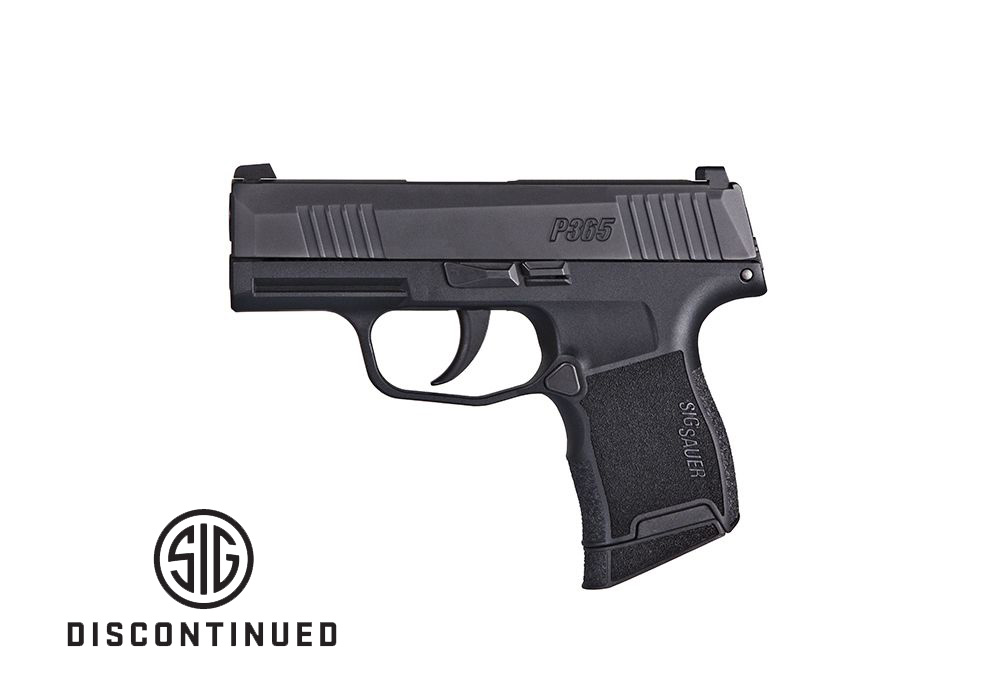
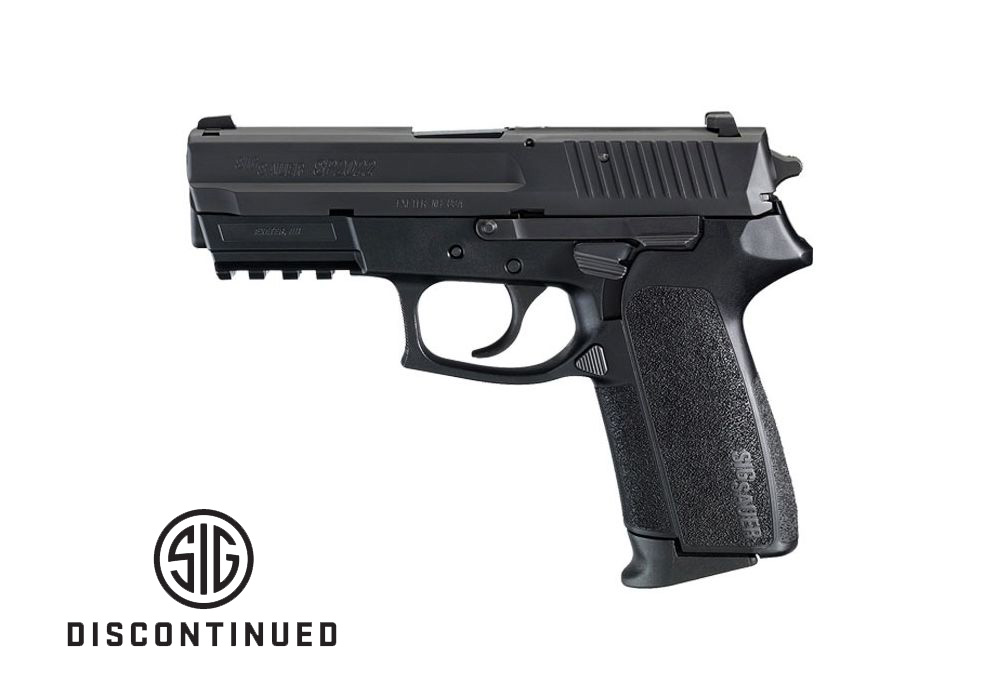
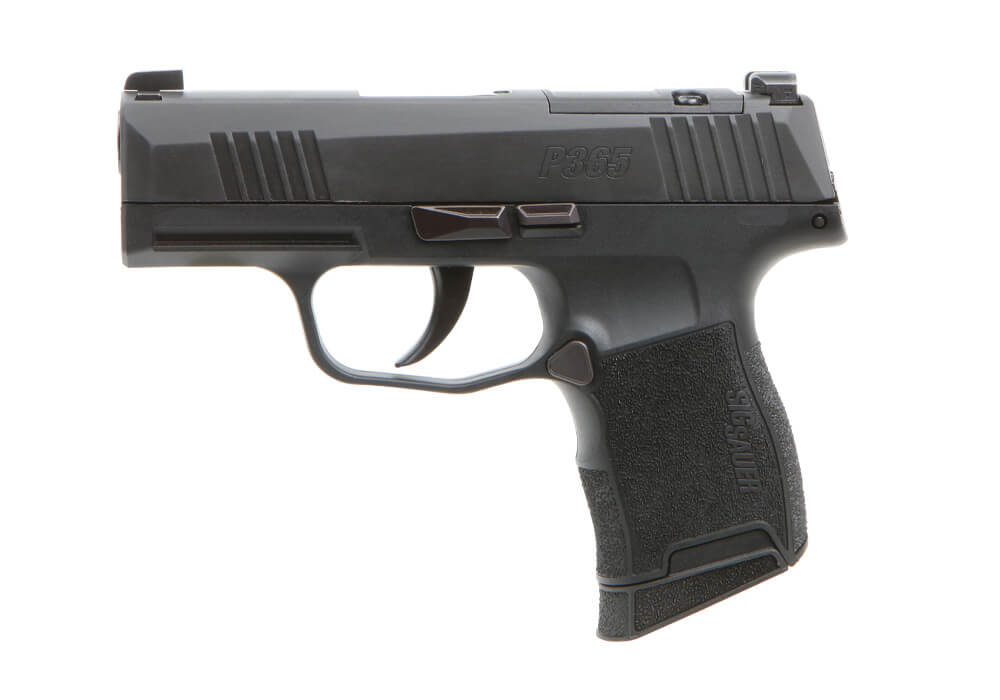
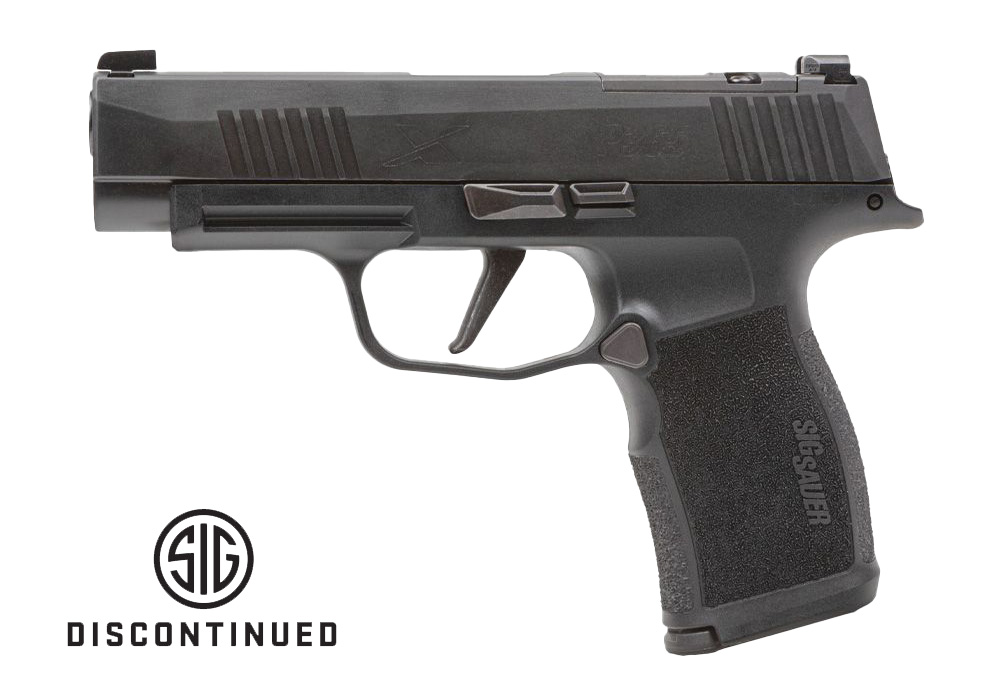
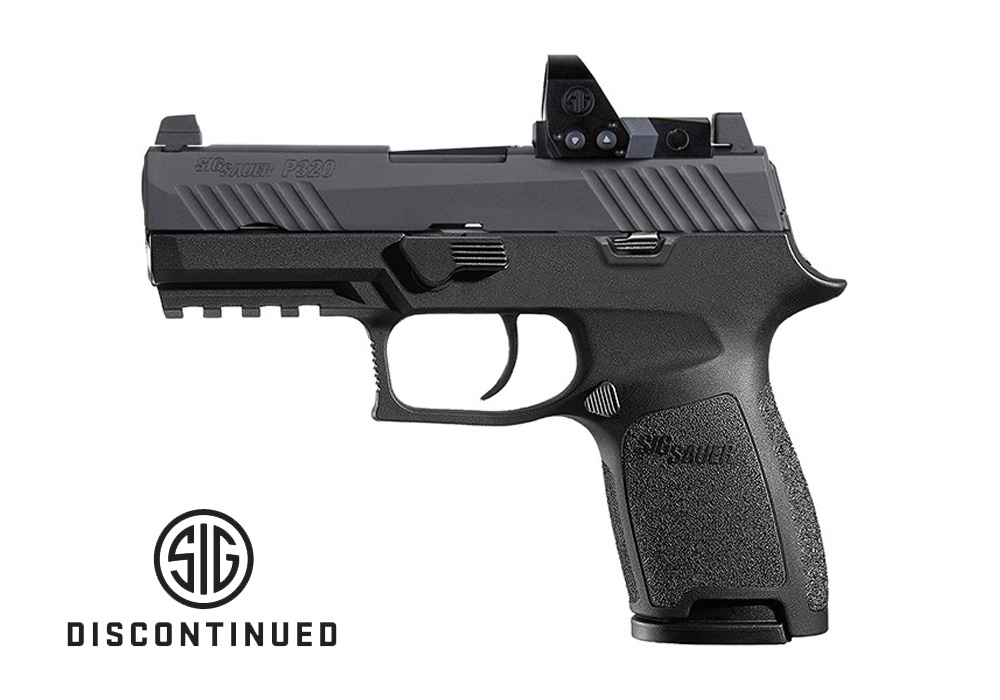
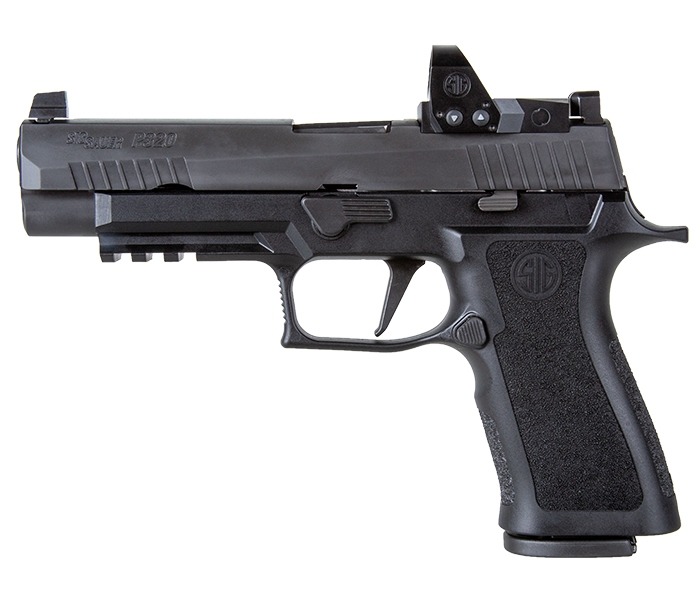
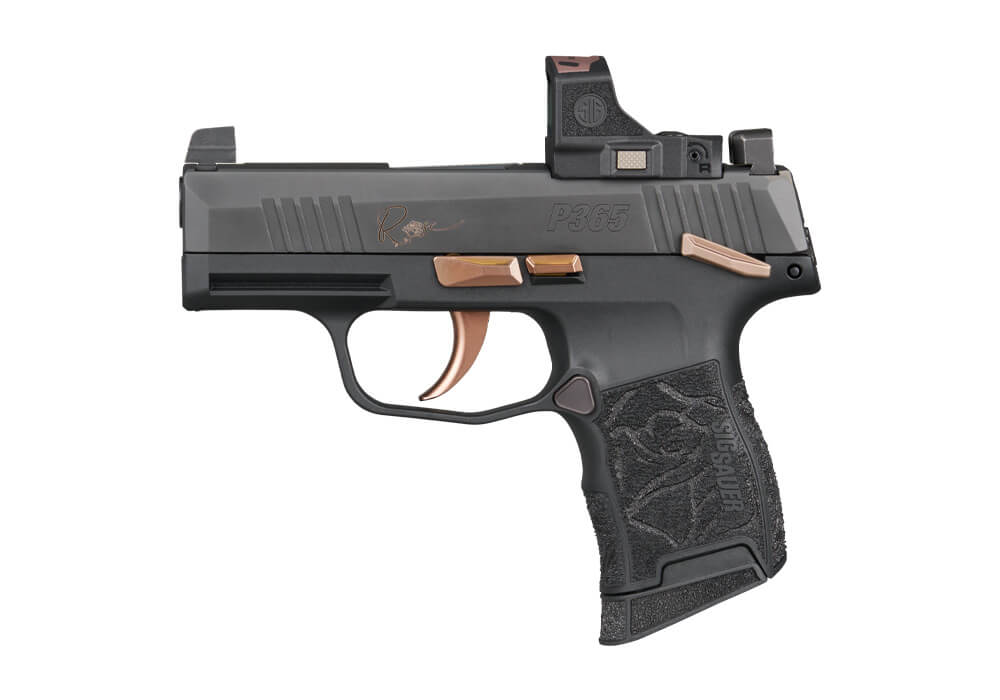
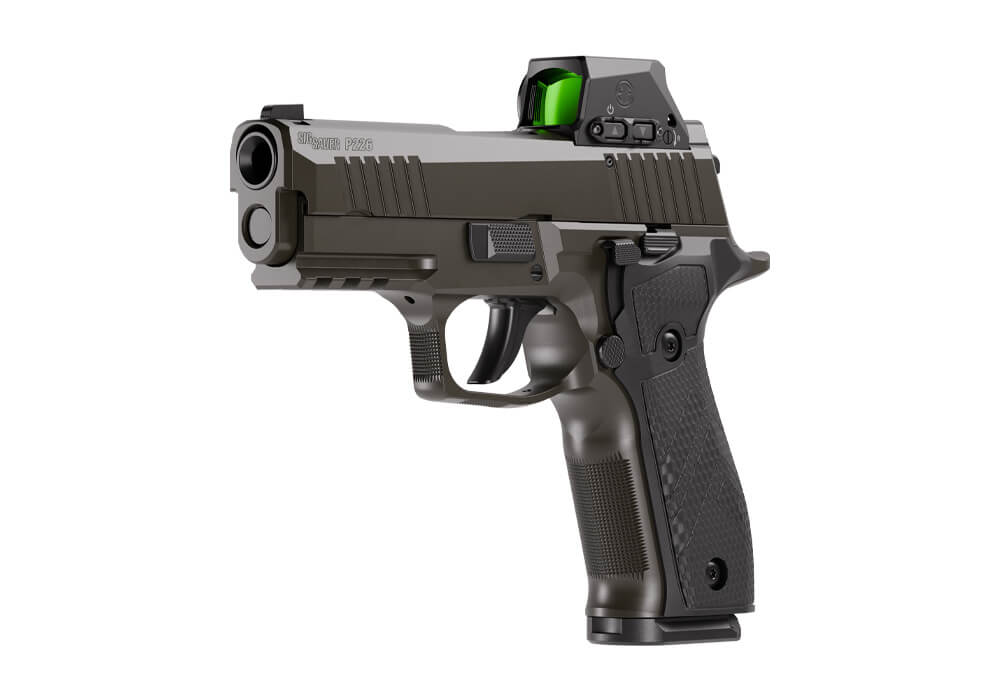
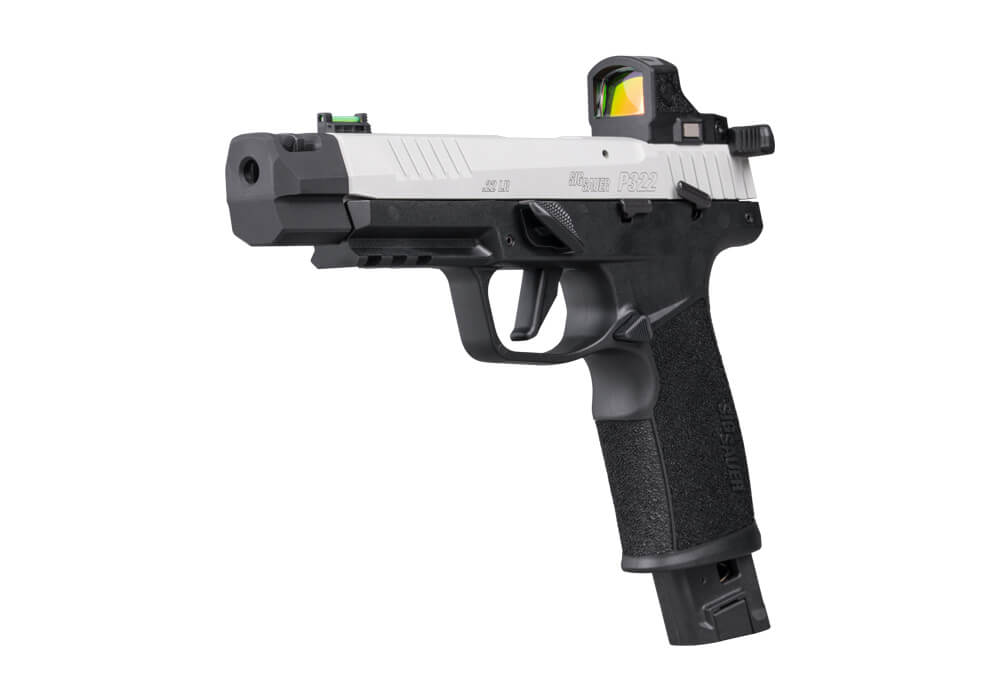
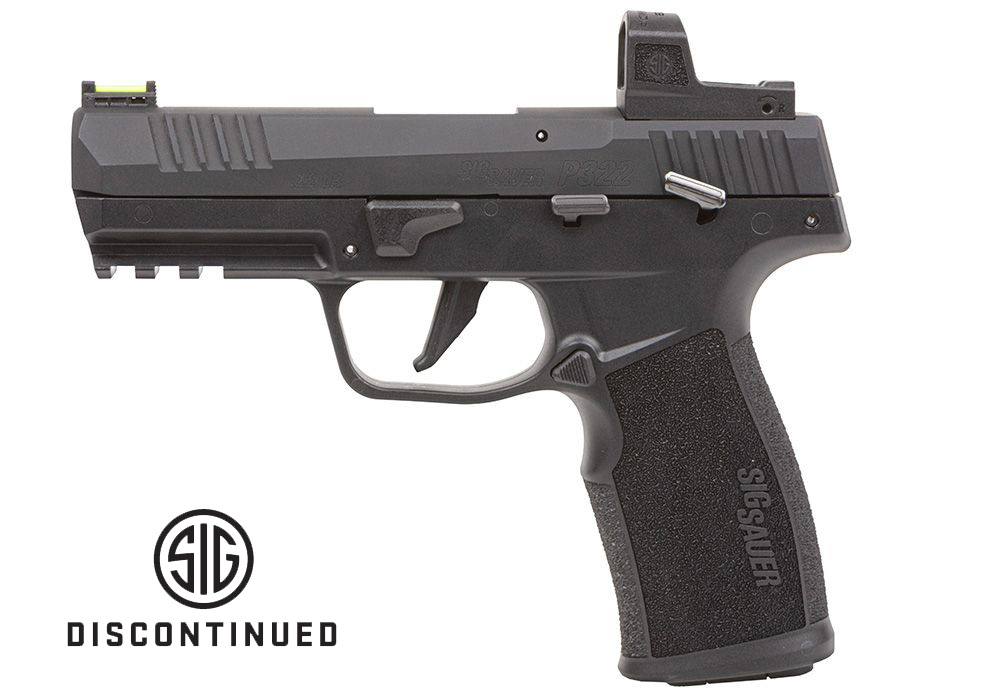
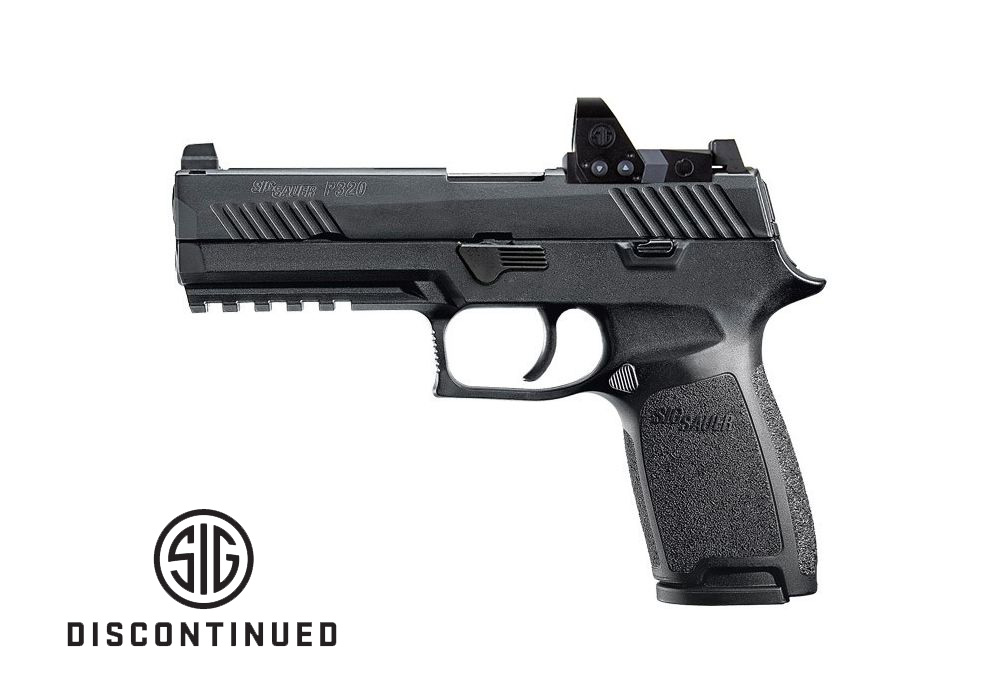
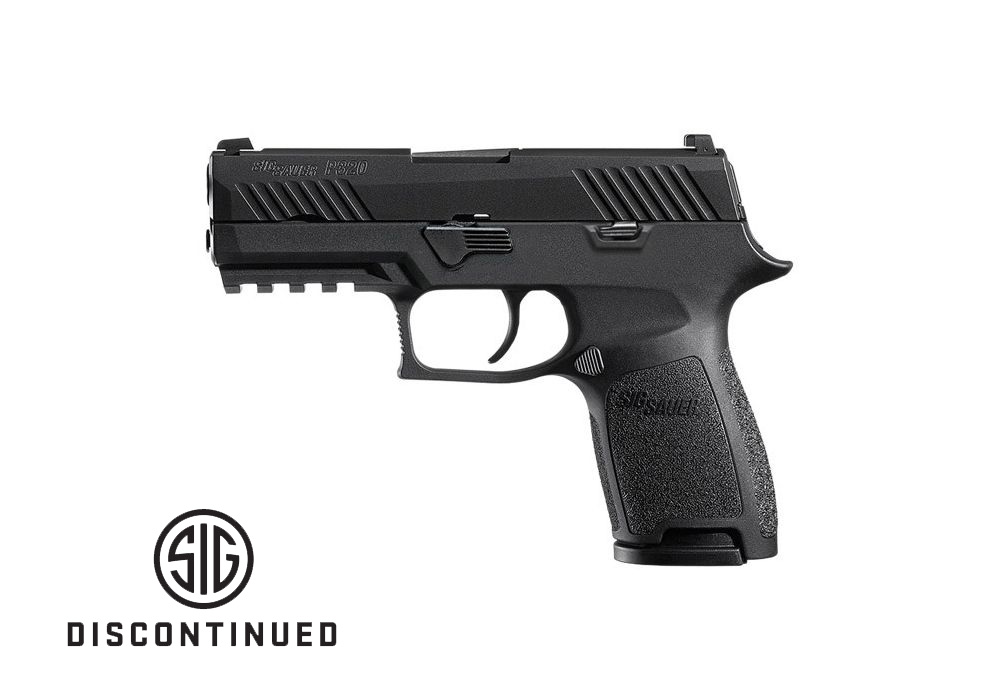
Polymer-frame pistols typically combine a reinforced polymer frame or grip module with metal components such as the slide, barrel, and internal operating parts. The term describes a construction material, not a particular size, caliber, or operating system. Within a Labor Day collection, that distinction gives shoppers a useful way to compare handguns with different dimensions and intended roles without assuming that every polymer design feels or functions alike. Polymer construction generally reduces frame weight compared with a similarly sized steel frame, although overall weight also depends on the slide, barrel, internal components, and configuration. The result can be a handgun that feels less burdensome during transport or lawful carry, but lighter does not automatically mean more comfortable for every person. Balance, grip shape, and the relationship between the frame and moving components all contribute to the experience. Many frames use reinforced engineering polymers, with metal inserts or separate internal structures supporting areas subject to repeated mechanical stress. Other designs use a polymer grip module around a distinct internal assembly. Those differences matter when reading specifications because a replaceable grip component is not necessarily the same thing as a complete frame, and components should never be assumed interchangeable. Molded surfaces also allow manufacturers to incorporate contours, texture, and recesses directly into the grip. A fine texture may feel comfortable against the hand, while a more pronounced pattern can feel noticeably different during an extended range session or against clothing. Neither appearance nor texture alone establishes quality. Consistent fit, sound engineering, suitable materials, and clear manufacturer documentation are more meaningful considerations. For an owner unpacking a range bag after an afternoon of supervised practice, the appeal is practical: a durable frame material, manageable overall dimensions, and surfaces that can be maintained according to the manufacturer’s instructions. Polymer-frame construction is therefore best understood as one element of the handgun’s design, rather than a shortcut for judging comfort, reliability, or suitability.
The broader Polymer Frame Pistols for Civilian Use category includes designs intended for recreational target shooting, organized shooting activities, and lawful personal protection. Those purposes can place different demands on size, fit, storage, and supporting equipment. A compact profile may suit someone whose lawful carry arrangements call for modest dimensions, while a larger frame may provide more room for the hand during regular range practice. Neither description guarantees a better fit. Two pistols with similar overall measurements can feel quite different because of grip circumference, front-to-back depth, backstrap contour, and the shape of the trigger guard. For someone with smaller hands, a broad grip may feel awkward even when the handgun is relatively short. Someone with larger hands may find a narrow or abbreviated grip less comfortable over time. Where adjustable backstraps or alternate grip modules are part of a design, their compatibility and permitted configurations depend on the manufacturer’s specifications. A supervised fitting opportunity with a qualified professional can be useful for assessing these differences without relying on photographs alone. Control placement also deserves attention, particularly for left-handed owners or households in which more than one authorized adult may use the firearm. Terms such as ambidextrous and reversible describe different arrangements and should not be treated as equivalent. Accessory compatibility requires the same care. An accessory rail does not establish compatibility with every attachment, and an optics-ready slide does not accept every sight without regard to mounting pattern or required hardware. Holster fit is similarly specific to the handgun’s configuration, including any approved attachments. Appropriate holsters should retain the firearm securely and fully cover the trigger area. Magazine compatibility, permitted magazine sizes, transport requirements, and carry rules also vary by firearm and jurisdiction. For Labor Day browsing, these practical distinctions provide more useful context than broad labels, helping separate the characteristics of the frame material from the requirements of responsible ownership.
Durability and care are closely connected, even when a frame material has a reputation for requiring relatively little attention. Polymer itself does not rust, but a polymer-frame pistol still contains metal parts that can corrode if neglected. Moisture, perspiration, handling residue, and debris can affect the firearm as a whole, so a corrosion-resistant frame is not a substitute for routine inspection and maintenance. Cleaning products also deserve careful selection: a solvent suitable for one surface may be unsuitable for another, and compatibility should follow the firearm manufacturer’s guidance rather than a general assumption about plastics. Approved cleaning methods, specified lubrication, and recommended inspection intervals help preserve the condition of both polymer and metal components. Abrasive treatment, unapproved chemicals, and unauthorized alterations can damage surfaces or affect function. A range visit may leave dust along a textured grip or residue around exposed metal surfaces; those ordinary signs of use call for the documented care procedure, not improvised refinishing or aggressive scrubbing. Cleaning and inspection should take place only after the firearm has been confirmed unloaded in accordance with its instructions, with ammunition kept away from the work area. Storage is equally important. A dedicated locking container or other appropriate secure-storage system helps prevent access by children and unauthorized people, while ammunition should be stored separately and secured as required by applicable law. A carrying case intended for transport is not automatically a substitute for secure long-term storage. Owners who practice occasionally, attend supervised range sessions regularly, or maintain a firearm for lawful personal protection all benefit from the same foundation: documented maintenance, suitable equipment, qualified instruction, and familiarity with applicable rules. A comfortable grip and lighter frame can support an enjoyable ownership experience, but neither replaces training or consistent safety practices. The enduring value of a polymer-frame pistol lies in how well its construction, dimensions, and care requirements match the owner’s legitimate needs, with responsible handling and secure storage remaining essential throughout its service life.