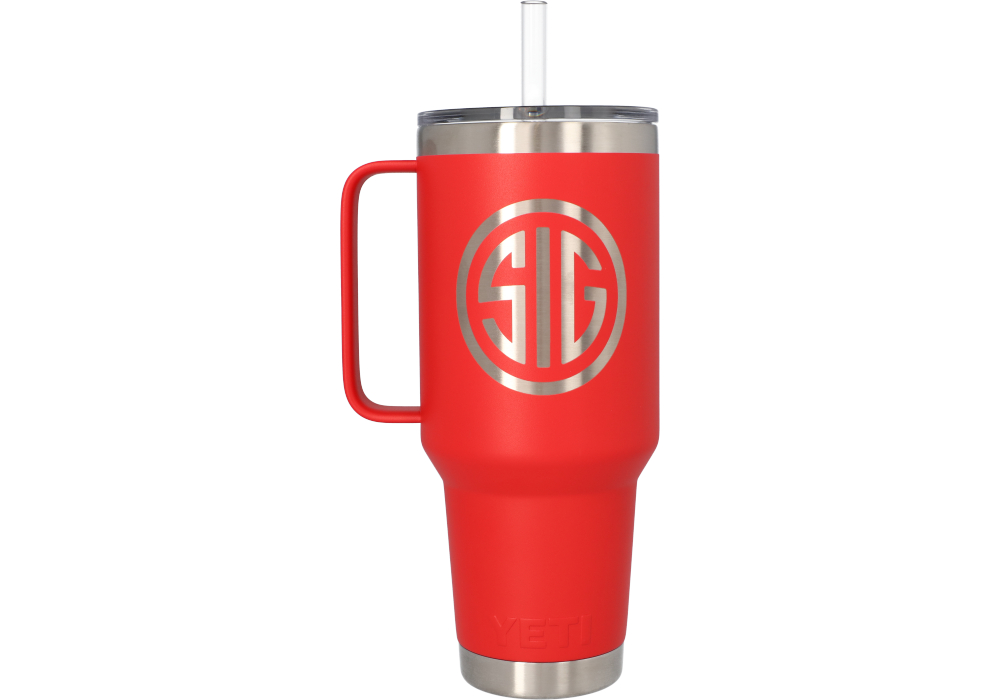
Reusable cups are drinking vessels intended for repeated use, offering a practical alternative to single-use cups for coffee, tea, water, and other everyday beverages. The category spans simple open-top designs for a kitchen table or desk, lidded tumblers for moving between rooms, and travel-oriented styles that fit more naturally into a commute. The most useful choice depends less on appearance alone than on how a cup feels in the hand, where it will sit, and how easily it can be cleaned between refills. Stainless steel, glass, plastic, and silicone each bring different qualities to that experience. Stainless steel is valued for its toughness and can suit frequent travel, while double-wall insulated construction helps limit heat transfer between a drink and its surroundings. Not every metal cup is insulated, so construction matters as much as the material name. Glass allows a clear view of the contents and offers a familiar drinking surface, though it needs protection from hard impacts. Reusable plastic can be lightweight and convenient to carry, with care requirements that depend on the material and manufacturer’s directions. Silicone can provide a flexible grip or collapsible structure in designs intended to save space, but a flexible cup may feel different from a rigid vessel when lifted or set down. Ceramic offers the substantial feel associated with a traditional mug, making it a natural match for a stationary workspace or relaxed meal rather than a crowded bag. No single material is best for every setting. Someone who drinks one small coffee at a desk may value a comfortable rim and easy washing more than insulation, while a person moving between appointments may prefer a secure lid and a sturdy exterior. Across these uses, the appeal of reusable drinkware is straightforward: a familiar cup can become part of a repeatable routine, from the first fill at home to a rinse after the last sip.
Size and fit deserve close attention because a cup interacts with more than the drink inside it. Overall height determines whether it can sit beneath a coffee machine’s spout, while the width of the base affects compatibility with a vehicle cup holder. A tapered shape may fit where a broad, straight-sided cup will not, and a handle that feels comfortable at home can interfere with a narrow holder or a tightly packed shelf. Weight also changes once a cup is full; a substantial vessel that feels balanced when empty may be less comfortable to carry through a long walk across a workplace or campus. For daily use, the right volume is generally enough for a normal serving with room beneath the lid, rather than the largest size possible. A broad opening can simplify filling and cleaning, while a narrower drinking opening can help control each sip. Lid design makes an equally noticeable difference. An open rim offers an uncomplicated drinking experience at a table, a sliding cover can help manage splashes around a desk, and a threaded or locking closure may provide greater security during movement. A lid alone does not establish that a cup is leakproof, and spill-resistant drinkware should not be treated as suitable for sideways storage unless its stated use supports that. Straw openings are convenient for frequent sipping but usually create another place where liquid can escape. For coffee or tea, check that the cup and lid are intended for hot beverages, and leave the recommended space at the top. For thicker drinks, a wider straw or opening can be easier to use and clean. Exterior texture, handle clearance, and the shape of the rim are small details that become important through repetition, particularly for anyone who prefers a steadier grip. When fully enclosed drinkware better suits carrying water in a bag, Reusable Water Bottles offer a related category to consider alongside cups intended for convenient, frequent access.
Long-term satisfaction with reusable cups often comes down to care as much as construction. A cup that is pleasant to drink from but awkward to wash can become less appealing after a few uses, especially when milk, sweetened coffee, or blended drinks collect around a lid. Smooth interior surfaces, accessible corners, and removable components can make regular cleaning easier. Dishwasher suitability should be checked for every part rather than assumed for the entire vessel: the body, lid, straw, seals, and exterior finish may have different requirements. Where hand washing is recommended, mild soap and a nonabrasive cleaning tool are often appropriate, subject to the manufacturer’s directions. Rinsing soon after use helps keep residue from drying in place, but it does not replace a thorough wash. Seals and drinking mechanisms need particular attention because narrow channels can hold moisture and traces of a beverage even when the main chamber looks clean. Allowing components to dry fully before reassembly helps keep the cup fresh between uses. Avoid microwave use unless the vessel is explicitly labeled suitable, and never assume that a lid shares the same heating instructions as the cup beneath it. Durability also involves recognizing wear: cracked glass, damaged drinking edges, deteriorating seals, and deep scratches can affect comfort, cleaning, or reliable performance. A replaceable seal or lid, when supported by the design, may help extend useful service without replacing the whole vessel. For gifting, everyday habits are more helpful than guesswork. A person settling into a new workspace might appreciate drinkware that sits securely beside a keyboard, while a regular commuter may value a comfortable grip and a closure suited to movement. Household members who share a cupboard may prefer distinct colors or shapes that make each person’s cup easy to recognize. Repeated use is central to the purpose of this category; its potential to reduce reliance on disposable cups depends on consistent habits, care, and a long service life. The strongest choice is one that fits naturally into the recipient’s day and remains easy to reach for, wash, and use again.