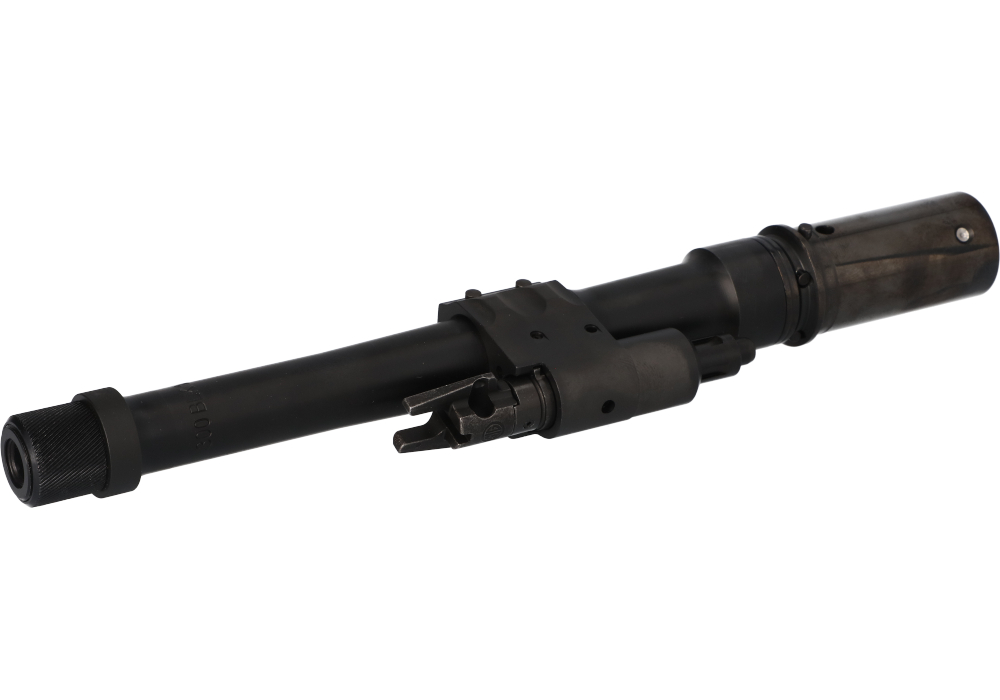
Rifle gas systems are essential components in semi-automatic rifle operation, using expanding propellant gases to cycle the action after a shot is fired. As the bullet travels down the barrel, a measured portion of gas passes through the gas port and enters the gas block. From there, the gas travels through a gas tube in a direct-impingement design or drives a piston and operating rod in a piston-driven system. That rearward force moves the bolt carrier group, allowing the rifle to unlock, extract and eject the spent casing, reset the action and load the next cartridge. A complete, properly matched system helps the rifle run consistently while balancing recoil, reliability, heat and component wear. For builders, armorers and experienced shooters maintaining a favorite rifle, choosing the right gas system is about more than selecting a single part. Barrel length, gas-system length, ammunition, intended use, suppressor compatibility and the relationship between the gas block, tube or piston assembly and bolt carrier group all deserve consideration. Gas-system components are often selected during a new build, but they can also be useful when restoring a rifle, replacing worn parts or fine-tuning a setup for a particular range routine. Before purchasing, verify the specifications of the barrel and receiver platform, including the gas-block journal diameter, the required tube length, mounting style and compatibility with the handguard. Careful measurement at the workbench can prevent the frustration of discovering that an otherwise well-made component does not align with the rest of the rifle.
Gas-system length is closely related to barrel length and the amount of barrel remaining beyond the gas port, commonly called dwell time. Pistol-length systems are generally associated with very short barrels and operate at higher pressure, while carbine-length systems are widely used with short-to-medium barrels. Mid-length systems are often paired with barrels in the mid-teens and can provide a balanced recoil impulse with a comfortable operating rhythm. Rifle-length systems are commonly matched with longer barrels and may offer a softer cycling feel when the overall configuration is properly tuned. These are general guidelines rather than universal rules, since barrel profile, ammunition, port dimensions, carrier weight and other parts influence performance. A shooter setting up a compact rifle for training may value a durable, straightforward configuration that cycles reliably through extended practice sessions. Someone preparing a longer rifle for prone shooting, field use or careful bench work may place greater emphasis on a smooth impulse and consistent return to the target. Suppressor use is another important consideration because adding a suppressor can alter back pressure and change how the action cycles. A system that runs well without a suppressor may behave differently when one is attached, making compatibility and adjustability especially important. Adjustable gas blocks and other gas-control components can give qualified users more flexibility, but they should be selected only when their specifications match the rifle and intended ammunition. For maintenance projects, replacement selections can include gas blocks, tubes, piston components, operating rods, roll pins and related hardware. Explore Firearm Gas System Replacement Parts for components intended to support repair, replacement and rifle-building needs.
Rifle gas-system components can suit a wide range of responsible users, from experienced builders assembling a rifle around a specific barrel to owners replacing a damaged or worn part after years of use. They may also be a thoughtful gift for a knowledgeable enthusiast who enjoys maintaining equipment, preparing a competition rifle or completing a carefully planned build, provided the recipient can confirm the correct specifications for the intended firearm. New parts are best chosen with the rifle’s complete configuration in mind rather than by appearance alone. A low-profile gas block may be preferred when handguard clearance matters, while a pinned or otherwise securely retained block may appeal to users who prioritize a durable installation. Material, finish, corrosion resistance and heat tolerance can influence long-term service, particularly for rifles used during demanding training, field exercises or frequent range days. Fit and alignment matter just as much: the gas port, block and tube or piston path must work together so the action receives the appropriate amount of gas without unnecessary friction or interference. During the cooler months, a rifle may be used for outdoor practice in changing conditions, where dependable cycling and straightforward maintenance become especially valuable. After shooting, allow components to cool before inspection, follow the firearm manufacturer’s safety procedures and check for unusual wear, loose hardware or carbon buildup. Any installation, adjustment or repair should be performed by a qualified gunsmith or another person familiar with the firearm’s design, and the rifle should be unloaded with ammunition stored separately during all maintenance. With the correct dimensions, a compatible operating system and responsible upkeep, a well-matched rifle gas system can help support reliable function and a more comfortable shooting experience across seasons.