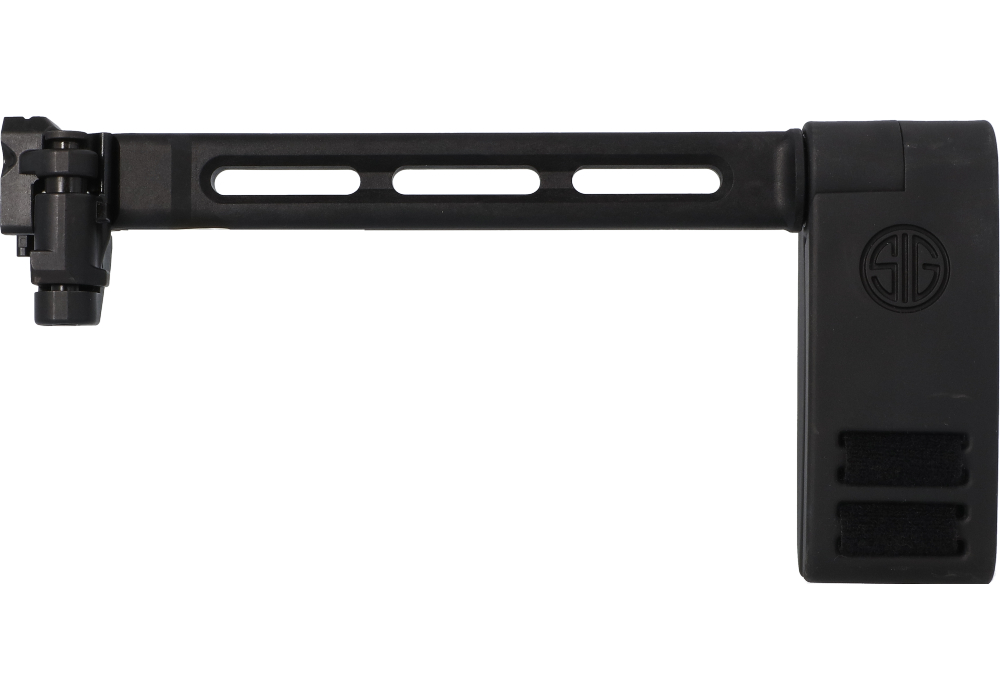
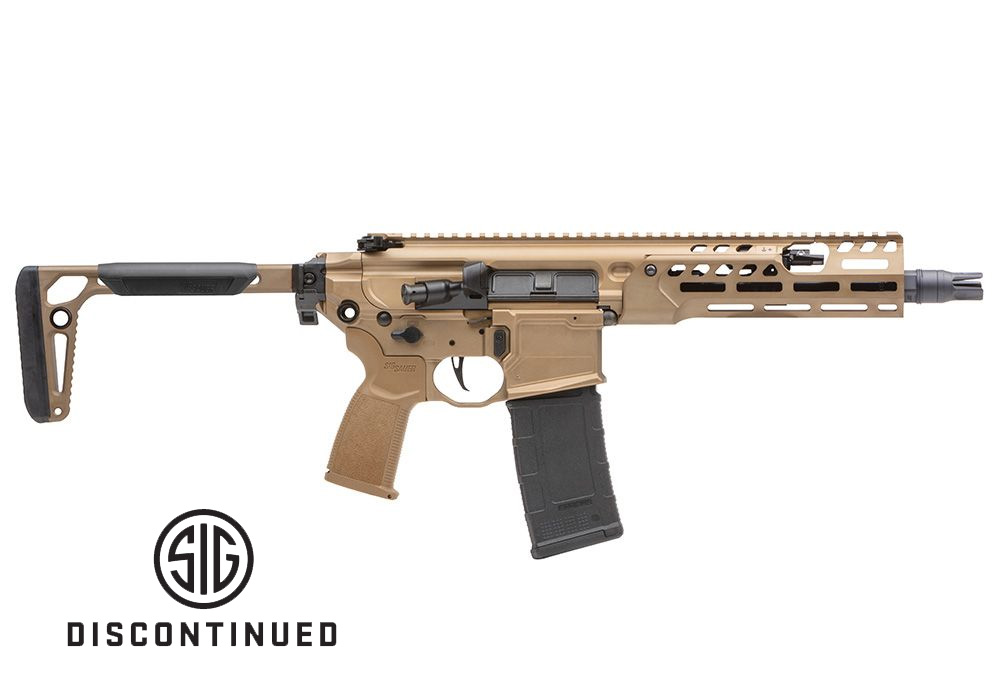
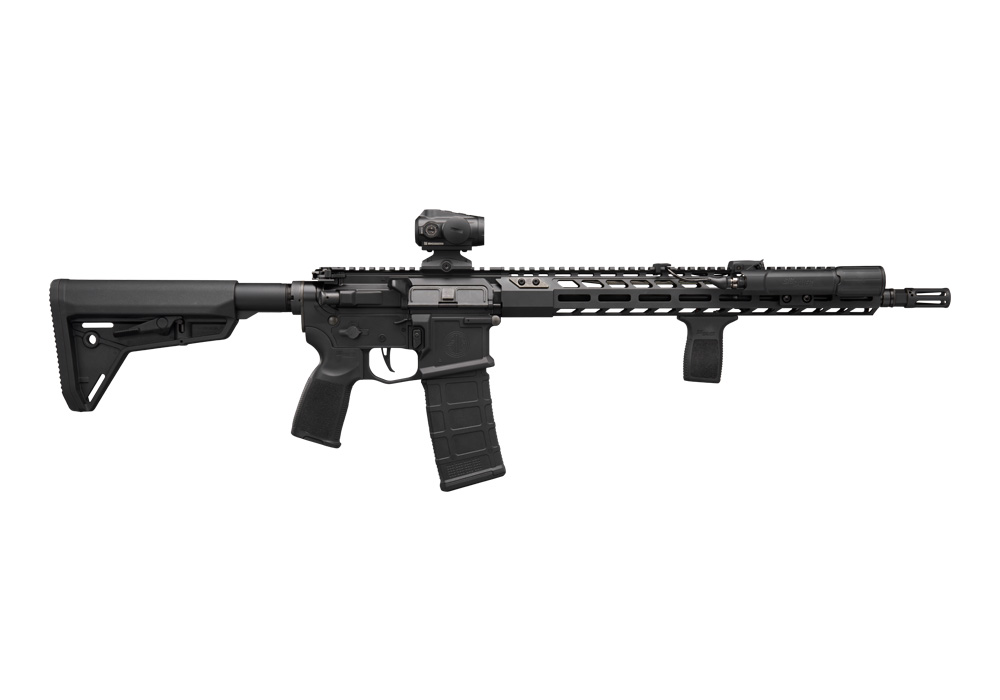
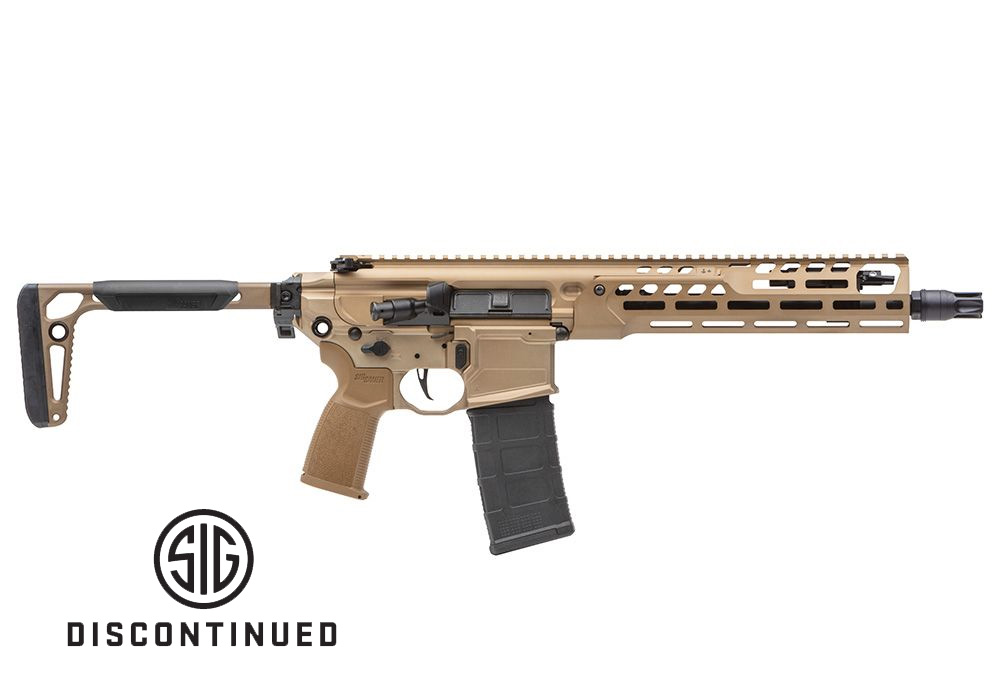
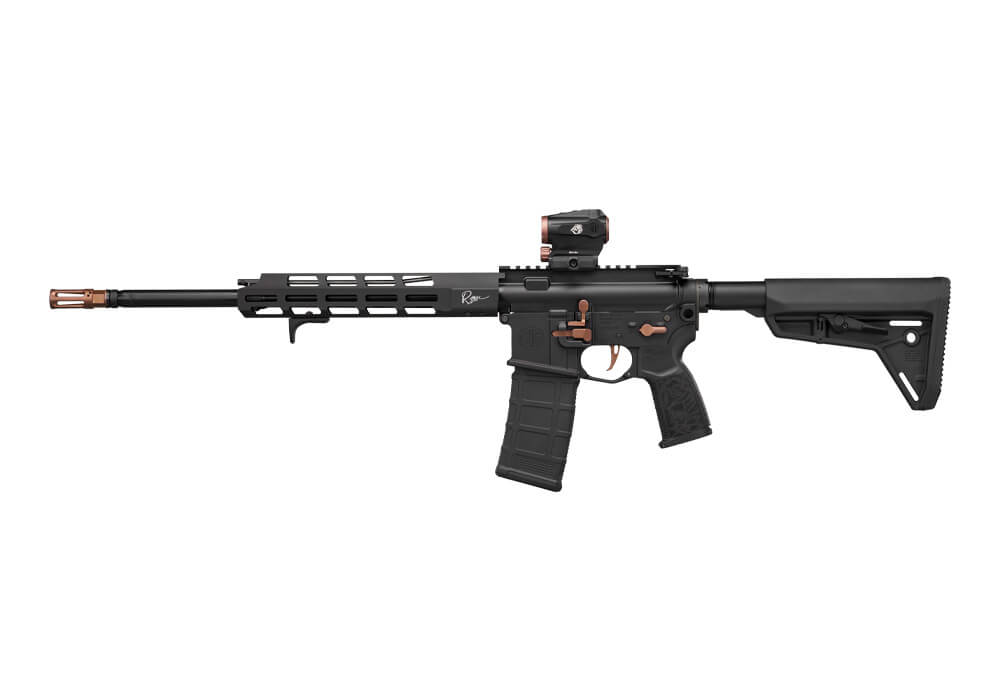
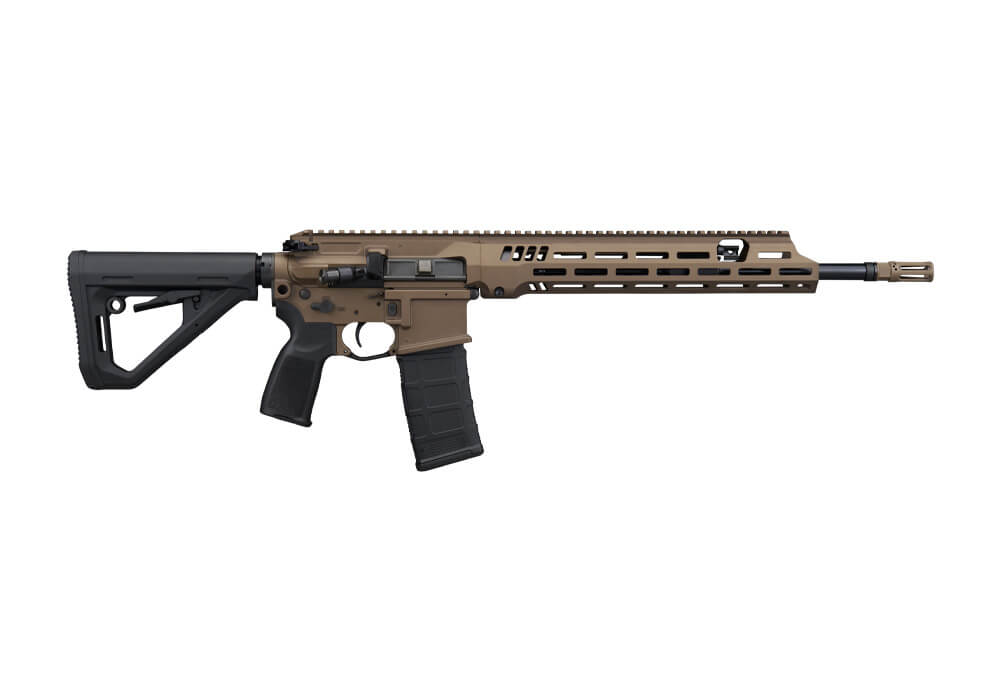
An AR-15 stock is the rear component of the rifle that rests against the shoulder, providing support and a consistent surface for cheek contact while aiming. Its shape, length, and weight influence how the rifle feels during ordinary handling, whether at a supervised range, on a hunting trip, or during a recreational shooting session. AR-15 stocks generally fall into four overlapping categories: fixed, collapsible, minimalist, and precision-oriented designs with additional ergonomic adjustments. Fixed stocks offer a set length and a straightforward profile, appealing to shooters who prefer the same fit each time they shoulder the rifle. Collapsible stocks allow changes to length of pull, the distance between the trigger and the rear of the butt pad, to accommodate different body proportions and clothing. Minimalist designs emphasize low weight and a pared-back outline, while more substantial adjustable designs may offer separate cheek-height and butt-pad settings. No single style suits every person or every rifle. A broad cheek surface can feel comfortable during longer range sessions, while a slimmer profile may appeal to someone who prefers less bulk. Compatibility is just as important as comfort: an AR-15 stock must match the rifle’s receiver extension, commonly called the buffer tube, and the requirements of the complete firearm configuration. Mil-spec and commercial-spec carbine receiver extensions differ in outside dimensions, so a similar appearance does not establish interchangeability. Rifle-length extensions and proprietary mounting systems also require their own compatible components. A stock described as adjustable is not automatically compatible with every AR-pattern rifle, and features such as folding mechanisms require explicit platform compatibility rather than assumptions based on the firearm’s general appearance. Manufacturer specifications remain the appropriate reference for fit, necessary hardware, and installation requirements. These distinctions help explain why two stocks with nearly identical outlines can serve different configurations. A clear match between the mounting interface, the intended firearm, and the shooter’s proportions matters more than choosing by appearance alone, especially when comparing designs across a broad accessory category.
Materials and construction account for much of the difference in how AR-15 stocks feel and wear over time. Reinforced polymer is common because it combines relatively low weight with resistance to routine handling wear and corrosion. Aluminum may appear in structural sections, adjustment hardware, or other supporting components, while rubber or similar resilient materials often form the shoulder-contact surface. Material names alone do not tell the whole durability story. Wall thickness, reinforcement around mounting points, hardware quality, and the fit between moving parts all contribute to a component’s service life. A textured butt pad can help maintain comfortable contact with clothing, but the texture should not feel unnecessarily abrasive or catch fabric during normal handling. Rounded edges and smooth seams are small details that become noticeable when a rifle is carried regularly or used throughout an extended range visit. On collapsible designs, the adjustment lever’s location and protection influence ease of use, and some models include a secondary tension or friction feature intended to reduce movement against the receiver extension. Such a feature can improve the feel of the interface, but it does not compensate for incompatible dimensions. Cheek supports also vary: some provide a narrow, simple contact surface, while others offer a wider platform or adjustable height. Any raised cheek support must remain compatible with the firearm’s controls and required movement of operating components. Sling attachment options deserve similar attention. Integral slots, loops, and quick-detach sockets accept different attachment hardware, and not every socket includes rotation-limiting features. Enclosed storage compartments may offer room for small accessories, although water resistance and sealing depend on the individual design and should never be assumed from appearance. Weight is another practical consideration rather than a simple contest for the lightest component. A larger stock adds mass at the rear, which can change the rifle’s overall balance. The useful comparison is how the complete configuration feels, not the isolated weight of one accessory.
For recreational shooters, hunters, and people attending supervised firearm instruction, the appeal of a well-matched AR-15 stock is often consistency and comfort rather than an extensive feature list. Someone who spends most range visits seated at a bench may appreciate a generous cheek surface and clearly defined adjustment settings. A person carrying a rifle during lawful hunting may value a compact outline, manageable weight, and sling attachment points compatible with existing equipment. Where a rifle is lawfully shared by adults with different proportions, an adjustable length can accommodate those differences without requiring the same fit for everyone. Conversely, a fixed design can be attractive when only one person uses the rifle and additional adjustments would serve little purpose. These are everyday differences in use, not reasons to assume that a more complicated design is necessarily better. Buyers comparing related configurations can also explore Rifle Carbine Stocks while keeping the firearm’s exact mounting requirements in view. Care is generally straightforward, but the correct approach depends on the materials and the manufacturer’s directions. Routine attention includes removing surface dirt with a soft cloth, keeping adjustment areas free of grit, and using only cleaning products identified as suitable for the component. Strong solvents and abrasive tools can damage some polymers, finishes, or rubber surfaces. Before cleaning or inspecting any firearm accessory, the firearm should be unloaded and handled according to its manufacturer’s safety instructions. Periodic inspection can reveal cracks, loose hardware, damaged sling interfaces, or an adjustment mechanism that no longer holds its setting properly; questionable components warrant evaluation by a qualified professional. Storage should protect the rifle from moisture and unauthorized access, with locking arrangements that do not depend on the stock’s shape alone. As a gift for an adult firearm owner, a stock requires more information than a general interest in the AR-15 platform: the recipient’s exact configuration, preferred fit, and applicable legal requirements all matter. Stock changes can affect a firearm’s legal classification, so compatibility includes legal suitability as well as physical fit. Thoughtful selection centers on verified specifications, durable construction, and features that have a clear purpose in the owner’s routine.