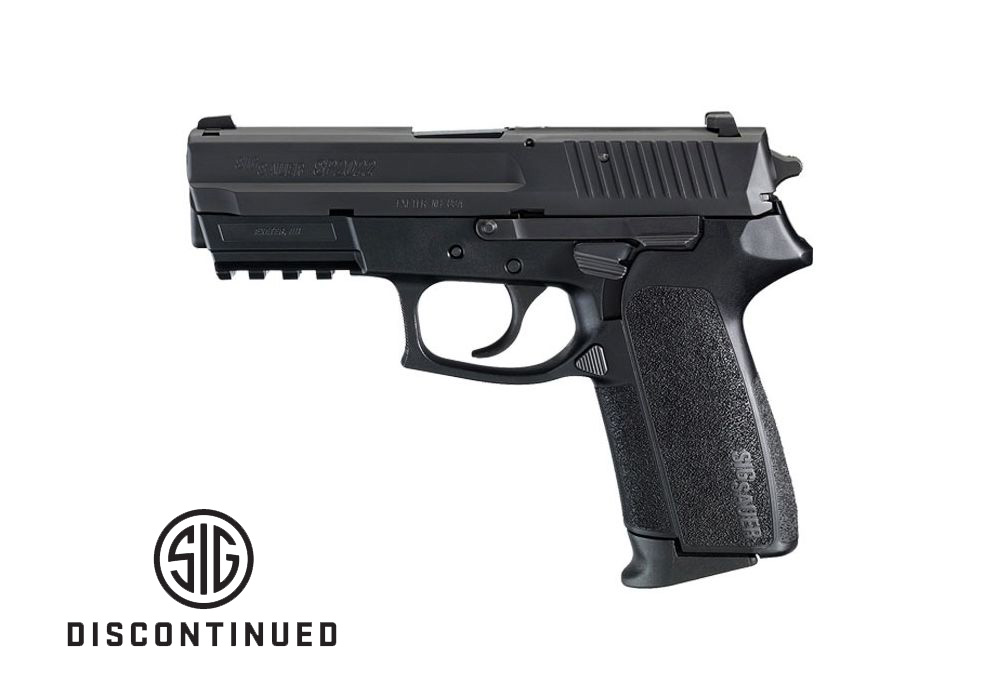
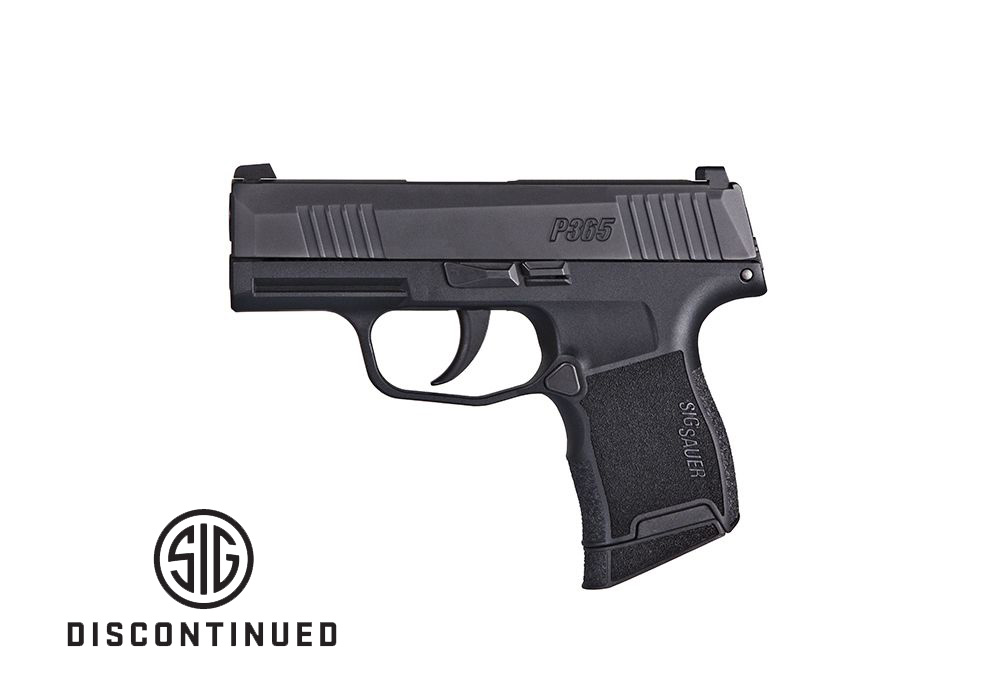
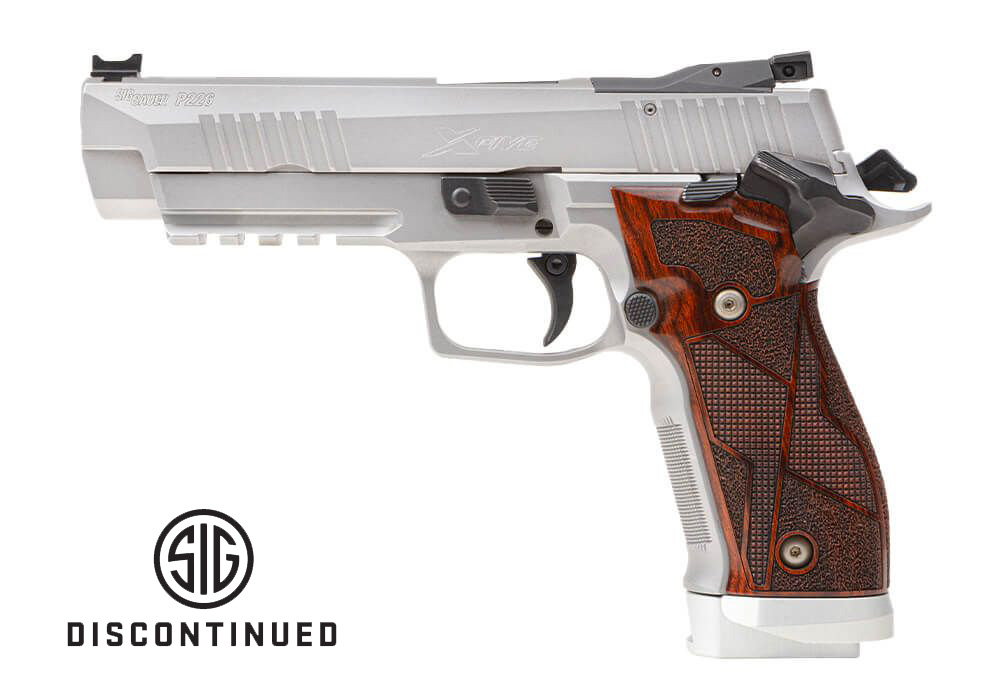
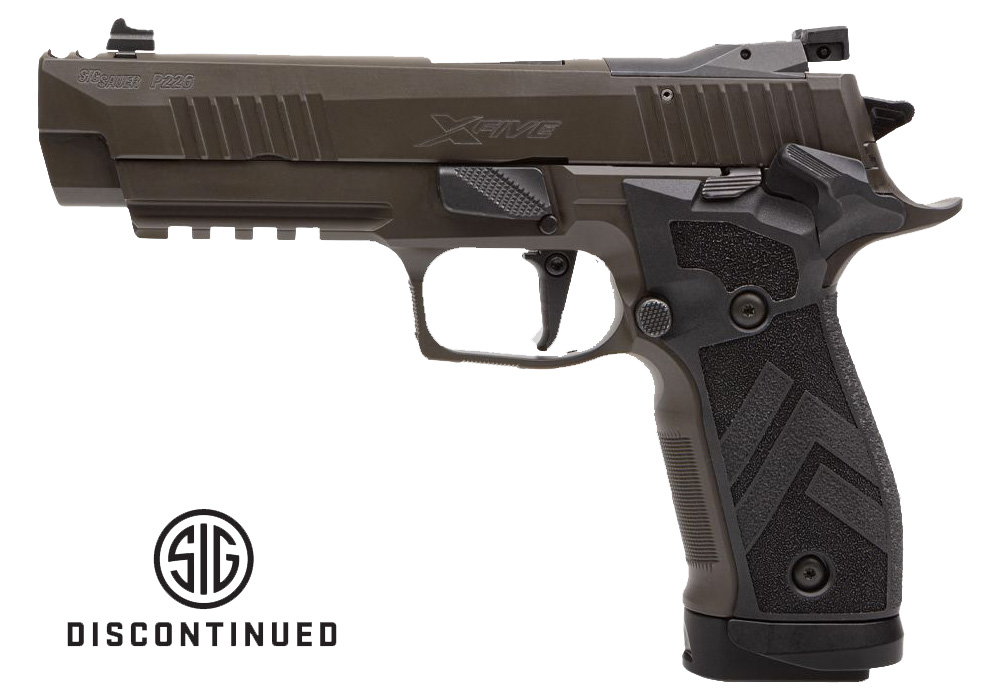
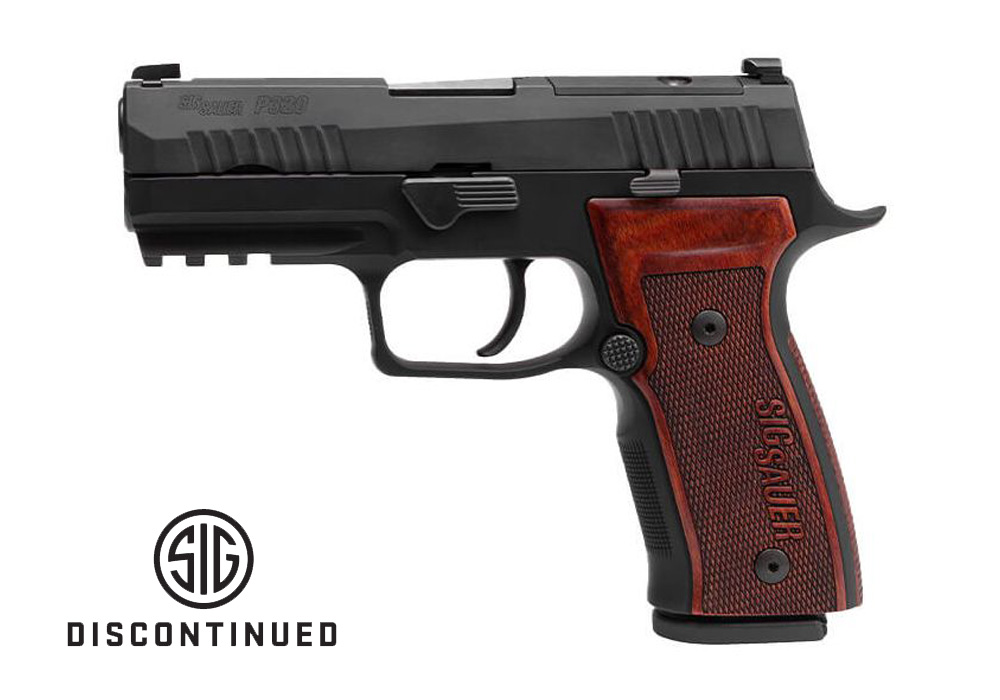
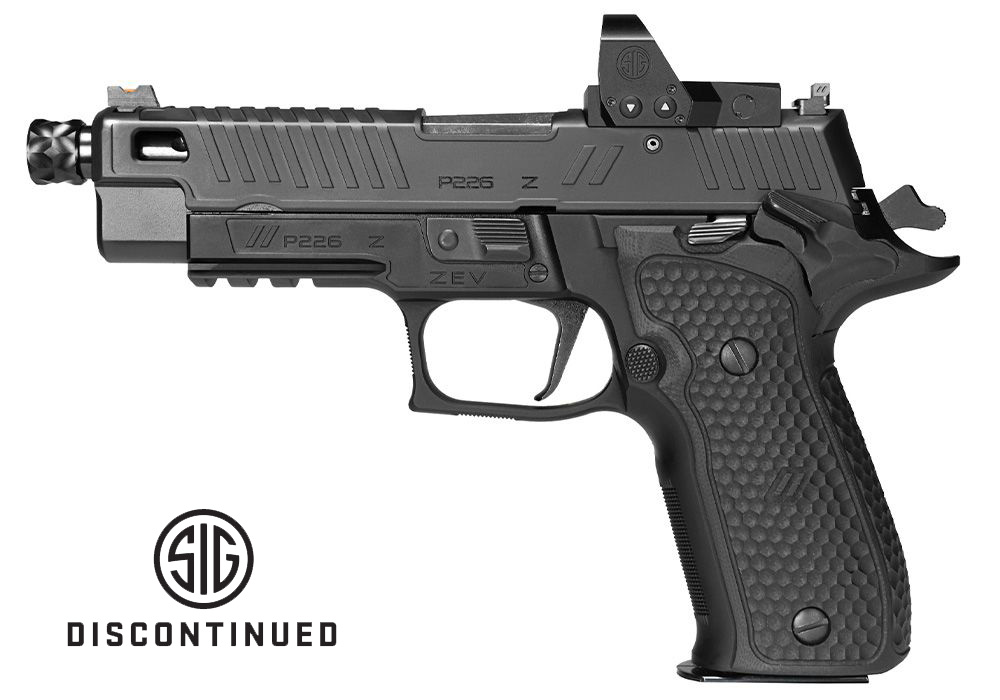
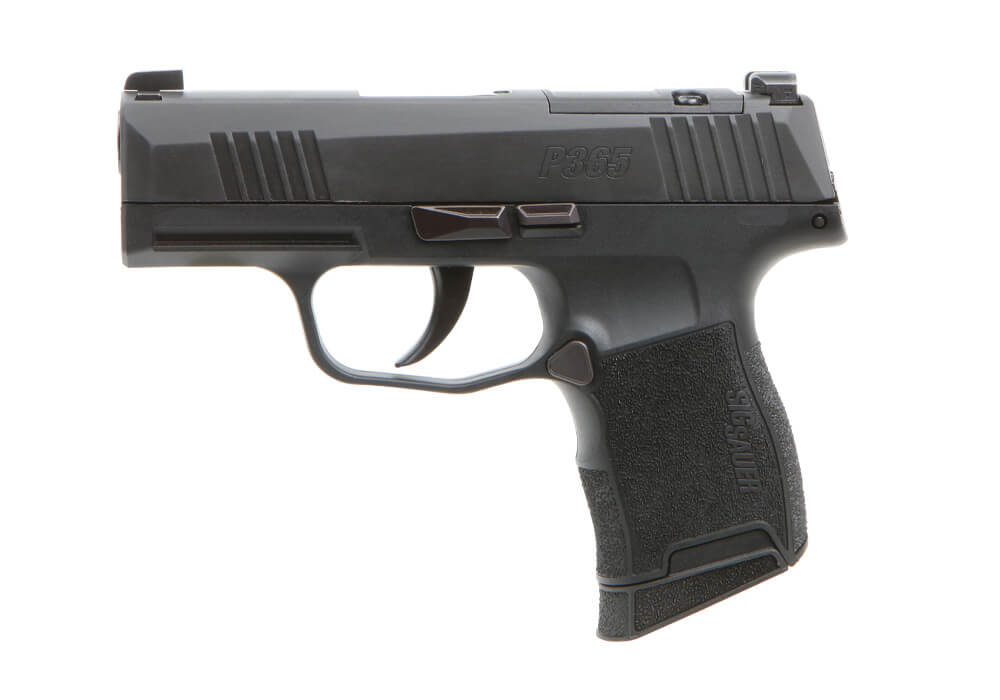
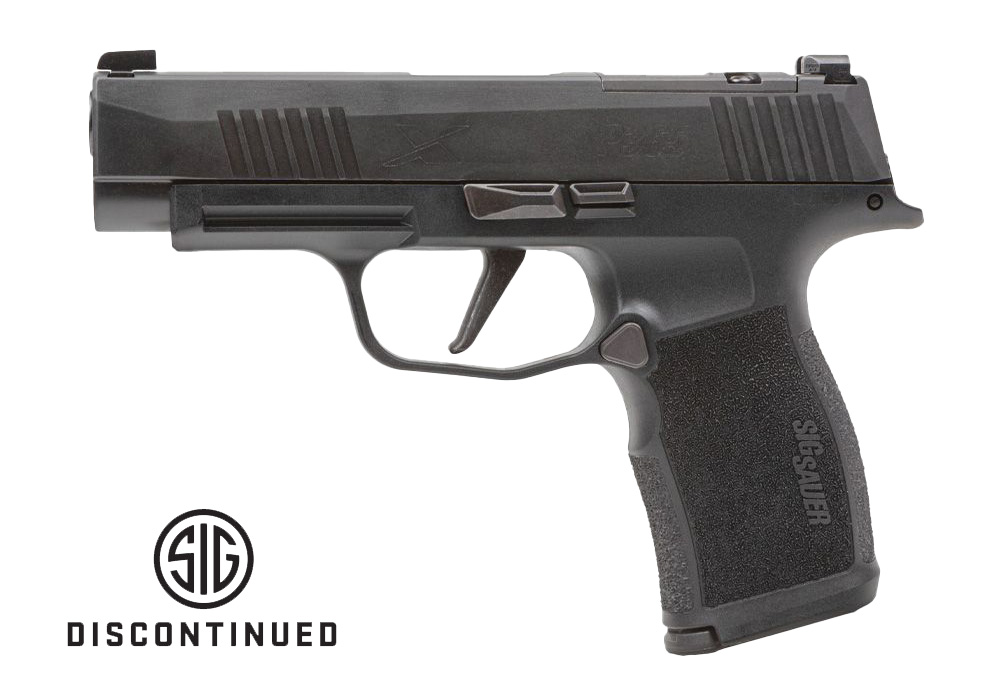
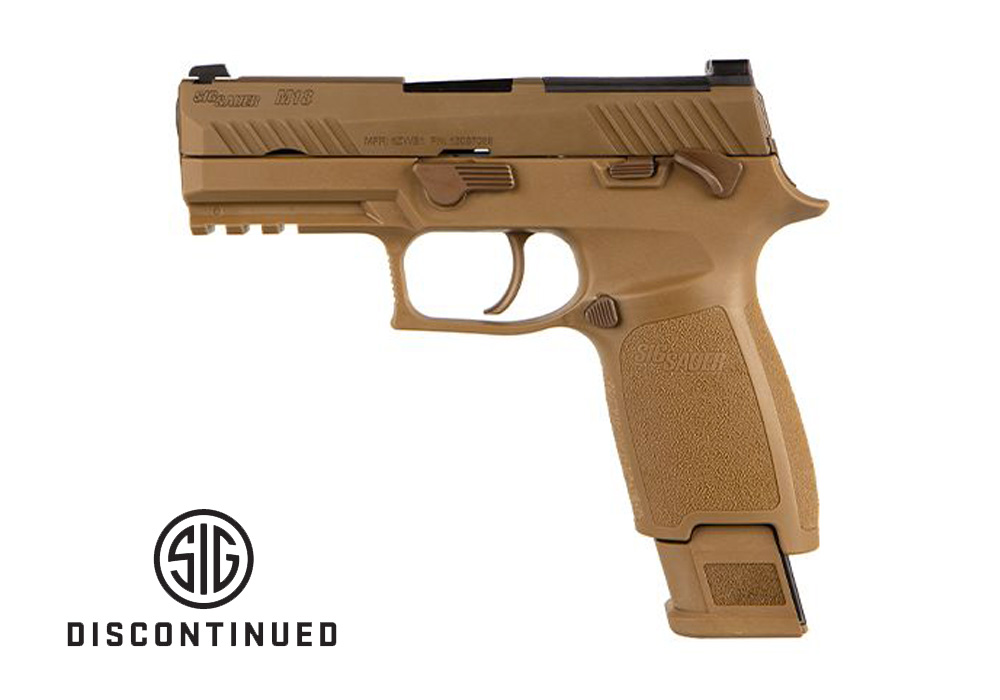
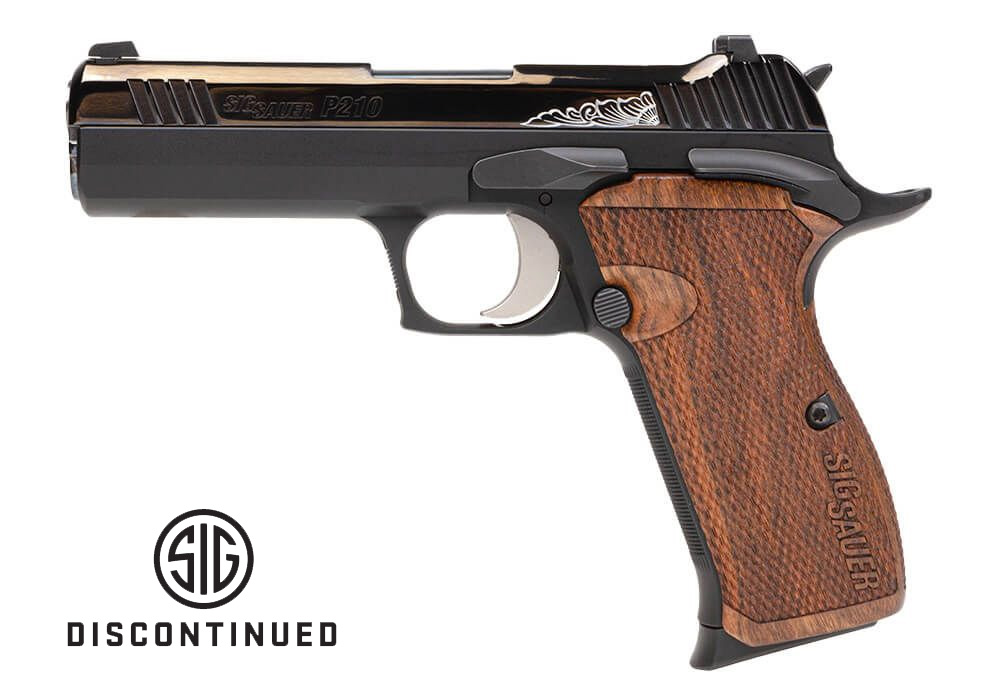
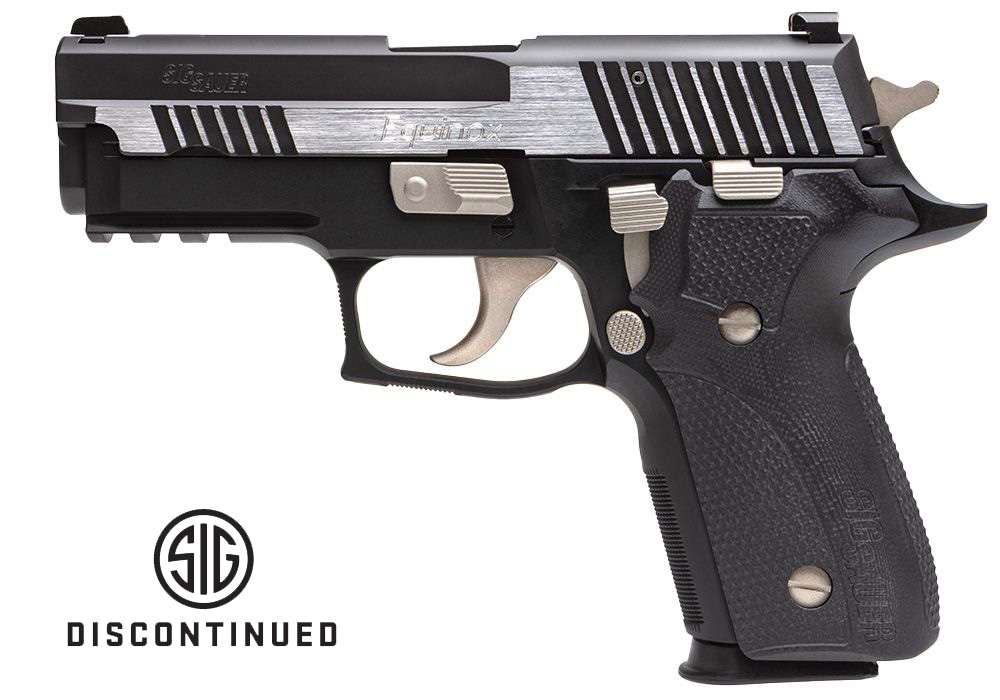
9mm pistols with manual safety pair a widely used handgun chambering with an external control that the shooter deliberately engages or disengages. A manual safety is designed to prevent firing when engaged, according to the firearm’s particular operating system, and offers a distinct control separate from the trigger. It does not replace safe handling, secure storage, or familiarity with the owner’s manual. This category spans small carry-oriented handguns, compact frames with room for a fuller grip, and larger pistols suited to recreational shooting or other lawful purposes. The common feature is the external safety, not a single size, material, or trigger mechanism. Both striker-fired and hammer-fired designs can include a manual safety, and its location, movement, and function vary across platforms. A thumb safety is an external lever; a trigger safety or grip safety operates differently and is not interchangeable with that feature. A decocking control also serves a different purpose, although some designs combine safety and decocking functions in one assembly. These distinctions matter to shoppers who want a familiar control layout or prefer a clearly defined external safety as part of their handling routine. Some shooters arrive at this category after years with a similar system, while others are selecting a first handgun alongside qualified instruction. Neither experience level eliminates the need to understand the exact configuration. Pistols within the same family can differ in whether they include a manual safety, so the specifications for the individual configuration are more useful than assumptions based on its overall appearance. The 9mm designation likewise deserves precision: these pistols commonly use 9mm Luger, also called 9x19mm, but the firearm’s markings and documentation determine the correct ammunition. Across the category, the most meaningful differences are often tangible ones: how the grip rests in the palm, whether the controls are comfortably reachable, and how the pistol’s overall dimensions suit its intended role.
Fit brings those differences into focus. A narrow grip may feel comfortable at first touch, yet front-to-back dimensions, trigger reach, and the shape beneath the trigger guard also influence how naturally a handgun sits in the hand. Grip texture can range from lightly patterned surfaces to more pronounced traction, with different implications for extended range sessions and contact with clothing. A shorter frame takes up less space, but it can leave less room for the fingers; a longer grip generally offers more contact area while increasing overall size. Weight involves a similar tradeoff. A lighter pistol can be less burdensome to carry lawfully, while a heavier frame may feel steadier during recreational shooting. Perceived recoil depends on several factors, including firearm weight, grip fit, ammunition, and the individual shooter, so a smaller 9mm pistol is not automatically the more comfortable choice. Manual safety placement adds another dimension to fit. Lever size, reach, and clearance around the grip can affect comfort, particularly for shoppers with smaller hands or limited hand mobility. Ambidextrous safety levers provide access from either side, whereas a reversible control is configured for one side at a time; those terms describe different arrangements. Left-handed shooters may also value accessible magazine and slide controls, although an ambidextrous safety alone does not mean every control accommodates both hands equally. For shoppers comparing shorter frames, Compact Pistols With Manual Safety narrows the focus to a size category between many full-size and smaller carry-oriented designs, while exact dimensions remain more informative than size labels alone. Sight visibility, usable grip space, and the relationship between slide length and overall weight round out the comparison. A supervised rental session, where permitted, can reveal differences that photographs cannot convey, from a grip edge pressing against the palm to a sight picture that is easier to distinguish. Comfort and familiarity are individual, and neither can be established by a feature list alone.
Materials, construction, and routine care shape the ownership experience well beyond an initial fit assessment. Polymer frames help limit weight and can incorporate molded texture, while aluminum-alloy and steel frames offer different balances of mass and feel. Steel slides and barrels are common across these frame types, with finishes intended to resist wear and corrosion. No finish removes the need for regular attention, and durability depends on the complete design, its condition, and care consistent with the manufacturer’s recommendations rather than one material in isolation. Repeated handling, perspiration, lint, and range residue can affect surfaces and moving parts over time. An accessible owner’s manual, clear maintenance requirements, and appropriate service support are practical considerations for anyone expecting to keep a pistol for years. Cleaning products and lubricants should be suitable for the firearm’s materials and finishes, and inspection or service concerns belong with a qualified professional rather than improvised modifications. Holster fit is equally specific: a suitable holster must match the exact pistol configuration, fully cover the trigger area, retain the firearm securely, and avoid interference with its controls. Changes in sights or other accessories can alter that fit, even when the underlying frame looks similar. Intended use helps place these details in context. A recreational shooter may prioritize a comfortable full grip and easy-to-see sights for supervised range visits. Someone considering lawful concealed carry may give greater attention to dimensions, weight, and compatible retention equipment. A household considering a firearm for lawful personal protection also needs a secure storage plan that prevents unauthorized access, especially where children or visitors may be present. An engaged manual safety is not a storage solution or a substitute for keeping the firearm pointed in a safe direction and the finger outside the trigger guard until ready to fire. Responsible ownership brings the mechanical features together with training, maintenance, and compliance with applicable laws. Within that framework, 9mm pistols with manual safety offer a range of sizes and construction choices for shoppers who specifically want an external safety control, with the strongest fit resting on verified specifications and thoughtful attention to the person who will use it.