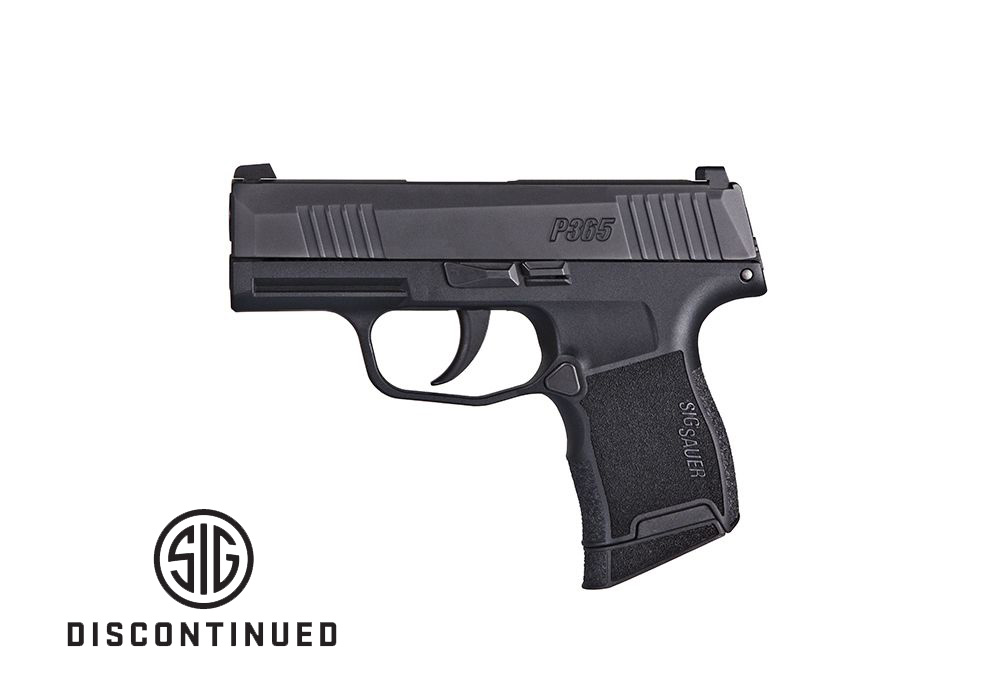
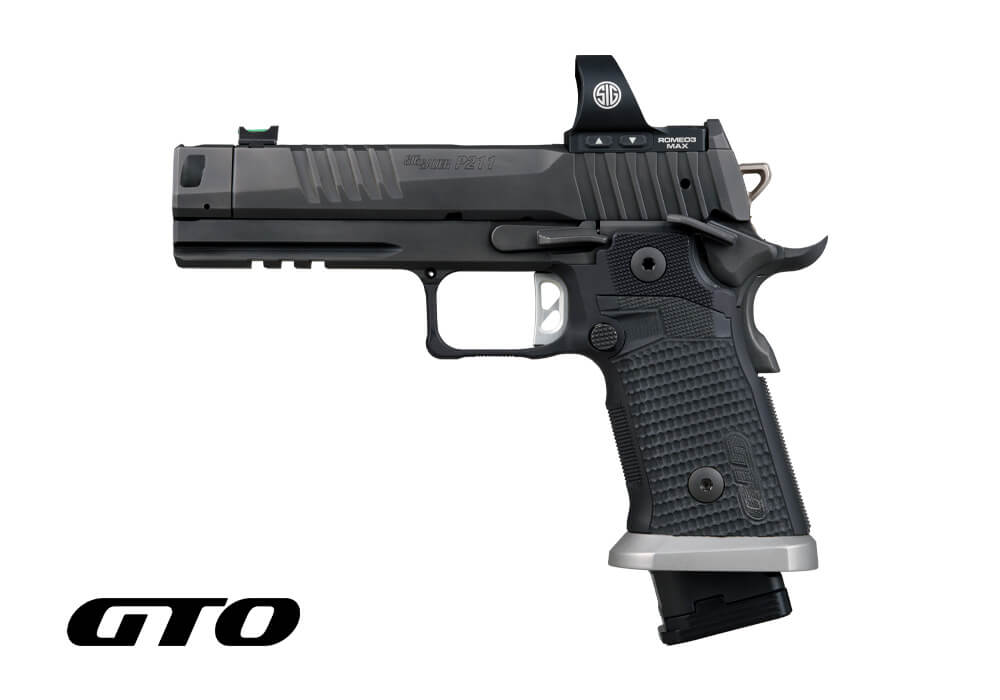
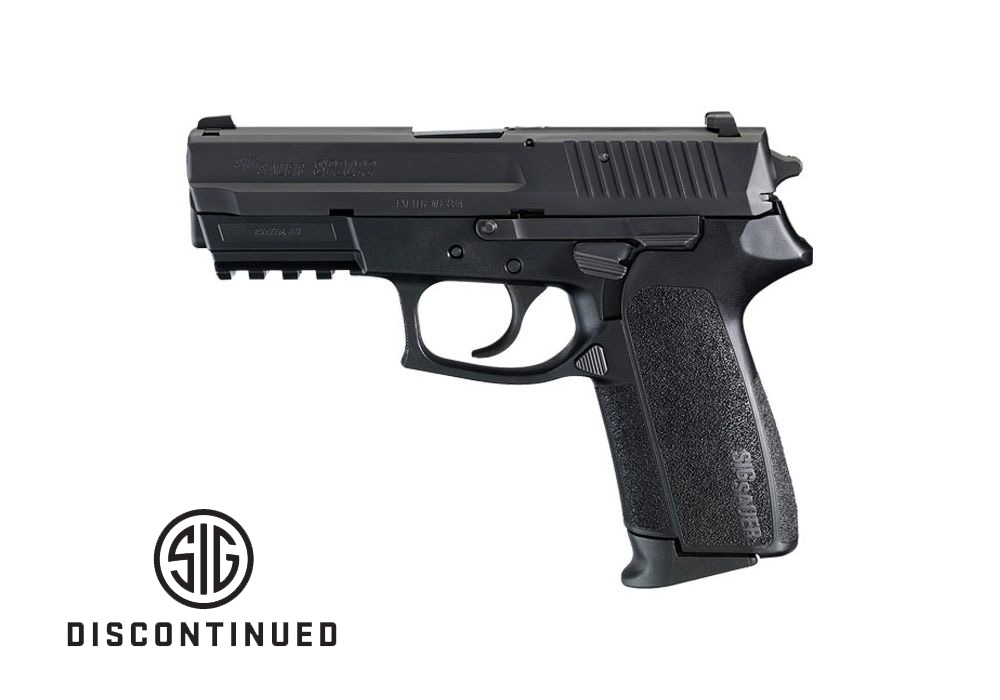
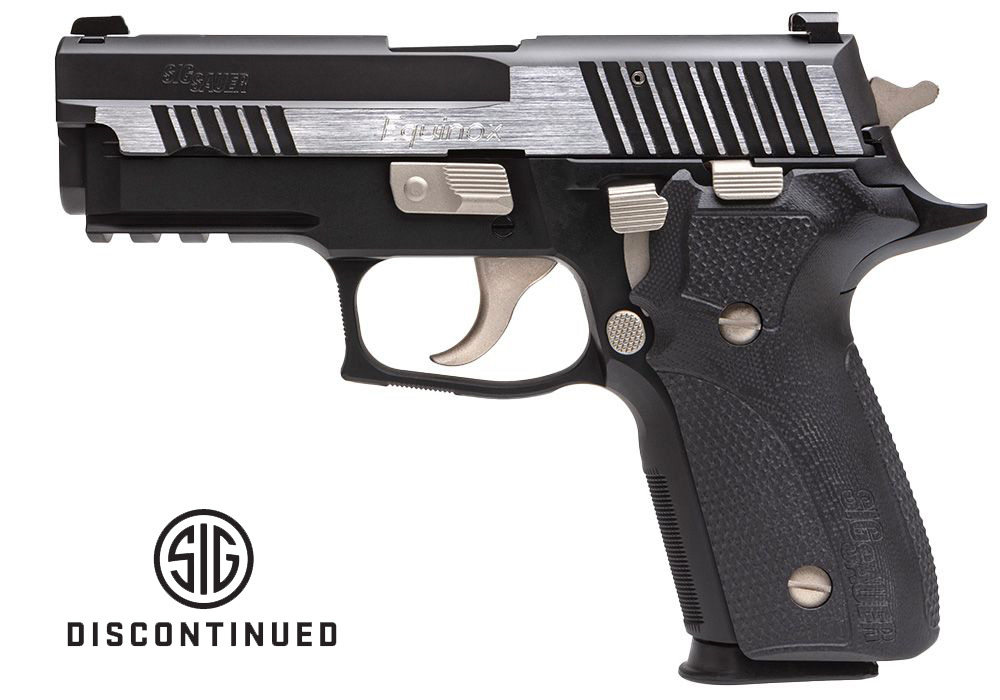
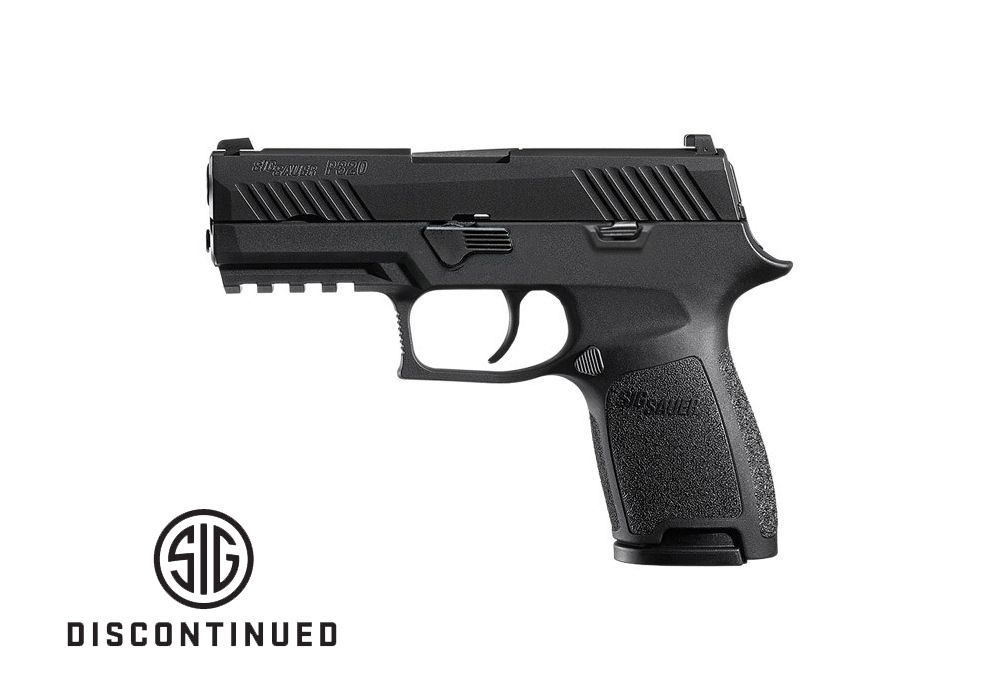
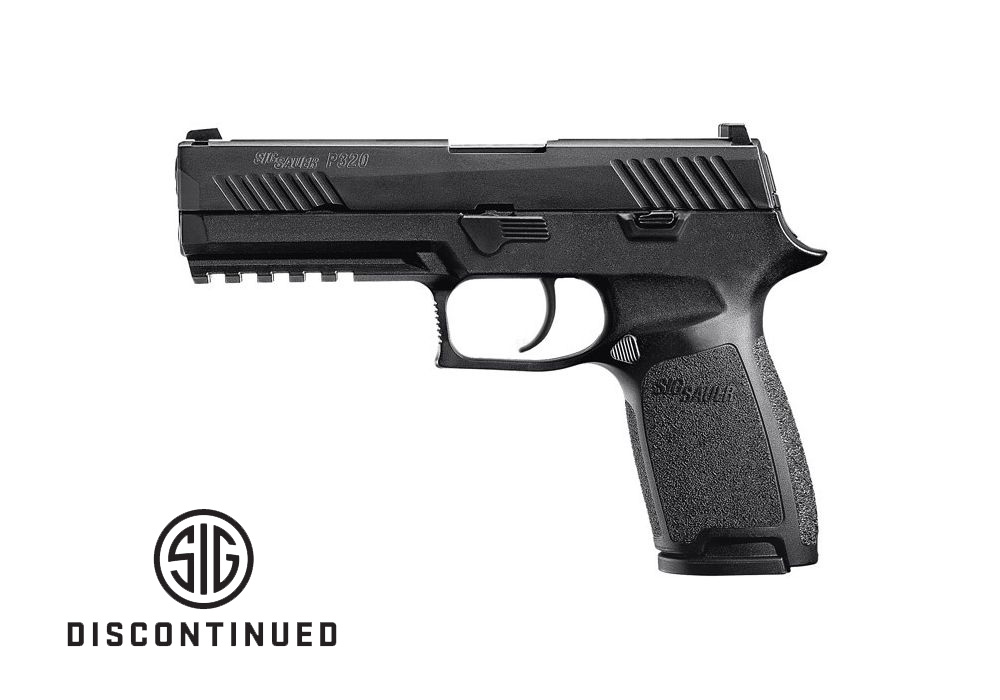
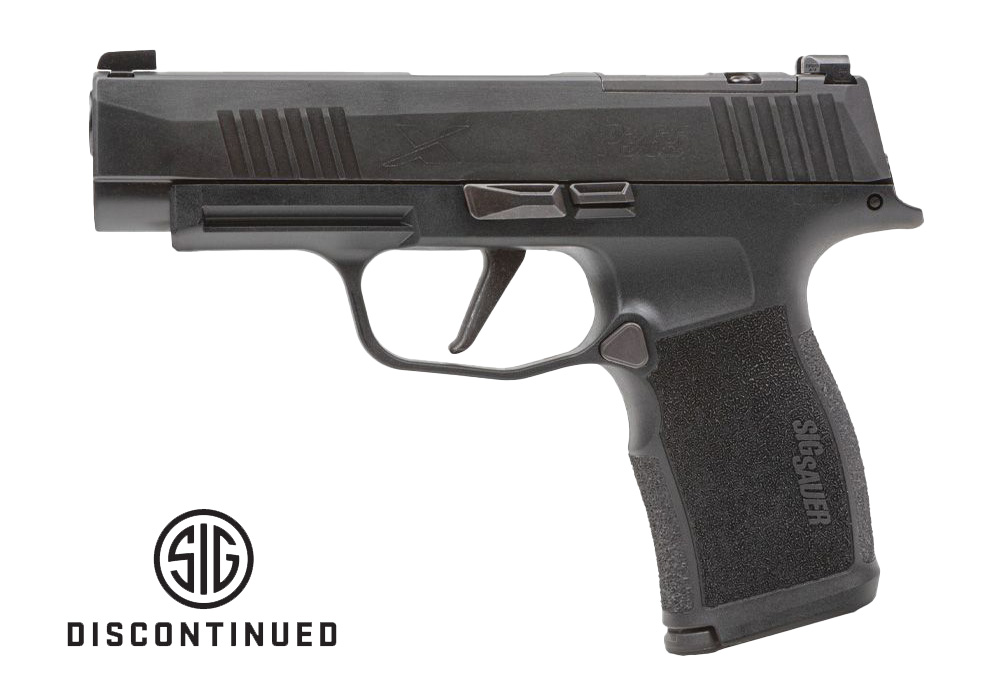
9mm pistols with integrated safety features offer a thoughtful balance of familiar handling, practical size, and additional controls designed to help reduce the likelihood of an unintentional discharge. Depending on the design, those features may include an internal firing-pin block, a trigger safety, a manual thumb safety, a loaded chamber indicator, or a grip safety. A trigger safety is typically a small lever incorporated into the trigger shoe; it helps prevent the trigger from moving unless it is deliberately pressed in a straight, controlled motion. An internal safety may block the firing mechanism until the trigger is fully engaged, while a loaded chamber indicator can provide a visual or tactile signal that a cartridge is present. Some pistols combine these systems with a user-operated manual safety that can be engaged when the pistol is holstered, stored, or handled outside of a firing position. These details can make a meaningful difference for new owners, experienced shooters refining their setup, and anyone choosing a 9mm pistol for responsible home protection, range practice, or lawful concealed carry. The best choice is usually the one whose controls are easy to identify, operate consistently, and verify without taking attention away from safe muzzle direction and trigger discipline. Before selecting a model, consider whether the safety arrangement is intuitive under stress, whether the slide and controls are comfortable to manipulate, and whether the grip fits the shooter’s hand securely. A compact pistol may be convenient for carry, while a slightly larger frame can offer a longer sight radius, a more substantial grip, and easier recoil management during extended practice sessions. Standard and extended capacity magazine options can also affect grip length, concealment, and overall balance, so it is worth comparing how each configuration feels in a proper shooting stance.
When evaluating products in this category, pay close attention to the complete operating system rather than focusing on one feature in isolation. A manual safety can provide an additional layer of control, but it must be disengaged deliberately before firing and re-engaged according to the owner’s established handling routine. A trigger safety can help guard against lateral or incidental trigger movement, but it does not replace keeping the trigger finger indexed along the frame until the sights are on the intended target. A loaded chamber indicator is useful for confirmation, yet every pistol should still be treated as loaded until the owner personally checks it in a safe direction. Ergonomics matter just as much: controls should be reachable without shifting the firing grip excessively, sights should be easy to acquire in changing light, and the trigger should feel predictable from one shot to the next. Buyers may also want to consider ambidextrous controls, interchangeable grip components, accessory compatibility, maintenance requirements, and the availability of training resources. For a first-time owner, a safety-equipped 9mm pistol can be an appropriate introduction when paired with professional instruction and regular practice. For an experienced shooter, it may provide a familiar platform for routine range work or a carefully selected carry setup. Firearms can also be meaningful gifts for a qualified adult who has expressed a clear interest in responsible ownership, but the recipient should be involved in the selection process whenever possible. Transfers must follow all applicable federal, state, and local laws, and the recipient should have secure storage, appropriate instruction, and a realistic plan for safe handling before taking possession. A gift card, training session, or secure storage solution may be a better choice when the recipient’s preferences or legal eligibility are not fully known.
Safe ownership continues long after purchase. Every new owner should read the manufacturer’s manual, learn the exact operation of the chosen safety system, and practice checking the chamber, magazine, and operating controls without ammunition before live-fire training. A qualified instructor can help establish habits that remain reliable during ordinary handling, range sessions, and unexpected situations: keep the muzzle pointed in a safe direction, keep the trigger finger outside the trigger guard until ready to fire, keep the pistol unloaded when it is not being used, and be certain of the target and what lies beyond it. Secure storage is especially important in homes with children, visitors, or anyone who should not have access to the firearm. A locked container, dedicated quick-access safe, or other approved storage method can help prevent unauthorized handling while still supporting a responsible home-protection plan. During the cooler months, clothing layers can also affect how a compact pistol is carried, accessed, and secured, making it important to confirm that a holster fully covers the trigger guard and that garments do not interfere with the controls. Routine practice should include drawing only under controlled instruction, operating the manual safety if present, recognizing the loaded chamber indicator, and returning the pistol to its holster or storage location carefully. Ammunition selection should follow the owner’s manual, and range testing can help confirm reliable function with the chosen load, magazines, and accessories. Those comparing safety-equipped 9mm pistols may also find value in reviewing related options such as 10Mm Pistols With Safety Features, particularly when evaluating differences in size, recoil, intended use, and control layout. With an appropriate fit, clear operating characteristics, lawful ownership, and consistent training, a 9mm pistol with integrated safety features can become a dependable part of a careful, disciplined approach to firearm ownership.