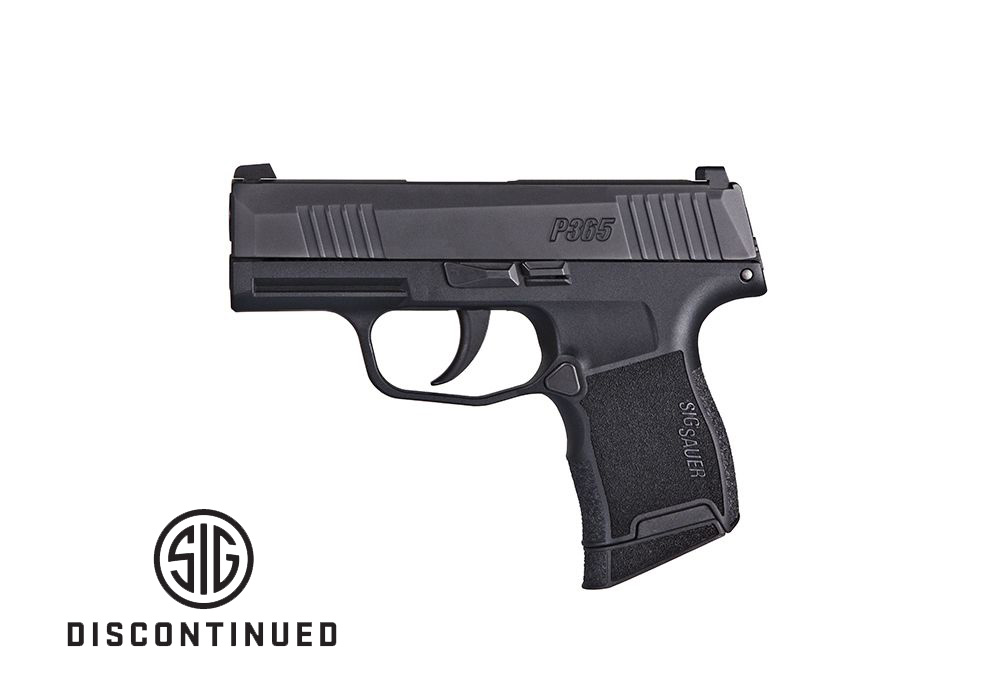
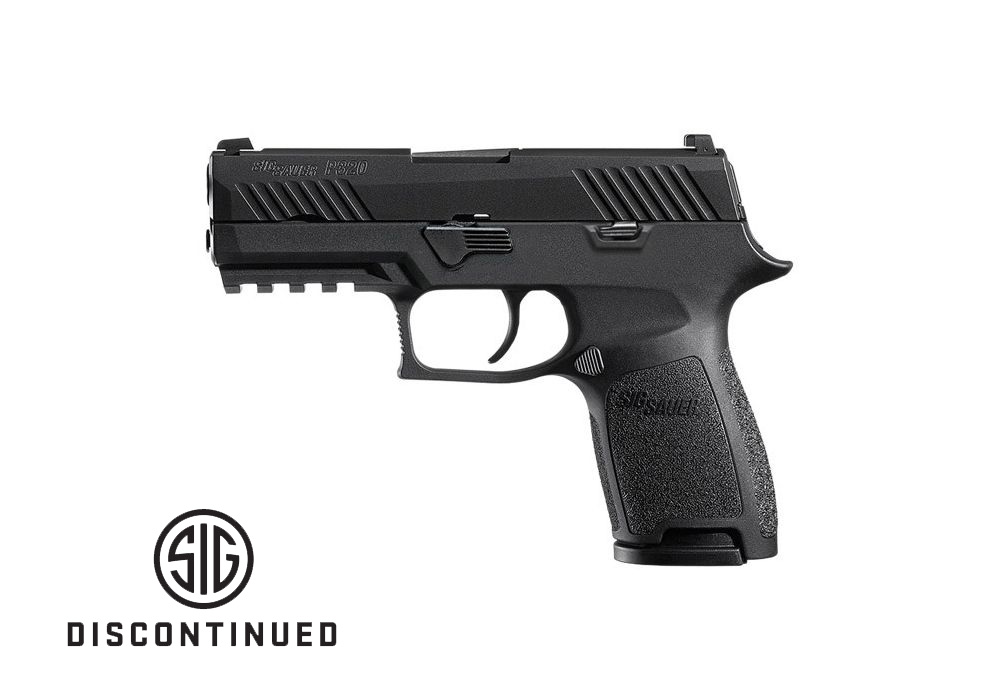
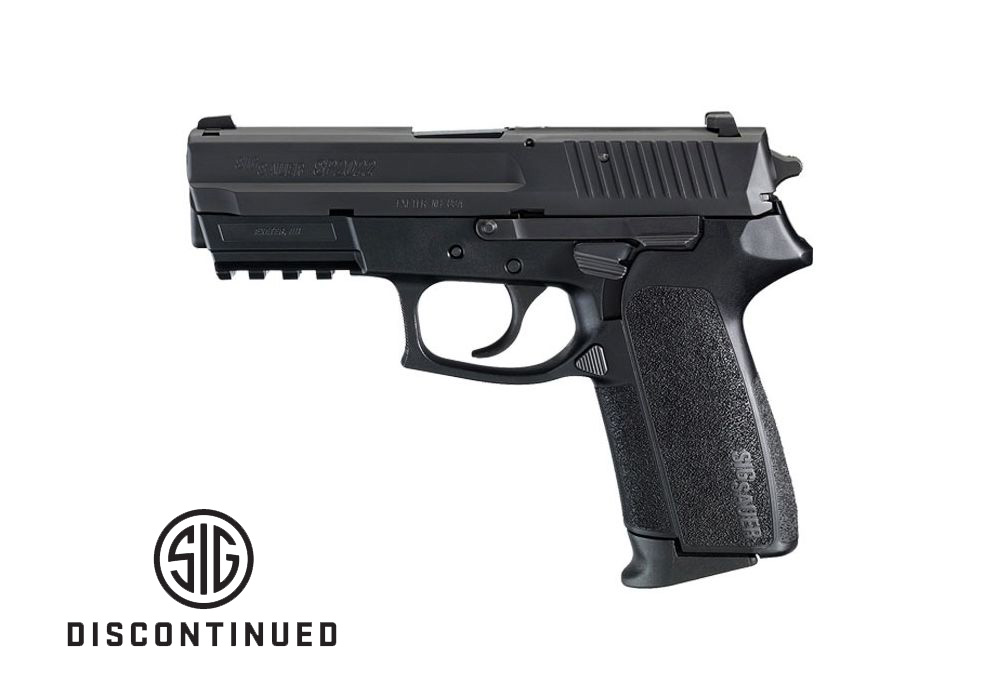
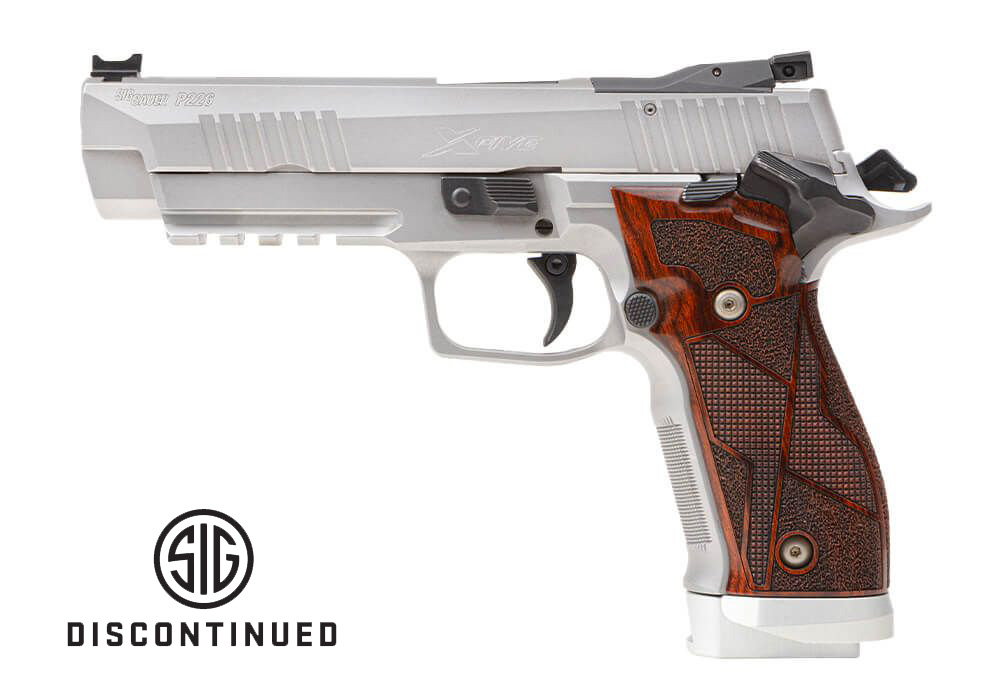
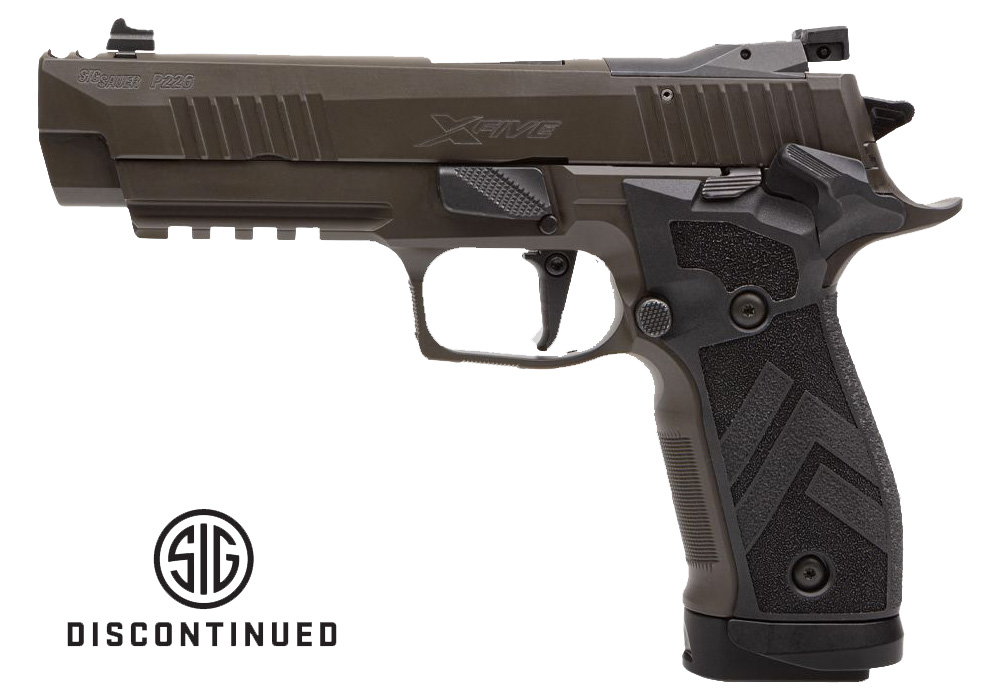
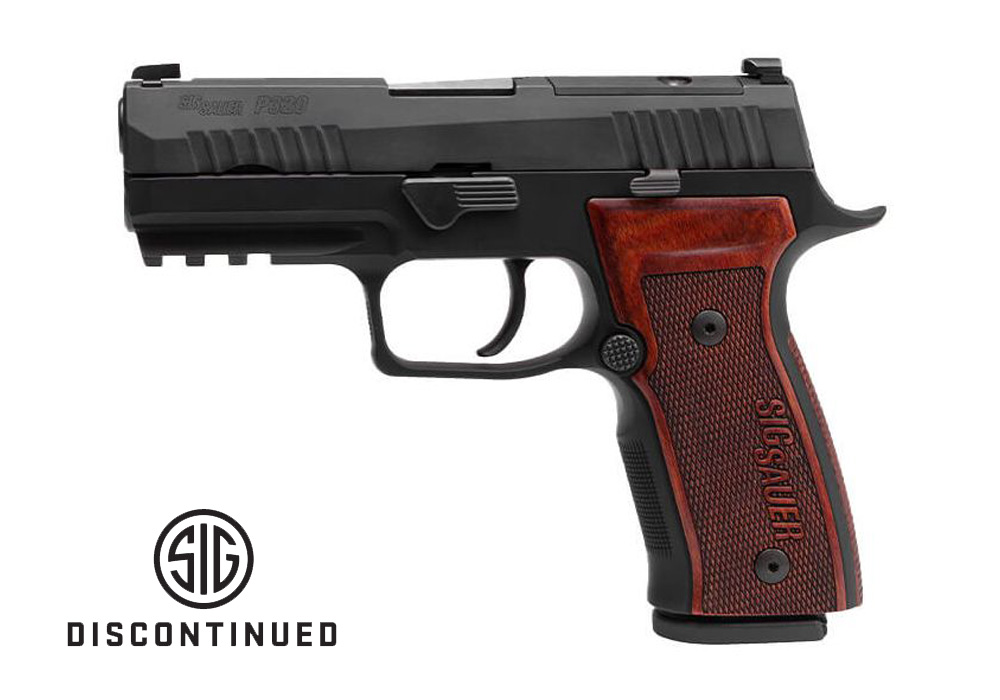
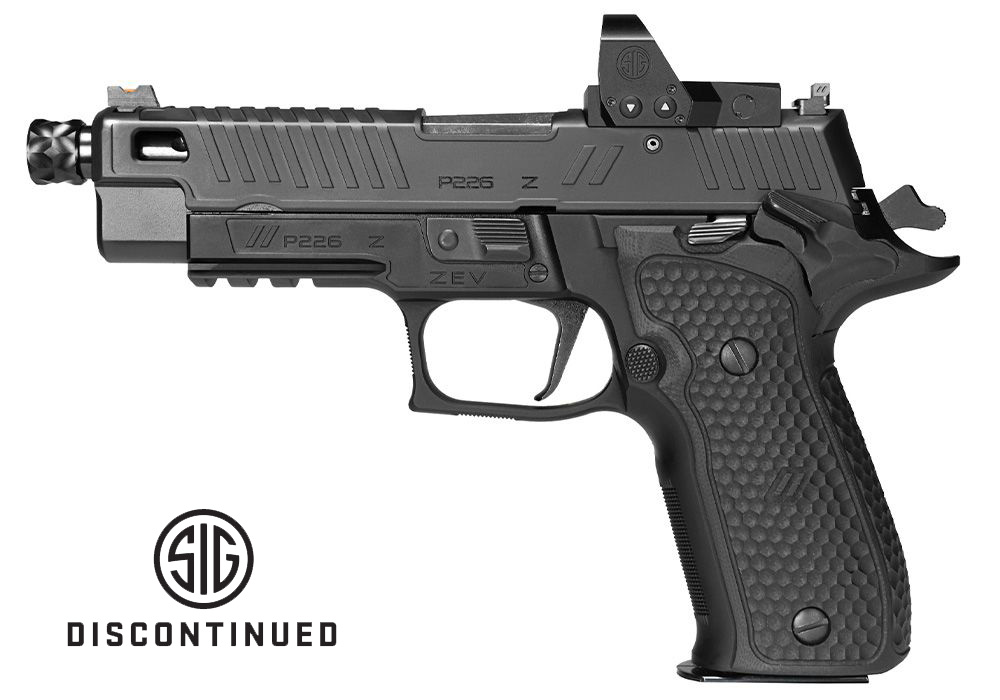
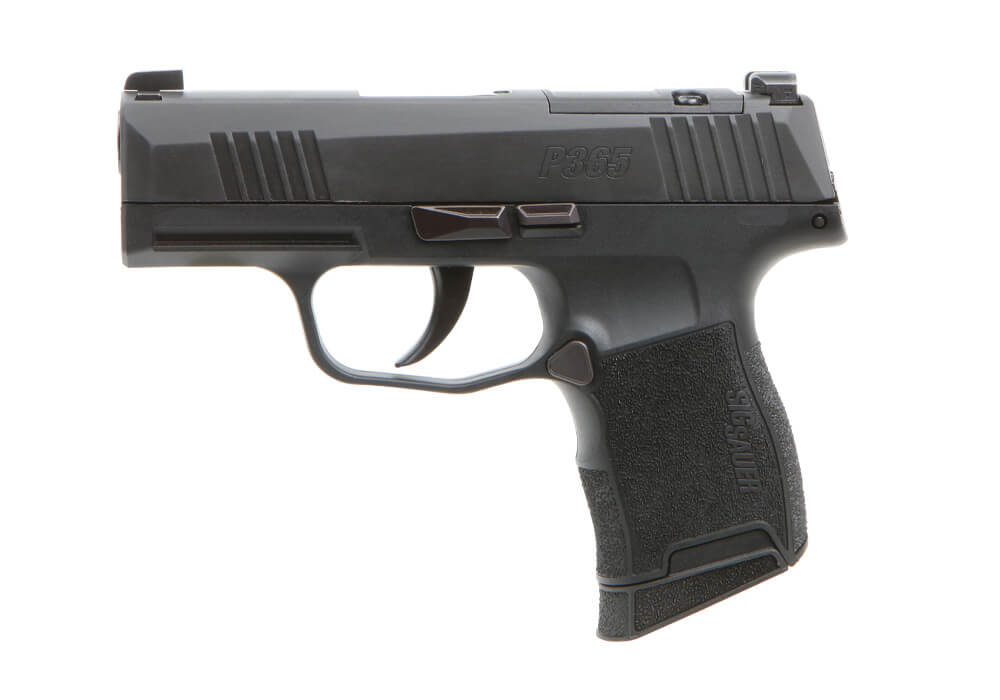
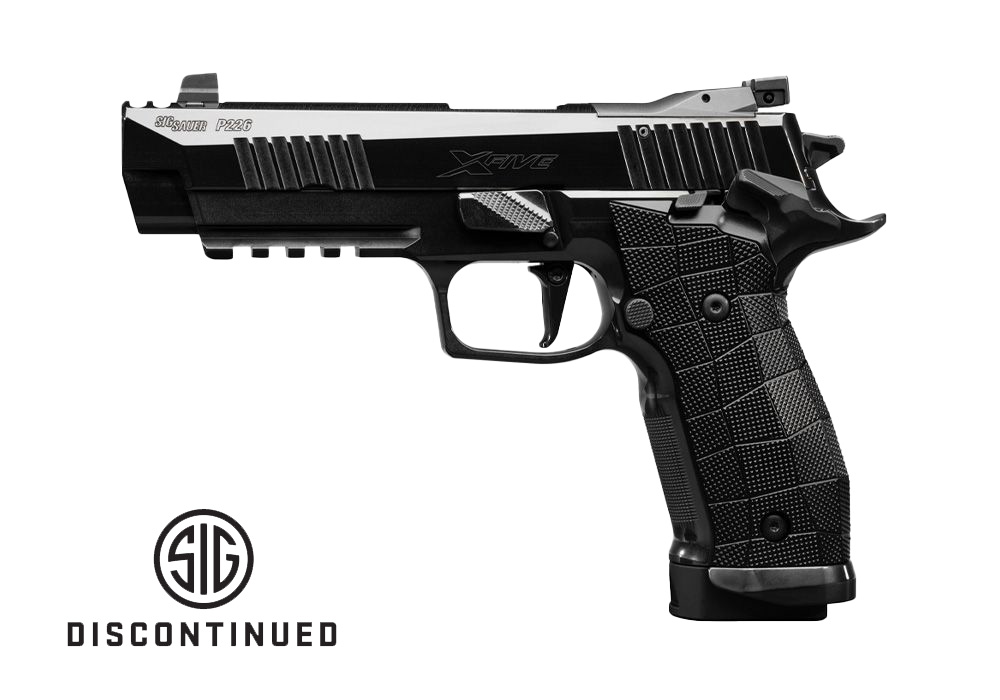
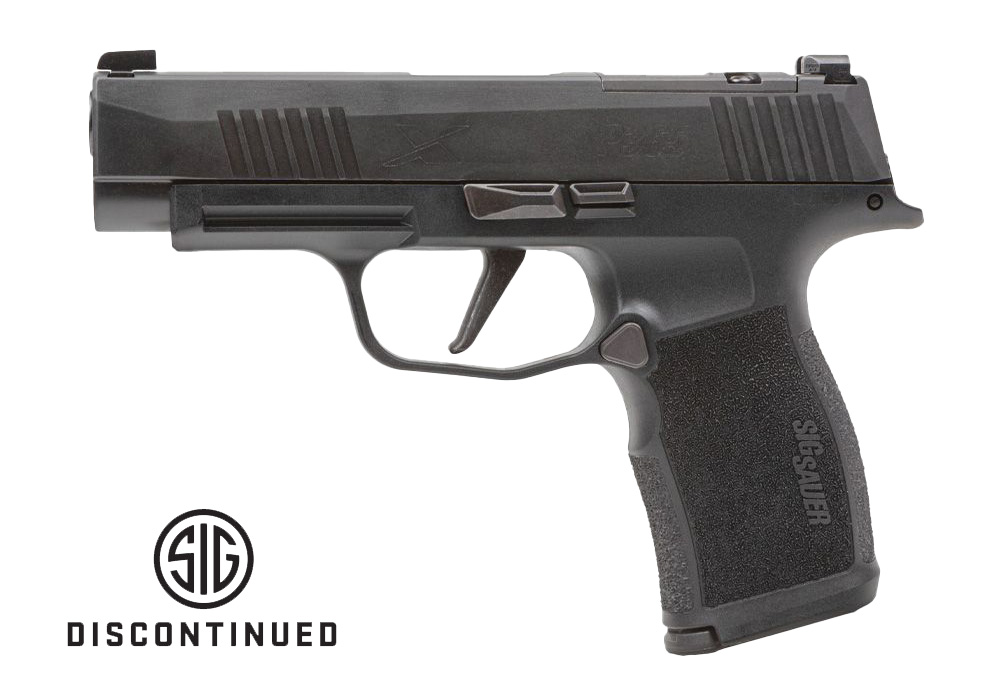
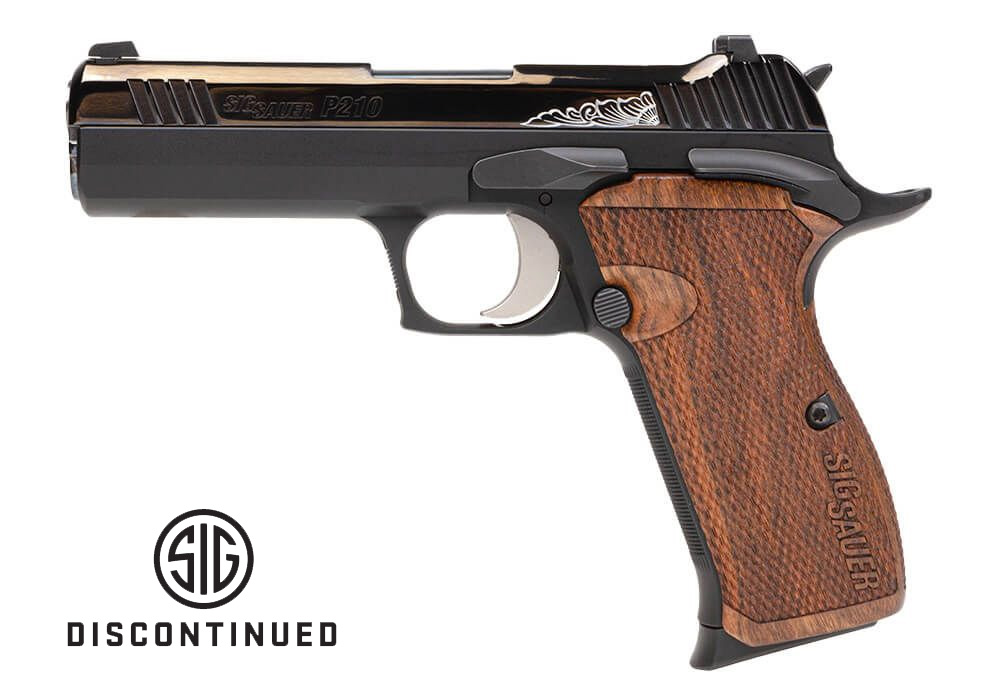
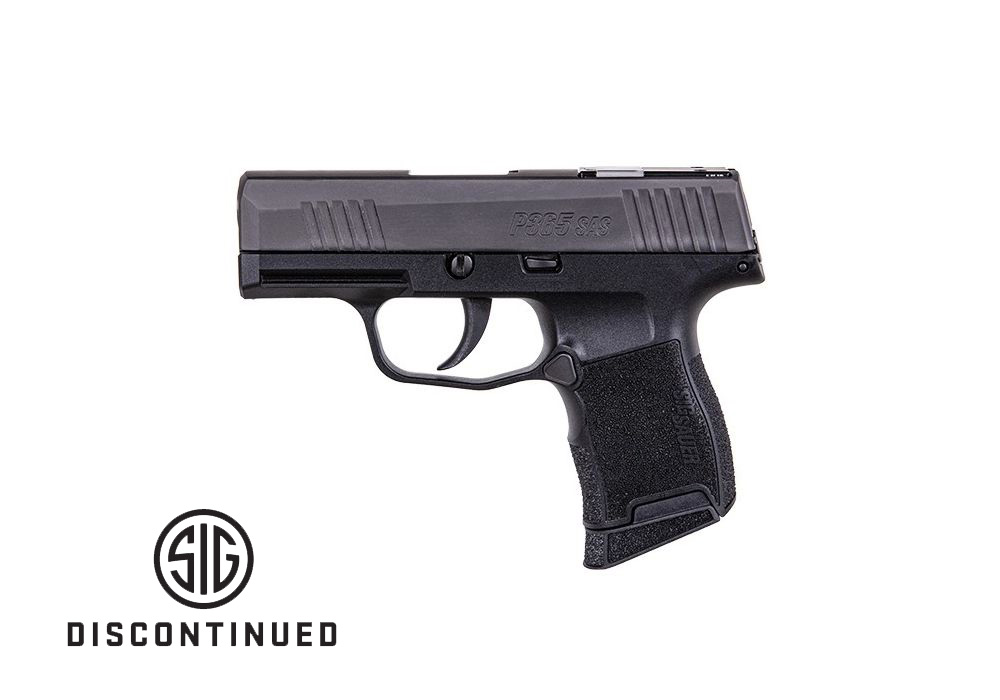
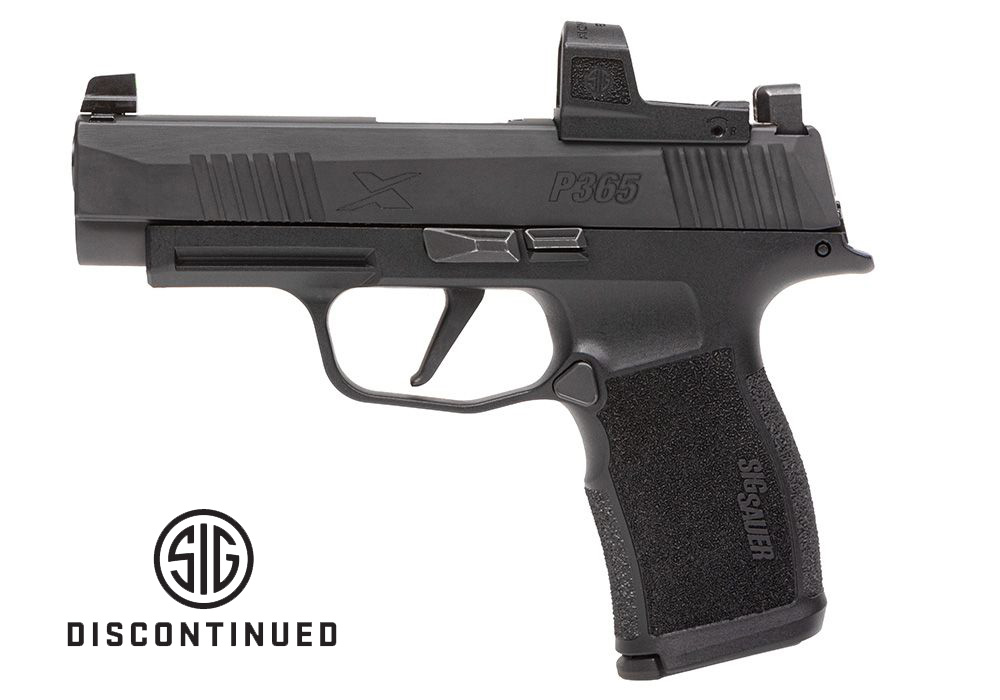
9mm pistols with manual safety options pair a widely used handgun cartridge with an external control that the user deliberately engages or disengages. A manual safety is distinct from passive safety mechanisms, which function automatically as part of the pistol’s design. Depending on the operating system, a manual safety may block movement of certain firing components or otherwise prevent the firing mechanism from operating when engaged. Its function is specific to the firearm, so the manufacturer’s owner’s manual remains the authority on how that control works. This category can include micro-compact, compact, and full-size pistols suited to lawful concealed carry, recreational shooting, formal instruction, and home protection. The defining feature is a user-operated safety, not a particular frame size or firing system: both striker-fired and hammer-fired designs can incorporate one. An external lever appeals to some owners who prefer a deliberate mechanical control alongside established handling habits, particularly those already familiar with a similar handgun layout. It does not replace keeping the muzzle pointed in a safe direction, keeping fingers outside the trigger guard until ready to fire, or securing the firearm against unauthorized access. Nor does its position establish whether the chamber is empty. Control placement, lever shape, and the relationship between the safety and the grip all contribute to how naturally a pistol fits its owner. Some designs have a control on one side, while others provide access from both sides; neither arrangement should be assumed without checking the listed specifications. A safety lever and a decocking lever also serve different functions, even when their locations look similar. For shoppers comparing broader safety architectures, 9mm Pistols With Integrated Safety Features provides a related category to explore. The useful distinction is between a control the owner operates intentionally and mechanisms that work within the firearm, with the exact combination varying by design.
Fit is often the difference between a pistol that looks suitable on a specification sheet and one that feels manageable during supervised practice. Grip circumference, front-to-back depth, trigger reach, and the position of the manual safety deserve consideration together. A narrow grip may suit a smaller hand, but the thumb must also reach the safety without an awkward shift, and the trigger finger needs comfortable placement without stretching. Palm swells, interchangeable backstraps, and grip texture can influence that relationship where those features are present. Texture should provide a secure hold without becoming abrasive against the hand or clothing during lawful carry. A short grip reduces the overall profile, while a longer grip generally offers more room for the support of the entire hand. Likewise, a lighter pistol can be easier to carry, but its weight and dimensions may produce a different recoil feel than a larger handgun chambered for the same cartridge. These are practical tradeoffs rather than a universal ranking of small or large pistols. A person attending regular range sessions may value a generous gripping surface and clearly visible sights; someone seeking a discreet carry profile may give greater weight to overall width, grip length, and suitable holster fit. Materials also influence everyday ownership. Polymer frames can reduce weight and resist corrosion, while metal frames offer different weight and balance characteristics. Steel slides and barrels still require appropriate maintenance regardless of the frame material, and protective finishes do not eliminate the need for care. Close-fitting controls, comfortable edges, and consistent surface treatment matter over repeated handling and cleaning. Sight visibility should suit the owner’s vision and the intended setting, while any optic-mounting provision needs to match the relevant equipment specifications. Holster compatibility is equally specific: a holster should match the pistol’s exact configuration, provide appropriate retention, and fully cover the trigger guard without interfering with the safety. A manual safety alone does not make a poorly fitting holster suitable.
Long-term satisfaction with a 9mm pistol with a manual safety depends on consistent handling habits, routine care, and a realistic view of how the firearm will be used. Familiarity with a different handgun is useful background, but it does not establish how another safety operates. Lever direction, engagement requirements, and compatibility with different action positions can vary, making model-specific documentation and qualified instruction important parts of ownership. For a newer shooter, a supervised introductory class offers an opportunity to understand the controls and establish safe habits before deciding which layout feels most appropriate. An experienced owner moving between platforms may likewise benefit from instruction that addresses differences rather than assuming all thumb safeties behave alike. At the range, permitted ammunition must match the chamber marking and the manufacturer’s recommendations; sharing a nominal caliber does not mean every ammunition loading is approved for every pistol. Maintenance should follow the prescribed inspection, cleaning, and lubrication schedule, with the firearm unloaded and ammunition separated from the cleaning area. After routine range use, attention to residue, moisture, and visible wear helps preserve function and finish. More lubricant is not necessarily better, and cleaners need to be compatible with the firearm’s metals, polymers, coatings, and any attached equipment. A safety that feels different, fails to engage as described, or shows damage warrants evaluation by the manufacturer or a qualified gunsmith rather than an improvised adjustment. Durable construction is valuable, but no material or finish removes the need for periodic inspection. Secure storage is another essential consideration, whether the pistol serves primarily for practice, lawful carry, or home protection. A locked storage solution should prevent unauthorized access, with ammunition secured as appropriate to applicable law and household circumstances. The strongest match within this category brings together manageable dimensions, accessible controls, suitable materials, and an owner willing to maintain both the firearm and the skills needed to handle it responsibly. A manual safety is one element of that complete ownership picture, not a substitute for it.