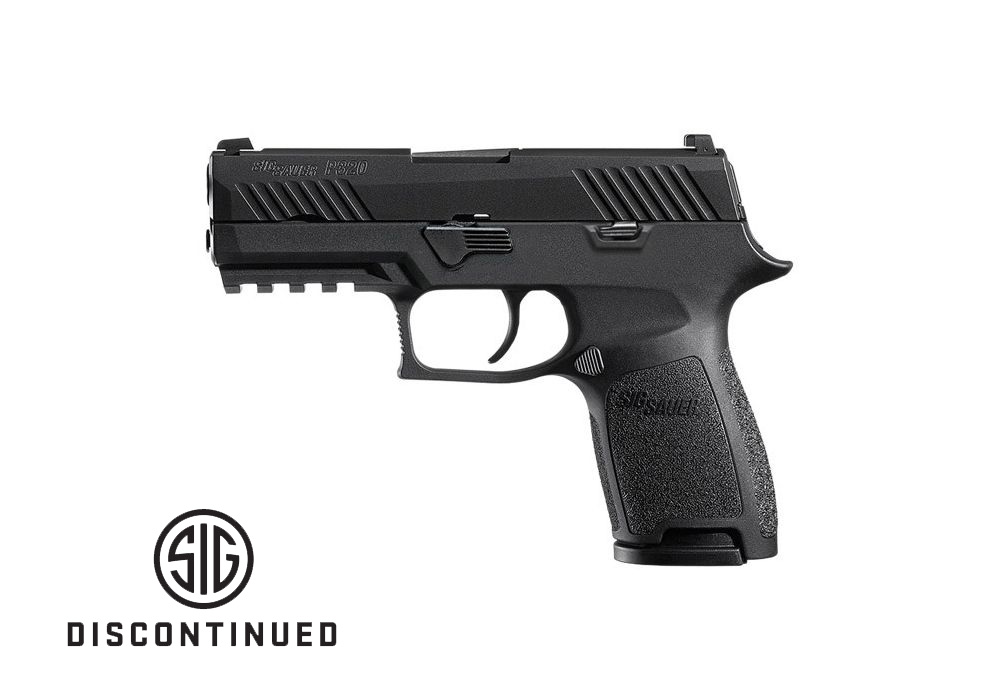
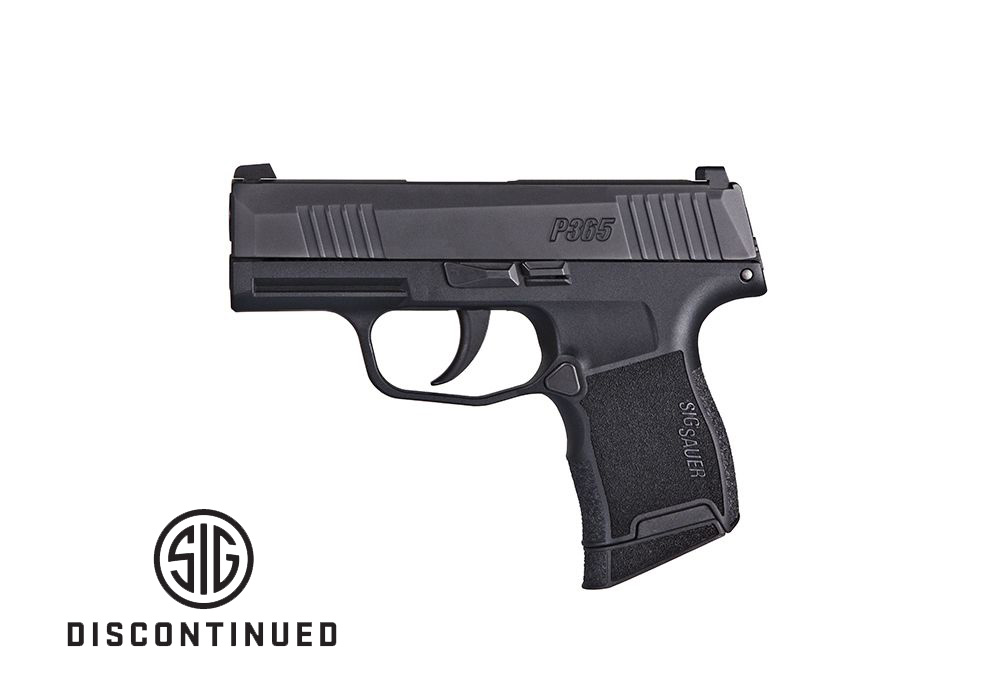
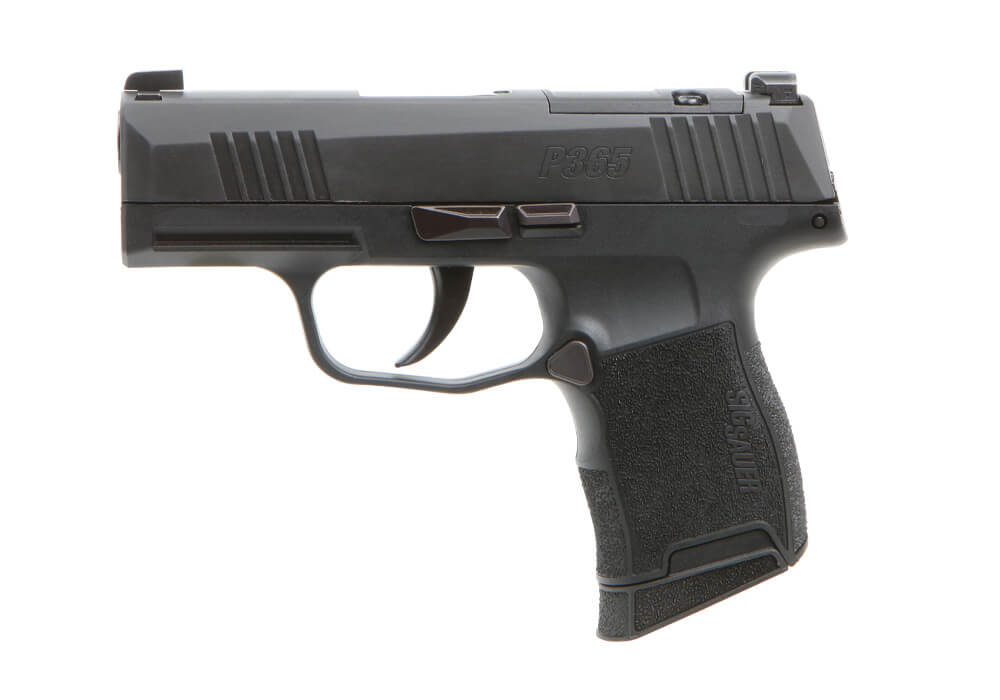
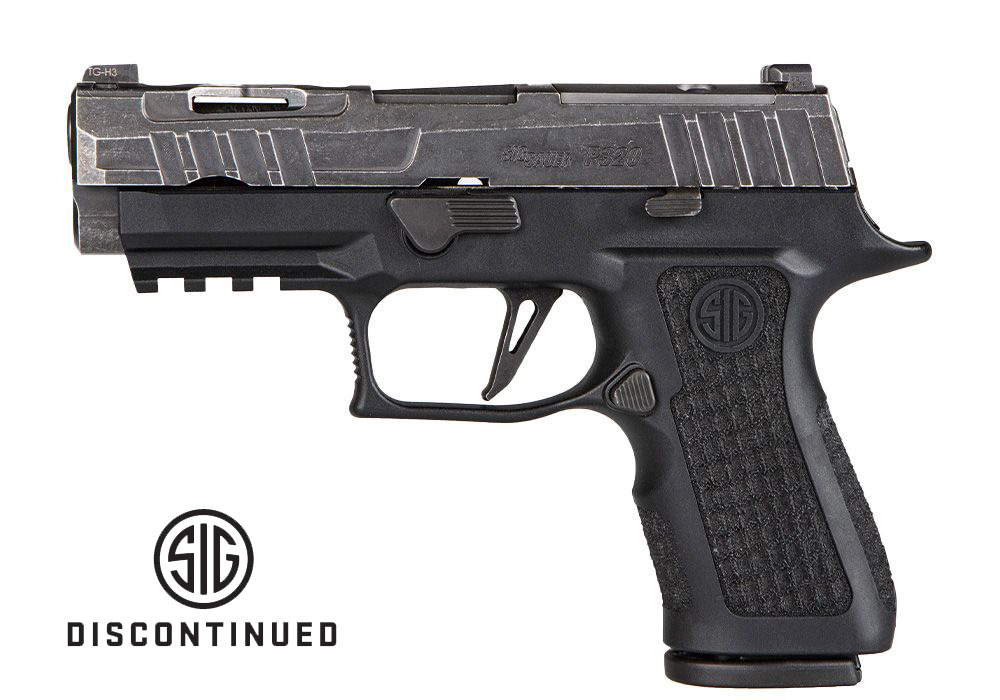
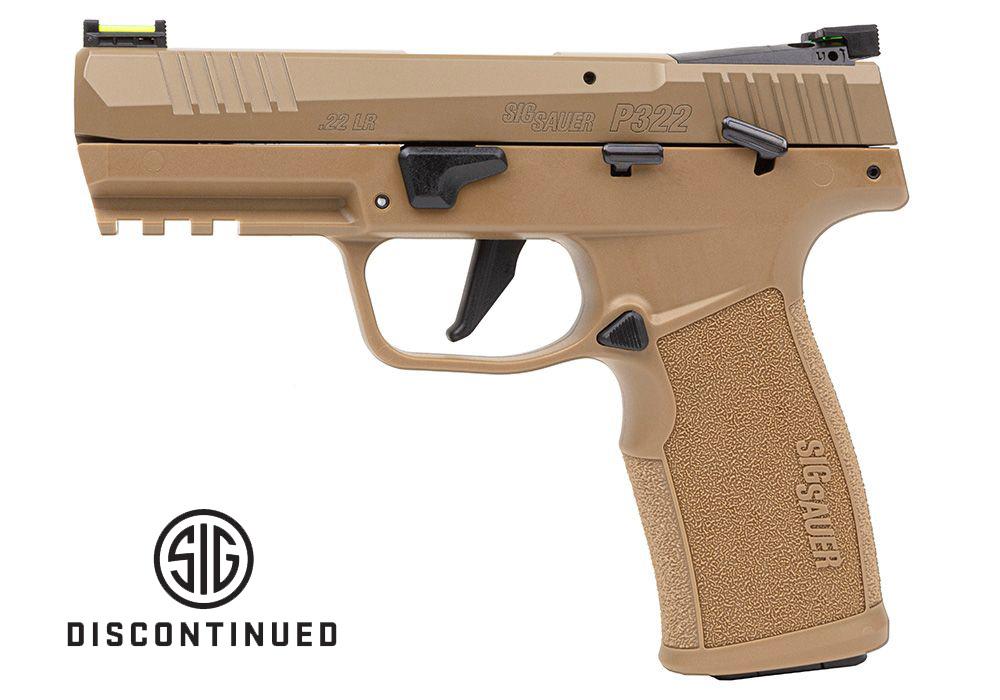
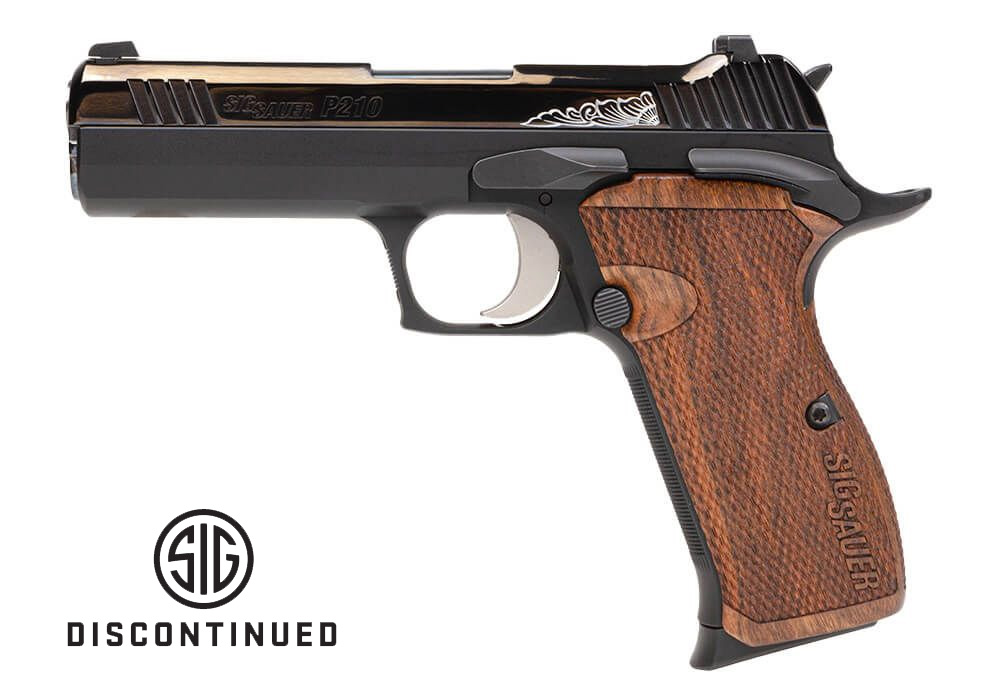
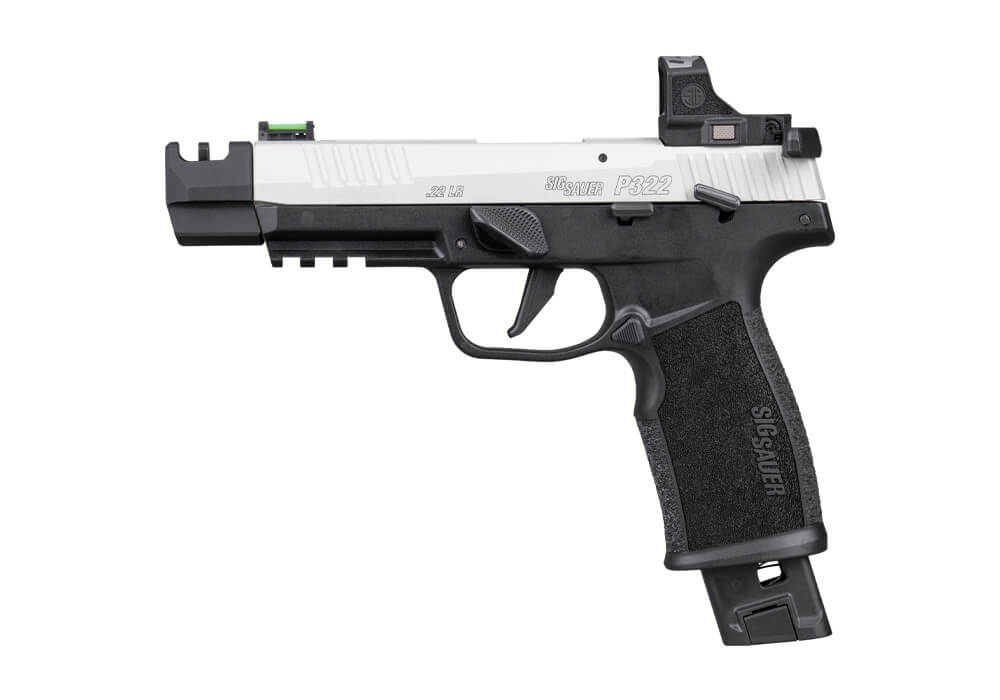
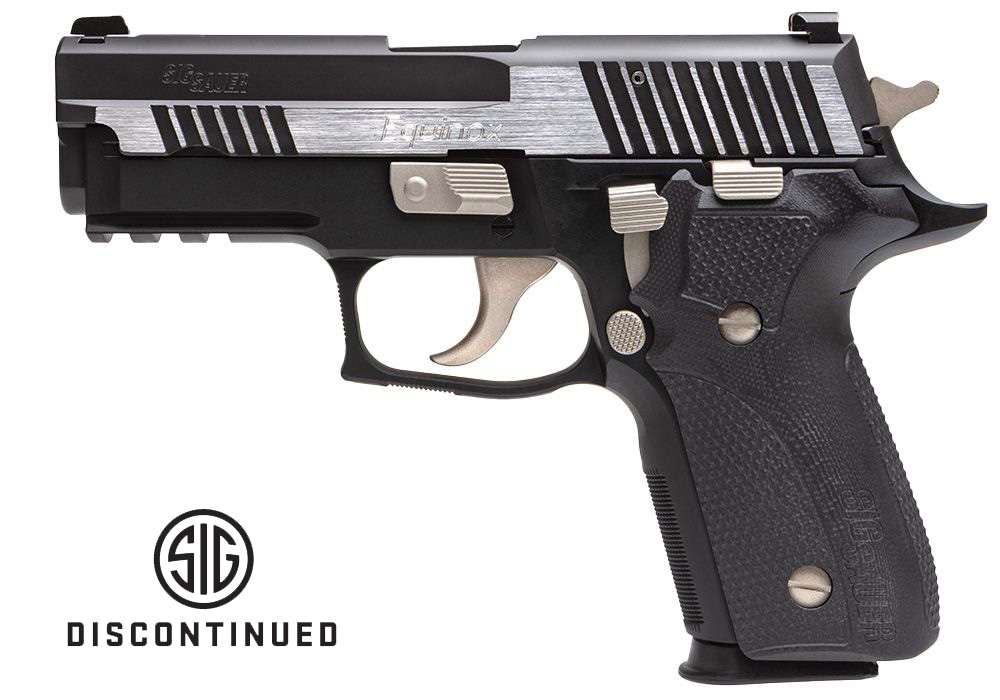
Compact pistols with manual safety controls combine a smaller handgun profile with an external lever that lets the user engage or disengage a mechanical safety feature. Depending on the design, that feature blocks part of the firing mechanism when engaged; its exact function and operation are described in the firearm’s owner’s manual. This combination appeals to adults seeking a handgun for lawful concealed carry, personal protection, or recreational range use who prefer a deliberate, externally operated safety control. A compact pistol generally has a shorter barrel, slide, or grip than a comparable full-size handgun, though size classifications vary by manufacturer. Those dimensions influence more than concealability. A shorter grip can be easier to conceal beneath everyday clothing, while a longer gripping surface may give the little finger more support and help the handgun feel steadier in the hand. Slim frames can suit smaller hands, but width alone does not determine comfort: grip contour, trigger reach, texture, and the placement of controls all contribute to a natural fit. A manual safety should be accessible without forcing an awkward change in grip, and its position should be clear to the user. Some designs provide controls on both sides, which can be useful for left-handed owners or people who prefer ambidextrous operation. Others use a lever on one side of the frame. A low-profile lever may preserve a streamlined outline, while a more pronounced control may be easier for some users to locate by touch. Neither approach is universally better. The useful distinction is whether the control suits the owner’s hands, familiarity, and intended use. Someone accustomed to an external safety may value a familiar arrangement, while a newer owner may prioritize straightforward controls and professional instruction. The strongest overall fit balances manageable dimensions with a secure grip, comfortable reach, and a safety mechanism that the user understands rather than choosing by size alone.
Materials and construction help explain why two similarly sized compact handguns can feel quite different. Polymer frames can reduce overall weight, while metal frames often provide additional heft that changes balance and the feel of recoil. Steel slides, barrel construction, protective finishes, and the quality of fitted components contribute to durability, but no material removes the need for routine care. Grip texture also deserves attention: pronounced texture can support a firm hold, yet a surface that feels comfortable during a brief handling session may feel different against the body during extended carry. Rounded edges, frame contours, and the shape of the safety lever can influence comfort where a holster rests near the waist. For buyers considering a common handgun chambering, 9mm Pistols With Manual Safety brings the caliber and control preference into the same category. Chambering remains only one part of the overall choice. Firearm weight, grip fit, ammunition compatibility, and the owner’s experience all affect how manageable a pistol feels during practice. Compact dimensions do not automatically mean gentle recoil, and a lighter handgun can feel more demanding than a larger one in the same chambering. Sights should present an understandable aiming reference, with visibility and configuration suited to the owner’s needs. Some compact designs accept compatible handgun optics, while others rely on conventional sights; either arrangement should be considered alongside holster fit, overall dimensions, and maintenance requirements. Magazine length can also change the gripping surface and concealment profile, so the configuration matters as much as the category name. A holster intended for the exact firearm configuration should securely retain the pistol, fully cover the trigger, and accommodate the safety control without interfering with it. These details matter in ordinary situations, such as sitting at a desk, getting into a vehicle, or spending an afternoon walking. A handgun that feels comfortable in the hand still needs to work with a suitable holster and a lawful, consistent carry arrangement.
Long-term ownership brings care, familiarity, and secure storage into the same conversation as size and materials. Compact pistols carried close to the body can collect lint, perspiration residue, and other debris, making regular inspection and manufacturer-recommended cleaning important to preserving condition and dependable function. Protective finishes help resist wear and corrosion, but they are not a substitute for appropriate maintenance or dry, secure storage. Cleaning supplies and lubricants should be compatible with the firearm’s materials, and any maintenance should follow the owner’s manual with the firearm unloaded. The condition of magazines, sights, grips, and external controls also deserves attention over time, particularly on a handgun that sees frequent carry or range use. A manual safety is one feature within a broader approach to responsible ownership, not a guarantee against injury or a replacement for safe handling. Keeping the muzzle pointed in a safe direction, keeping the finger away from the trigger until ready to fire, and preventing unauthorized access remain essential regardless of the safety’s position. Owners should understand the particular control system rather than assume that every compact pistol operates alike. Qualified instruction and regular supervised practice can help build that familiarity, especially when transitioning from a different handgun design. For households with children, visitors, or anyone who should not have access, an appropriate locked storage solution is a fundamental part of the ownership setup. Applicable laws governing possession, transport, storage, and concealed carry also shape which arrangements are suitable. For a first-time owner, clear documentation, accessible controls, and a comfortable fit may carry more practical importance than the smallest possible dimensions. An experienced owner may place greater emphasis on a familiar safety layout, consistent handling characteristics, or compatibility with an established holster setup. Across those needs, compact pistols with manual safeties offer a distinct combination of portability and an external mechanical control. Their suitability comes from the complete configuration: a grip that supports the hand, durable construction, understandable operation, compatible accessories, and an owner prepared to maintain and handle the firearm responsibly.