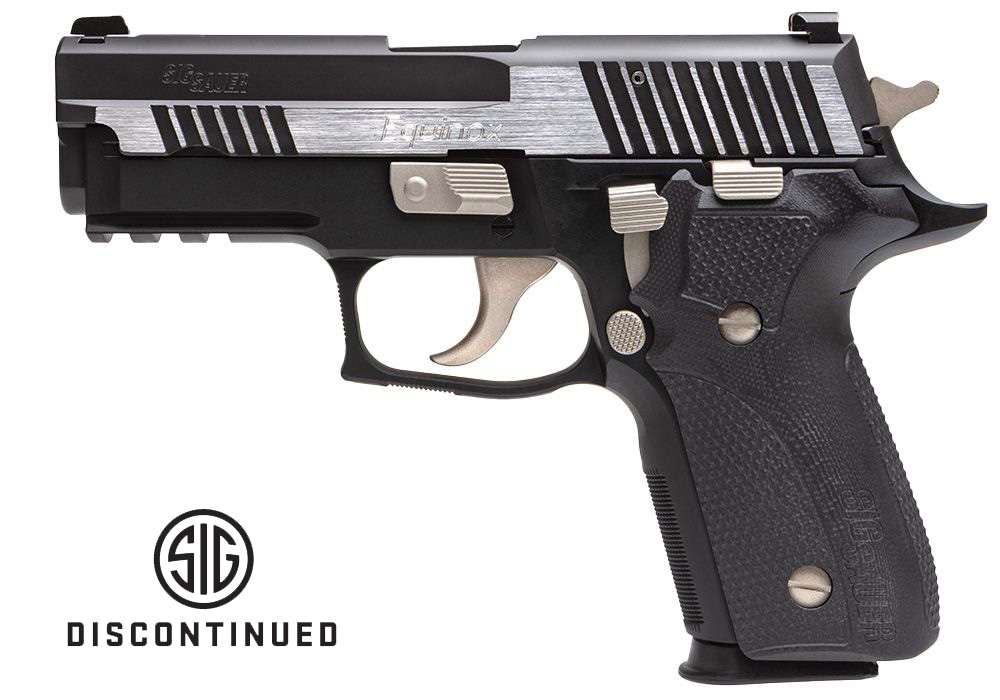
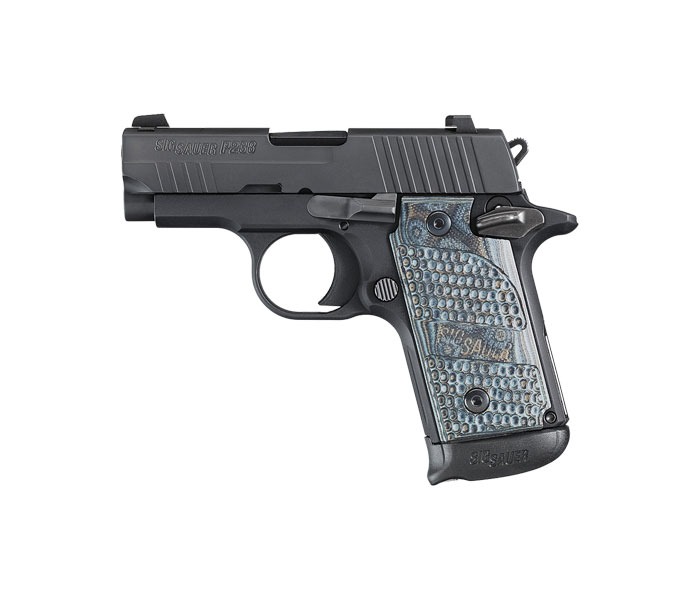
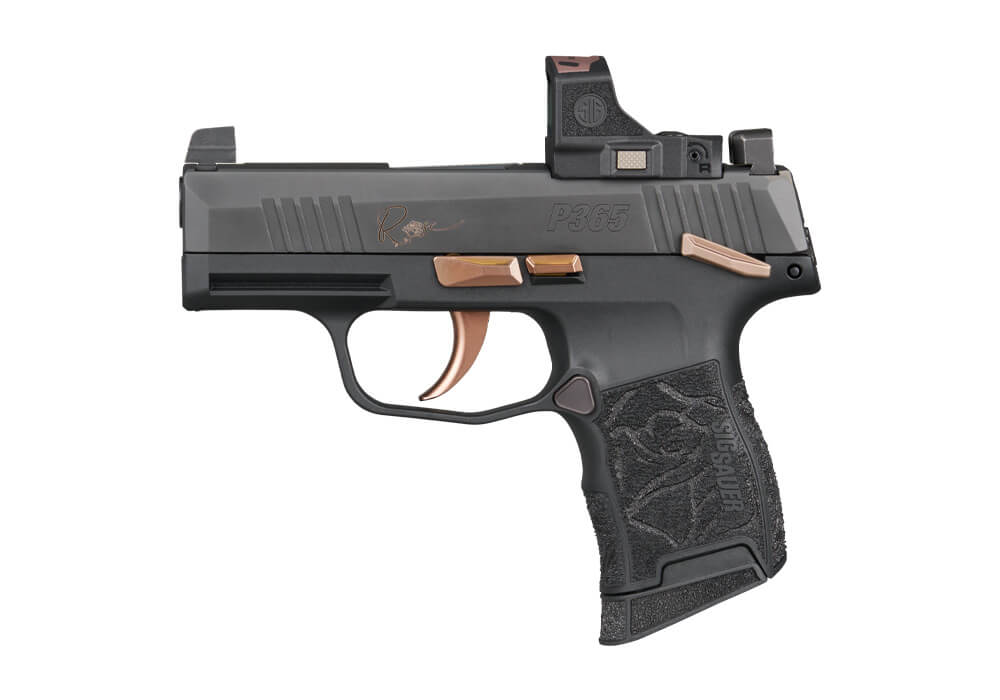
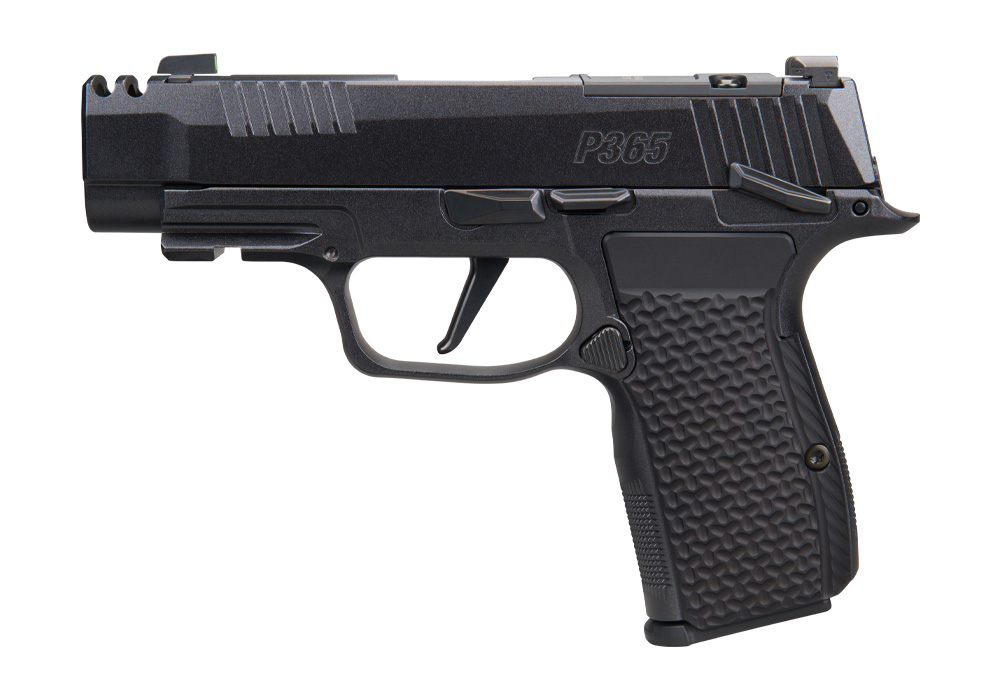
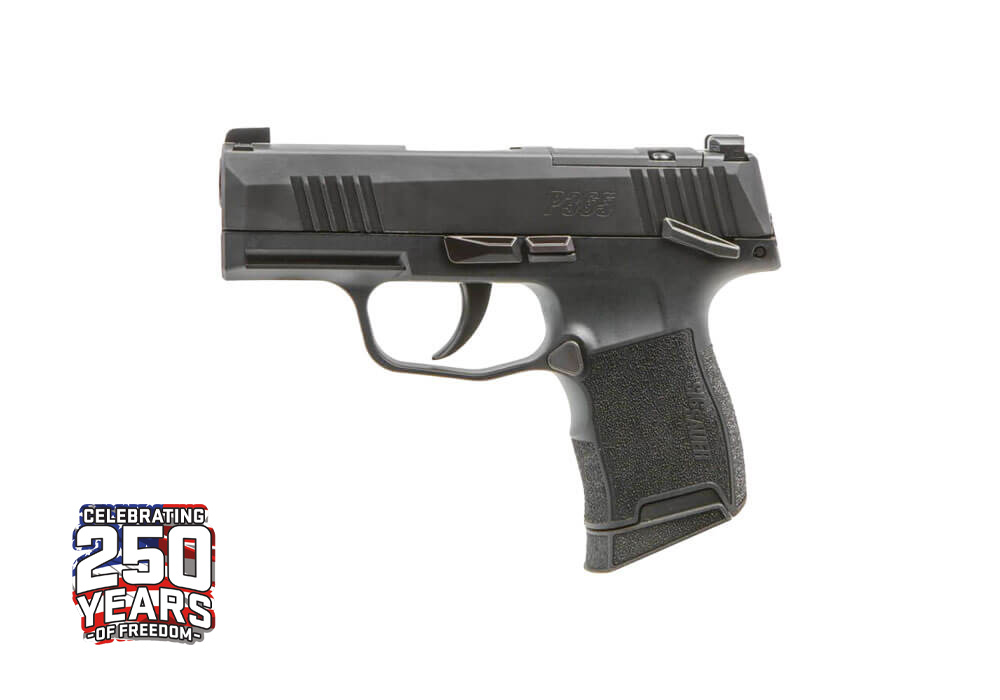
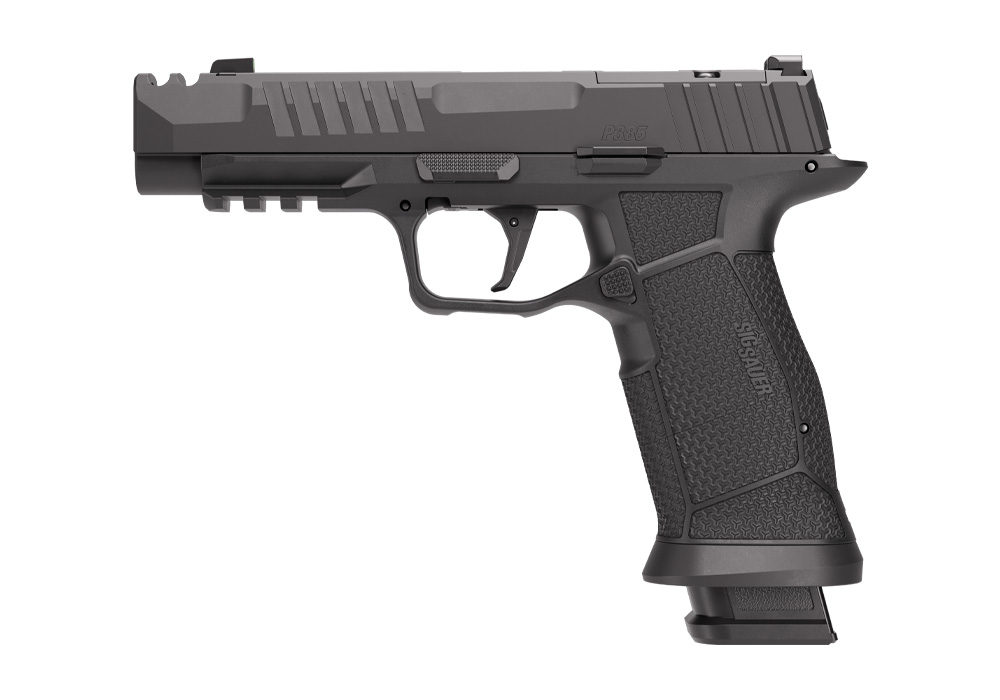
Subcompact pistols with manual safety are designed for owners who want a discreet, manageable handgun with an additional mechanical control between the ready position and an unintentional discharge. These pistols are generally defined by their compact dimensions, reduced weight, and shorter grips and slides, making them easier to carry beneath a jacket, sweater, or other everyday clothing during the cooler months. A manual safety is commonly operated with the thumb and may be positioned for use with either hand, depending on the design. It does not replace safe handling, a secure holster, or responsible training, but it can provide a deliberate step in the carry process for people who prefer that added measure. When comparing subcompact pistols with manual safety, begin with the fundamentals: caliber, grip size, control placement, sight picture, trigger feel, and the way the pistol fits your hand. Common chamberings include 9mm and .380 ACP. A 9mm model may offer a balance of practical recoil, broad ammunition availability, and effective performance, while a .380 ACP pistol can be especially appealing to someone who values a lighter, softer-shooting platform. Recoil remains highly individual, however. A pistol that looks easy to carry may feel surprisingly lively in a small grip, so handling an unloaded example or renting comparable models at a qualified range can reveal details that specifications alone cannot. Pay attention to whether your firing-hand thumb can reach the manual safety without shifting your grip, whether the magazine release is easy to operate, and whether the controls can be managed confidently under stress. Ambidextrous controls may be useful for left-handed shooters or anyone who trains with both hands. A comfortable, repeatable grip is often more important than saving a small amount of weight, because confidence and consistency affect every practice session.
The firing system is another important consideration. Striker-fired subcompacts typically offer a consistent trigger press from the first shot to the last, while hammer-fired designs may provide a different trigger system and a more traditional manual-safety experience. Neither approach is automatically right for every owner; the better choice is the one that feels intuitive after instruction and repeated practice. Some models include an optics-ready slide for a compact red dot sight, which can help certain shooters obtain a clear aiming reference, particularly as lighting changes during an indoor range session or an evening practice routine. Others use conventional fixed sights that are simple, durable, and easy to maintain. Consider how the pistol will be carried, too. A quality holster should fully cover the trigger guard, hold the firearm securely, and keep the manual safety from being rubbed or moved inadvertently by clothing or other equipment. Pocket carry without a purpose-built holster is not a substitute for safe concealed carry, and a loose firearm should never share a pocket, bag, or compartment with keys, coins, or other objects. Before carrying, learn the exact safety position, confirm how it operates, and establish a consistent sequence for loading, holstering, drawing, unloading, and storage. A useful range exercise is to practice slowly with an unloaded firearm, focusing on the same grip and thumb movement each time. Only after those motions are familiar should live-fire practice begin, under the supervision of a qualified instructor and in accordance with all range rules. The goal is not speed for its own sake. It is a smooth, controlled process that remains dependable when hands are cold, clothing is layered, or attention is divided by the ordinary demands of the day.
These pistols may suit licensed concealed carriers, home-defense owners, and experienced shooters looking for a smaller secondary firearm, but the right choice depends on lawful use, training, and individual comfort. A subcompact can be convenient for daily carry, yet its shorter sight radius, smaller controls, and limited grip area may require more deliberate practice than a full-size handgun. It is wise to confirm local laws covering purchase, possession, concealed carry, transport, storage, magazine configuration, and private transfers before selecting a firearm. Buyers should also budget for a secure holster, additional magazines, eye and ear protection, suitable practice ammunition, defensive ammunition where lawful, and a lockbox or other secure storage solution. For a new owner, professional instruction is one of the most valuable additions to the purchase. A good instructor can help refine grip, trigger control, sight alignment, malfunction procedures, and safe storage habits while identifying whether a manual safety is being used consistently. These pistols can also be considered as gifts for a spouse, family member, or close friend who has independently expressed interest in responsible firearm ownership, but a firearm should never be given as a surprise without confirming the recipient’s preferences, eligibility, training plans, and ability to complete any required transfer through the proper channels. A gift may be better presented as a range lesson, a fitting appointment, or a contribution toward a safe and holster so the recipient can make an informed choice. For shoppers who want to compare additional configurations, including other compact designs with integrated safety systems, the broader selection of Compact Pistols With Safety Features can provide useful context. During the cooler months, when jackets and layered clothing can make concealed carry more practical, take the time to test your chosen setup with the garments you actually wear. Walk, sit, reach, and practice accessing the holstered firearm safely. The most suitable subcompact pistol with a manual safety is one that fits your hand, matches your training habits, works with dependable carry equipment, and can be stored securely every time it is not under your direct control.