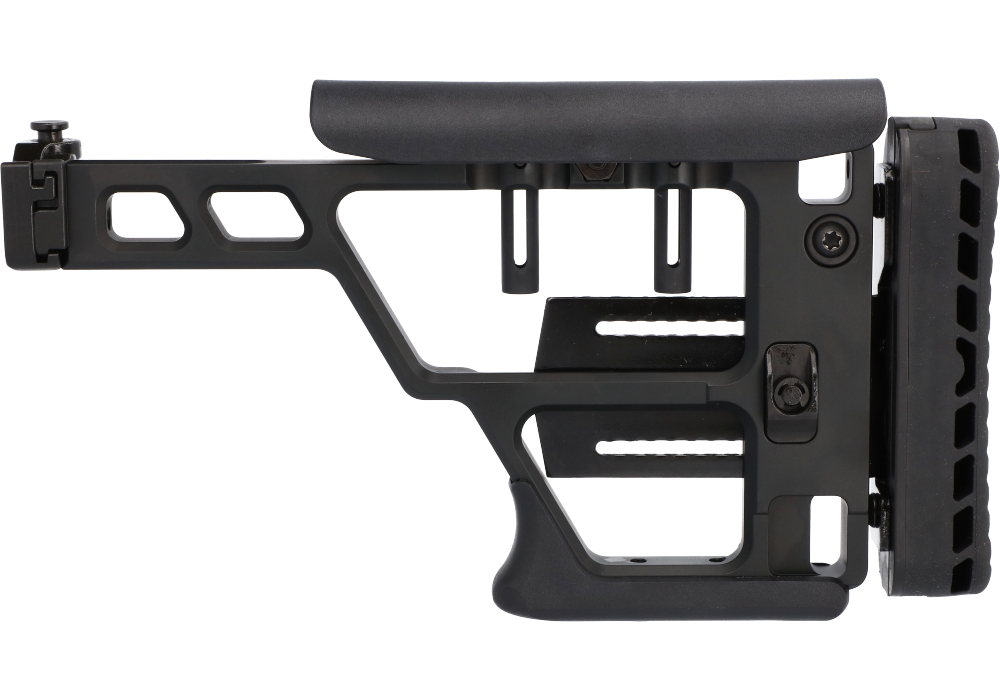
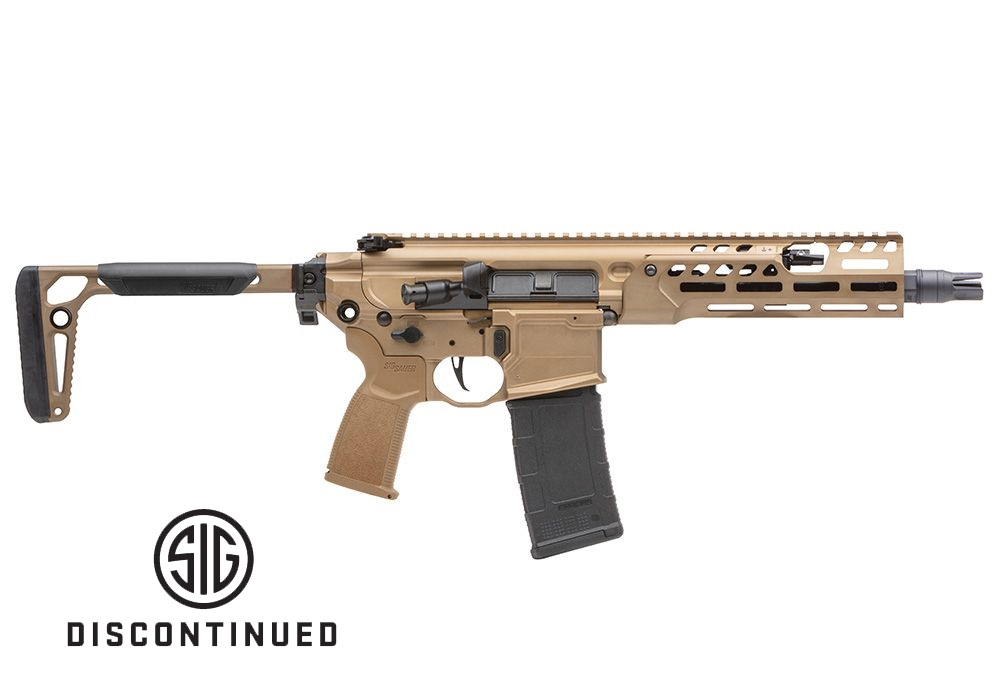
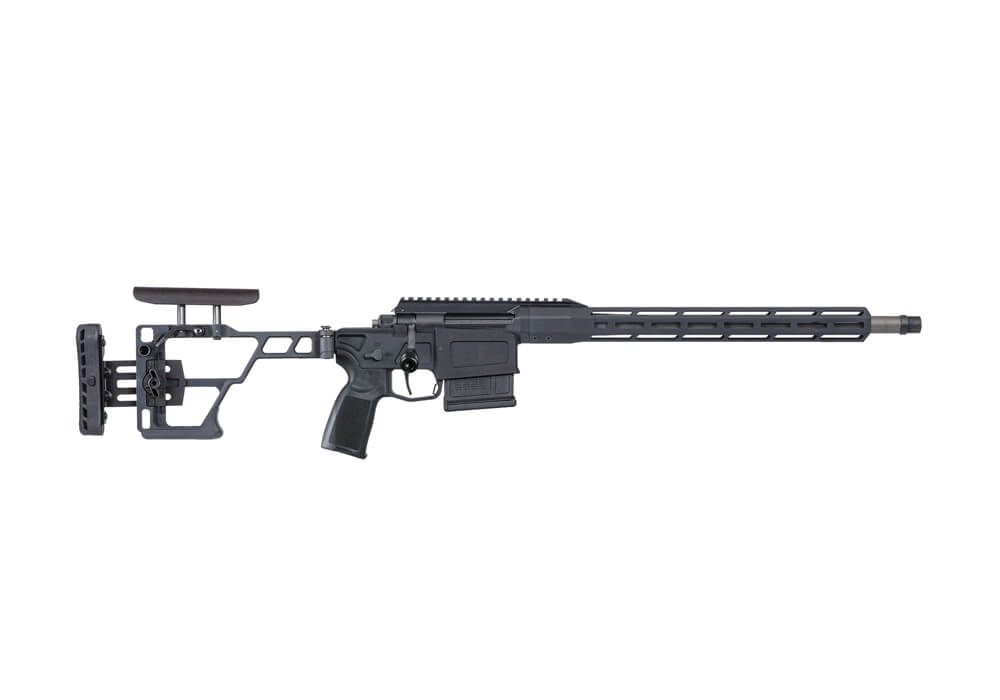
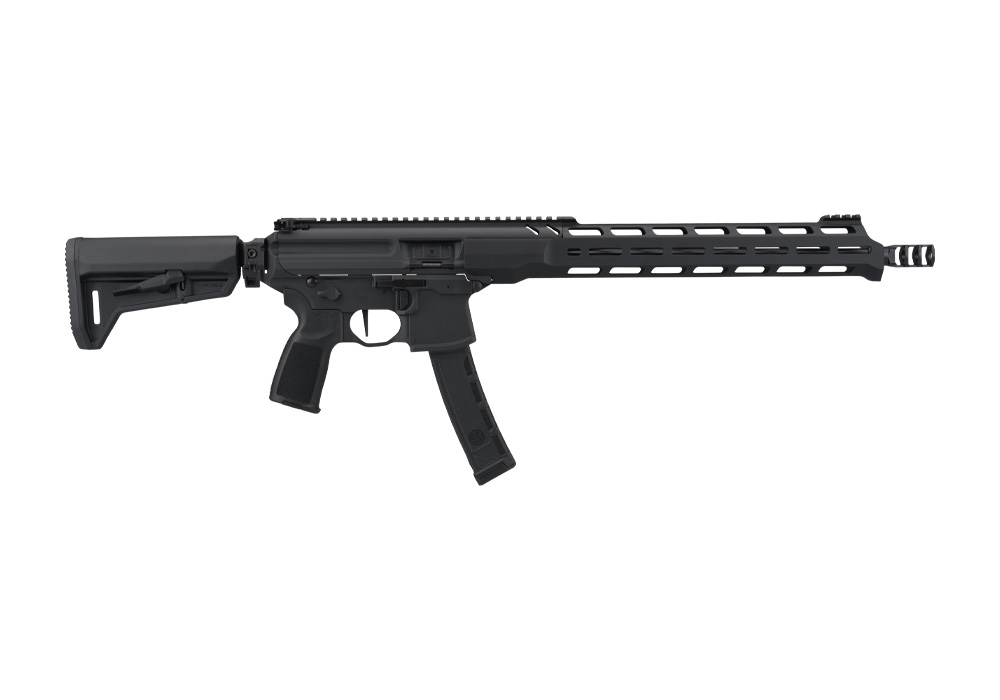
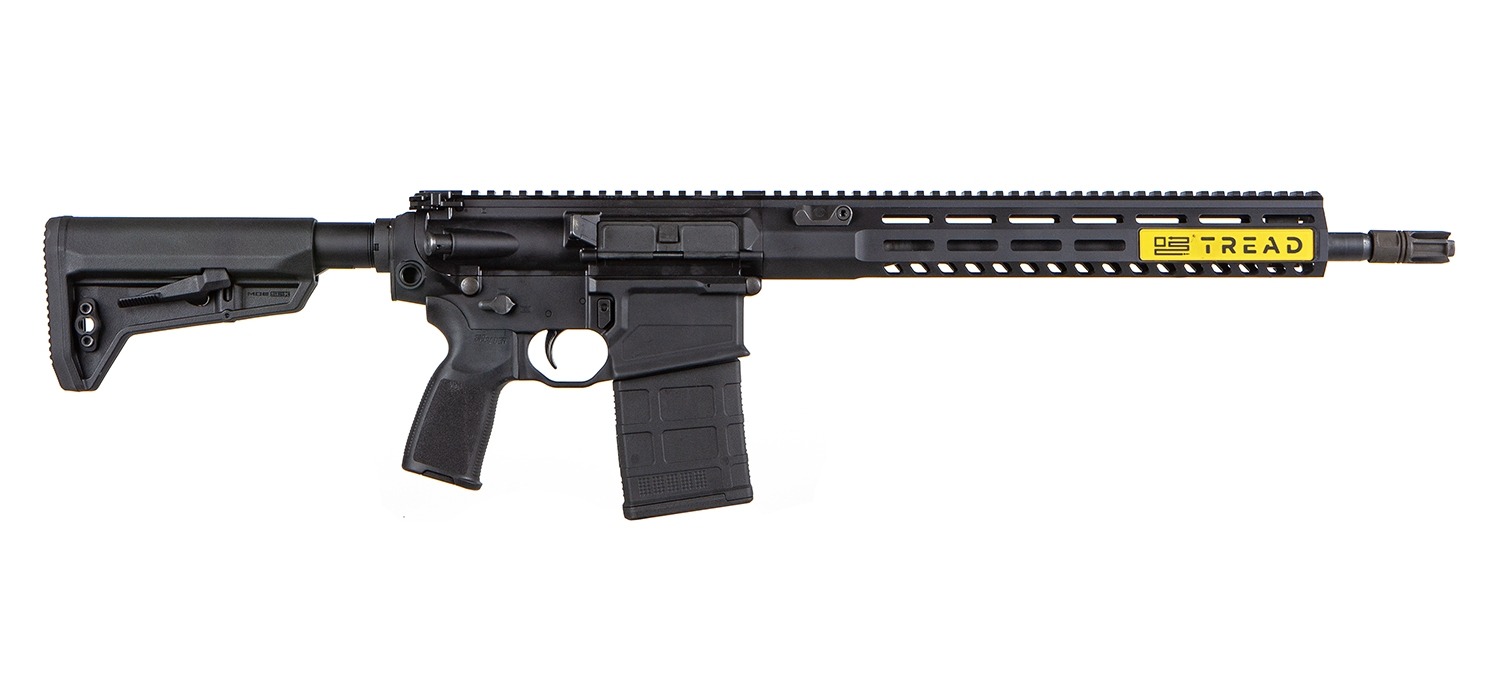
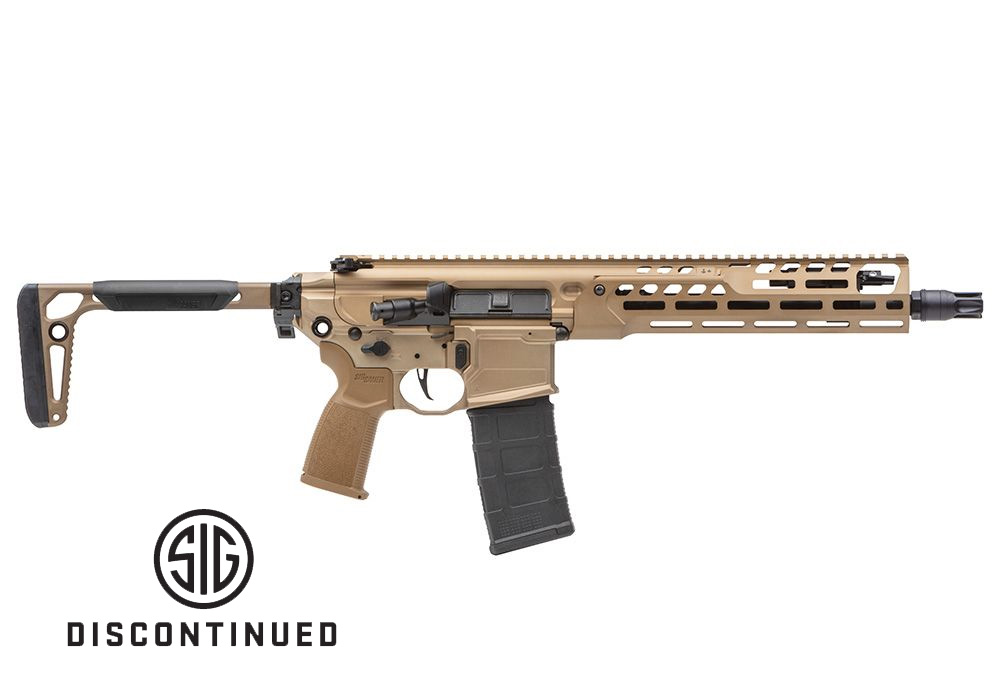
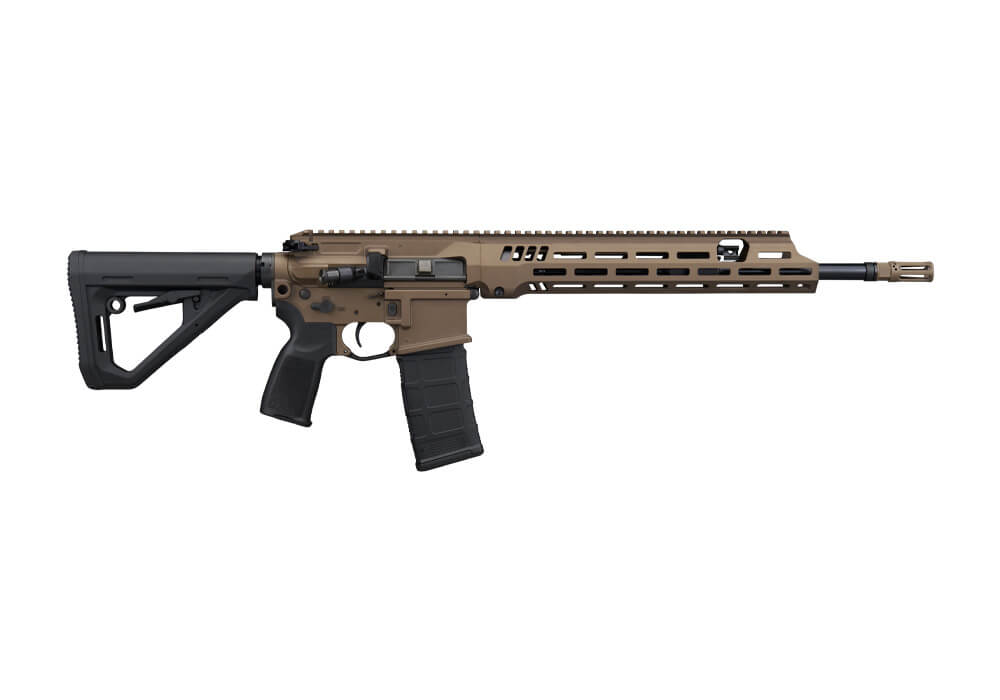
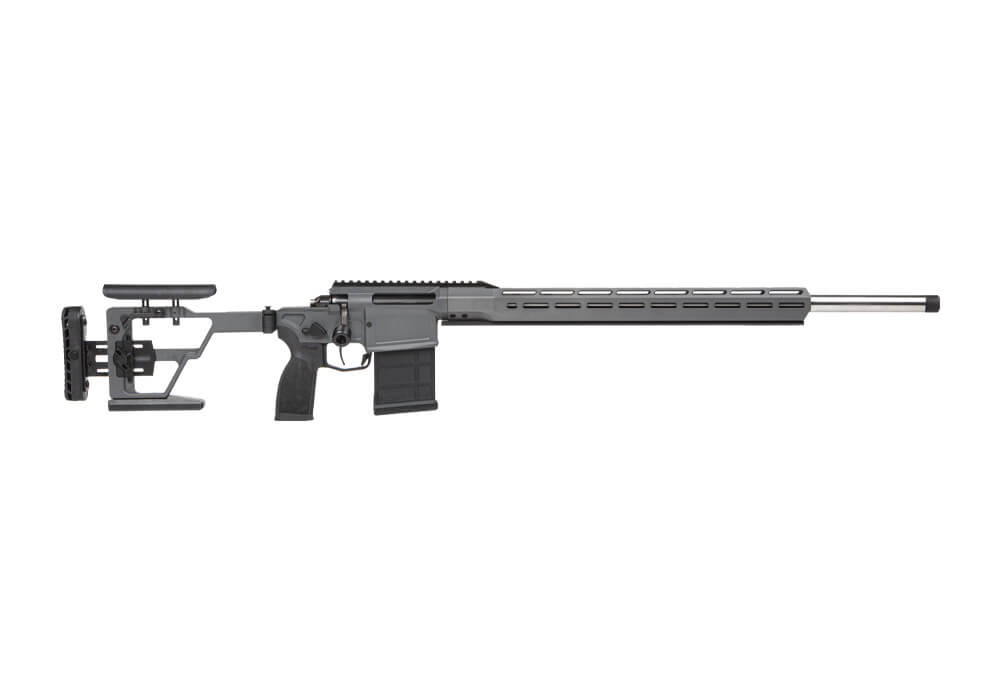
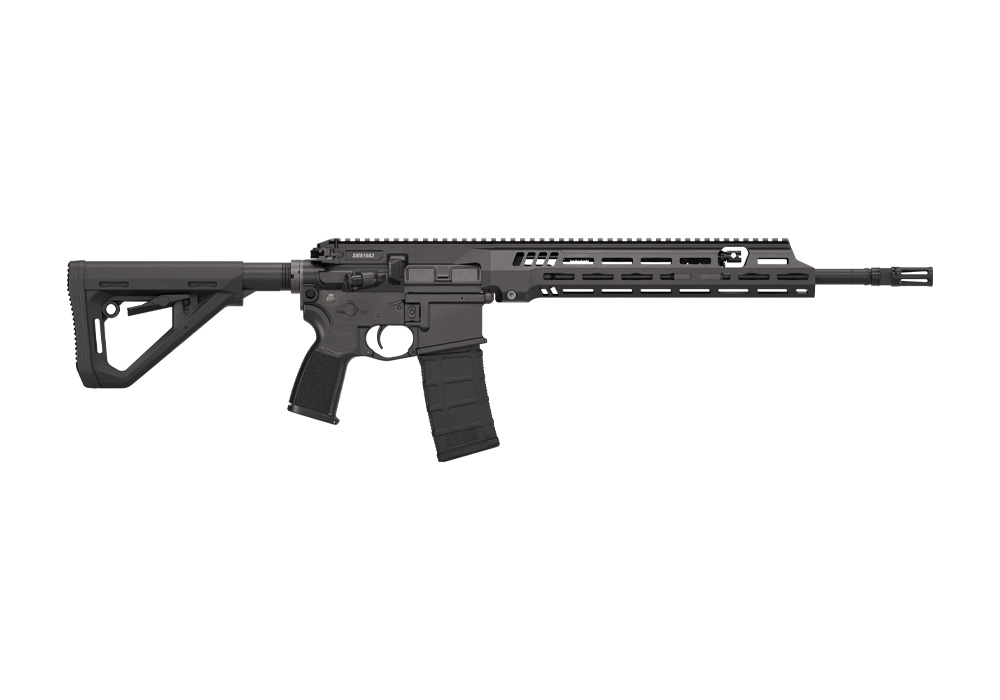
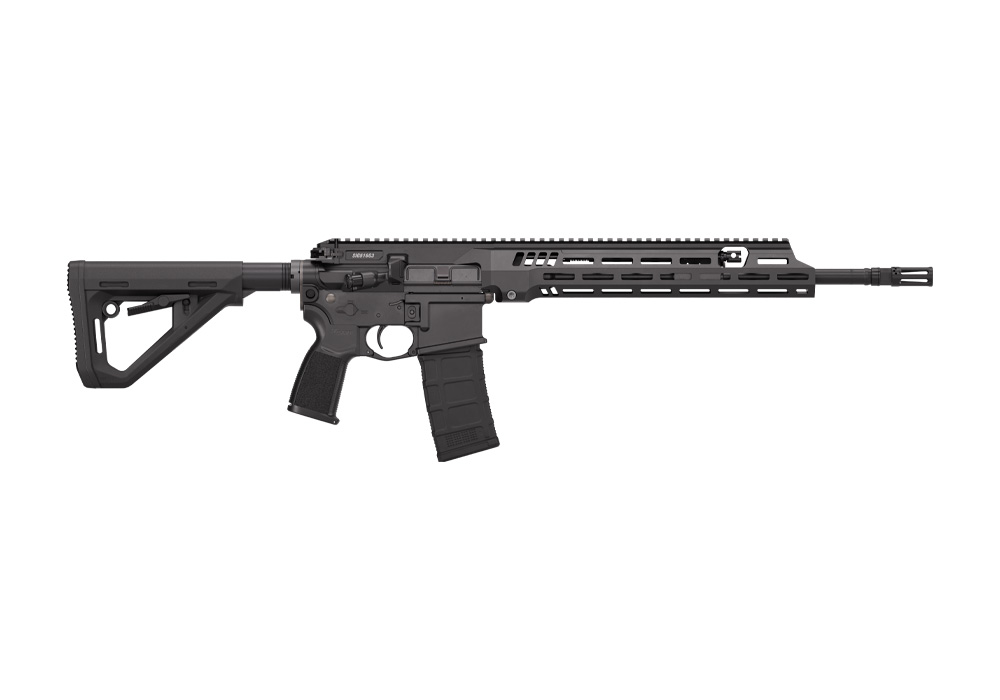
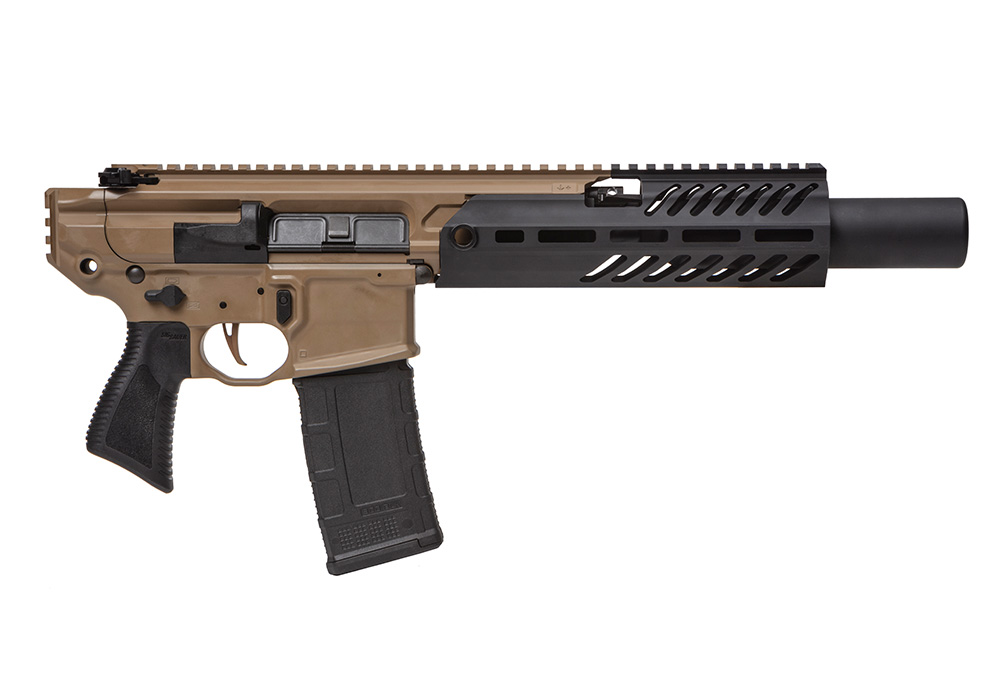
When people search for “weapon stocks,” they may be referring to financial shares in defense companies or to the physical stock fitted to a rifle or shotgun. This page focuses on the latter: the rear portion of a firearm that supports the action, provides a shoulder contact point, and helps the shooter establish a consistent position. A well-selected stock can influence comfort, control, sight alignment, and the overall balance of a firearm. It is not simply a cosmetic replacement. The right stock should complement the firearm’s action and intended use while fitting the person who will shoulder it. Hunters often value a secure, comfortable fit during long hours in the field, when a firearm may be carried through changing terrain and brought to the shoulder repeatedly. Recreational shooters may prioritize a stable cheek weld and a length of pull that feels natural over extended range sessions. Home-defense owners may look for a dependable configuration that allows the firearm to be stored securely and handled responsibly by an appropriately trained adult. Stocks can also be practical gifts for experienced firearm owners who already know the dimensions and configuration of their rifle or shotgun, although compatibility should always be confirmed before purchase. Since stocks are designed around particular firearm patterns, receiver dimensions, mounting systems, and operating layouts, checking specifications is an essential first step. A stock that appears similar may not fit correctly, and forcing an incompatible component into place can affect function and safety. For owners of modern sporting rifles, our selection of AR15 Stocks provides a convenient place to compare options intended for that platform.
The main choices typically involve construction, adjustment, shape, and the way the stock supports the shooter. Traditional wooden stocks offer a familiar appearance, a solid feel, and a natural warmth that many sporting firearm owners appreciate, while reinforced polymer and synthetic designs are often selected for their resistance to moisture, temperature changes, and the everyday knocks that come with transport and outdoor use. Some synthetic stocks also incorporate textured gripping surfaces or molded points of contact that make the firearm easier to hold with gloved hands during cooler weather. Fixed stocks provide a straightforward, stable configuration and can be especially appealing to shooters who already know the length and shoulder position that suit them. Adjustable stocks allow the length of pull to be changed, which can be useful when a firearm is shared among properly trained adults, when clothing layers vary during the cooler months, or when a shooter wants a more personalized fit. A cheek riser or adjustable comb may help align the eye with the sights or optic, but it must be positioned so the shooter can mount the firearm naturally rather than lifting or straining the head. Recoil pads can add comfort, particularly on firearms or ammunition combinations that produce more noticeable recoil, and a carefully shaped butt can help distribute pressure across the shoulder instead of concentrating it in one uncomfortable point. Small details matter: sling attachment points, the texture of the grip area, the weight of the stock, and the balance created once it is installed can all affect how the firearm feels in the hands. Think about the complete setup rather than judging a stock by appearance alone. A sleek, lightweight design may suit a mobile field setup, while a sturdier configuration may feel more settled from a bench or stationary shooting position.
Before choosing a replacement or upgraded stock, identify the exact firearm model, operating system, receiver pattern, and current mounting arrangement. Review the manufacturer’s specifications for compatibility, dimensions, hardware, and any required adapters. Length of pull is measured from the trigger area to the center of the butt, and it should allow the shooter to place the firing hand comfortably while maintaining a relaxed, repeatable shoulder position. A stock that is too long can make mounting awkward, especially with heavy outer clothing, while one that is too short may feel cramped and place the face too close to the receiver. The position of the cheek should also allow a clear, consistent view through the sights or optic without excessive head movement. For left- or right-handed users, check controls, sling placement, cheek-piece design, and the overall shape before ordering. Installation should be approached with the same care as any other firearm modification: unload the firearm completely, remove all ammunition from the work area, follow the firearm and component instructions, and use a qualified gunsmith when the installation involves uncertain fit, specialized tools, torque requirements, or changes that could affect function. After installation, a responsible owner should verify that the action operates correctly, controls remain accessible, and the firearm functions safely in accordance with the manufacturer’s guidance and applicable laws. Keep the firearm secured from unauthorized access, transport it in compliance with local requirements, and use appropriate eye and ear protection whenever it is handled or fired. Whether the goal is to refresh the feel of a well-used sporting rifle, improve fit for a new shooter, or prepare a trusted firearm for use during changing outdoor conditions, the most suitable stock is the one that matches the firearm, the shooter, and the intended purpose with dependable precision.