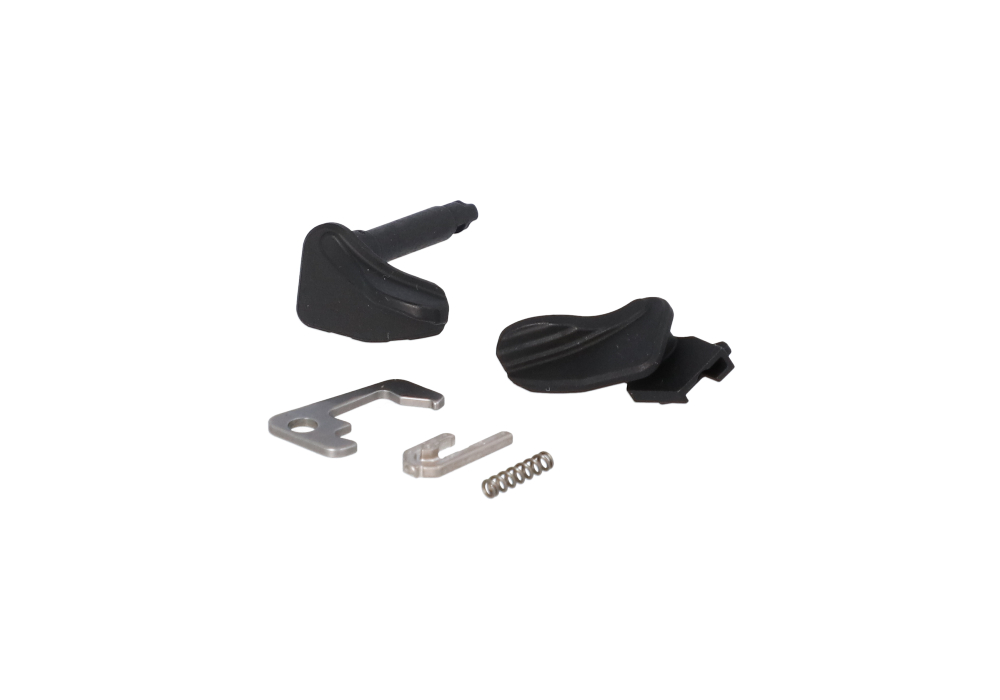
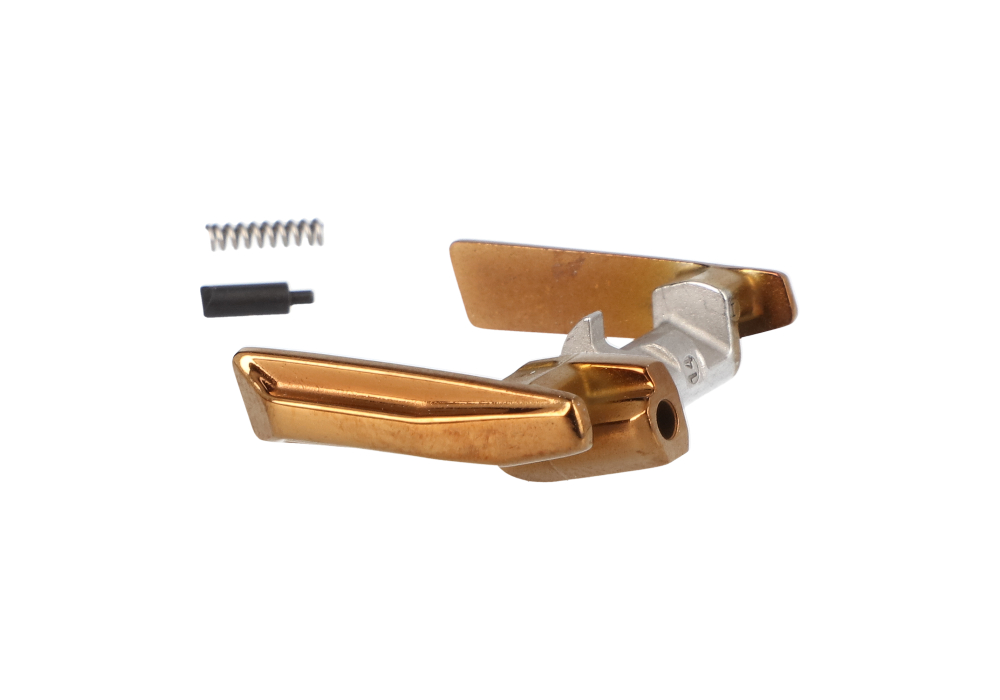
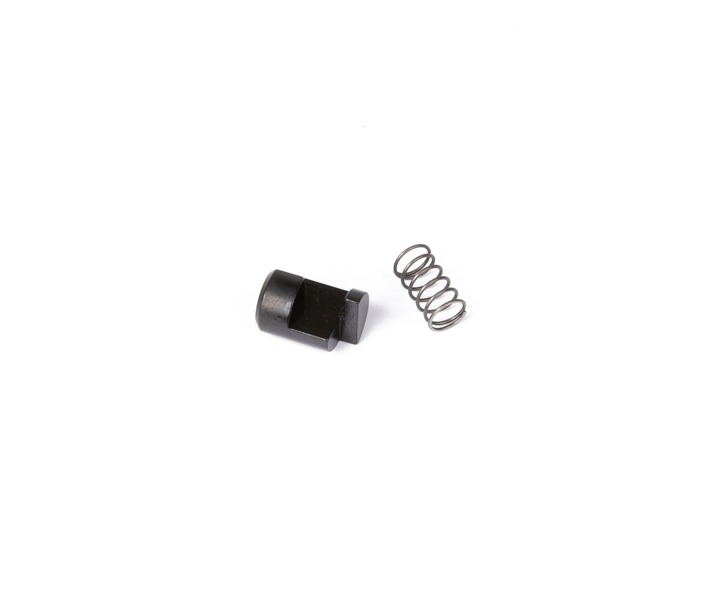
Safety selector pins are small but essential components in many modern sporting rifle fire-control systems. On an AR-pattern firearm, the selector detent pin is typically a short steel pin with a pointed tip that rests against the grooves or flats on the selector drum. Its job is to help hold the selector in a defined position, such as “safe” or “fire,” while providing the familiar tactile click as the lever moves. The detent spring works with the pin: the spring applies upward pressure from its channel in the lower receiver or pistol grip, pushing the pin against the selector. When either part is worn, damaged, misplaced, or incorrectly matched, the selector may feel loose, gritty, unusually stiff, or unable to remain positively in position. A replacement safety selector pin can help restore the intended feel and function of a compatible assembly, particularly during a new build, a careful parts refresh, or troubleshooting after routine maintenance. These components are often easy to overlook because of their size. A pin can roll off a workbench, disappear into a shop mat, or remain hidden in packaging, and a spring can be just as easy to misplace during disassembly. Keeping a properly matched spare on hand is a practical addition to a small firearm-parts kit, especially for owners who maintain their own rifles or travel to a range where a minor parts issue can interrupt an otherwise well-planned day.
Compatibility should be the first consideration when selecting a safety selector pin. Not every pin is interchangeable across every lower receiver, selector design, or fire-control arrangement, even when the parts appear similar at a glance. Confirm the firearm platform, receiver pattern, selector configuration, and manufacturer’s specifications before ordering. Standard mil-spec-style selectors, ambidextrous selectors, and other specialized designs may use different dimensions, interfaces, or installation requirements. It is also important to determine whether the listing includes the pin alone or a related spring, because the pin and spring function as a matched pair within the selector system. Examine the existing component for a bent shaft, flattened point, unusual wear, corrosion, or inconsistent finish, and inspect the selector’s detent track for burrs or damage rather than assuming the pin is the only source of a problem. A clean, correctly sized part should seat securely and allow the selector to move with distinct, predictable resistance. Before handling any firearm, remove all ammunition from the work area, unload the firearm according to its owner’s manual, and verify the chamber and magazine well are clear. Small internal components require careful control during installation; eye protection, a clean bench, and a tray or light-colored work surface can make it easier to locate a dropped pin or spring. If the selector does not engage its intended positions, if the lever binds, or if there is uncertainty about fitment, stop and consult the firearm manufacturer’s instructions or a qualified gunsmith. Replacement parts should never be used to compensate for a damaged receiver or an improperly fitted fire-control component. For additional configuration options, shoppers can also browse Safety Selectors and compare selector styles before choosing a replacement pin.
These parts appeal to several types of firearm owners. A first-time builder may want a spare selector pin and spring nearby before beginning a lower-receiver project, avoiding a pause caused by one tiny missing component. An experienced enthusiast may keep several replacement parts organized with punches, lubricant, torque tools, and other common maintenance supplies. Competitive shooters, range regulars, instructors, and hunters who rely on a familiar selector feel may appreciate having a compatible replacement available as part of a thoughtfully assembled field or range kit. Safety selector pins can also make a useful practical gift for a firearm owner who enjoys careful maintenance, build projects, or keeping a well-organized parts drawer; they are compact, affordable, and relevant without requiring someone else to choose an entire rifle configuration. During the cooler months, when time at the bench often becomes a welcome complement to outdoor range sessions, a small parts inspection can be a straightforward way to identify wear before the next trip. Store pins and springs in a labeled container away from loose ammunition, moisture, and abrasive debris, and retain the original packaging or product specifications for future reference. Choosing the correct dimensions and selector compatibility matters more than appearance alone, since the pin’s shape, spring pressure, and contact with the selector determine the positive movement many owners expect. With the right match and careful installation, this small component can support consistent selector operation and help keep a firearm maintenance kit prepared for routine service.