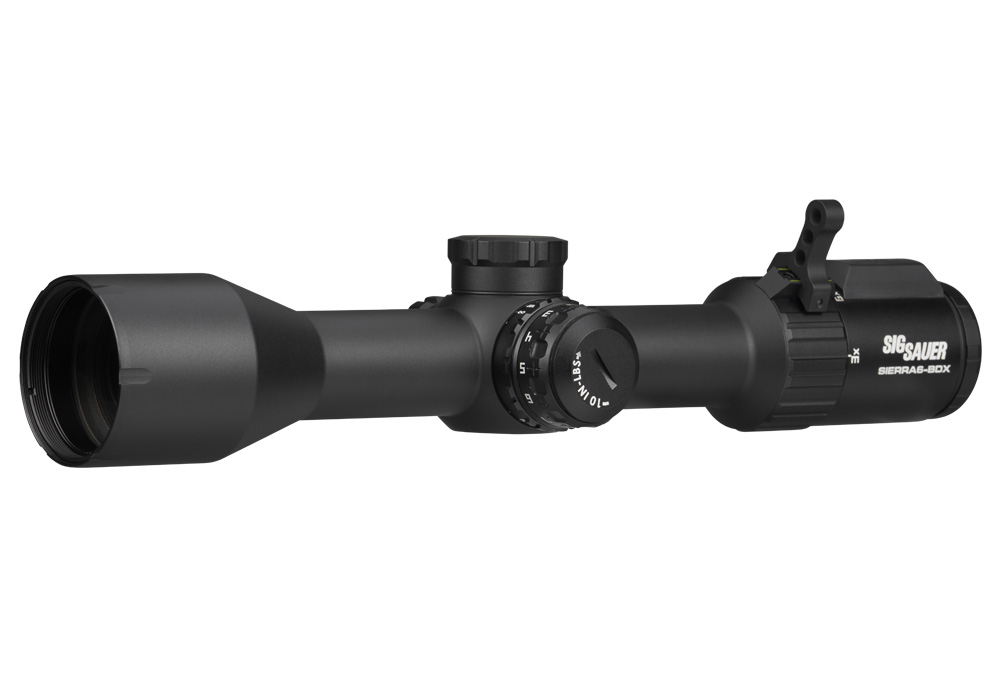
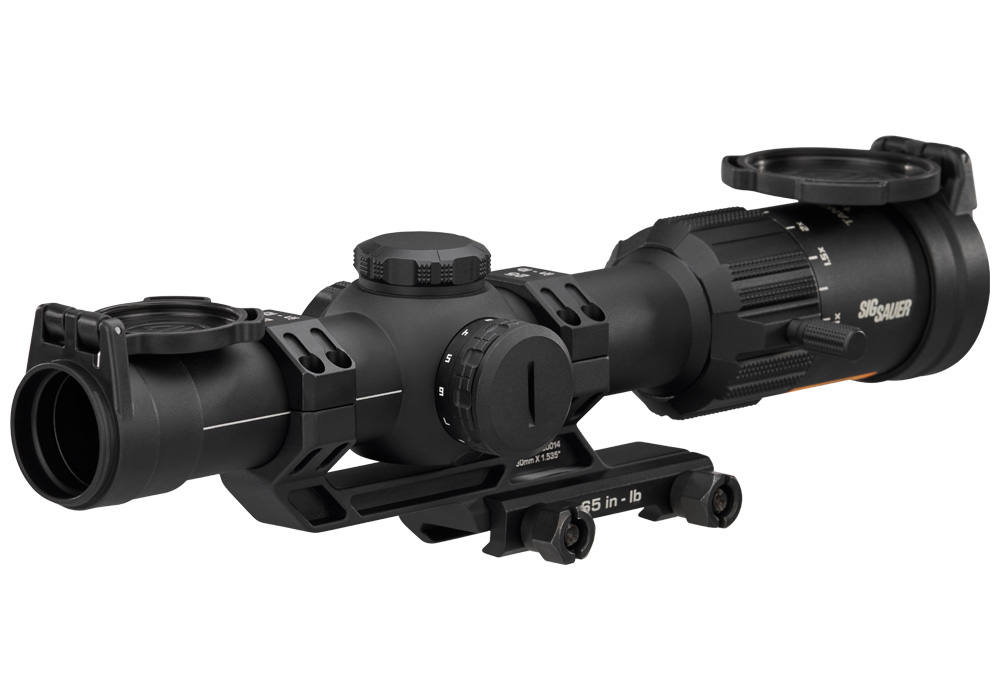
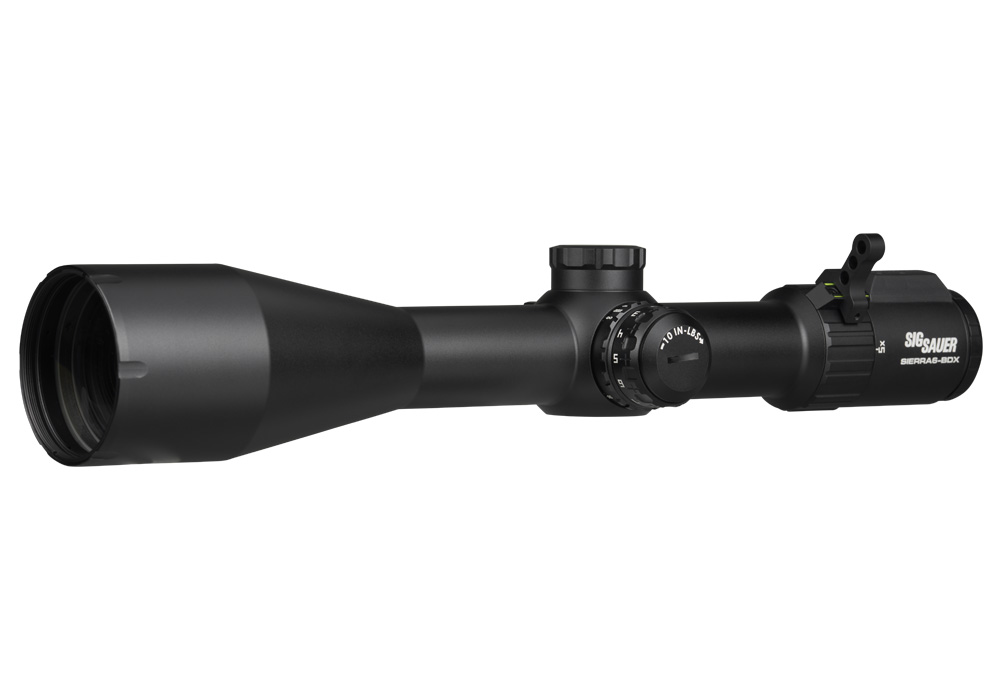
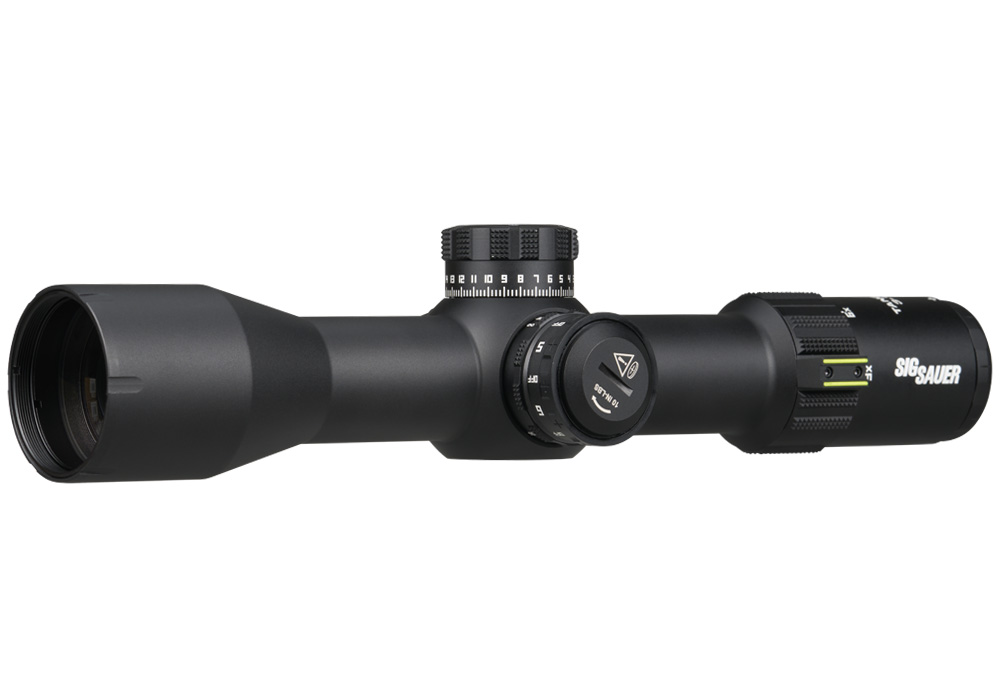
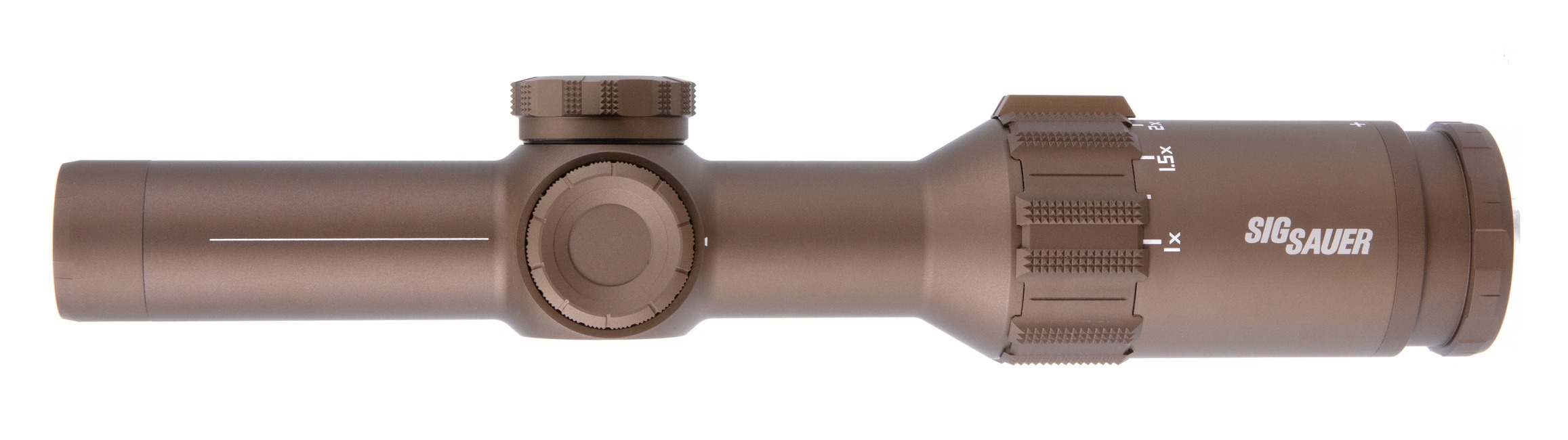
Scope lenses are precision optical elements that collect, bend, and focus light to form the image seen through a rifle scope or spotting scope. Their quality influences more than magnification: it affects contrast, color accuracy, edge detail, and the ease of separating a subject from its background. A clear image can reveal the fine borders of a paper target, the texture of distant terrain, or a branch crossing an otherwise open field of view. Within a conventional rifle scope, several lens groups work together. At the front, objective lenses gather incoming light and help form the initial image. Internal erector lenses correct image orientation and, in variable-power designs, participate in changing magnification. The ocular lens group presents the image to the eye, while the eyepiece adjustment allows the reticle to appear sharply defined. Each part contributes to the view, so a large front lens or a high magnification rating tells only part of the story. Optical alignment, glass quality, coating performance, and internal light control all matter. Objective diameter is usually expressed in millimeters, and a larger diameter can support a brighter view when other factors are equal. Actual perceived brightness also depends on magnification, light transmission, and the viewer’s eye. Exit pupil, the diameter of the light beam leaving the eyepiece, helps explain that relationship: it is approximately the objective diameter divided by magnification. Increasing magnification without increasing objective diameter produces a smaller exit pupil. That is one reason the highest power setting does not always provide the most comfortable or useful image. For hunters, recreational target shooters, and observers using spotting scopes, balanced optical performance often matters more than a single impressive specification. Fine detail is most useful when it remains distinct against neighboring colors and shadows, rather than appearing enlarged but washed out. A well-controlled image should preserve meaningful detail without distracting glare or strong color fringes around high-contrast edges. Lens performance is therefore best understood as the result of a complete optical system, not simply the size of its front element.
Materials and surface treatments help determine how effectively scope lenses handle light and stand up to routine use. Precision optical glass is selected for its refractive properties, consistency, and suitability for a particular lens design. Some optical systems use extra-low-dispersion glass to limit chromatic aberration, the colored fringes that can appear where a dark edge meets a bright background. These materials can improve color separation and fine detail, although the overall design remains just as important as the glass designation. Anti-reflective coatings reduce the light reflected at glass surfaces, allowing more useful light to pass through the optical system. The term fully multicoated generally describes multiple anti-reflective coating layers on all air-to-glass lens surfaces; exact specifications should still be checked for the optic being considered. Exterior protective coatings serve a different purpose and may help resist abrasion or make fingerprints and residue easier to remove. Neither treatment makes a lens immune to scratches. Fit is equally important, particularly when considering replacement components, protective accessories, or an optic for an existing setup. Internal scope lenses are precision-fitted parts, not universal inserts that can be exchanged solely by matching diameter. Their curvature, thickness, spacing, and alignment must suit the optical design, and internal repairs belong with a qualified service provider. External lens covers and protective accessories also require careful compatibility checks. The objective measurement in an optic’s designation describes the lens diameter, not necessarily the outside diameter of the housing where a cover attaches. Housing dimensions, attachment style, and clearance can all affect fit. For complete rifle scopes, objective size also influences mounting clearance and the relationship between the optic and a comfortable viewing position. Eye relief and the usable viewing area behind the eyepiece deserve attention alongside lens specifications. A crisp image is less helpful if seeing it requires an awkward head position. For someone who wears corrective glasses, a forgiving viewing position can be particularly valuable during an extended range session or a long period of observation.
Durability depends on how the lenses are protected as well as how they are manufactured. A secure housing, properly supported internal components, and effective seals help preserve optical alignment and limit contamination. On rifle scopes, resistance to recoil is a property of the assembled optic rather than the exposed lens surface alone. Lens caps offer useful protection against dust, fingerprints, and abrasion during transport and storage, especially when equipment shares a case with other accessories. Careful handling protects both the glass and its coatings. Loose grit should be lifted away with an appropriate air blower or clean optical brush before any wiping, because rubbing particles across a lens can leave permanent marks. A clean lens cloth and a cleaner approved for coated optics are appropriate for remaining smudges, with the optic’s care instructions taking priority. A shirt hem, paper towel, or cloth that has collected debris is a poor substitute, even when the surface appears soft. Excessive pressure and unnecessary cleaning can be more harmful than a small amount of harmless dust. Cleaning materials also benefit from separate, clean storage so they do not carry abrasive particles back onto the glass. If haze appears inside a sealed optic, exterior cleaning will not resolve it; professional evaluation is more appropriate than opening the housing. These practical details matter to anyone who wants a dependable view over years of use. A hunter may value contrast that separates natural textures, while a target shooter may prioritize a sharply resolved aiming point and comfortable viewing through repeated practice. A spotting scope user may care most about recognizing small details at a distance without constantly straining to maintain the image. For a gift recipient, compatible lens protection or optical-care accessories can be a thoughtful choice when the exact optic and its requirements are known. Across these uses, the strongest choices balance clarity, compatibility, protection, and realistic maintenance needs, keeping attention on the subject rather than on distracting reflections, smears, or an uncomfortable view.