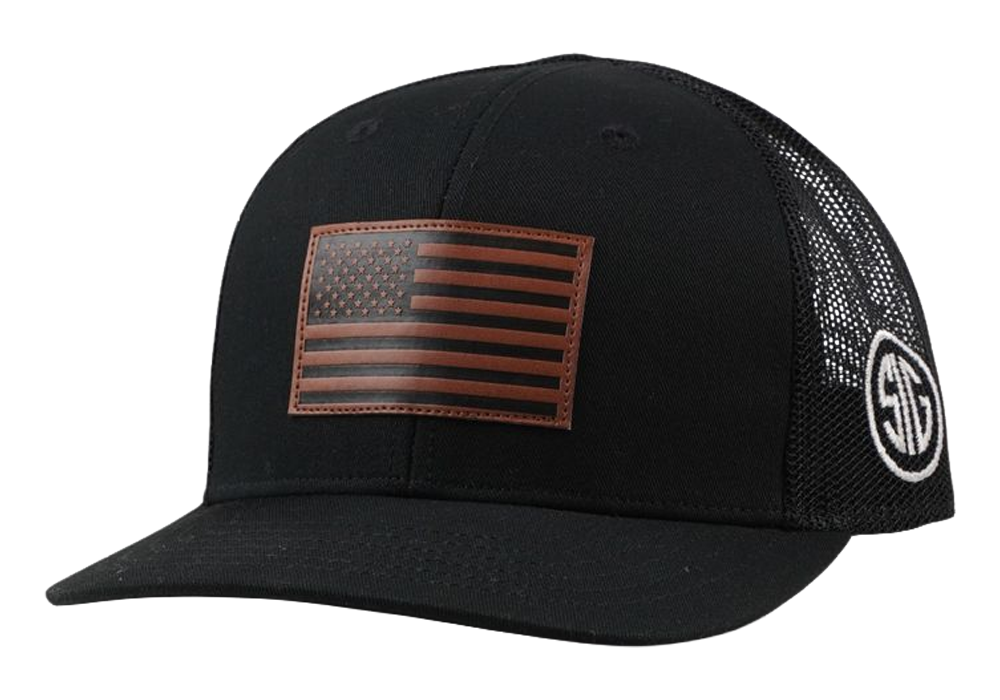
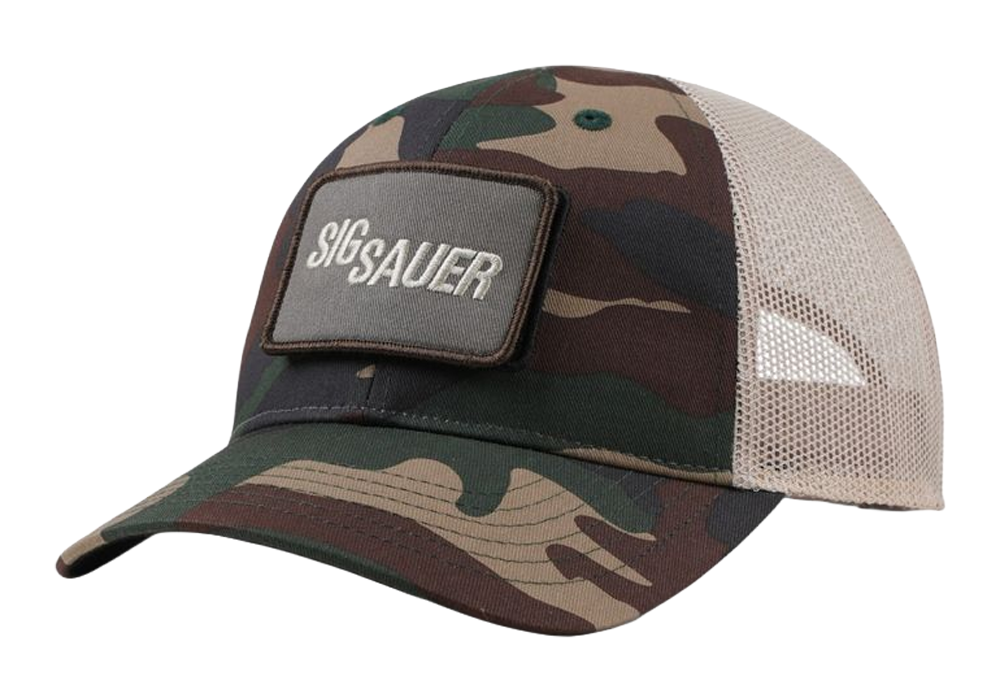
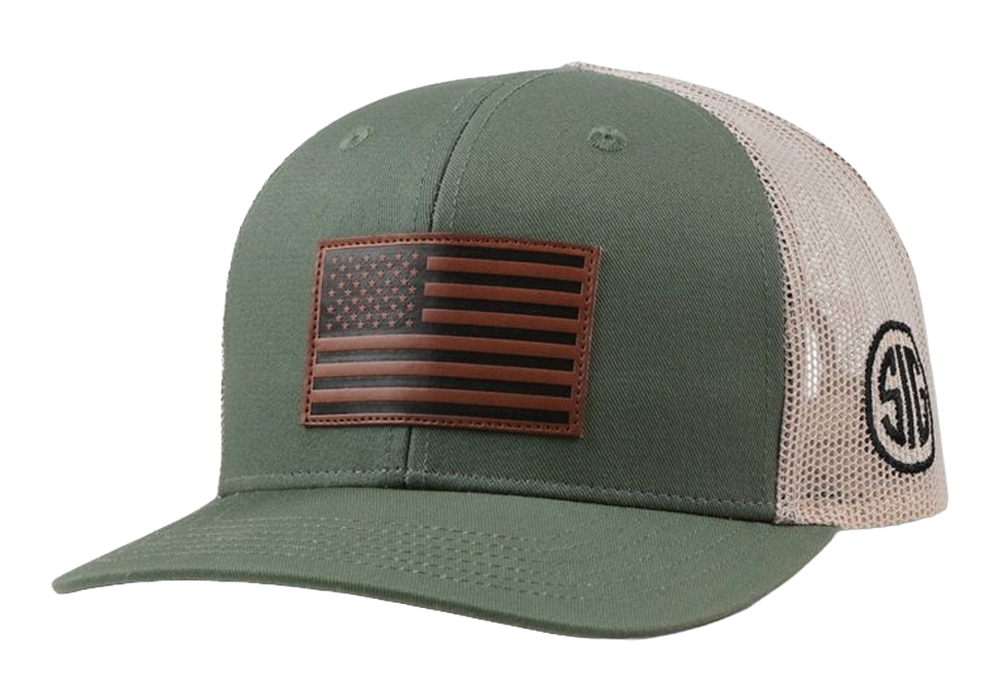
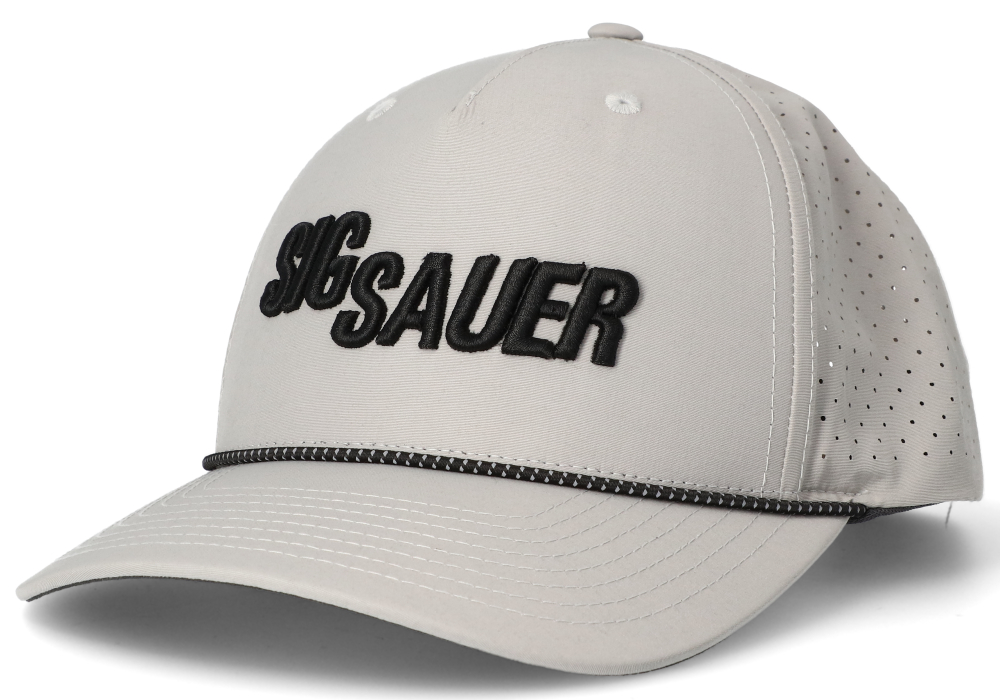
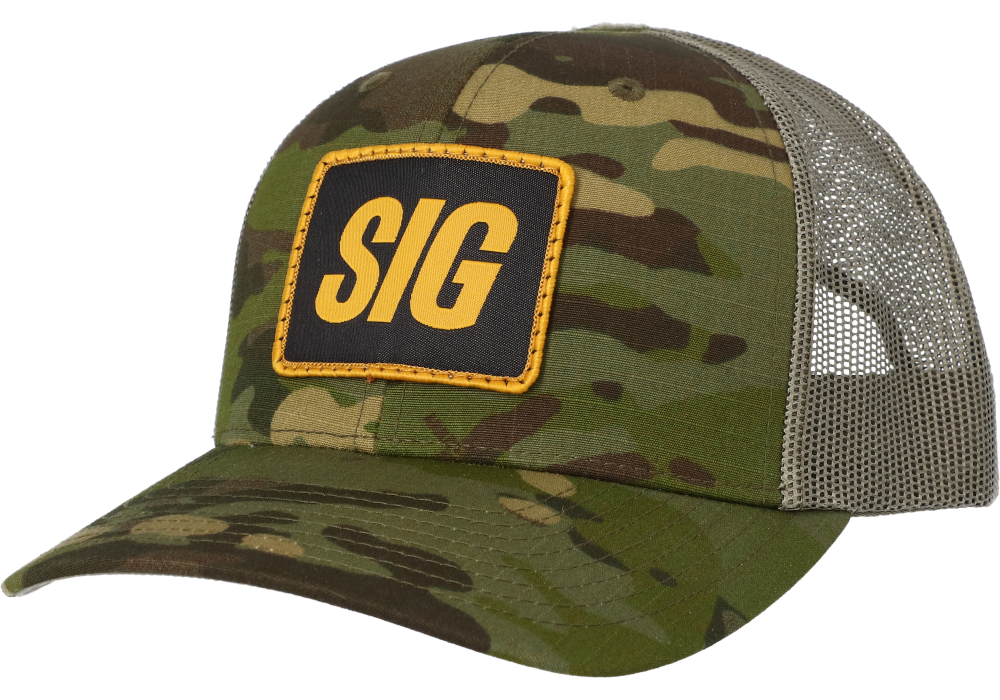
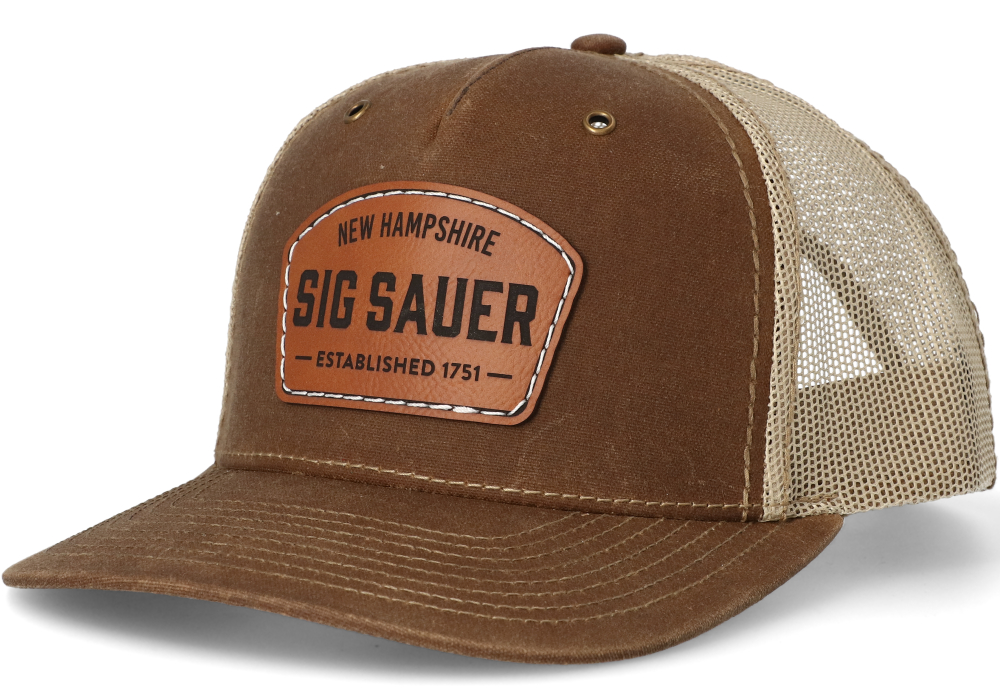
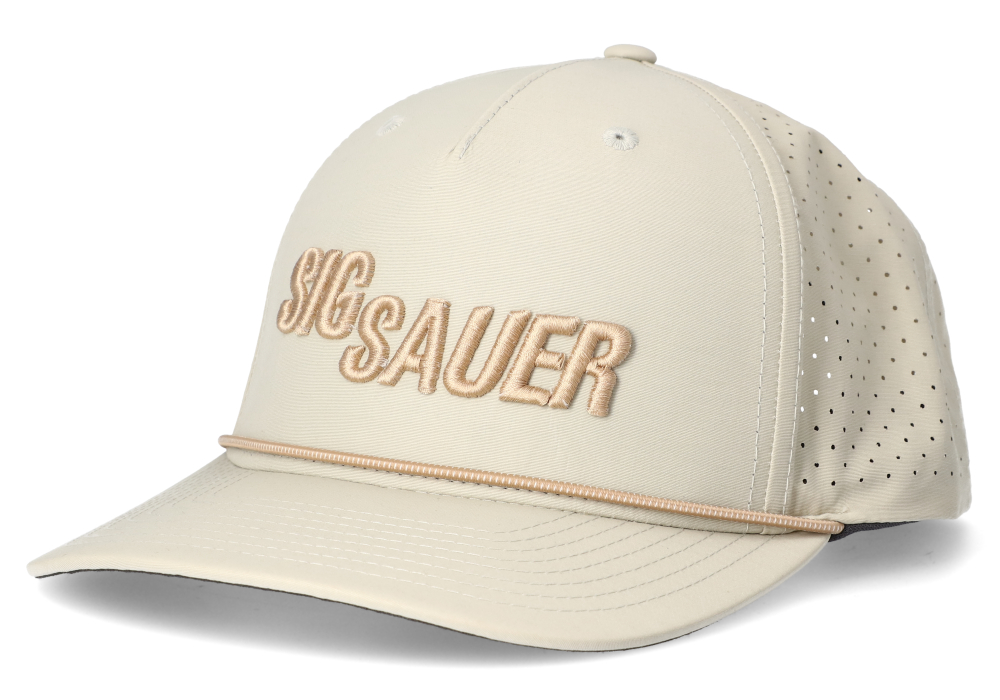
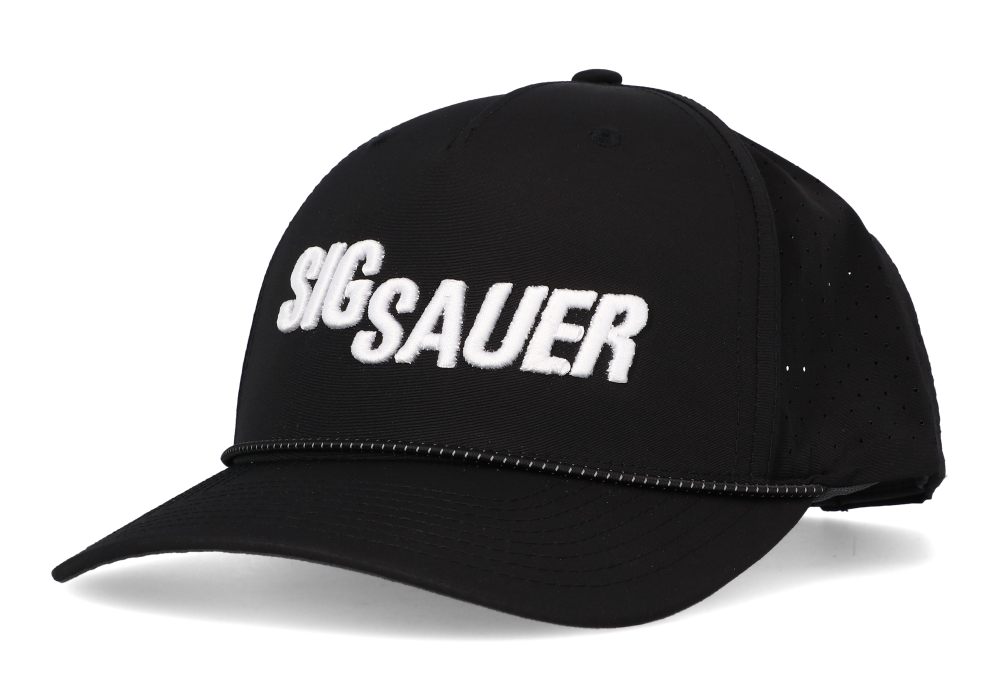
Snapback mesh hats combine a fabric front, an open mesh back, and an adjustable snap closure for a familiar fit that suits everyday wear. Often associated with the trucker hat silhouette, this construction balances a defined front profile with ventilation through the sides and rear. The snapback closure uses interlocking plastic posts and openings to adjust the circumference in small increments, while the mesh gives the cap a lighter, more open feel than a fully fabric design. Front panels may feature cotton twill, polyester, blended fabric, or foam-backed construction, each with a different texture and degree of structure. Cotton twill has a recognizable woven surface and a comfortable, casual character; polyester blends can contribute shape retention and straightforward care. Foam fronts create a smooth, prominent face, while reinforced fabric panels support a crisp outline without the same padded appearance. Mesh composition and weave also influence how a hat feels, with some constructions offering a softer touch and others providing a firmer framework. Five-panel and six-panel designs distribute seams differently across the crown, changing both the silhouette and the space available for an embroidered emblem or patch. A five-panel front often presents a broad, uninterrupted surface, while a six-panel crown typically has a center seam. Neither layout determines quality on its own; stitching, fabric consistency, and how the panels come together matter more. Brim shape adds another distinction. A precurved brim creates a familiar athletic profile, while a flatter brim gives the hat a broader, more angular appearance. Underbrim color, contrast stitching, and mesh color can make an otherwise simple cap feel understated or more distinctive. These details give snapback mesh hats their versatility: the basic construction stays recognizable, but differences in fabric, crown shape, and finishing can noticeably change the look and feel.
Fit depends on more than the position of the rear snaps. Crown height, panel structure, and brim proportions all affect how a mesh snapback sits on the head. A lower-profile crown rests closer to the scalp, while a taller crown leaves more room above it and presents a stronger front silhouette. Structured panels tend to hold their shape when the hat is off; softer panels follow the head more closely and can feel less rigid against the forehead. The interior sweatband is another important contact point, especially during extended wear. A comfortable cap should feel secure without leaving a pronounced pressure line, pushing against the tops of the ears, or requiring the closure to sit at an extreme setting. Adjustable does not mean universally sized, so a stated fit range is more useful than assuming every snapback will suit every head. Hair length and preferred hairstyle can also change where the band rests and how much adjustment feels comfortable. For someone who wears glasses, the relationship between the brim, crown, and temples deserves attention: a cap that sits too low can press the frames against the head or interfere with their natural position. At the range, a mesh hat can serve as familiar casual headwear, but its fit should not disturb eye protection or the seal of over-ear hearing protection. A smooth fit around those contact points matters more than appearance alone. Away from the range, the same style works naturally for errands, walks, sporting events, travel, and time spent in the garage or workshop. A firm front keeps its recognizable shape, while the mesh back offers ventilation without the feel of a fully enclosed fabric crown. Neutral colors tend to coordinate easily with everyday clothing, and contrasting panels add definition without requiring an elaborate outfit. As a birthday present or a simple thank-you gift, an adjustable mesh cap can be a thoughtful choice when the recipient’s preferred crown height, colors, and usual headwear are already familiar. Adjustment offers flexibility, but personal style still makes the difference between a hat that gets worn regularly and one that stays on a shelf.
Durability in snapback mesh hats comes from the interaction of the materials, seams, brim, and closure rather than any single feature. Even stitching around the sweatband and panel edges helps the cap keep its form, while neatly finished mesh seams reduce rough contact points inside the crown. The snap closure should engage securely without cracked posts, stretched openings, or sharp edges. Mesh deserves particular care because its open construction can catch on hook-and-loop fasteners, exposed hardware, or rough surfaces in a bag. A structured crown also benefits from storage that does not flatten the front panels or force the brim into an unnatural bend. For travel, keeping the cap on top of other belongings or placing soft clothing inside the crown can help preserve its shape without packing it tightly. Routine care is usually less demanding when small marks are addressed before they settle into the fabric. The care label remains the best reference because front-panel materials, embroidery, patches, adhesives, and brim inserts can respond differently to water and cleaning products. When permitted, gentle spot cleaning with a mild detergent and a soft cloth offers more control than soaking the entire hat. The inner band often needs the most attention, since it sits directly against the forehead and collects perspiration and skin oils. Thorough air drying helps keep that area comfortable for the next wear; direct heat and aggressive scrubbing can distort components or affect decorative details. A dishwasher is not a dependable substitute for the recommended cleaning method, particularly for a cap with an unfamiliar brim insert or attached patch. Beyond upkeep, choosing a design that fits existing clothing helps a hat earn a lasting place in an everyday rotation. Solid fronts and matching mesh keep the effect simple, while camouflage introduces pattern and a more outdoors-oriented look. For that visual direction, Camo Snapback Hats offer a related style to consider. Across colors and finishes, the qualities that matter most remain consistent: a comfortable band, an appropriate crown profile, a secure closure, and construction that stands up to regular handling.