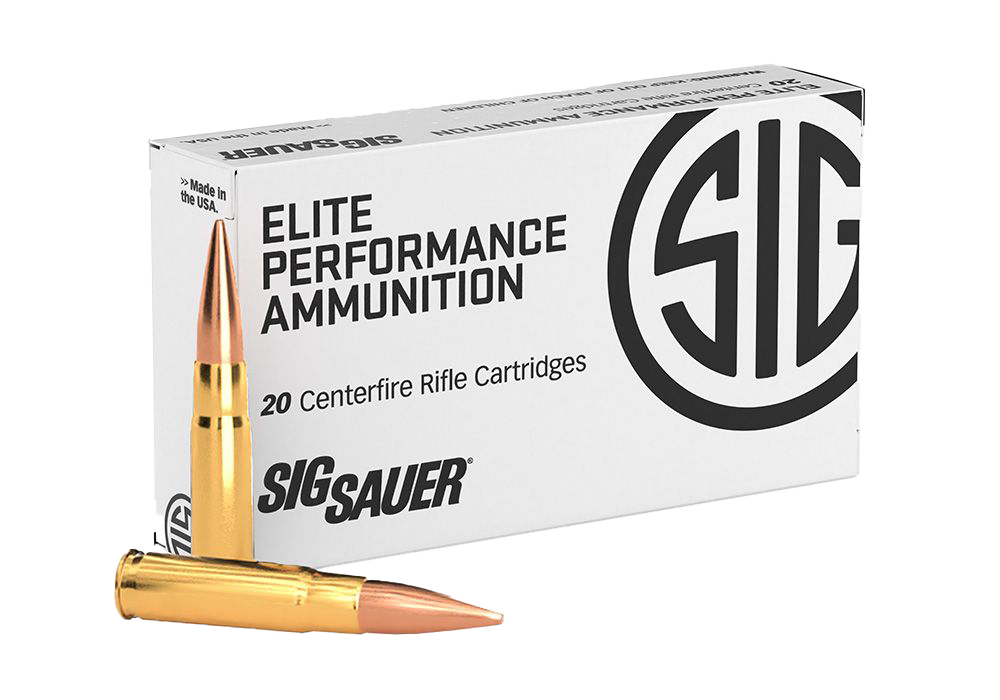
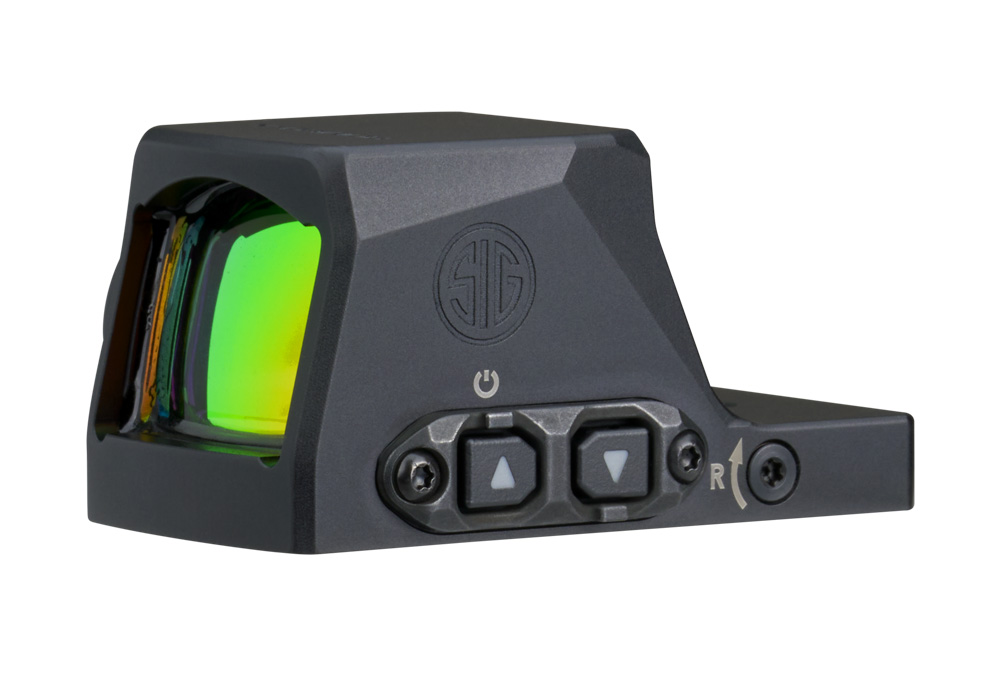
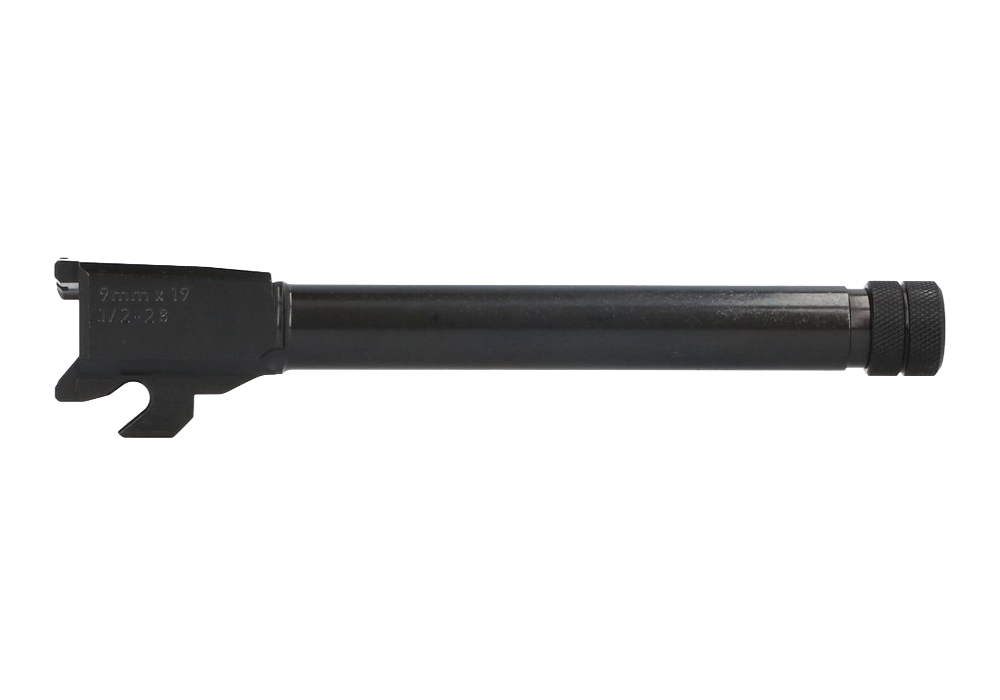
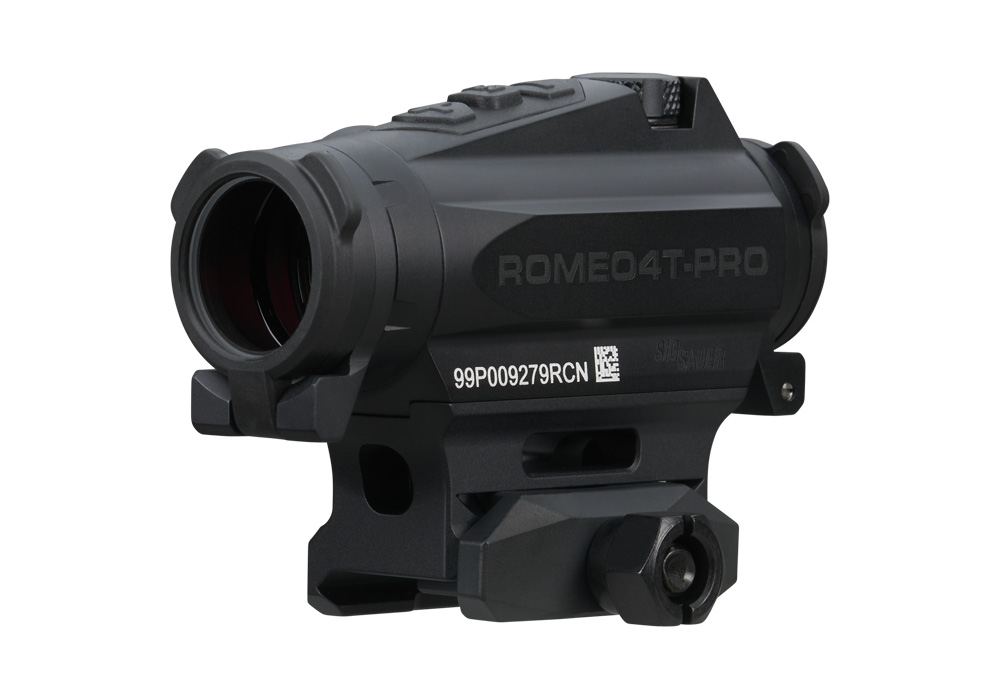
Top selling items in Iowa take on a different meaning in a shooting sports collection than they do in a statewide roundup of agricultural goods or regional gifts. Here, the focus is on firearms, ammunition, optics, and related equipment for lawful sporting activities, recreational range visits, and responsible ownership. The useful connection between these categories is how they fit into a person’s routine: an afternoon at an established range, an outdoor sporting tradition shared with family, or the regular care that keeps equipment in sound condition between outings. Iowa’s mix of open countryside, wooded areas, and indoor and outdoor recreation settings gives shoppers good reason to consider both everyday practicality and exposure to changing weather. During the cooler months, a clear morning can turn damp and windy, and equipment that travels between a heated vehicle and an outdoor setting may encounter condensation. Those ordinary circumstances put material quality, protective finishes, secure storage, and straightforward maintenance into perspective. A popular selection can offer a starting point for comparing categories, but popularity alone cannot establish suitability for an individual. Intended use, experience, physical fit, and compatibility with equipment already owned remain more meaningful considerations than a bestseller label. Someone new to shooting sports may value uncomplicated controls and access to qualified instruction, while a longtime participant may be more concerned with consistent handling and a familiar maintenance routine. For either shopper, the strongest connection between an item and its owner is practical rather than decorative. Equipment should suit the activity, meet applicable requirements, and feel manageable under appropriate supervision before a purchasing decision is settled. Viewed this way, an Iowa top sellers collection is less about following a trend and more about recognizing the qualities that matter across many different sporting routines: dependable construction, clear specifications, comfortable fit, and care requirements that an owner can realistically maintain.
Materials and fit influence those qualities in ways that are easy to overlook on a screen. Steel, aluminum, and reinforced polymers each serve different purposes, and the presence of one material does not automatically establish better quality than another. Steel components can contribute strength in areas subject to repeated mechanical stress; aluminum can balance structural support with lower weight; and polymer surfaces can offer practical handling characteristics without the same feel as metal. Overall construction, the quality of interfaces between components, and the suitability of the finish matter alongside the material itself. A protective surface treatment may help resist wear and moisture, but it does not remove the need for routine inspection or proper storage. For equipment handled regularly, texture should feel secure without becoming uncomfortable over an extended supervised session. Weight and dimensions deserve equal attention, particularly for a person who finds a larger or heavier configuration difficult to manage safely. Where hands-on evaluation is permitted, a qualified retailer or instructor can help assess basic fit with equipment verified clear and handled under established safety procedures. Compatibility also deserves close reading rather than assumptions based on appearance. Ammunition must match the firearm’s markings and manufacturer specifications exactly, and accessories should be expressly compatible with the equipment they accompany. Similar names or dimensions are not sufficient confirmation. With optics, shoppers can consider image clarity, readable controls, weather resistance, warranty terms, and the manufacturer’s stated mounting requirements without assuming that every configuration suits every activity. Glass and exterior surfaces also have different cleaning needs, so lens-safe supplies and the prescribed care process matter. The same practical thinking applies to protective equipment used during a range visit: comfort, appropriate performance ratings, and compatibility with prescription eyewear can determine whether it remains comfortable for the full session. These details help turn broad product categories into meaningful comparisons while keeping the emphasis on safe participation, dependable materials, and a fit that serves the person using the equipment.
Care and storage are part of ownership from the beginning, not finishing touches after the first outing. Moisture, dust, residue, and repeated contact with hard surfaces can affect condition over time, even when equipment sees only occasional use. Following the manufacturer’s inspection and cleaning schedule helps an owner distinguish ordinary maintenance from a concern that requires a qualified professional. Before any firearm maintenance, verify that it is unloaded, keep ammunition separate from the work area, and follow the supplied safety directions. Unfamiliar wear, damage, or changes in function call for professional assessment rather than improvised repairs. After a damp outdoor visit, attention to approved drying and storage procedures can be especially important; putting wet equipment into an enclosed case and leaving it there can trap moisture against vulnerable surfaces. Secure, locked firearm storage that prevents unauthorized access, with ammunition stored separately, remains essential in households of every size. A protective carrying case serves a different role from secure long-term storage, and neither should be treated as interchangeable without checking its intended purpose. Keeping manuals, compatibility information, and maintenance records together can simplify care and help another authorized adult understand the equipment’s requirements. For experienced enthusiasts receiving a gift, nonregulated accessories can be a thoughtful choice when the recipient’s preferences and compatibility needs are known. Eye and hearing protection, for example, still require attention to fit and appropriate ratings rather than selection by appearance alone. Firearms and ammunition involve additional legal and transfer considerations, so gift plans should be checked with a licensed retailer and against applicable law before proceeding. Shoppers interested in a neighboring state’s collection can also browse Top Selling Items In Nebraska for another regional selection within the same sporting context. Across these categories, lasting value comes from an appropriate match between the equipment, the activity, and the owner’s commitment to responsible care. For Iowa shoppers, that means looking beyond a popular label toward clear specifications, sensible material choices, reliable protection during transport and storage, and equipment that supports a safe, familiar routine through changing conditions.