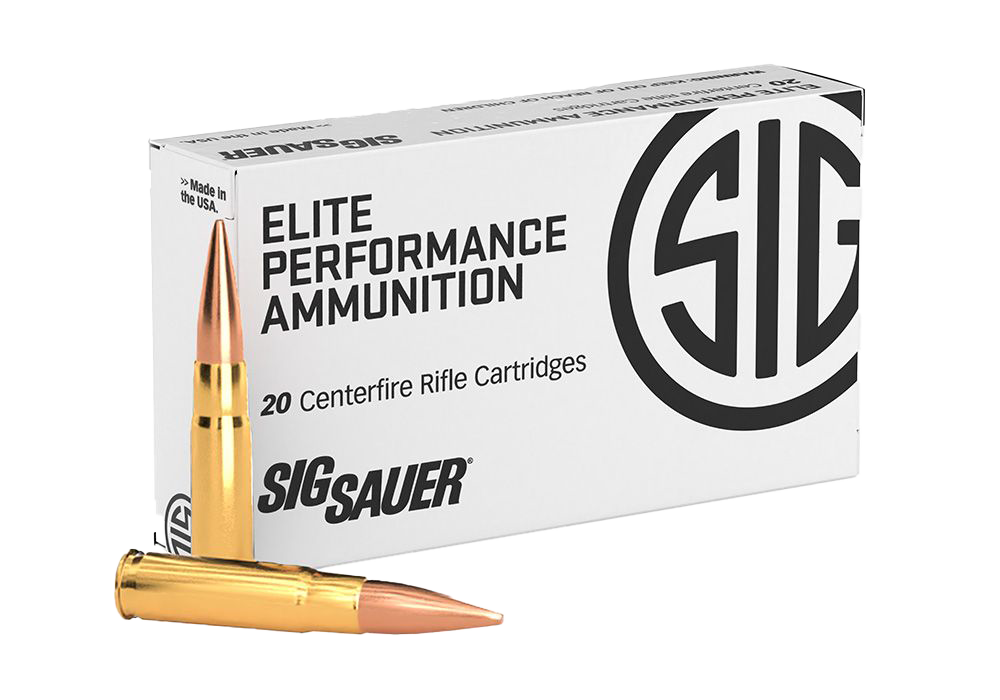
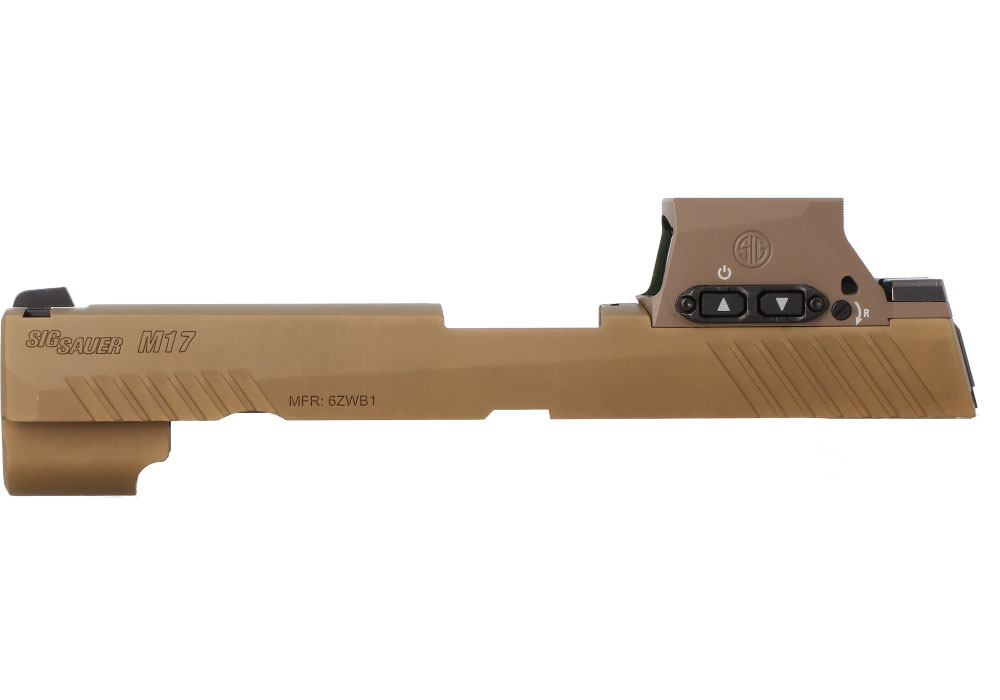
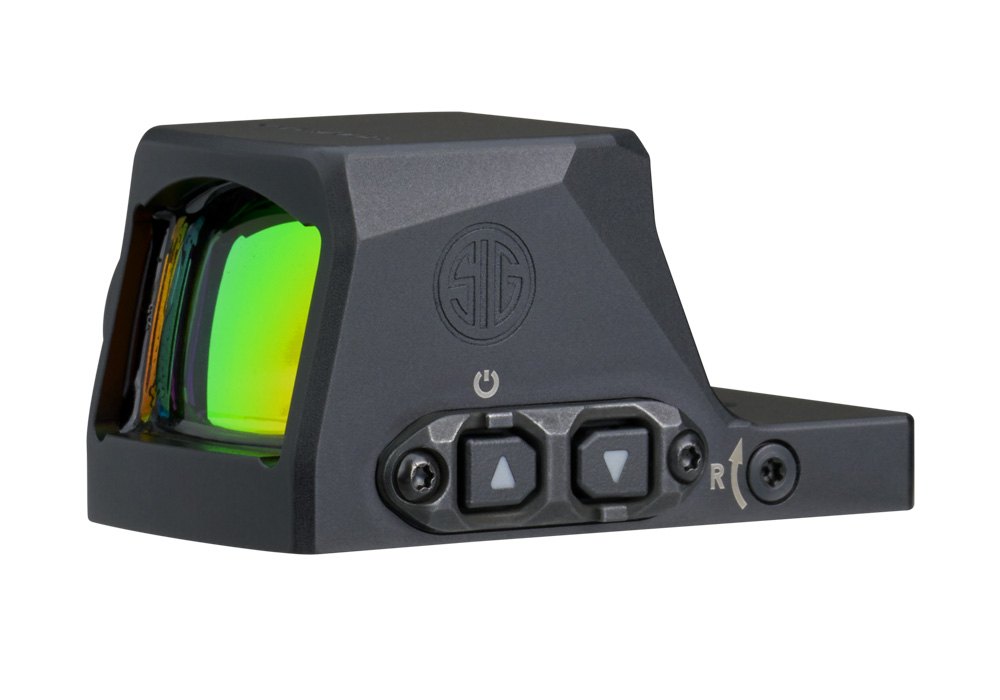
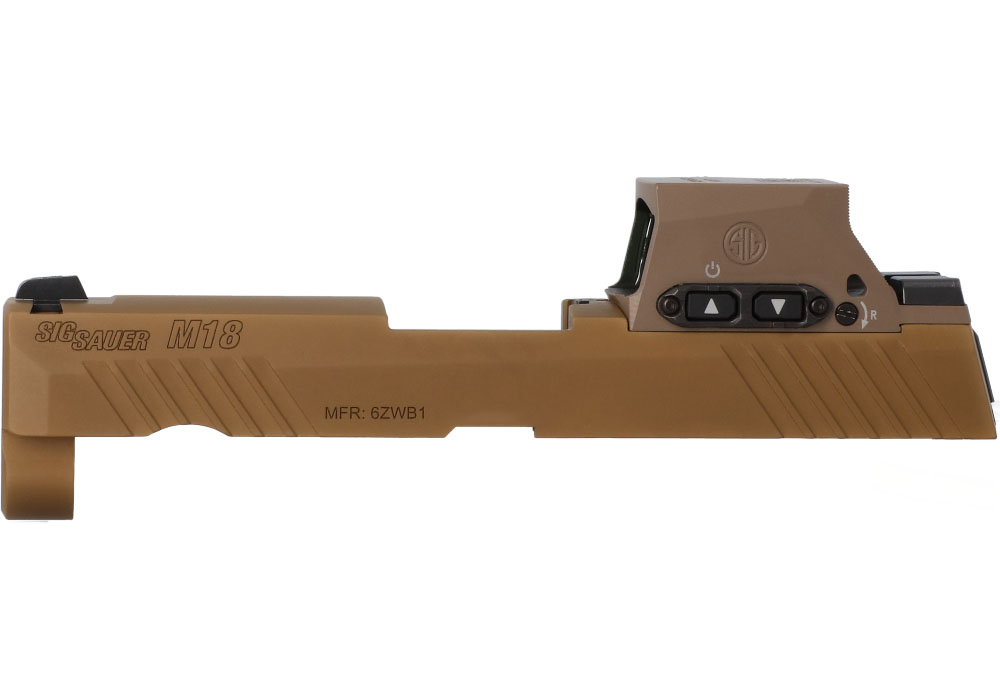
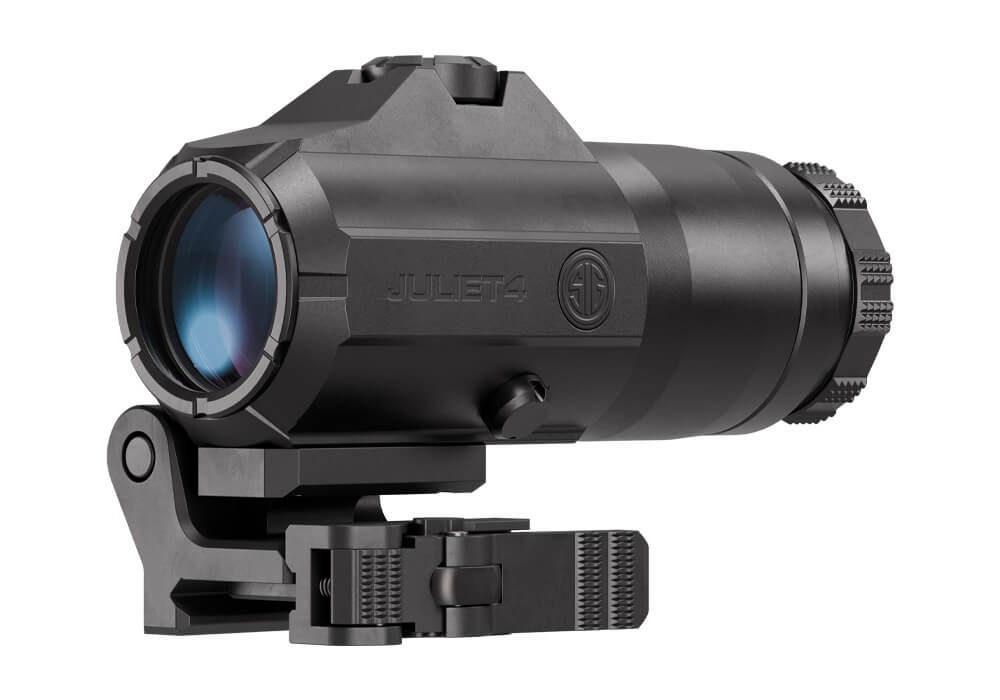
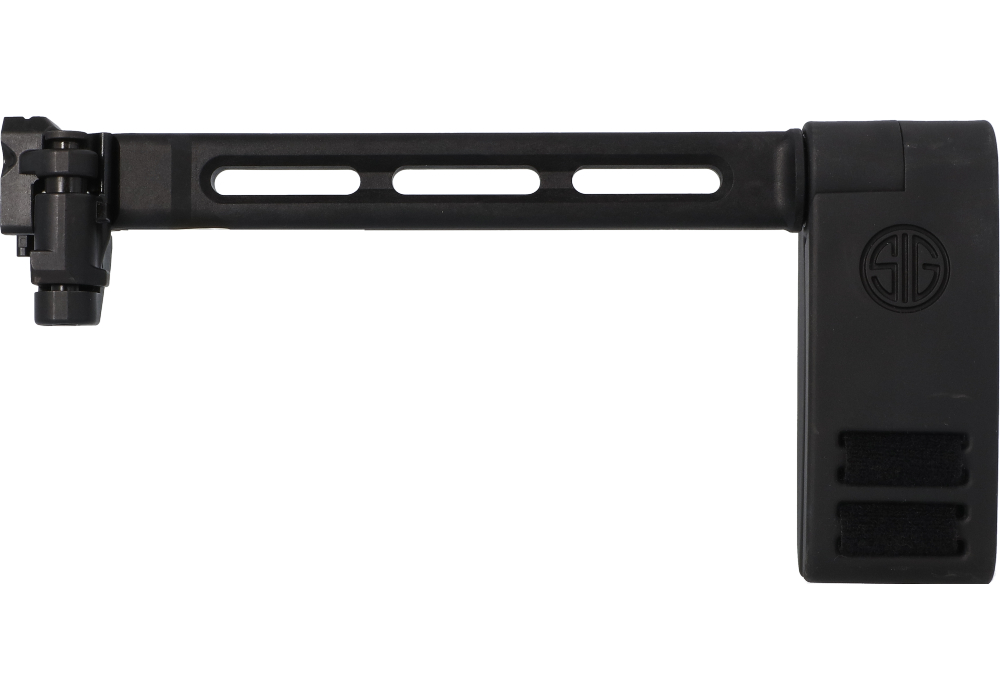
For shoppers exploring top selling items in Maryland, firearms, ammunition, optics, and shooting accessories reflect a range of interests, from recreational target shooting and organized practice to hunting where permitted and responsible personal ownership. These categories serve related purposes, but the right selection depends on the person, the setting, and the activity. Someone establishing a regular range routine may value comfortable protective equipment and straightforward maintenance, while an experienced participant may be more concerned with consistent handling, equipment compatibility, and long-term durability. Maryland’s mix of metropolitan communities, smaller towns, and rural areas brings different practical considerations to those decisions, including travel to a suitable facility and secure storage at home. A useful starting point is the intended role rather than appearance alone. Equipment for repeated range visits faces different demands from gear carried over longer distances during lawful field activities, and a comfortable fit matters in either setting. Grip dimensions, overall weight, balance, and ease of reaching controls can influence how naturally a firearm fits its owner. Protective eyewear needs to sit comfortably without interfering with hearing protection, while carrying cases should accommodate the equipment without allowing unnecessary movement. Optics introduce another set of considerations, including viewing comfort, physical dimensions, and compatibility with the equipment they accompany. Ammunition requires particular attention to the firearm manufacturer’s specifications and the rules of the intended shooting facility. None of these decisions benefits from assuming that popularity guarantees suitability. A frequently selected category can help narrow the field, but individual needs still determine whether a purchase supports comfortable, responsible use. For newer participants, qualified instruction can also provide context for choosing equipment without relying on appearance or another person’s preferences. Experienced owners often bring a clearer understanding of what fits their routines, whether that means a more organized range bag, easier-to-maintain surfaces, or protective equipment that remains comfortable throughout a scheduled session. Taken together, those everyday details explain why a well-considered shooting setup involves more than a firearm alone.
Materials and construction help distinguish equipment intended for occasional handling from gear expected to withstand repeated use. Depending on the category, steel, aluminum, reinforced polymers, coated fabrics, and protective interior padding each contribute different qualities. Steel can provide strength and wear resistance, aluminum can reduce weight, and reinforced polymers can offer practical durability with relatively little maintenance. The material name alone, however, does not tell the whole story. Surface finishes, the quality of joints and closures, and the way components fit together also affect the ownership experience. A protective case, for example, benefits from a dependable closure, secure carrying points, and an interior that keeps hard surfaces from rubbing against one another. A range bag is easier to live with when its compartments keep protective equipment separate from cleaning supplies and small accessories. For optics, clear viewing, secure adjustment controls, and manufacturer-specified compatibility are more meaningful than a long list of features without an obvious purpose. Lens care deserves the same attention as the housing: appropriate cleaning materials help protect optical surfaces, while protective covers can limit unnecessary contact during storage and transport. Firearms likewise benefit from cleaning and lubrication consistent with their manuals, along with periodic inspection for wear or damage. Harsh household chemicals, improvised tools, and excessive lubricant can create problems rather than solve them. Ammunition packaging and legible labels help preserve important identification information, and storage should follow the manufacturer’s recommendations. Suppressors, where lawful and appropriate, involve separate compatibility, maintenance, and regulatory considerations; they do not eliminate the need for suitable hearing protection. Across all these categories, durability is best understood as the ability to remain dependable with proper care, not an excuse to overlook maintenance. The owner who returns from the range, checks equipment condition, and restores an orderly storage arrangement is supporting the useful life of the entire setup. Thoughtful construction and consistent care work together, making routine ownership less cumbersome and helping equipment remain ready for its intended lawful use.
Shopping in Maryland also involves responsibilities that extend beyond fit and finish. Requirements can vary with the type of firearm, the transaction, and the purchaser’s circumstances, so eligibility, applicable permits or training, transfer procedures, and transportation rules warrant attention before a purchase. Federal requirements and Maryland law both matter, and a listing should not be treated as confirmation that every configuration is lawful for every buyer. Qualified retailers, official agency resources, and certified instructors can help clarify requirements within their respective roles. At home, secure storage is part of responsible ownership, particularly in households with children, visitors, or anyone who should not have access. Locking storage should suit both the equipment and the household, with access limited to authorized adults and ammunition secured appropriately. Organization matters here as much as it does at the range: manuals, maintenance records, and essential ownership information are easier to use when kept in a consistent place. For gift giving, general-purpose shooting accessories may be more practical than choosing a firearm or regulated component for someone else. Eye and ear protection, protective storage, and maintenance supplies can support an established interest, provided the recipient’s fit preferences and equipment requirements are understood. Even a seemingly simple accessory can be unsuitable if its dimensions, materials, or care requirements conflict with what the recipient already uses. A look at Top Selling Items in Virginia can add regional context, although neighboring states do not share every rule governing purchases, possession, or transport. Maryland shoppers are best served by viewing popular categories through the lens of their own lawful activities rather than assuming that a regional favorite will suit every situation. Comfortable fit, compatible components, appropriate protection, and manageable upkeep remain useful considerations across experience levels. Those fundamentals give shooting equipment lasting relevance, whether the goal is a first supervised range visit, a more consistent practice routine, or replacing worn gear within an established setup.