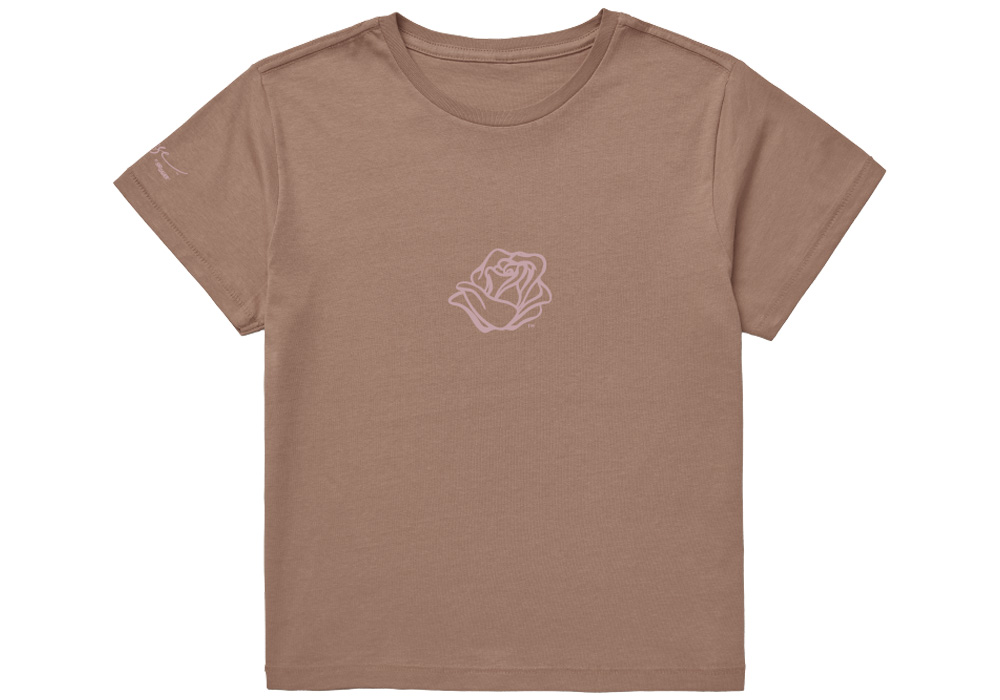
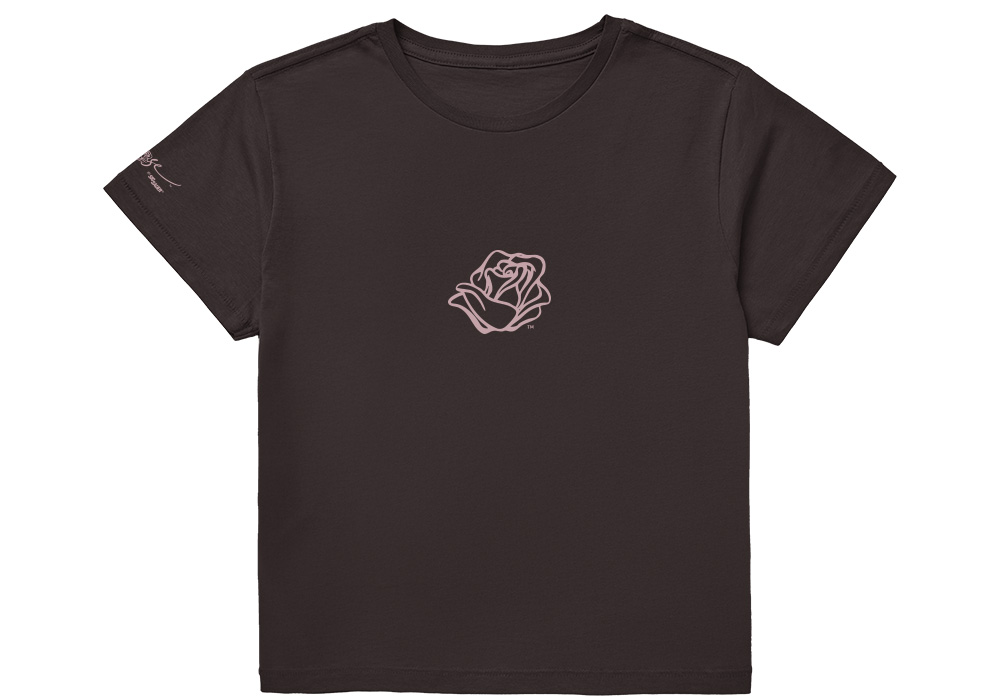
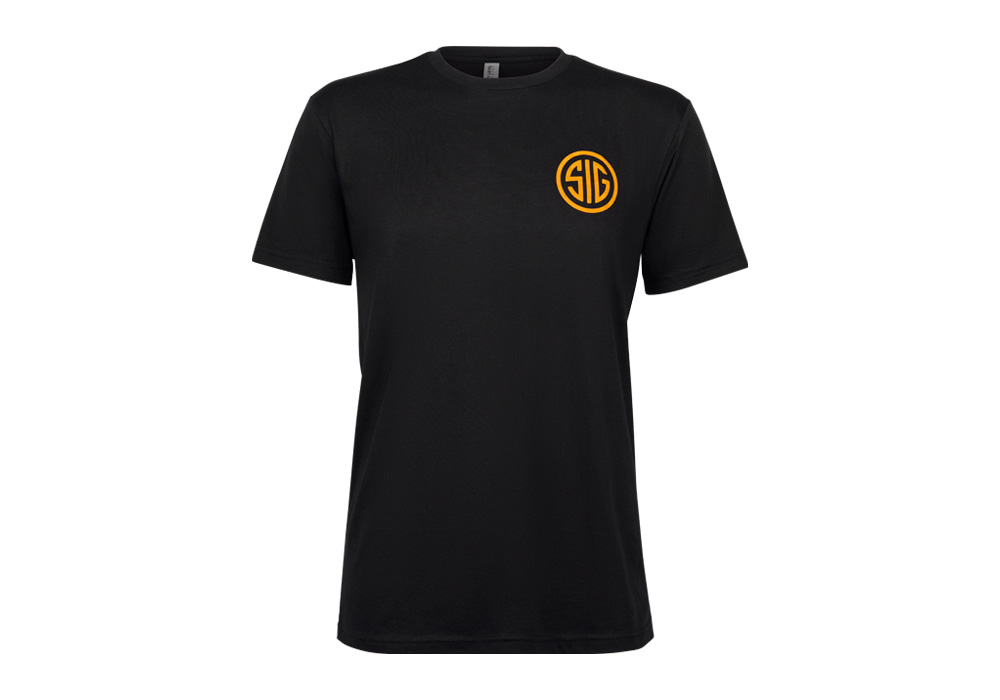
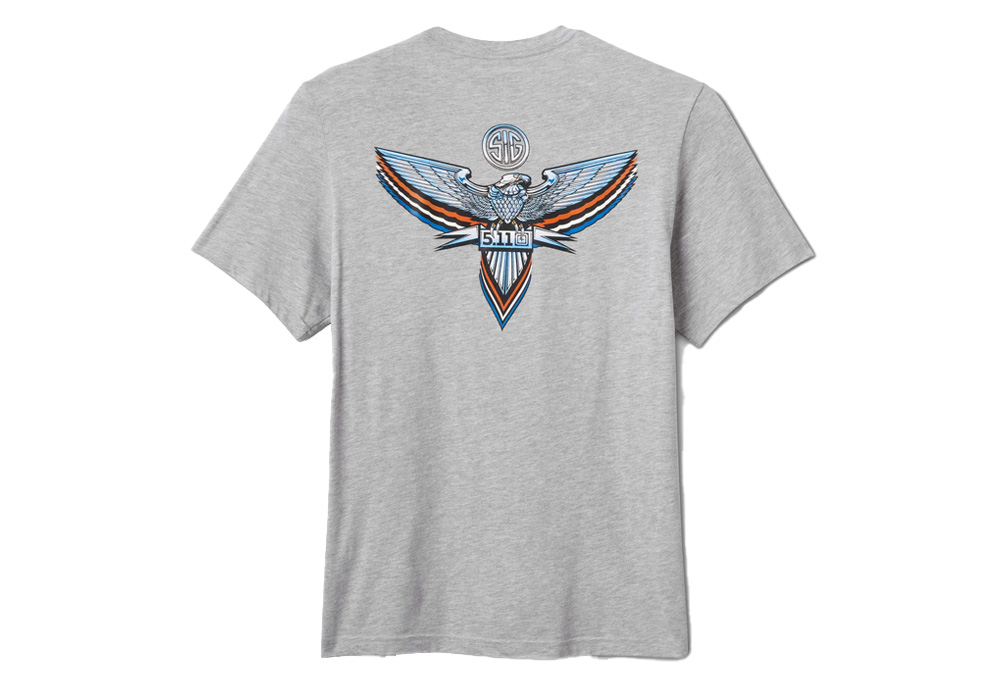
Women’s cropped graphic T-shirts give the artwork a prominent place without the extra length of a traditional tee. The hem might skim the top of a high-rise waistband or sit closer to the natural waist, depending on the cut and the wearer’s proportions. An inch or two can change how the whole outfit feels. A boxy crop leaves room through the chest and body and works well with straight-leg jeans, while a closer cut sits neatly under an open button-front shirt or a zip hoodie. A longer crop can meet the waistband of high-rise trousers without a tuck; a shorter one lets the waistband and belt stay visible. That shorter body can be especially comfortable when sitting down, since there’s less fabric to bunch at the waist. Sleeves matter to the overall shape, too. A wide sleeve carries the relaxed line of a boxy tee through the shoulder, while a narrower sleeve gives the same short hem a tidier outline. Then there’s the graphic. Bold lettering or a large illustration can carry an outfit built around plain denim and sneakers, while a small chest print pairs easily with patterned pants or an overshirt. With artwork across the back, the front stays simple and the design comes into view when the wearer turns. Print placement is especially noticeable on a crop: an illustration that fills the front gives the shirt a different look than the same design tucked high on the chest. For a coffee run or a casual lunch, a roomy graphic tee and high-rise jeans can be enough on their own. Worn beneath an open layer, that same tee adds color without leaving a long tail hanging below the outer hem. The shorter cut also sits neatly under overalls, where a longer shirt can leave extra fabric folded under the bib.
Fabric weight often tells more about how a cropped graphic tee hangs than the fiber list alone. A lightweight cotton jersey tends to fall softly against the body, giving a loose crop a less squared shape, while a heavier jersey tends to hold its outline away from the waist. A cotton-polyester blend can feel soft and help the shirt retain its shape through regular wear. A little stretch can make a closer cut more comfortable across the shoulders or chest, though a generously cut tee can offer plenty of room to move without stretch. In a light-colored shirt, knit density matters alongside weight: a closely knit jersey may offer more coverage than a looser knit of a similar thickness. The artwork can change how the fabric feels, too. Some prints are barely noticeable to the touch, while a solid block of color can feel firmer than lettering with plenty of open space around it. A wide print on a close-fitting shirt may feel different when the wearer reaches forward than a small graphic on a relaxed tee. A smooth neckline and even stitching at the hem are worth noticing on a shirt that will see frequent wear, since the short hem is usually left untucked and in full view. For care, the label is the best starting point. When the label allows, washing the shirt inside out in cool water helps reduce friction against the artwork, particularly in a load with jeans or zippered garments. Air-drying or using low dryer heat when permitted can help limit shrinkage. That matters when the hem lands exactly at the waistband and even a small change in length would alter the fit. Avoid ironing directly over the artwork, even if the surrounding jersey needs a quick press. A graphic tee will soften with wear, but gentle laundering can help the print stay clear and the neckline keep its shape.
Fit is easiest to picture alongside the clothes the tee will actually be worn with. A shirt that just meets the waistband of high-rise jeans may show a strip of skin with mid-rise denim, even when both pairs fit comfortably. Anyone who prefers more coverage can look for a longer crop and consider where the hem sits when reaching up or leaning forward, not only when standing still. When garment measurements are provided, a familiar tee is a useful comparison. Measuring from the high point of the shoulder near the neckline straight down to the hem gives a clearer sense of length than the size label alone. Comparing the width across the chest can help distinguish a roomy shape from a more fitted one without assuming that a shorter shirt is also narrower. The same details help when choosing a gift. For someone who already wears cropped tees with high-rise jeans or joggers, a graphic in colors that show up often in their wardrobe is likely to have an easy place in the mix. Someone who usually layers tees beneath open shirts might appreciate a front graphic that stays visible between the edges of the outer layer. For a recipient who favors soft jersey but is less particular about hem length, Cotton-Blend T-Shirt Gifts puts the focus on fabric feel rather than the cropped silhouette. If the shorter cut is part of the appeal, a relaxed shape can suit someone who likes a little room through the shoulders and waist, while a closer cut may be a better match for someone who prefers less fabric under a jacket. The most useful clue is often the tee already worn on repeat: its shape, the way its print fits into familiar outfits, and whether the hem hangs loose or stops neatly at the waistband.