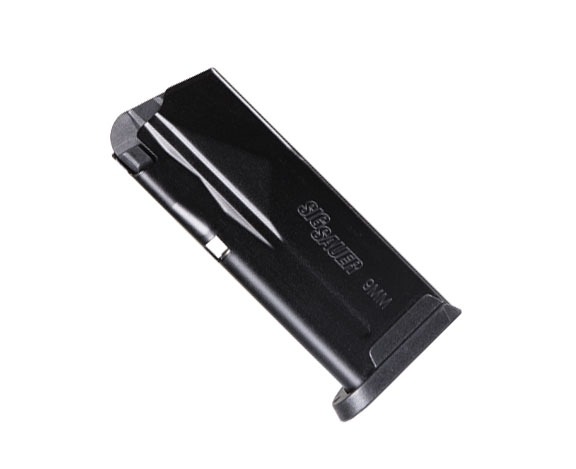
Ten-round magazines for fall range days offer a defined round count for recreational target shooting, organized practice, and range visits where a ten-round limit applies. Their value starts with straightforward organization: a consistent number of rounds can make ammunition use easier to track and target results easier to compare across separate strings of fire. That structure can support a deliberate pace, though magazine size alone does not improve accuracy or replace sound instruction. For someone spending an afternoon at an outdoor bench, attending a supervised range session, or sharing range time with an experienced shooting partner, a compatible magazine is a practical part of a familiar equipment setup. Fall outings add their own everyday considerations, from damp benches and windblown grit to gloves that change how small surfaces feel in the hand. A secure fit, sound construction, and a baseplate that is comfortable to handle matter more than styling when equipment moves between a range bag and a designated shooting station. Ten-round magazines may have compact bodies or retain dimensions similar to other magazines designed for the same firearm; the round count does not establish their overall size. Some fit close to the grip or magazine well, while others extend farther, depending on the platform and design. That difference can affect storage space, compatibility with magazine pouches, and comfort around a shooting bench. The broader 10 Rd Magazines collection provides a related category for shoppers considering this round count, with exact compatibility remaining the deciding factor for any selection. These magazines can also be relevant where laws or range policies restrict the number of rounds a magazine may hold, but a ten-round designation is not a universal guarantee of compliance. Applicable rules can differ by jurisdiction, firearm type, and intended activity. Checking current requirements for the destination, along with the range’s own policies, keeps the purchase grounded in the conditions under which the equipment will actually be used.
Materials and fit deserve close attention because a magazine is more than a container for ammunition. Its body, feed lips, follower, spring, and baseplate work together as an assembly, and the dimensions of those components must suit the firearm. Metal bodies can offer rigid construction with relatively thin walls, while polymer bodies can offer low weight and resistance to some forms of surface corrosion. Neither material is automatically the better choice for every application. Design, manufacturing consistency, protective finishes, and compatibility all influence long-term service. Metal components still need appropriate protection from moisture, and polymer construction does not eliminate wear or the need for inspection. For fall range use, repeated contact with damp gear, dusty benches, and crowded storage compartments can matter as much as the conditions on the firing line. A smooth exterior is convenient to wipe clean, while surface texture and baseplate shape can influence handling comfort with cold fingers or suitable range gloves. Those details remain secondary to confirmed fit. Matching caliber is necessary, but it is not enough: firearm model, size, generation, and manufacturer-stated compatibility can all be relevant. Two magazines that look similar or hold the same number of rounds are not necessarily interchangeable. Likewise, a ten-round version is not necessarily shorter than another version for the same platform, so assumptions based on photographs or round count can lead to a poor match. Published dimensions and compatibility information are more useful than appearance alone. The baseplate also deserves consideration when the firearm has a particular grip configuration or magazine-well design, since surrounding components can affect clearance. For recreational shooters who prefer keeping their equipment consistent, staying with a verified fit simplifies packing and identification. For those who use more than one firearm, clearly distinguishing magazines by their intended platform helps prevent confusion at the bench. A thoughtful selection therefore balances material preferences and handling comfort with the less visible details that determine whether the magazine belongs with the firearm in the first place.
Care and storage help preserve that fit and condition through repeated range visits. A fall afternoon can leave moisture on equipment even without steady rain, and a closed range bag can conceal a damp pocket or a wet cloth long after the trip home. Magazines benefit from being inspected and stored clean and dry, with care performed according to the manufacturer’s instructions. Any inspection or cleaning should take place with the magazine unloaded, ammunition set aside, and the firearm safely secured. Visible corrosion, cracks, distorted feed lips, or a damaged baseplate warrant attention rather than an assumption that the magazine remains suitable for use. Followers and springs also deserve consideration when evaluating condition, but service procedures and replacement decisions should follow the manufacturer’s guidance or qualified professional advice. Cleaning products and lubricants are not interchangeable across all materials, and more lubricant is not necessarily better; excess residue can collect debris. A protective pouch or an organized compartment helps keep magazines separated from loose tools and other objects that might scratch surfaces or press against exposed components. The same attention to organization is useful when a range visit stretches from bright afternoon light into a colder late-day departure: having a designated place for each magazine makes equipment easier to account for before leaving. For regular recreational shooters, compatible spare magazines can reduce interruptions associated with preparing equipment between supervised shooting sessions, without changing the need to follow range commands and safe handling practices. They can also be practical gifts for a responsible firearm owner when the giver knows the exact firearm compatibility and applicable legal requirements. Guessing from a general firearm description or a shared caliber is not enough. A well-chosen magazine is an understated accessory, valued for fitting correctly, holding its specified ten rounds, and remaining serviceable with appropriate care. Across fall range days and later cold-weather outings, those qualities give the category its lasting appeal: useful equipment selected for a known purpose, packed with care, and maintained with the same attention as the rest of the range setup.