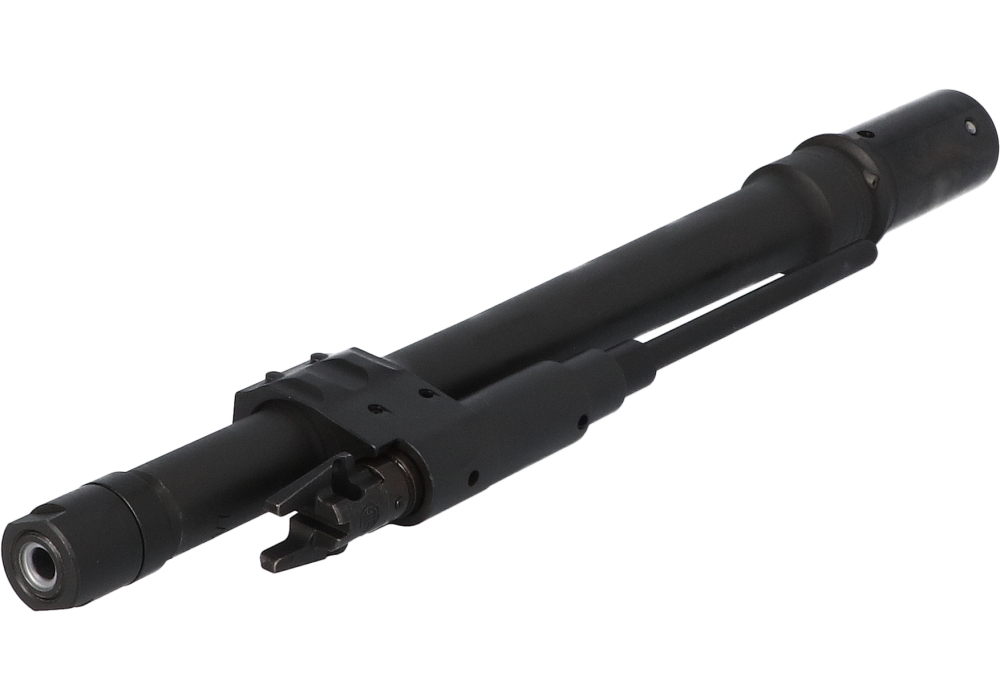
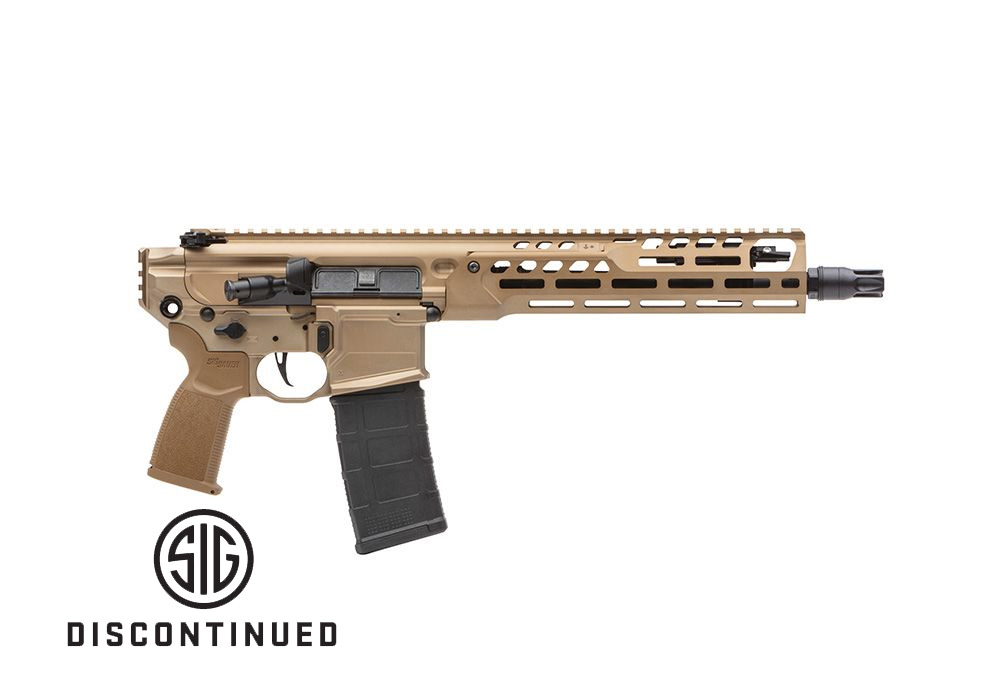
An 11.5 In Rifle Parts setup is built around a compact 5.56 NATO configuration that balances maneuverability, practical velocity, and familiar rifle controls. For many builders, the starting point is an 11.5-inch barrel paired with a carbine-length gas system, since these dimensions are commonly selected to support dependable cycling in a short-barreled arrangement. Barrel profile, material, chambering, twist rate, gas-port dimensions, and muzzle threading all deserve attention before adding the remaining components. A properly matched barrel and gas system help create a more predictable shooting experience, while a complete upper receiver assembly can simplify the process by bringing together the barrel, gas system, handguard, and related components in a compatible package. When selecting an upper, confirm that the bolt carrier group, charging handle, and barrel extension specifications are appropriate for the intended configuration. A bolt carrier group should be inspected for correct fit and finish, and it should be paired with a barrel chambered for the same cartridge. Ammunition selection matters as well: 5.56 NATO and .223 Remington may have overlapping uses, but chamber markings and manufacturer guidance should always be followed. An 11.5-inch barrel is often chosen for close-quarters training, vehicle storage, home-defense preparation where lawful and appropriate, and range use where a shorter overall setup is convenient. It can also suit experienced shooters who want a compact platform for movement drills or professional applications, although a shorter barrel may produce less velocity and more pronounced muzzle blast than a longer rifle barrel. Those tradeoffs are part of the appeal and should be considered alongside the intended distance, ammunition, optics, and hearing-protection plan.
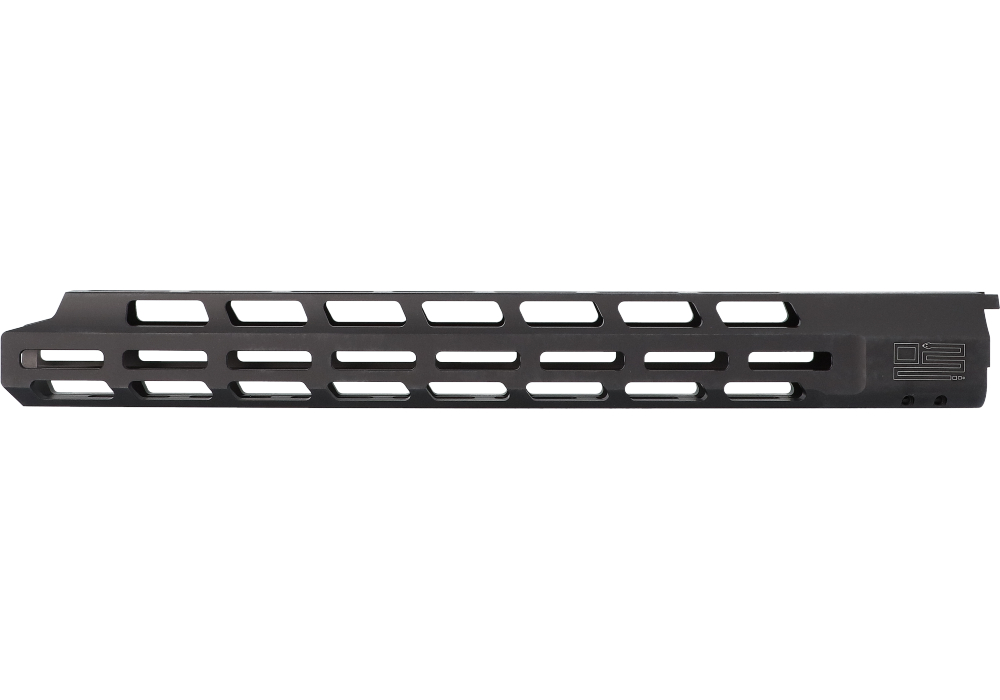
Handguards for an 11.5 In Rifle Parts build are generally shorter than those used on a full-length rifle, often leaving enough clearance for the gas block while providing a stable mounting surface for an optic, light, sling attachment, or other compatible accessory. A free-float handguard may help reduce unintended contact with the barrel and can offer a clean, comfortable grip, while a lightweight rail can preserve the compact character of the setup. Measure carefully before purchasing, especially when a muzzle device or suppressor is part of the plan. The handguard should provide adequate clearance around the gas system and any accessory mounted at the muzzle. Gas blocks, gas tubes, roll pins, barrel nuts, and handguard hardware must be selected as a compatible group; small dimensional differences can prevent proper installation or create alignment problems. Muzzle devices also deserve close attention. Flash hiders, compensators, and muzzle brakes can influence flash, blast, recoil movement, and overall handling, while suppressor mounts must match the suppressor’s mounting system and thread specifications. Suppressor use may alter backpressure and cycling characteristics, so a setup that runs well unsuppressed may require different buffer or gas-system tuning when suppressed. Buffer weights, action springs, and receiver extensions should be evaluated together rather than chosen in isolation. Reliable function depends on the relationship between the barrel, gas port, carrier, buffer, spring, ammunition, and shooting conditions. A replacement part can be useful for maintenance, a spare-parts kit can help keep an established rifle running, and a carefully selected component may be a practical gift for an experienced firearm owner who already knows the specifications of their build. For routine inspection, replacement hardware, cleaning accessories, and service-related components, explore Parts For Rifle Maintenance to help keep compatible equipment organized and ready for use.
Before purchasing or assembling an 11.5 In Rifle Parts configuration, confirm the legal requirements that apply to the finished firearm in the place where it will be owned and used. In the United States, attaching an 11.5-inch barrel to a receiver configured with a shoulder stock may create a short-barreled rifle under federal law, subject to registration and other requirements; state and local rules may add further restrictions. A firearm configured without a stock may be treated differently under applicable law, but classification can depend on the complete configuration, the order of assembly, and current regulations. Product pages and general descriptions should not replace guidance from the Bureau of Alcohol, Tobacco, Firearms and Explosives, state authorities, or a qualified firearms attorney. Builders should also verify whether a muzzle device, suppressor, lower receiver, or other component is regulated where they live. For installation, use the correct armorer’s tools, follow the component manufacturer’s torque and alignment instructions, and have a qualified gunsmith inspect work involving the barrel, gas system, headspace, or fire-control function. After assembly, perform a careful unloaded inspection before live fire, confirm that the bore is clear, and test function with appropriate ammunition in a controlled range environment. Eye and hearing protection are essential, particularly with compact barrels that can produce increased blast and concussion. Store the completed firearm unloaded and secured from unauthorized access, and keep ammunition separate when appropriate for the household. During the cooler months, changes in temperature, condensation, and storage conditions can affect metal surfaces and lubricants, making periodic inspection especially useful. Whether the goal is a compact range rifle, a replacement component for an established setup, or a carefully planned project for an experienced enthusiast, selecting matched 11.5-inch components and respecting compatibility, maintenance, and legal requirements helps support safe, dependable ownership.