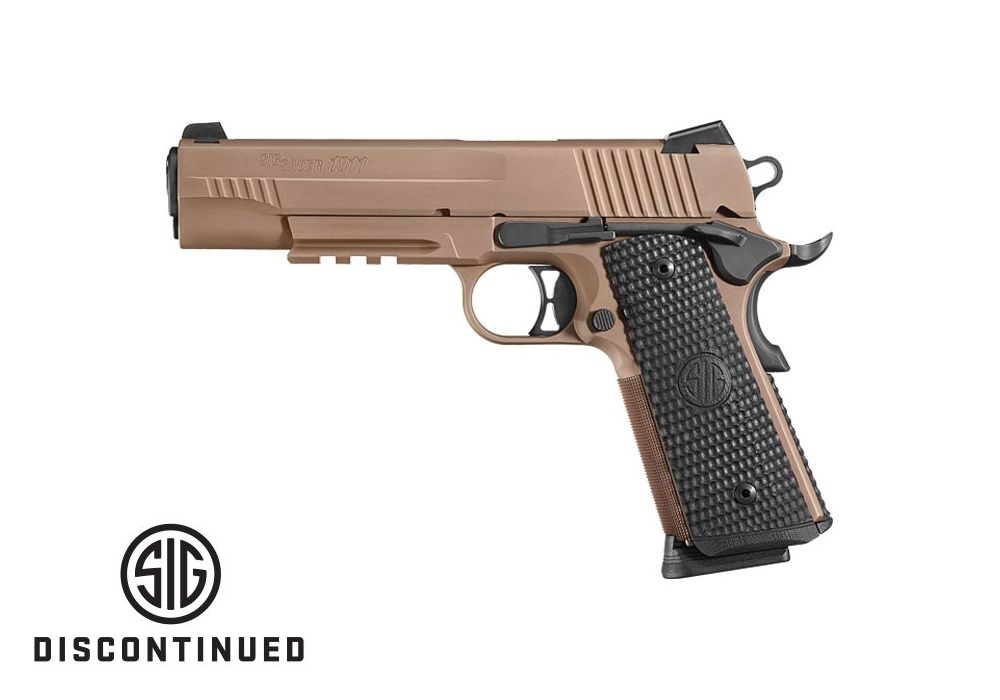
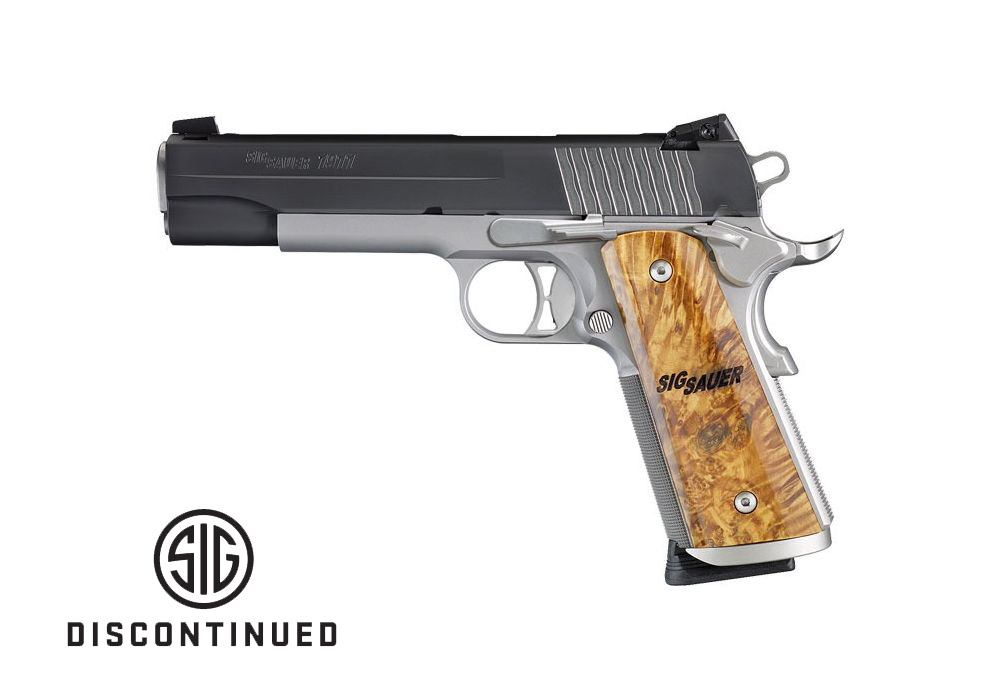
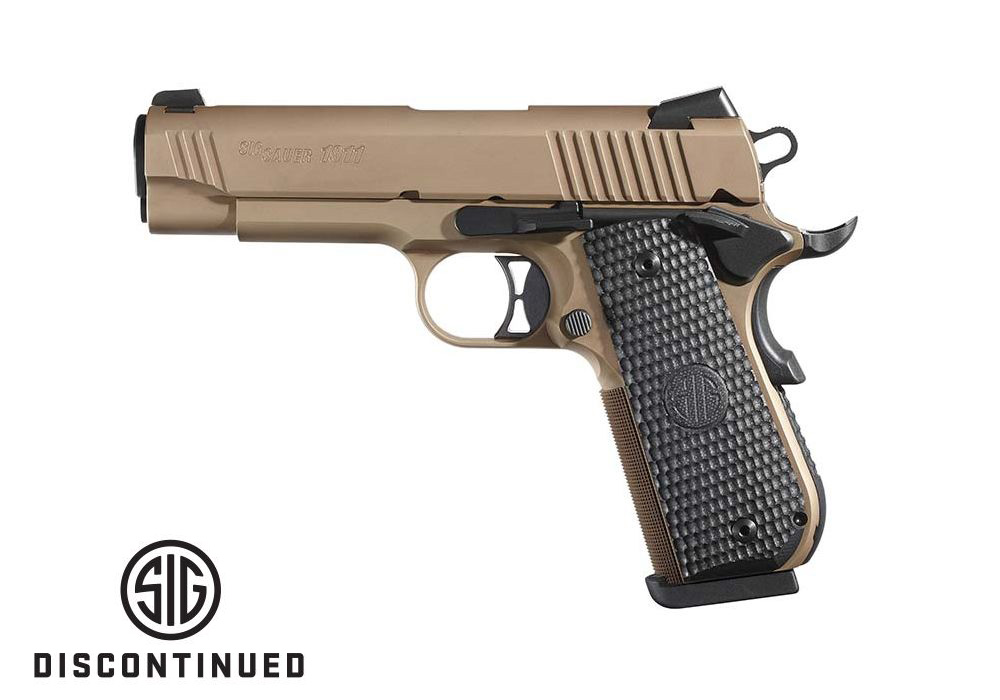
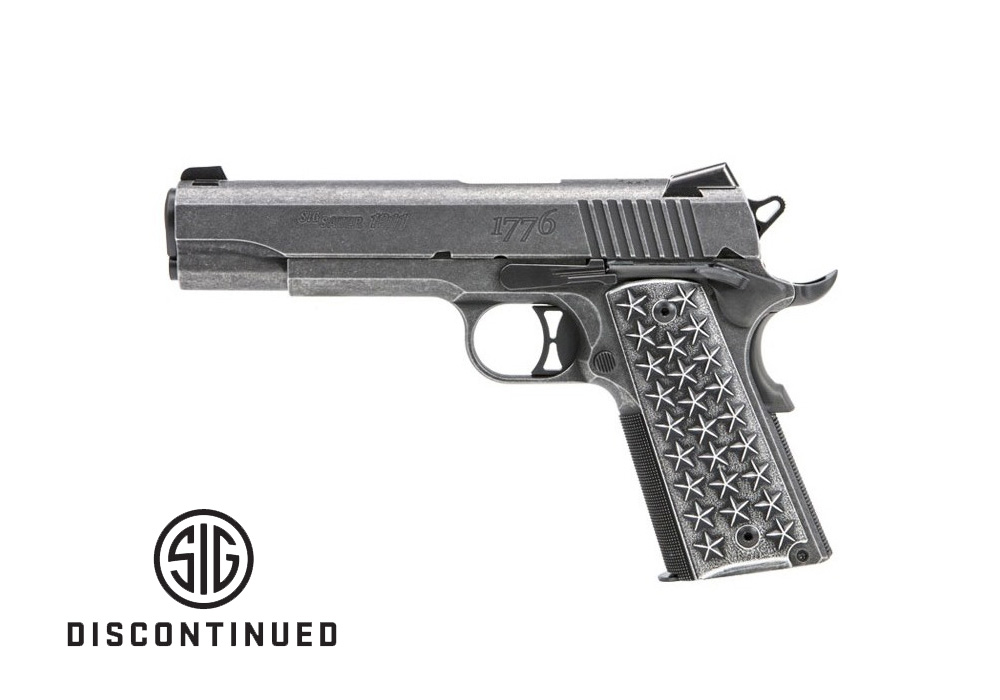
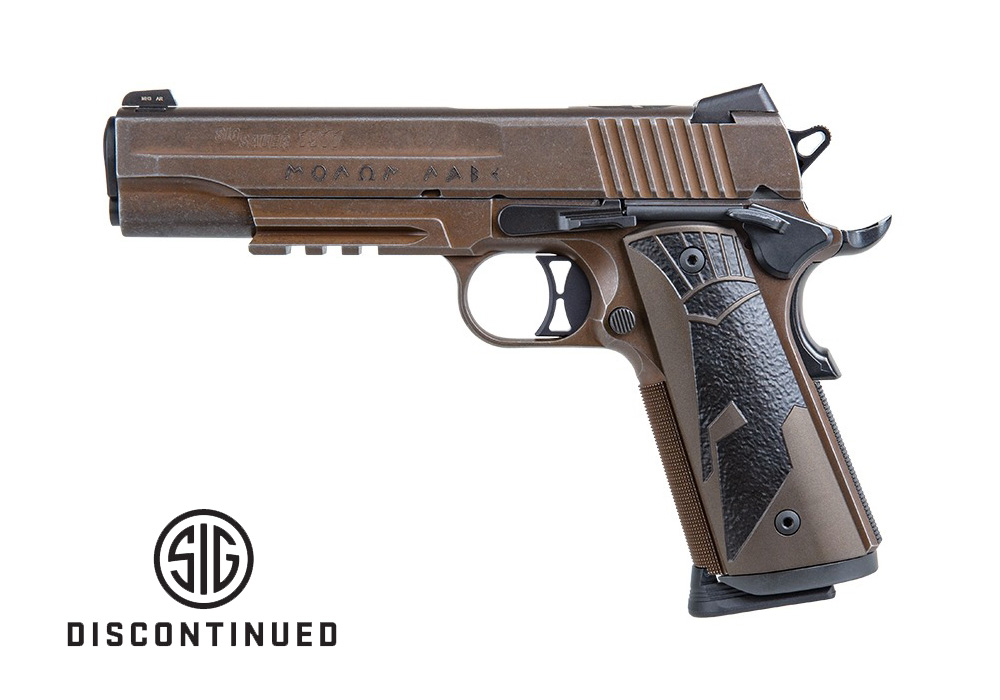
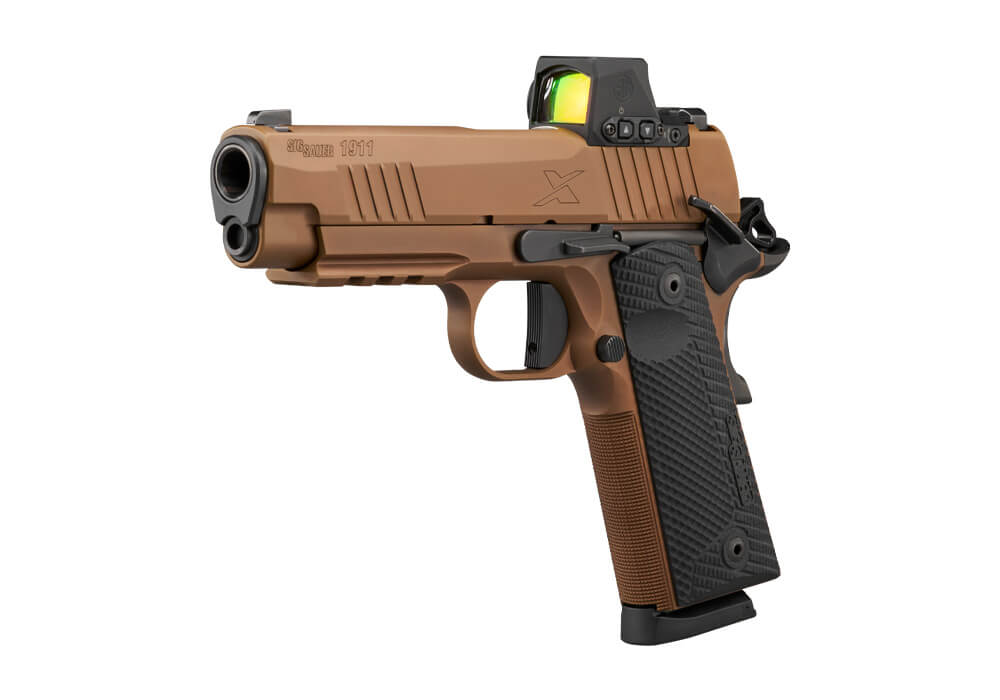
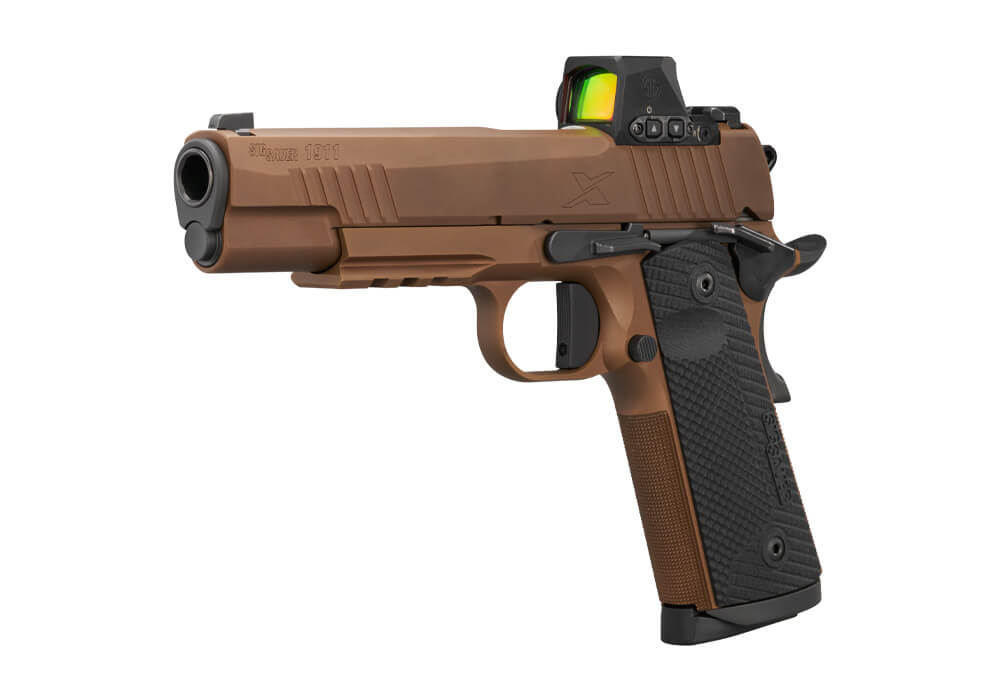
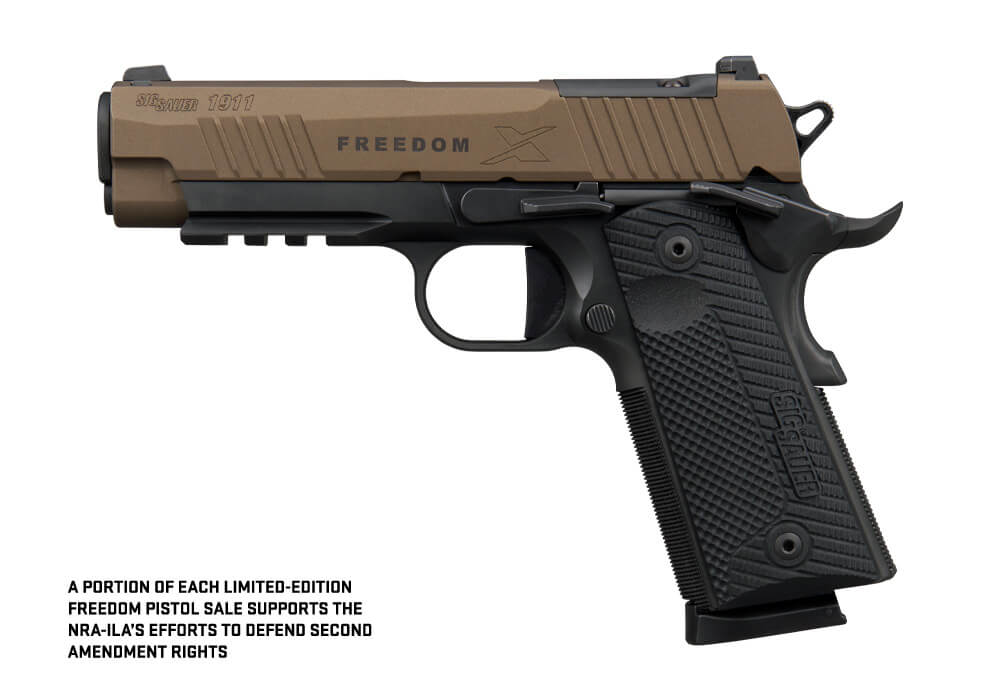
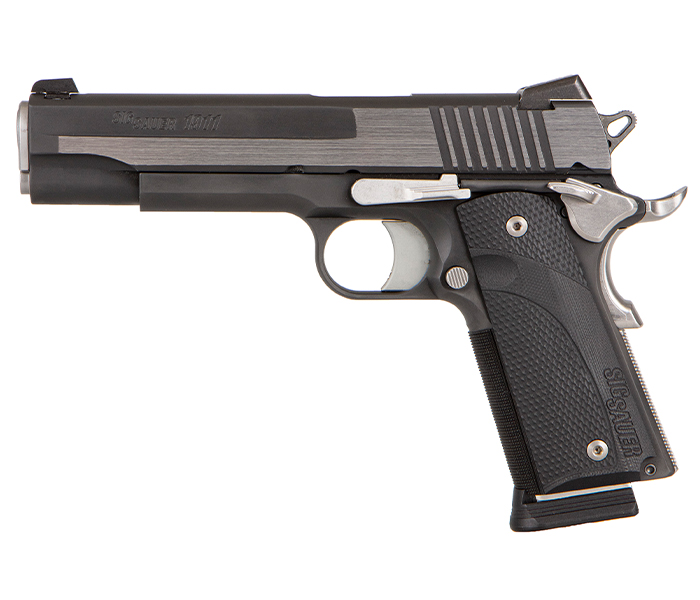
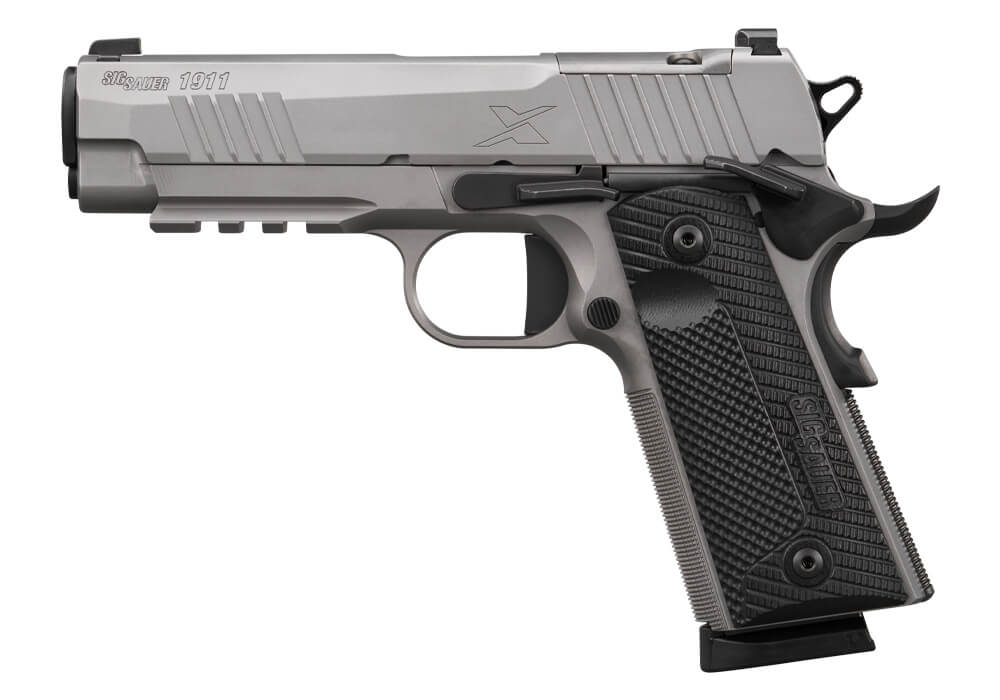
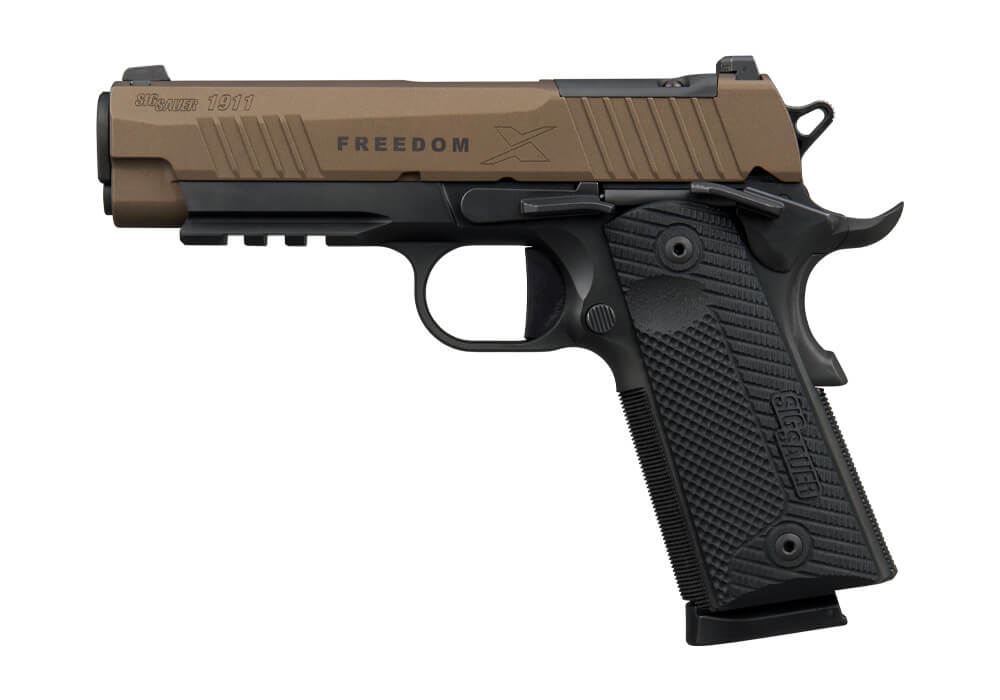
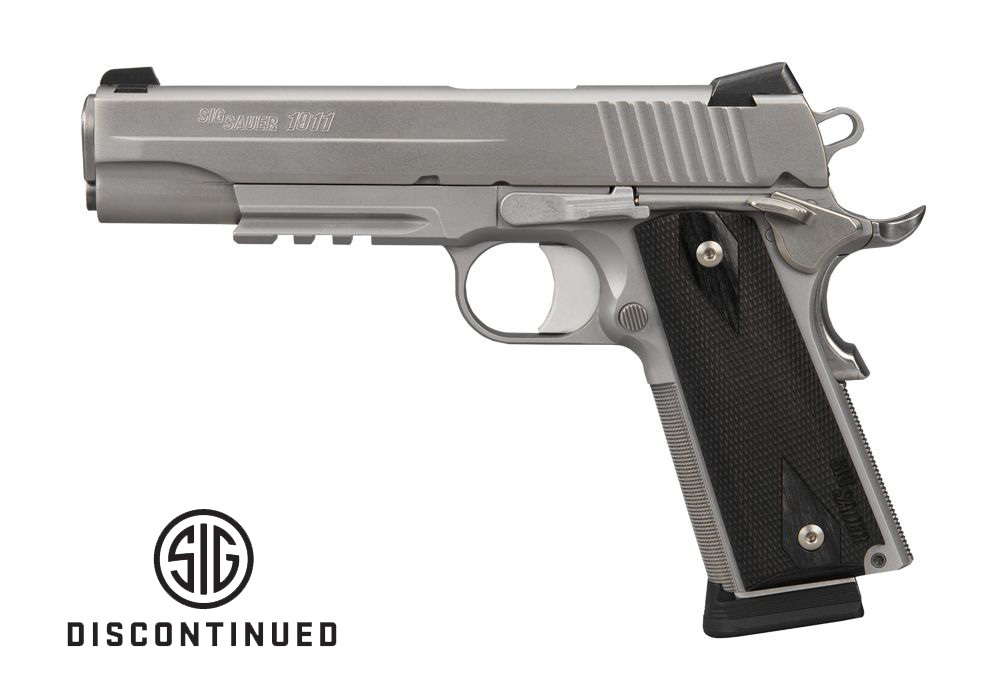
1911 .45 ACP pistols with traditional slides appeal to shooters who value the familiar profile, handling characteristics, and visual simplicity of the original design. A traditional slide has a rounded top contour rather than a blockier modern profile, giving these pistols the classic appearance associated with early service-pattern 1911s. The .45 ACP cartridge adds to that sense of heritage while remaining a practical choice for range use, training, collection, and lawful defensive applications. Full-size models commonly feature a 5-inch barrel, a steel frame, and a standard-capacity single-stack magazine, creating a substantial pistol with a steady feel in the hand. That weight can soften felt recoil and help the pistol track naturally between shots, especially during deliberate practice. Many shooters appreciate the way a 1911 settles into the palm, with its slim grip panels, pronounced beavertail or traditional grip safety, and short, straight-to-the-rear trigger pull. The experience is tactile and deliberate: the checkering catches the hand, the slide moves with a firm mechanical rhythm, and the sights return to the target after each shot. Traditional-slide models can also fit naturally into a wide selection of classic leather, modern Kydex, and other holsters designed around the familiar 1911 outline. When comparing options, consider intended use, overall size, finish, grip material, magazine availability, and the type of controls that feel most intuitive. A pistol intended primarily for a range bag may be selected for its full-size sight radius and classic appearance, while one carried in a suitable holster may call for attention to weight, edge treatment, retention, and compatibility with the rest of the carry system. Always confirm local laws, storage requirements, and any restrictions that apply before purchasing or transferring a firearm.
Sight configuration is one of the most noticeable differences among 1911 .45 ACP pistols with traditional slides. A basic GI-style configuration may use small, fixed sights that closely echo early service pistols. These sights preserve the clean lines and period-correct character many collectors want, though their compact dimensions may take more practice to use quickly, particularly in changing light. Other traditional-slide models retain the rounded profile while adding practical upgrades such as dovetailed combat sights, a three-dot arrangement, or a high-visibility front sight. A fiber-optic front can stand out on a bright range, while a bold front-and-rear combination may provide a clearer reference for defensive training. The choice is personal, and it is worth considering the kind of shooting that will occupy most of the pistol’s time. Trigger system details also deserve attention. Some 1911 designs use a Series 70-style arrangement, while others incorporate a Series 80-style firing pin safety. Neither description alone determines the quality of a pistol, but the distinction can influence trigger feel, maintenance preferences, and the features a buyer expects. Examine the thumb safety, grip safety, magazine release, slide stop, and serration pattern as a complete system. Controls should be easy to operate without shifting the firing grip, and slide serrations should provide a secure grasp during loading, unloading, or malfunction clearance. Grip panels in checkered wood, textured synthetic material, or other durable finishes can change both appearance and control. Buyers who prefer a darker, understated presentation may also want to compare this category with 1911 45 ACP Pistols With Black Grips. Finish selection matters as well: stainless surfaces can offer a bright, classic appearance and straightforward care, while darker coated or blued finishes create a subdued look that many shooters associate with traditional 1911 styling. Regardless of finish, wipe away fingerprints and moisture after handling, inspect the bore and action regularly, and follow the manufacturer’s instructions for lubrication and service.
These pistols can serve a wide range of responsible owners. A new shooter may choose a traditional-slide 1911 as a way to learn disciplined fundamentals with a platform that rewards a consistent grip, careful sight alignment, and smooth trigger control. An experienced range shooter may prefer the familiar balance of a full-size .45 ACP for slow-fire groups, timed drills, or practical competition, where the longer sight radius and crisp trigger make small improvements easy to notice. Collectors may be drawn to the historical lines, exposed hammer, arched or flat mainspring housing, and classic grip proportions, while a family member may consider one as a significant gift for a properly licensed recipient who has expressed a clear interest in 1911 pistols. Firearms should always be given and received in accordance with applicable laws, and a gift should never be a surprise when the recipient’s training, storage, and legal eligibility have not been confirmed. For any use, plan on professional instruction and regular practice before relying on a pistol for personal protection. Begin with safe handling and unloaded familiarization, then practice loading, unloading, sight alignment, trigger control, and malfunction procedures under qualified supervision. Use only appropriate .45 ACP ammunition, and check that magazines lock securely and feed reliably with the chosen load. A secure holster that fully covers the trigger guard, a sturdy belt, eye and ear protection, and locked storage are essential parts of responsible ownership. During cooler months, heavier clothing can affect draw practice and concealment, so training should account for garments, safe presentation, and the possibility of changed grip conditions. Whether displayed in a collection, carried to the range, or selected for a carefully planned defensive setup, a traditional-slide 1911 is best matched to the owner’s hands, habits, and purpose. Taking time to compare sight styles, safety systems, grip textures, finish options, magazine standards, and support equipment helps ensure the final choice feels dependable from the first careful inspection through years of practice.