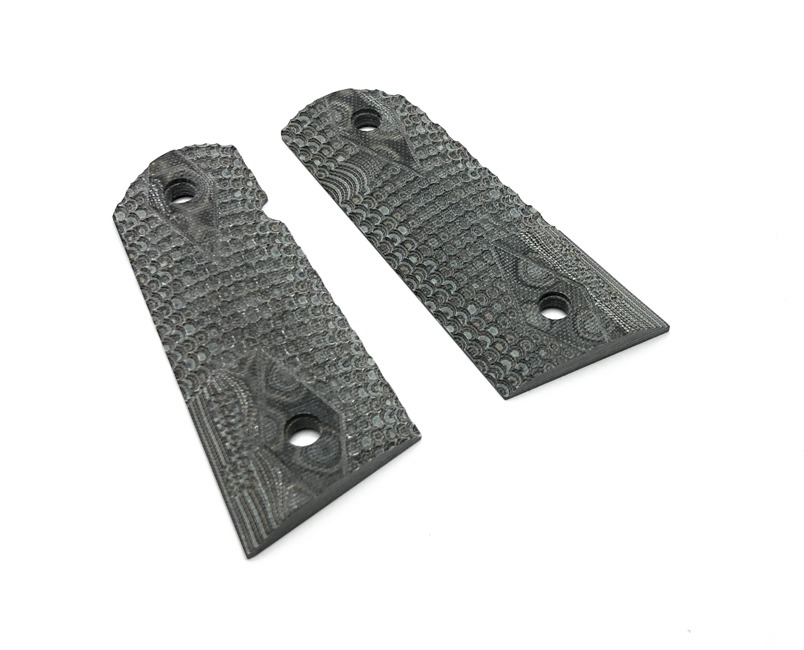
1911 Compact Parts are intended for owners who want to maintain, refresh, or tailor a shorter 1911 platform without losing the familiar controls, balance, and mechanical character that make the design so enduring. Compact and Officer-style pistols may share the same basic operating system as a full-size 1911, but their reduced slide and frame dimensions mean that many components are not interchangeable. Before selecting a replacement or upgrade, confirm the pistol’s exact configuration, including frame size, barrel length, caliber, series designation, and manufacturer specifications. A part designed for a five-inch Government model may not fit an Officer-size or other compact pistol correctly, even when the component appears nearly identical. Compact grips, abbreviated recoil spring assemblies, bushings, firing pins, extractors, mainspring housings, magazines, and small internal components can each vary in dimensions and fit. Checking the owner’s manual, manufacturer documentation, and a qualified gunsmith’s recommendations is especially important when working with components that affect lockup, ignition, extraction, or cycling. For owners who also maintain a full-size 1911, the parts categories can look familiar while the actual dimensions and spring rates differ; the broader selection of 1911 Fullsize Parts may be useful for comparison, but it should not be treated as a substitute for compact-specific components. A careful fit is more than a matter of appearance. Properly matched parts help preserve reliable operation, support consistent trigger and grip geometry, and reduce the chance of unnecessary stress on the slide, frame, or small moving components.
Recoil system maintenance deserves particular attention on compact 1911 pistols because the shorter slide has less travel and less time to complete each stage of the firing cycle. The recoil spring, guide rod, plug, and related components work together as the slide moves rearward, extracts and ejects a fired case, cocks the hammer, and returns the slide to battery. A spring that has weakened with use may contribute to sluggish return, inconsistent feeding, unusual felt recoil, or increased impact at the rear of the frame. A spring that is too strong can create its own problems, including failures to cycle fully or difficulty hand-cycling the action. Spring life varies with caliber, ammunition, lubricant, shooting conditions, and the specific design of the pistol, so there is no universal replacement interval. As a practical maintenance reference, many compact 1911 owners inspect the recoil spring regularly and consider replacement somewhere in the broad range of approximately 500 to 1,800 rounds, following the firearm manufacturer’s guidance whenever it differs. Frequent practice, defensive ammunition, or visible wear may justify closer inspection. Look for battered spring ends, set or shortened coils, unusual metal contact marks, damaged guide components, or changes in how the pistol cycles. Parts that influence extraction and ignition also deserve a close look during routine maintenance, but fitting should be performed by someone with the correct tools and experience. After any installation, function checks should be conducted with the firearm unloaded, and live-fire testing should begin cautiously with appropriate eye and ear protection at a lawful range. If a pistol shows repeated failures, frame peening, cracks, unusual looseness, or inconsistent lockup, stop using it until it has been evaluated by a qualified gunsmith or the manufacturer’s service department.
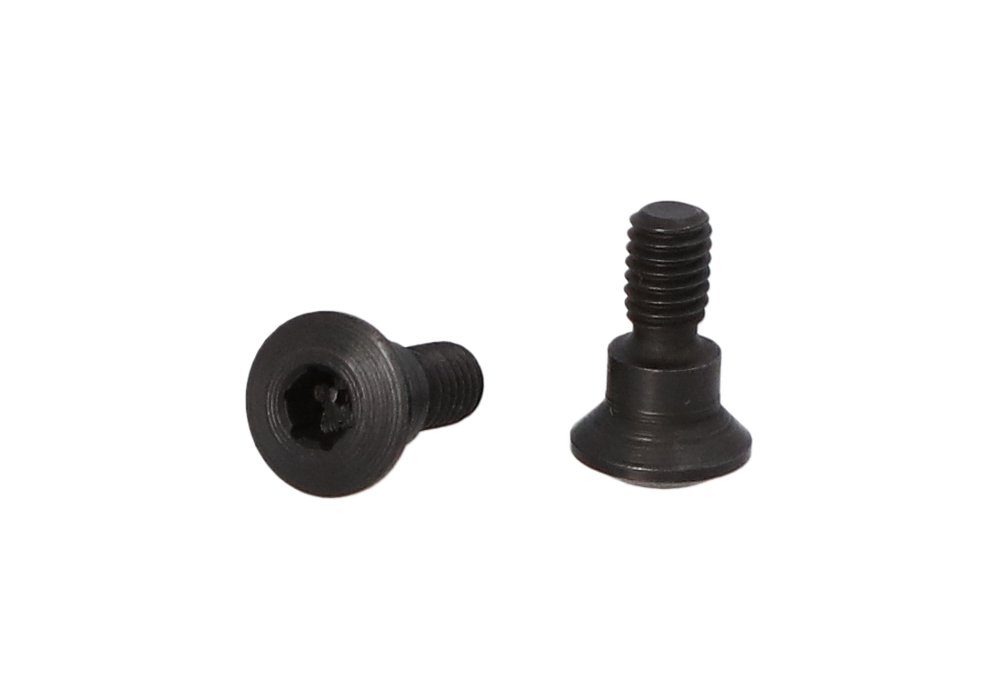
The right 1911 Compact Parts can serve several types of owners. A daily-carry user may choose replacement components to keep a trusted pistol in dependable working order, while a range enthusiast may focus on a clean trigger interface, comfortable compact grips, or a recoil system suited to regular practice. A new owner who has inherited a compact 1911 may appreciate a maintenance-focused selection that helps establish a sensible inspection routine, particularly if the pistol’s service history is unknown. Parts can also make a thoughtful gift for an experienced 1911 owner, provided the recipient’s exact model, caliber, and preferred configuration are confirmed first; a gift card or carefully verified component is often more useful than a visually similar part that cannot be installed safely. Grips deserve special consideration because compact pistols place a premium on control. The correct grip profile can help the shooter maintain a consistent hold, reach the controls naturally, and manage movement during repeated practice, while the wrong thickness or screw pattern can interfere with fit and comfort. Likewise, mainspring housings and other frame-mounted components may influence handling without changing the pistol’s familiar manual of arms. When comparing options, consider material, finish, dimensions, intended use, installation requirements, and whether the part is designed for the specific compact pattern rather than simply labeled for a 1911. During the cooler months, many owners revisit their equipment after more frequent range sessions or seasonal carry changes, making it a sensible time to inspect springs, screws, grip panels, magazines, and other wear items. Store replacement parts clean and dry, keep them organized with their model information, and retain original components until the new part has been properly fitted and tested. Most importantly, treat every firearm as loaded, keep the muzzle pointed in a safe direction, keep fingers outside the trigger guard until ready to fire, and follow all applicable laws and manufacturer instructions. With accurate model verification, attentive maintenance, and professional fitting when needed, compact 1911 components can help preserve the smooth handling and dependable function owners expect from this distinctive platform.