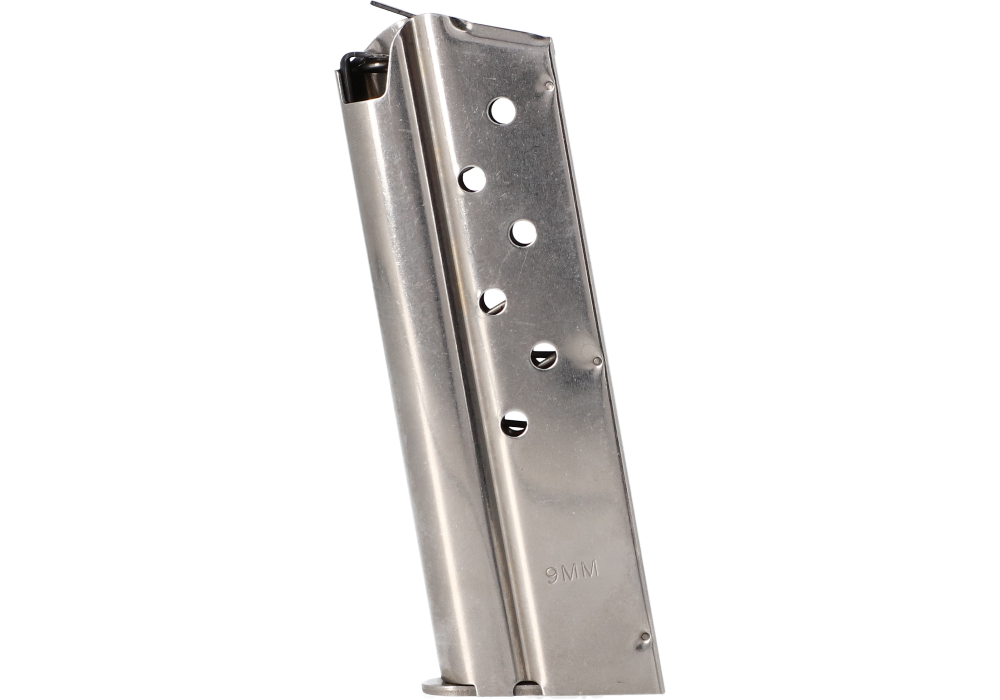
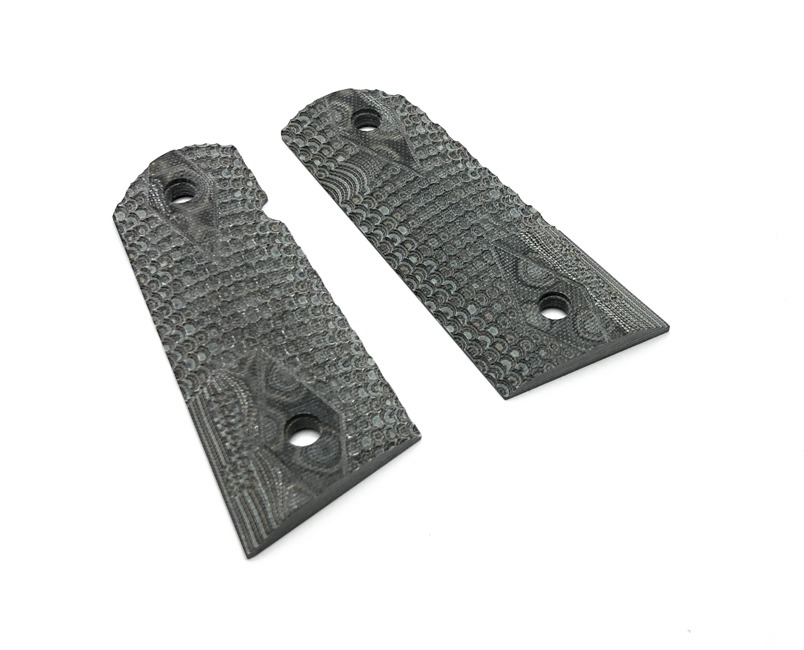
1911 pistol parts include the replacement components, hardware, and grip accessories that support the upkeep of this enduring pistol platform. The category spans slide-related components such as barrels, barrel bushings, extractors, firing pins, recoil springs, and guide rods, along with frame components such as slide stops, magazine catches, mainspring housings, and safety controls. Triggers, hammers, sears, and disconnectors belong to the fire-control system, where correct compatibility and professional fitting are especially important. Grips, grip screws, and bushings complete another familiar group, with differences in dimensions, texture, and finish that influence both appearance and handling. These categories help distinguish parts intended for routine maintenance from those associated with a particular repair or a change in exterior feel. A worn grip screw and a damaged internal component may both call for replacement, but they involve very different considerations. The 1911 design has a long history, and that history includes variations in frame dimensions, slide length, caliber, sight cuts, and internal configurations. A shared platform name does not establish that two pistols accept the same parts. Even components that look nearly identical can differ in ways that matter once their specifications are compared. Full-size pistols, shorter configurations, and compact frames should be evaluated according to their own requirements rather than treated as interchangeable. For an owner keeping a frequently used range pistol in dependable condition, the priority is usually a documented match to the existing configuration. For a collector maintaining a pistol with a distinctive finish or traditional profile, preserving its appearance can be just as important as finding the correct mechanical fit. In either case, useful product information identifies the component’s purpose, compatible configurations, material, dimensions where relevant, and any fitting requirements. Clear specifications offer a stronger basis for selection than a broad claim of 1911 compatibility, particularly when the pistol’s service history includes previous alterations or replacement components. Keeping the exact model designation and configuration at hand makes those distinctions easier to recognize.
Materials and construction deserve close attention because different 1911 components face different kinds of wear. Steel is common in many mechanical parts, while stainless steel and carbon steel can have different finish and care requirements. Alloy components may be appropriate in certain applications, but their suitability depends on the design and the manufacturer’s specifications rather than weight alone. Springs rely on material quality and the correct specification for the pistol; selecting a replacement involves more than finding one with a similar appearance. Machined surfaces, protective finishes, and consistent dimensions all contribute to a component’s suitability, although a polished surface or an attractive coating does not establish compatibility. Grips offer a more visible range of materials, including wood, laminated materials, rubber, and textured polymers. Wood grain can complement a traditional pistol profile, while molded textures offer a different feel against the hand. Texture should suit the owner’s use: an assertive pattern that feels comfortable during a brief inspection may feel different over an extended range session. Grip thickness also affects how the pistol rests in the hand, and changes in thickness may require compatible screws or bushings. Cutouts around controls, frame contours, and clearance for existing features deserve attention before selecting replacement panels. For shorter configurations, 1911 Compact Parts provides a focused category to consider alongside the pistol’s exact specifications. Compact dimensions can introduce distinct requirements for grips, springs, and other components, so the shorter format should never be treated as simply a smaller version with universal part compatibility. Across all configurations, fit is more than whether a component appears to occupy the correct space. Certain parts require evaluation and fitting by a qualified gunsmith, especially those associated with the barrel, safety systems, or fire-control system. Cosmetic matching cannot substitute for that assessment. A consistent finish may be desirable, but safe function and documented compatibility take precedence. Choosing parts with clear technical descriptions also gives the gunsmith a better starting point when evaluating a repair or replacement.
Durability depends on the relationship between the part, the pistol, its use, and its maintenance history. A component intended for an occasional range visit may encounter a different service pattern from one in a pistol used regularly for supervised practice. Neither use changes the need for correct fit, appropriate care, and periodic inspection. Cleaning and lubrication should follow the pistol manufacturer’s recommendations, with any firearm confirmed unloaded before maintenance and ammunition kept separate from the work area. Finish compatibility matters when choosing cleaning products, since treatments suitable for one surface may not be appropriate for another. Grip materials can have their own care needs as well: wood, rubber, and polymer should not automatically receive the same treatment used on metal components. Keeping maintenance records can help an owner track recurring wear, previous repairs, and the specifications of replacement parts without relying on memory. That record is particularly useful when a pistol changes hands or goes to a gunsmith for evaluation. Visible damage, unusual wear, or a change in function calls for professional assessment rather than an assumption that a new part will resolve the issue. Responsible ownership includes recognizing when the pistol should remain out of use until it has been inspected. For experienced owners, 1911 replacement parts often serve a practical purpose: preserving a familiar pistol, addressing documented wear, or restoring an exterior detail without changing its established character. Newer owners benefit from the same careful approach, with compatibility information and professional support guiding the selection. As a gift, a grip accessory may suit an enthusiast who appreciates the platform’s appearance and feel, but the exact configuration and the recipient’s preferences still matter. Mechanically significant components are better selected with the owner’s involvement and appropriate technical advice. Whether the goal is routine upkeep or preserving a well-used favorite, the most useful parts are those that meet a verified need and support the pistol’s intended configuration.