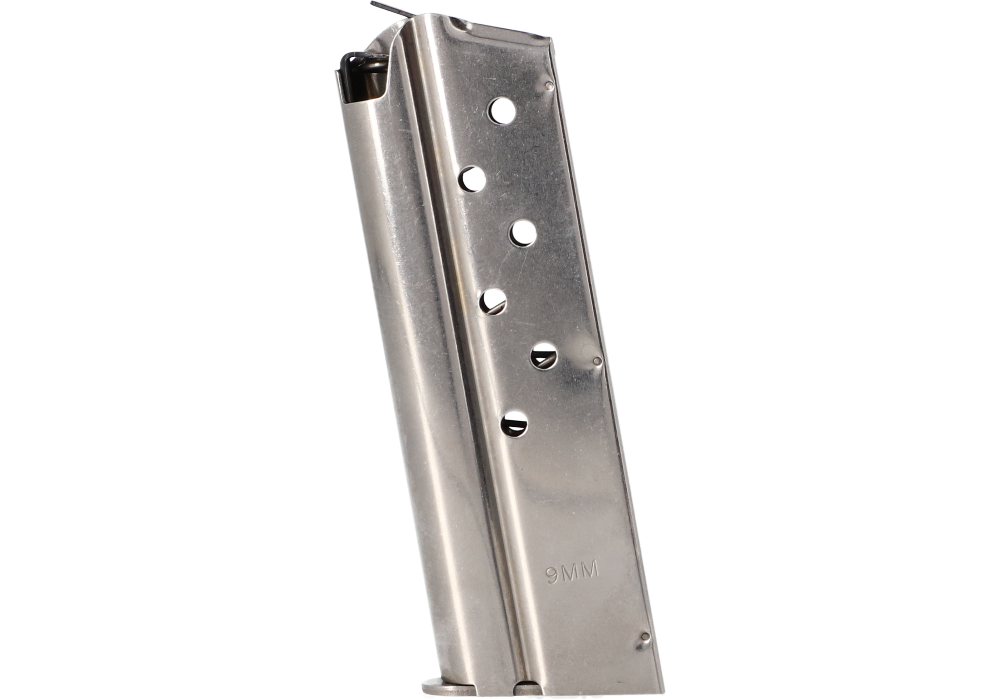
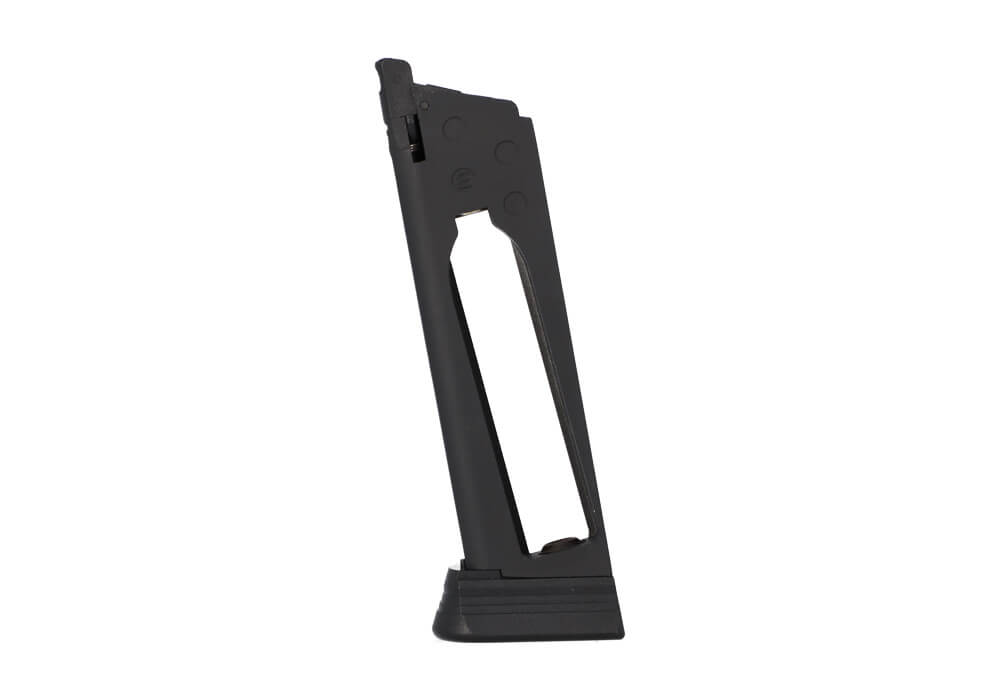
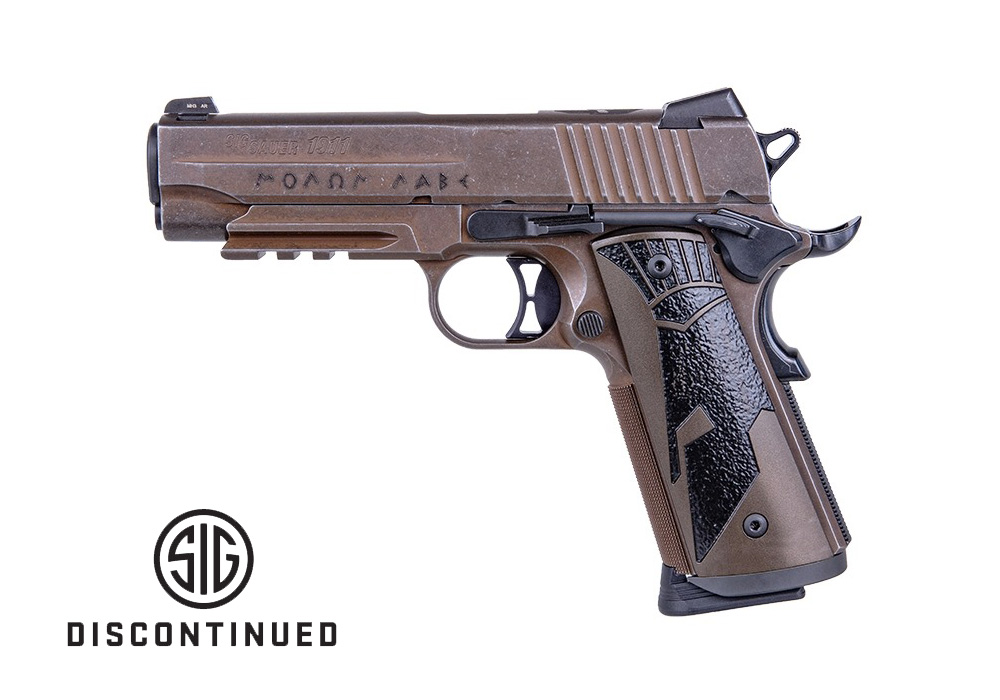
1911 mag parts are the individual components used to maintain, rebuild, or tailor a compatible 1911 pistol magazine. A standard magazine is built around five primary pieces: the magazine tube or body, follower, magazine spring, retainer plate or floor plate lock, and base pad or baseplate. The tube is the outer metal sleeve that holds cartridges in alignment and guides them as they move toward the feed lips. Inside, the follower rests beneath the cartridge stack and rises as the spring applies upward pressure. The spring is the working force behind reliable feeding, while the retainer plate secures the spring and follower inside the tube. At the bottom, the base pad closes the magazine and may provide a flush profile or additional protection and gripping surface. Replacement parts can be useful when an older magazine shows visible wear, when a spring no longer provides consistent tension, or when a component is lost during cleaning. They can also support a practical rebuild after extended range use, particularly for owners who prefer to keep their magazines in dependable working order rather than replacing an otherwise serviceable assembly. Because 1911 magazines vary by frame size, caliber, round count, tube design, follower style, and base configuration, shoppers should compare each component with the exact magazine and pistol for which it is intended. A part that appears similar may not fit correctly if its dimensions, attachment method, or feed geometry differ. Checking the firearm and magazine specifications before ordering helps narrow the selection and avoids combining pieces that were not designed to work together.
Each component serves a distinct purpose during loading, firing, unloading, and routine maintenance. A replacement magazine tube may be considered when the original body is dented, bent, heavily scratched, or no longer holds cartridges with the proper alignment. The follower is important because its shape and movement influence how rounds are presented, how the slide interacts with the magazine, and whether the magazine locks the slide open when empty on a compatible pistol. Springs gradually lose force through use, storage under compression, exposure to dirt or moisture, or repeated disassembly, so a replacement spring can be a sensible part of a maintenance plan. The retainer plate keeps internal tension contained when the base pad is removed, and it must seat securely within the tube before the magazine is returned to service. Base pads protect the lower edge of the magazine when it is placed on a bench or dropped during a reload, and extended versions may make a magazine easier to grasp or provide added clearance for certain magazine wells. Flush baseplates can preserve a compact, streamlined profile, while extended options may be preferred for range practice, competition, or users who want more purchase during a magazine change. Some shooters select standard capacity components for a traditional configuration, while others choose extended capacity options where lawful and appropriate for their firearm and intended use. A compatible 1911 Fullsize Parts selection can also help shoppers keep related replacement components together when maintaining a full-size platform. Whether the goal is restoring a well-used magazine, assembling a spare, or keeping common wear items on hand, attention to fit remains more important than appearance alone.
These parts may appeal to 1911 owners who spend time at the range, maintain a defensive firearm, participate in organized shooting activities, or simply enjoy the hands-on process of caring for a classic pistol design. They can make a thoughtful gift for a shooter who already owns a compatible 1911, especially when the recipient values useful equipment over decorative accessories. A small collection of springs, retainers, followers, or baseplates can be convenient for a new owner learning the maintenance routine, while an experienced shooter may appreciate components selected to match a preferred magazine setup. During the cooler months, when range sessions may be shorter or firearms may receive more attention at the workbench, inspecting magazines for damaged lips, sluggish follower movement, weak spring tension, loose baseplates, and accumulated debris can be a worthwhile part of regular care. Any disassembly should be performed with the magazine unloaded and away from ammunition, using the correct method for its construction; spring tension can cause components to move unexpectedly when the base is removed. After installation, parts should be checked for proper seating, smooth follower travel, secure retention, and compatibility with the intended magazine. Function testing should follow the firearm and magazine manufacturer’s recommendations, and a qualified gunsmith can help resolve uncertain fit, feeding concerns, or modifications involving critical dimensions. With the right components and careful attention to compatibility, 1911 mag parts provide a practical way to preserve magazine function, refresh worn assemblies, and configure a trusted setup for the range, training, or responsible ownership.