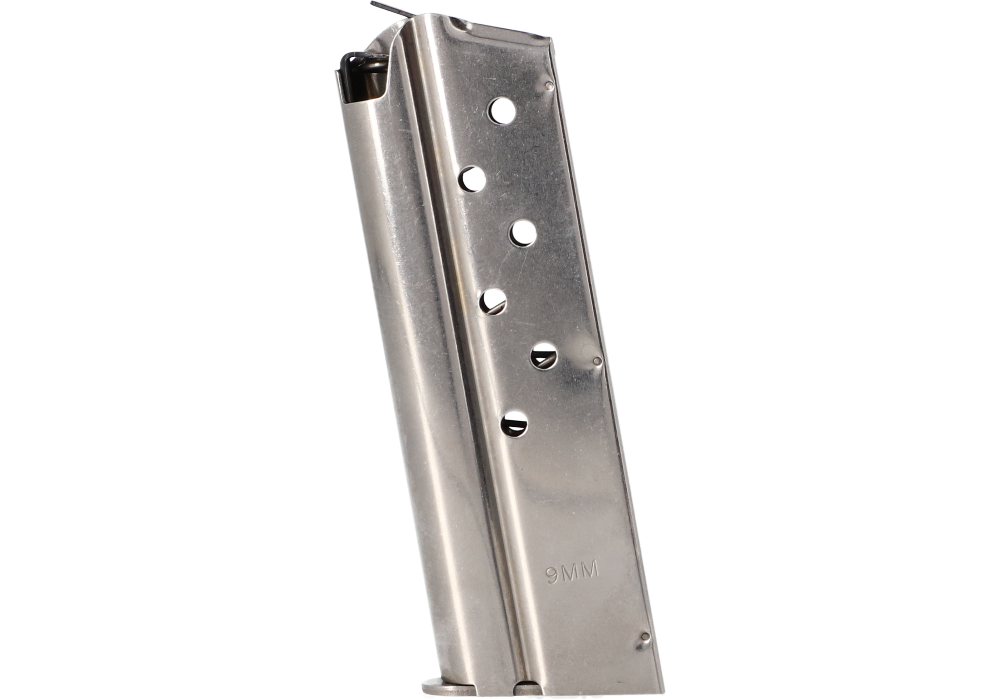
1911 maintenance parts help preserve the dependable handling, smooth cycling, and familiar feel that make this classic pistol a lasting choice for range use, training, competition, personal defense, and responsible collection. Like any mechanical firearm, a 1911 benefits from regular inspection and the timely replacement of components that experience repeated compression, friction, impact, or exposure to fouling. Recoil springs are among the most frequently replaced wear items because they absorb the energy of each firing cycle and help return the slide to battery. The correct spring weight depends on the pistol’s caliber, ammunition, barrel length, and configuration, so compatibility should always be confirmed before purchase. A fresh recoil spring can support consistent cycling and help reduce unnecessary battering of the frame and slide, while an incorrectly matched spring may create malfunctions or alter the pistol’s operation. Firing pin springs, extractors, extractor springs, and related small parts also deserve attention during routine maintenance. A weakened or damaged firing pin spring may contribute to unreliable ignition or other safety concerns, while an extractor with worn edges or incorrect tension can affect how fired cases are removed from the chamber. These components are compact and easy to overlook, making spare parts a practical addition to a well-organized maintenance kit. Plunger springs, plungers, pins, and other small controls can be displaced during detailed disassembly, particularly when a 1911 is being cleaned after extended range use. Keeping carefully selected replacements on hand can prevent a minor lost part from interrupting a training session. Slide stops, barrel bushings, link-related components, and grip hardware should be checked for peening, rounding, looseness, cracks, or unusual wear. Some replacement parts are intended for straightforward installation, while others require careful fitting to the individual pistol. When a component affects lockup, ignition, extraction, or the relationship between the barrel and slide, installation by a qualified gunsmith is a sensible choice.
Choosing 1911 maintenance parts begins with identifying the exact configuration of the pistol. Confirm caliber, Government, Commander, or Officer-size dimensions, series or generation, and any factory-specific features before placing an order. A part that appears similar may differ in length, diameter, cut, spring tension, or interface with the frame and slide. Finish and material are also worth considering. Stainless and coated components may suit different maintenance preferences, while properly finished steel parts can provide durable service when protected from moisture and handled according to the firearm manufacturer’s recommendations. Small parts should be inspected under good light, with special attention to burrs, cracks, mushrooming, uneven contact marks, and changes in tension. Maintenance is easier when the right tools are available: a suitable bushing wrench can help prevent cosmetic damage during takedown, while nylon or brass brushes, chamber tools, patches, jags, and a properly selected lubricant support thorough cleaning without unnecessarily marking the finish. Apply lubricant sparingly to the slide rails and other friction points, since excess oil can collect dust, powder residue, and unburned propellant. During the cooler months, a 1911 may move between a warm vehicle, an indoor range, and a colder storage area, creating opportunities for condensation. Wiping exterior metal dry and checking the bore, breech face, and small controls after use helps limit corrosion. Before any inspection or disassembly, remove the magazine, open the action, and verify that the chamber is empty; follow the owner’s manual for the specific pistol and use only procedures appropriate to that model. After replacing a maintenance part, function checks should be performed with the firearm unloaded, and live-fire verification should take place in a safe, lawful environment before the pistol is relied upon for defensive use.
A thoughtfully chosen set of 1911 maintenance parts can be useful for longtime owners, new shooters learning the habits of firearm care, competitors who track round counts, and collectors who want to preserve a trusted pistol for years of regular handling. It can also make a practical gift for a shooting enthusiast, especially when the recipient already owns a 1911 and appreciates having common wear items ready before they are needed. A simple maintenance setup may include recoil and firing pin springs matched to the pistol, a spare extractor or other small replacement components, cleaning brushes and bore tools, a bushing wrench, and a suitable lubricant. Keep parts in labeled containers so that similar-looking springs and pins do not become mixed, and record installation dates or approximate round counts in a maintenance log. Replacement schedules vary considerably with caliber, spring weight, ammunition, shooting pace, and the individual firearm, so inspection and the manufacturer’s guidance are more useful than relying on one universal interval. Some owners replace recoil springs as part of preventive care after a set number of rounds, while others monitor ejection patterns, slide movement, and visible wear to determine when service is appropriate. Magazine-related components are another part of reliable 1911 upkeep, particularly for shooters who rotate several magazines or use both standard and extended capacity options; replacement followers, springs, base components, and related items can be found among 1911 Mag Parts. Whether preparing a well-used range pistol, organizing a field bag, or assembling a considerate gift for someone who values hands-on maintenance, selecting compatible parts and using them with patience helps keep the 1911 ready for its next safe outing.