.45 ACP ammunition is a long-established choice for handgun owners who value a broad selection of bullet weights, familiar handling characteristics, and options suited to both range practice and personal protection. Also known as .45 Auto, the cartridge dates to the early twentieth century and remains closely associated with full-size semiautomatic pistols, although compatible handguns vary in size and configuration. Its typical jacketed bullet diameter is approximately 0.451 inches, and common bullet weights include 185, 200, and 230 grains. Those grain figures describe projectile weight, not the weight of the complete cartridge or its propellant charge. A conventional 230-grain load often produces a muzzle velocity around 830 to 900 feet per second from a full-size pistol barrel, but actual results depend on the ammunition and the firearm. Published velocity figures reflect particular test conditions rather than a guarantee for every handgun. Many traditional 230-grain loads are subsonic, though that characteristic does not eliminate hazardous firearm noise or the need for appropriate hearing protection. Standard-pressure .45 ACP has an industry maximum average pressure specification of 21,000 psi; ammunition bearing a +P designation operates at a higher pressure and requires explicit firearm compatibility. Beyond those specifications, construction helps distinguish one type of ammunition from another. A typical centerfire cartridge combines a case, primer, propellant, and projectile, with brass cases and copper-alloy bullet jackets common throughout the category. Brass is widely used because its material properties support reliable chamber sealing and extraction in compatible firearms. Bullet construction varies with intended use, from enclosed-nose profiles associated with target ammunition to hollow-point designs intended for defensive applications. These differences matter more than broad claims about power alone. For a shooter settling into a lane with paper targets and a planned practice session, consistent functioning and predictable handling are practical priorities. For someone selecting ammunition for a defensive handgun, reliable operation, appropriate construction, and documented performance deserve close attention. Neither purpose changes the importance of matching the cartridge designation to the firearm.
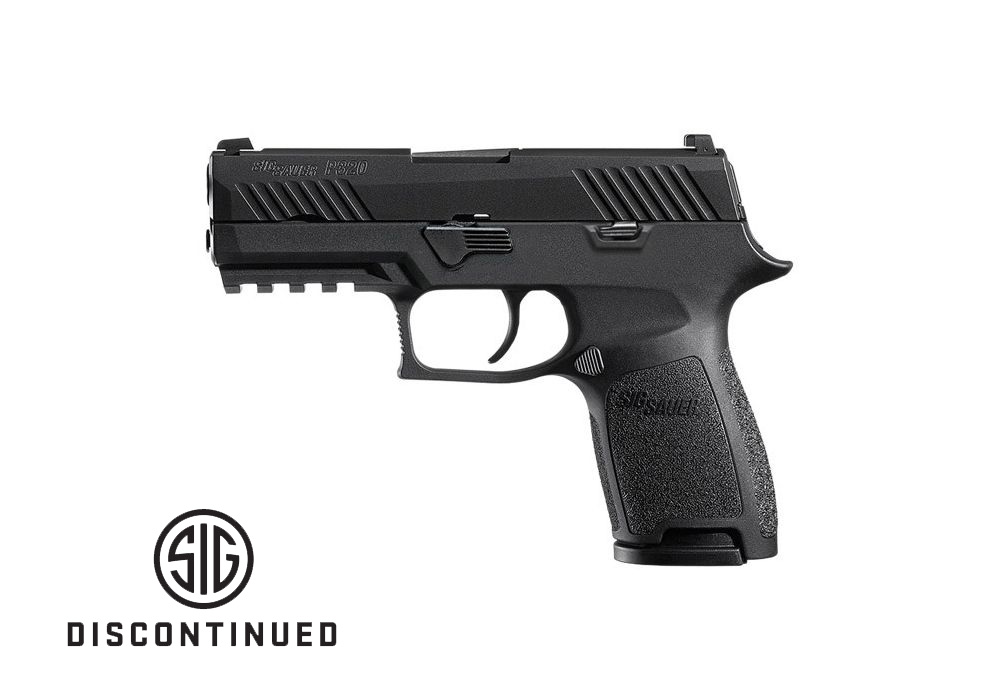
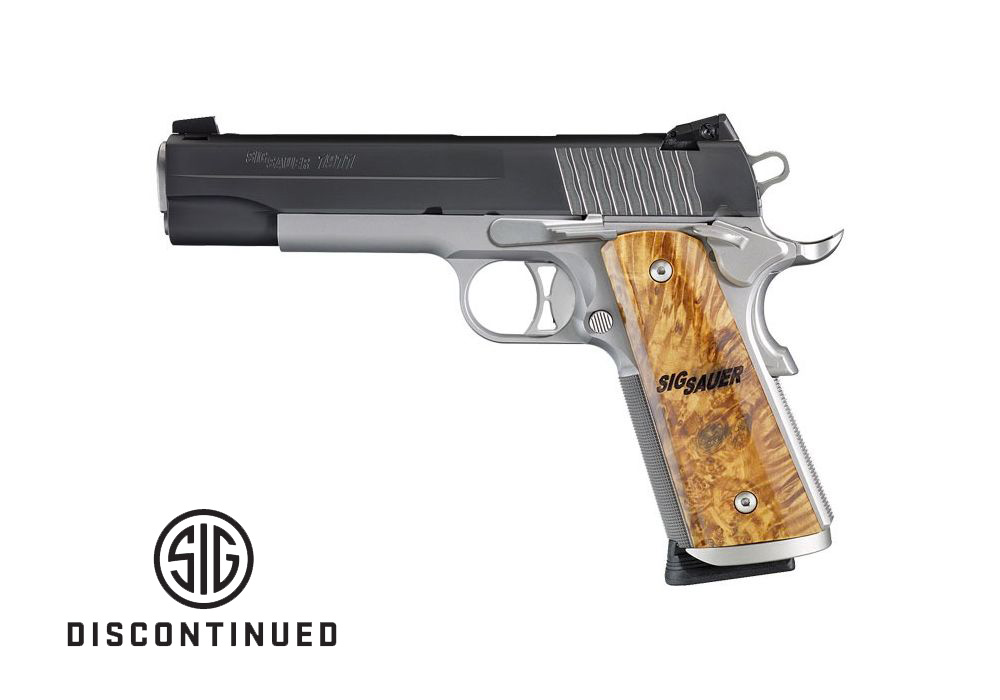
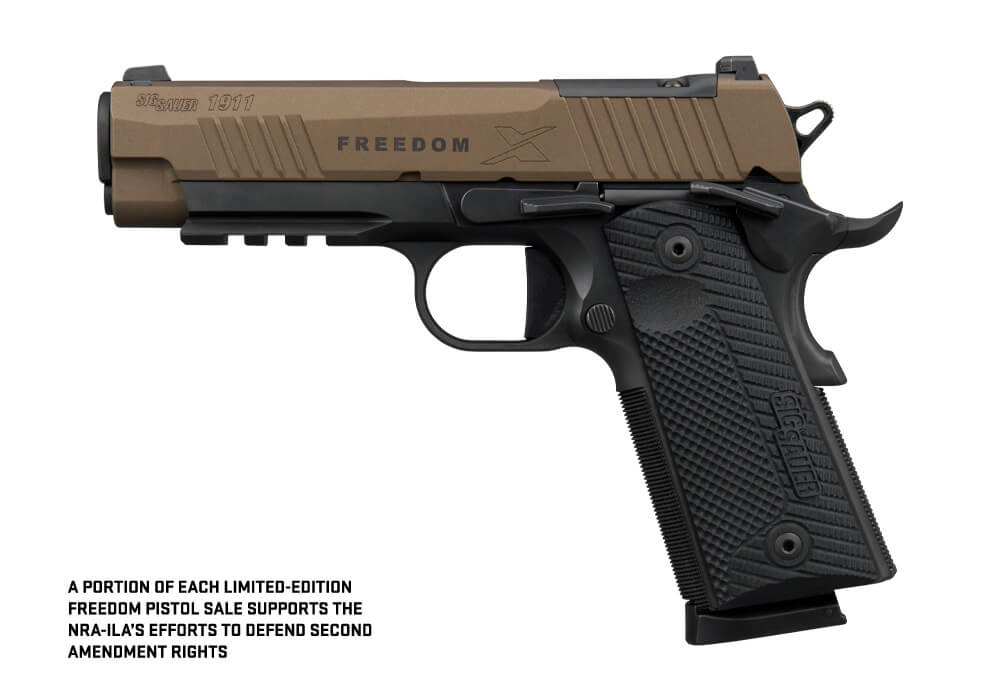
Full metal jacket .45 ACP ammunition is commonly associated with target practice, recreational shooting, and structured handgun training. Its jacket typically covers the nose and sides of the projectile, and the bullet is generally not designed to expand. Jacketed hollow-point ammunition uses a cavity at the nose and construction intended to support expansion under specified conditions, making it a common category for personal protection. Expansion is not assured in every circumstance, and no projectile design removes the need for a safe backstop and awareness of what lies beyond the target. Some ranges also specify permitted projectile materials or require particular ammunition types, so range rules are part of choosing a suitable load. For regular practice, bullet weight and velocity can influence recoil feel, sight movement, and point of impact. A lighter bullet is not automatically softer shooting, just as a heavier bullet is not automatically more accurate; the complete load and the pistol both affect the experience. A compact handgun can feel noticeably different from a larger handgun using the same ammunition. Shooters comparing compatible firearm formats can explore 45 ACP Semi Automatic Pistols, while treating each firearm’s markings and owner’s manual as the authority on ammunition fit. Similar-looking cartridges and shared caliber numbers do not establish interchangeability. The exact chambering designation matters, and standard-pressure approval does not imply approval for +P ammunition. Within the correct chambering, projectile profile and overall cartridge dimensions can also affect feeding in individual firearms. Manufacturer guidance and reliable functioning with an approved load are more useful than assumptions based solely on bullet shape. Competitive shooters may have additional considerations, including event rules and ammunition performance requirements, while newer handgun owners may place greater emphasis on consistent practice with a familiar load. Experienced shooters often pay attention to how ammunition behaves across an ordinary range session: whether functioning remains consistent, whether impacts stay predictable, and whether recoil feels repeatable. Those observations provide practical context without turning any single bullet weight or construction style into a universal answer.
Care and storage help preserve the condition of .45 ACP ammunition between range visits. Original packaging keeps the caliber, bullet weight, pressure designation, and lot information together, making it easier to identify cartridges correctly and retain useful records. A secure, dry storage area helps protect cases and primers from moisture, while a locked container restricts access by children and unauthorized people. Ammunition should be stored separately from firearms and kept away from oils, cleaning solvents, and other substances that could affect cartridge components. It should not be washed, polished with chemicals, or treated like a reusable mechanical part. Before use, visible corrosion, split cases, loose or visibly displaced projectiles, and other signs of damage warrant setting the ammunition aside and consulting the manufacturer rather than attempting a repair. An intact exterior alone cannot establish the condition of ammunition with an unknown storage history, which is another reason to preserve packaging and identification. Durability in this category means maintaining cartridge integrity through appropriate handling and storage, not expecting ammunition to tolerate indefinite exposure or rough treatment. At the range, retaining the box label can help connect observations about functioning and point of impact to a particular load and lot. For shooters who alternate between practice and defensive ammunition, keeping each type clearly identified also prevents confusion about bullet construction and pressure level. Lead exposure is another routine consideration: follow range ventilation rules, wash hands after handling ammunition or shooting, and keep food and beverages away from shooting areas. Eye and hearing protection remain essential regardless of bullet weight or advertised velocity. Across the category, meaningful comparisons come back to a few concrete details: the correct cartridge designation, an approved pressure level, construction suited to the intended activity, and dependable operation in the individual firearm. A carefully chosen .45 ACP load fits both the handgun and the purpose, whether that purpose is a deliberate session on paper targets, participation in a supervised shooting program, or lawful personal protection. Clear labeling, sound storage habits, and attention to manufacturer specifications support that choice long after the initial selection.