A 50-round box of 9mm JHP ammunition offers a practical format for shoppers who want a manageable quantity for range sessions, training plans, defensive preparation, or organized storage. The 9mm designation generally refers to 9x19mm, but firearm owners should always confirm the cartridge marking on their pistol and review the owner’s manual before selecting ammunition. Jacketed hollow point bullets are designed with a cavity in the nose intended to support controlled expansion in suitable defensive applications, while the jacket helps guide the bullet through the barrel and can reduce lead exposure compared with an unjacketed projectile. These cartridges are commonly selected for personal protection, home-defense planning, and professional use, although the right choice depends on the firearm, local regulations, and the shooter’s own testing. A 50-round package is also useful for function checks because it provides enough ammunition to confirm feeding, cycling, point of impact, and handling without requiring a large purchase. Before relying on any load, fire an appropriate quantity through the intended firearm and magazines, paying attention to reliable operation and practical accuracy. A load that functions consistently in one pistol may behave differently in another because of variations in barrel length, recoil spring tension, feed-ramp geometry, sights, and magazine design.
Bullet weight is one of the most visible differences among 9mm JHP options. Common choices include lighter 115-grain, mid-range 124-grain, and heavier 147-grain bullets, with each offering a different balance of velocity, recoil impulse, and point of impact. A lighter bullet may produce a brisk, quick-feeling shot cycle, while a heavier bullet may feel smoother to some shooters and can print differently on the target. These general tendencies are not a substitute for testing, since a pistol’s barrel and ammunition preferences matter more than a number on the box. Shoppers should also compare standard-pressure and +P designations carefully. +P ammunition operates at a higher pressure and should only be used when the firearm manufacturer specifically approves it. The box label can also identify bullet weight, projectile style, velocity information, pressure rating, and lot details, all of which help with comparison and future replenishment. For everyday preparation, many owners keep a small supply of the selected load for serious use and practice with full-metal-jacket ammunition that has a similar bullet weight and handling feel. The two types may not perform identically, so periodic confirmation with the JHP load remains important. When storing ammunition, keep boxes closed in a cool, dry location away from solvents, oils, heat, and moisture. Original packaging preserves identifying information such as caliber, bullet weight, and lot number, while a separate waterproof container can add protection during transport without obscuring the label.
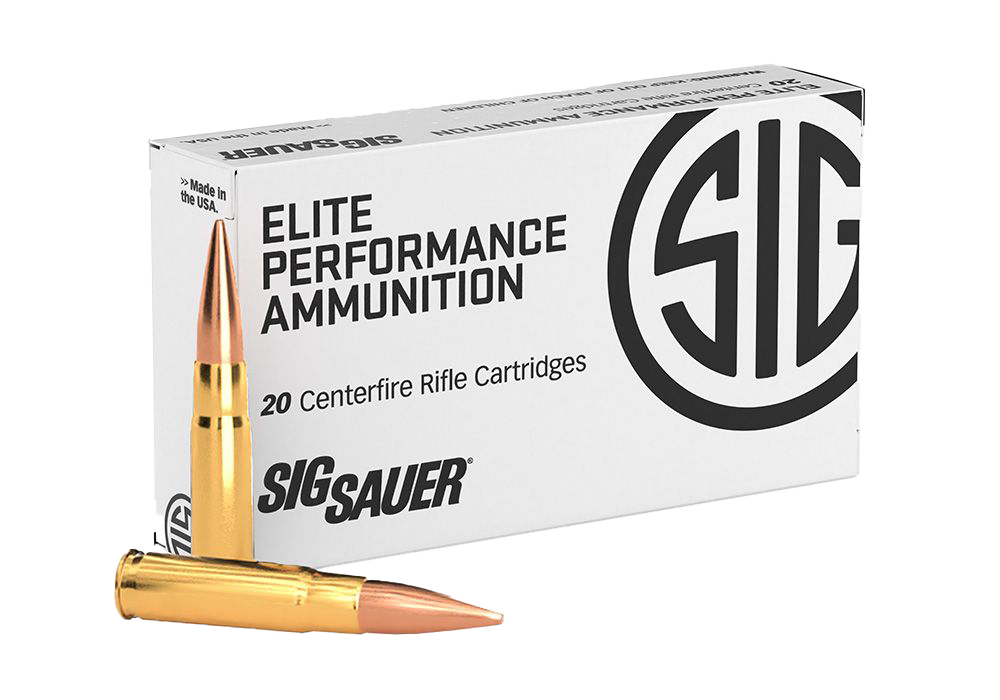
The 50-round format can suit first-time handgun owners, experienced range users, instructors, and anyone refreshing skills during the cooler months when indoor practice becomes more appealing. It can also be a thoughtful gift for a properly licensed adult who already owns a compatible 9mm pistol, especially when paired with a range session, sturdy eye and ear protection, or a secure storage solution. Ammunition should never be given without confirming the recipient’s firearm, legal eligibility, storage plan, and preferred bullet weight. Regulations vary by state and municipality, and transfer, shipping, age, and purchase requirements should be checked before ordering. Empty 50-round storage boxes serve a different purpose from loaded factory ammunition: they can help organize cartridges, separate training loads, protect loose rounds, or support a reloading bench, but they should be clearly labeled and kept apart from loaded products when sorting gear. A durable hinged box with a secure closure is convenient for a range bag, while factory-sealed packaging is preferable when preserving product information and traceability. Shooters who organize multiple calibers should use a consistent labeling system and inspect cartridges before each session for damaged cases, loose projectiles, corrosion, or other irregularities. Keep ammunition inaccessible to children and unauthorized users, transport it according to applicable rules, and follow all range and firearm safety procedures. For shoppers comparing related storage formats for a different cartridge, the collection of 300 Blackout Rifle Ammunition Boxes provides a separate starting point. With careful attention to caliber, bullet weight, pressure rating, firearm compatibility, storage conditions, and local requirements, a 50-round 9mm JHP box can fit neatly into a thoughtful practice and preparedness routine.