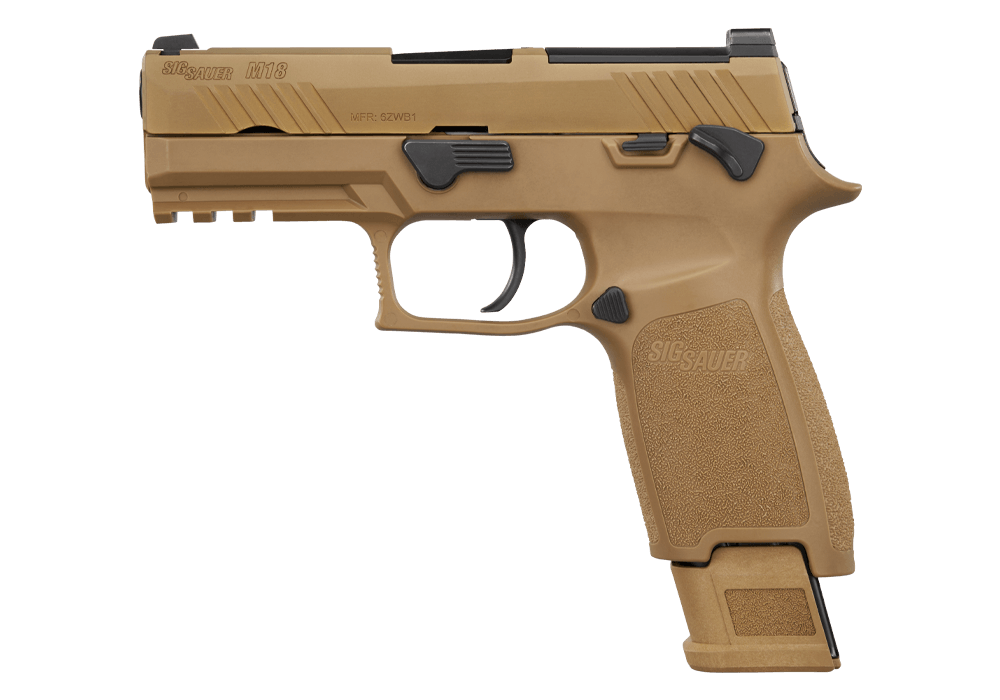
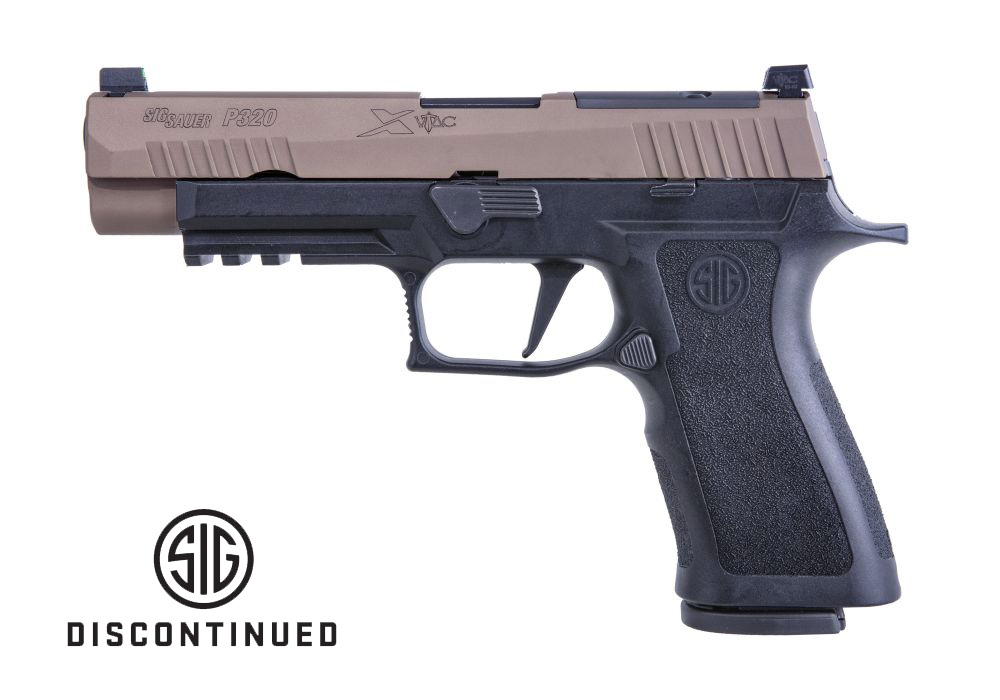
9mm attachments can help tailor a compatible handgun or pistol-caliber carbine to a shooter’s preferred setup, whether the goal is faster sight acquisition, improved control, clearer target identification, or a more comfortable grip. Because 9mm firearms vary widely in frame dimensions, slide cuts, rail patterns, barrel lengths, and magazine designs, compatibility should be the first consideration before selecting any accessory. A compact reflex optic, for example, may mount directly to a slide that has the correct factory optic interface, while another firearm may require a dedicated mounting plate or may be intended for traditional iron sights only. Night sights can provide a clear reference in dim conditions, and laser sights may offer another aiming option, but neither replaces safe handling, a proper sight picture, or an understanding of the intended use. A rail-mounted weapon light can be valuable for positive target identification in low-light environments, especially when a firearm is used for home protection, duty, or training after daylight hours. For a range-oriented setup, a compensator or muzzle brake may help manage muzzle movement, while a threaded barrel can provide the mounting interface needed for certain muzzle devices or suppressors. These attachments should always be selected for the exact firearm, caliber, thread pattern, and operating system, with installation handled according to the manufacturer’s specifications. Shooters looking to refine the feel and function of their setup can also explore 9mm Handgun Parts, including components that support maintenance, customization, and replacement needs.
The right attachment depends as much on the person using the firearm as it does on the firearm itself. A new handgun owner may appreciate a simple, durable setup with visible sights, a comfortable grip surface, and a dependable light, while an experienced range shooter may prioritize an optic-ready configuration, a compensator, or an extended magazine for longer practice sessions. Law enforcement and security professionals may evaluate attachment choices around duty procedures, holster compatibility, uniform concealment, and the need to operate reliably in changing weather and lighting. Competitive shooters often look for equipment that supports quick transitions and consistent recoil management, whereas a concealed-carry owner may prefer a compact profile that reduces printing and remains comfortable beneath everyday clothing. Grip enhancements, including texture panels and replacement backstraps, can make a meaningful difference during a long training session; a secure, repeatable hold is easier to maintain when hands are cold, gloves are involved, or conditions become damp. Magazine options should be matched to the firearm and intended use, with standard or extended capacity selected in accordance with local law, range rules, and the dimensions of the chosen magazine pouch or holster. Suppressors and other regulated accessories may involve additional legal requirements, registration steps, transfer procedures, or restrictions depending on the jurisdiction. Always verify applicable federal, state, and local laws before ordering, possessing, transporting, or installing an attachment. It is also wise to confirm whether an accessory changes the fit of a holster, the balance of the firearm, the operation of a slide, or access to controls. A small change at the muzzle or beneath the dust cover can affect how a firearm sits in a holster, just as a thicker grip panel can alter concealment and magazine release access.
A thoughtful 9mm attachment setup is built around reliability, familiarity, and a clear purpose rather than adding accessories simply because they are available. Before purchasing, identify the exact make and model, generation or series, barrel configuration, optic footprint, rail dimensions, and magazine specifications, then compare those details with the attachment listing and installation instructions. A product designed for one 9mm platform may not fit another, even when both use the same ammunition. Inspect mounting hardware for secure fit, check that moving parts remain unobstructed, and confirm that the firearm functions safely after any installation or modification. Professional gunsmith support can be especially useful for optic cuts, threaded components, sight installation, or any change that affects timing, lockup, or the operating cycle. New equipment should be introduced during deliberate practice, beginning with unloaded handling and dry-fire procedures where appropriate, followed by supervised live-fire testing at a suitable range. This process helps reveal whether an optic holds zero, whether a light remains secure, whether a compensator changes muzzle behavior, or whether a grip accessory creates pressure points after repeated use. During the cooler months, gloves and heavier clothing can make controls feel different, while lower natural light may highlight the value of a dependable illumination and sighting setup; these conditions are worth considering when selecting accessories for seasonal training or defensive use. Attachments can also be practical gifts for a responsible firearm owner, but the most useful gift is one that matches the recipient’s exact platform and preferences. When model information is uncertain, a gift card, range session, professional fitting service, or protective storage accessory may be more appropriate than guessing at compatibility. With careful selection, proper installation, and consistent training, 9mm attachments can support a more personalized, capable, and comfortable firearm setup.