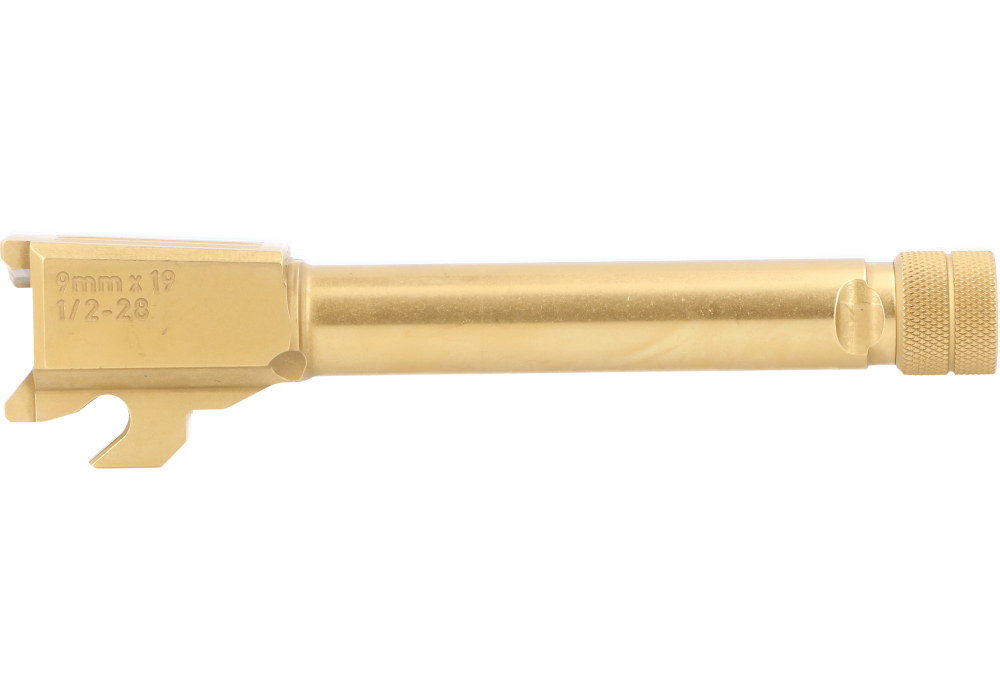
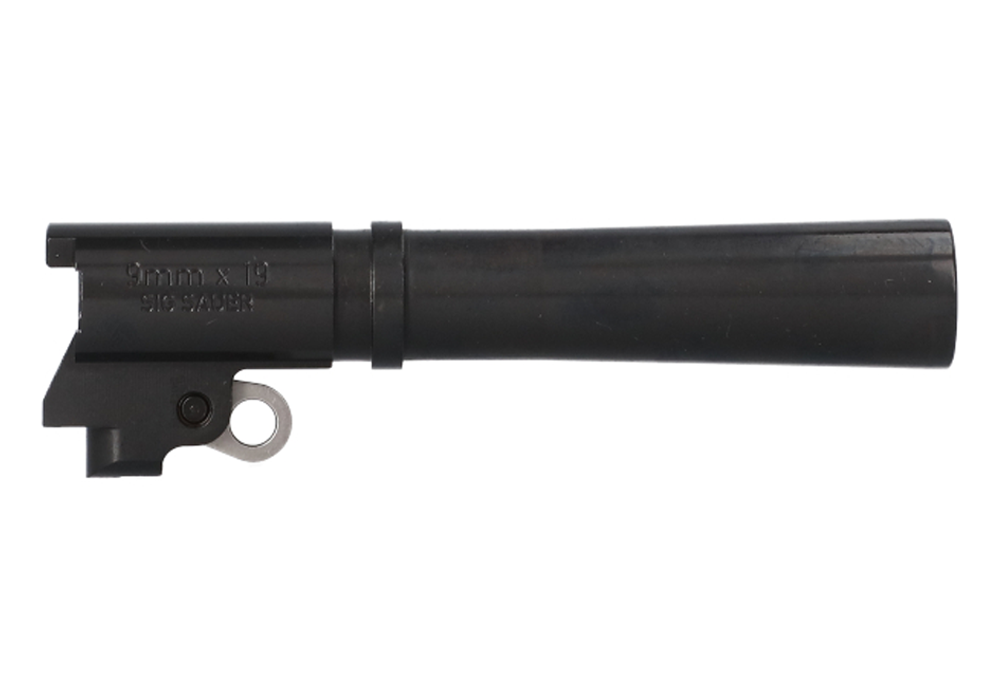
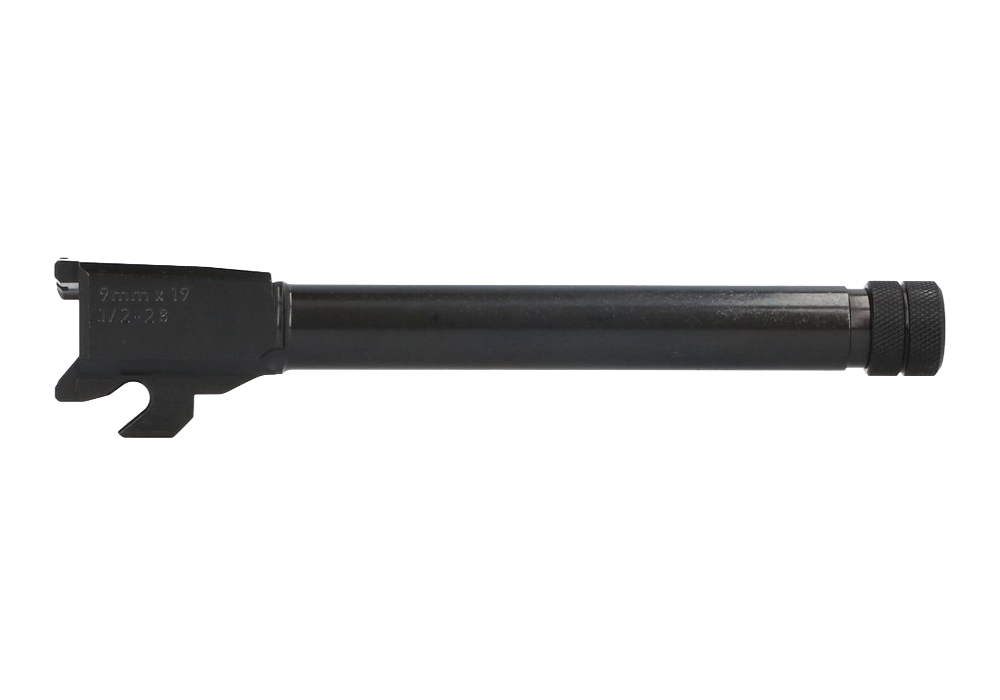
9mm barrels for concealed carry are designed to balance dependable function, practical accuracy, and a compact profile that works with everyday carry equipment. Most concealed-carry barrels fall in the approximately 3- to 4-inch range. A shorter barrel around 3 to 3.5 inches can make a pistol easier to conceal in an inside-the-waistband holster, appendix holster, or other discreet setup, particularly when paired with a compact slide and a suitable cover garment. The tradeoff is that shorter barrels may produce more felt muzzle movement and can give up some velocity compared with a longer barrel. Barrels closer to 4 inches often provide a smoother balance of sight radius, velocity, and recoil control without making the pistol unnecessarily difficult to carry. For many shooters, the compact and sub-compact range is the practical middle ground: short enough to disappear beneath a shirt or light jacket, yet long enough to support consistent handling during practice. The right choice depends on the exact pistol model, frame size, holster, ammunition, and the way the firearm fits the individual’s daily routine. A barrel that feels ideal during a relaxed range session may handle differently when carried under a tucked shirt, seated in a vehicle, or worn beneath a jacket during cooler weather. Reviewing the manufacturer’s specifications is essential because 9mm barrels are not universally interchangeable. Confirm the correct generation, slide configuration, locking geometry, chamber design, and compatibility with features such as a loaded chamber indicator before ordering. Factory replacement barrels are often the simplest path for maintaining the original fit and function, while carefully selected aftermarket barrels may offer different finishes, fluting, or dimensional features for a particular setup. Any replacement part should be installed according to the manufacturer’s instructions, and a qualified gunsmith can help verify fit when there is uncertainty.
The choice between a non-threaded and threaded barrel is especially important for concealed carry. A non-threaded barrel presents a clean, traditional muzzle profile and is generally the more straightforward option for daily carry. It avoids extending beyond the slide and reduces the chance of a protruding thread protector catching on a holster, cover garment, or other equipment. For a pistol carried close to the body, even a small change at the muzzle can affect how smoothly it clears the holster and how comfortably it rests during long periods of sitting, walking, or driving. Threaded barrels are intended for accessories that attach at the muzzle and may be useful for range configurations, training setups, or jurisdictions and applications where those accessories are lawful. They can also be paired with a compatible micro-compensator, but the additional length and hardware should be evaluated carefully before using the setup for concealed carry. Shooters considering this configuration can review 9mm Luger Threaded Barrels For Compact Pistols for options suited to compact platforms. Finish and construction are also worth considering. Stainless steel and corrosion-resistant surface treatments can help a barrel withstand the moisture, lint, perspiration, and temperature changes that accompany daily carry, while fluting may reduce weight or provide a distinctive appearance without changing the basic purpose of the component. A polished feed ramp and properly formed chamber can support reliable cycling, but no finish or feature replaces correct fit, sound ammunition, and regular inspection. Before installation, examine the locking surfaces, feed ramp, crown, chamber, and bore for damage or debris. After installation, confirm that the slide moves freely, the barrel locks and unlocks correctly, and the pistol passes all applicable safety checks with the firearm unloaded and handled in a safe direction.
A concealed-carry barrel should be selected as part of a complete system rather than as an isolated upgrade. The barrel must work with the slide, recoil spring assembly, magazines, holster, sights, and ammunition used for practice and defensive purposes. After fitting a replacement barrel, begin with a careful function check and then conduct live-fire testing at a recognized range under safe, lawful conditions. Use quality practice ammunition first, watching for failures to feed, extract, eject, or return to battery. If the barrel will be used with defensive hollow-point ammunition, test that specific load as well; a practical standard is to fire at least 200 rounds of the chosen defensive ammunition through an aftermarket barrel before relying on it for everyday carry, provided the firearm and ammunition manufacturer’s guidance does not call for a different procedure. Keep notes on ammunition, magazines, malfunctions, and cleaning intervals so small changes are easier to identify. The same attention applies when a barrel is given as a gift. Because compatibility is highly specific, a gift card or a conversation about the recipient’s exact pistol model is usually more useful than guessing at a replacement part. New owners should receive professional instruction, safe-storage equipment, and a properly fitted holster along with any firearm-related accessory. Experienced carriers may choose a barrel to replace a worn factory part, refresh a frequently used training pistol, or tailor a compact setup for a different carry method during warmer or cooler weather. With the correct fit, a suitable finish, a holster that fully protects the trigger guard, and thorough function testing, a 9mm barrel can support a dependable concealed-carry setup while preserving the compact handling that makes these pistols practical for everyday use.