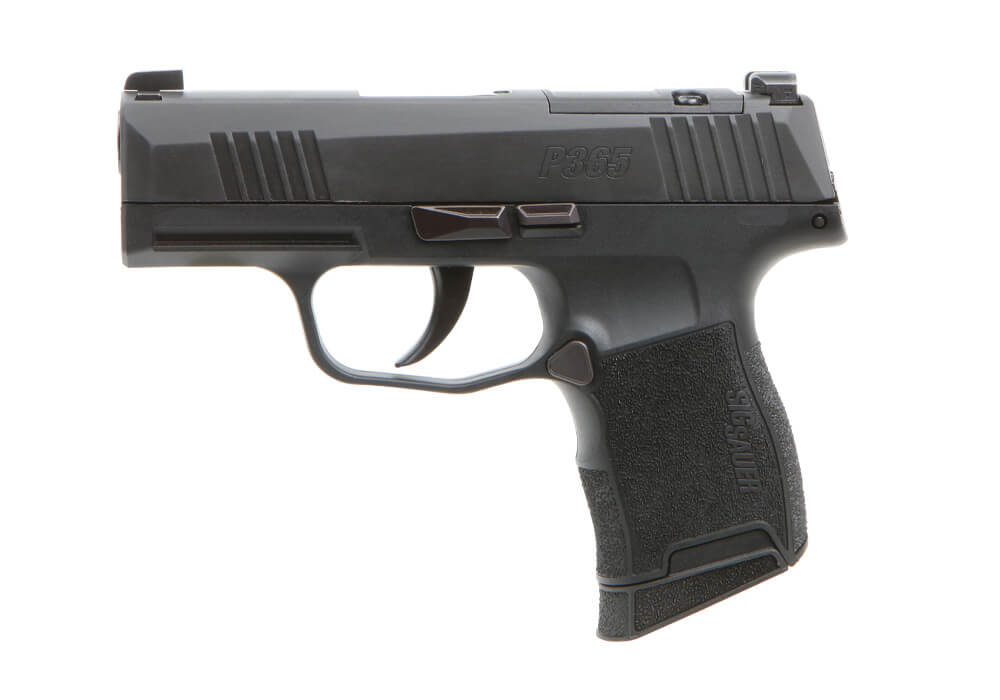
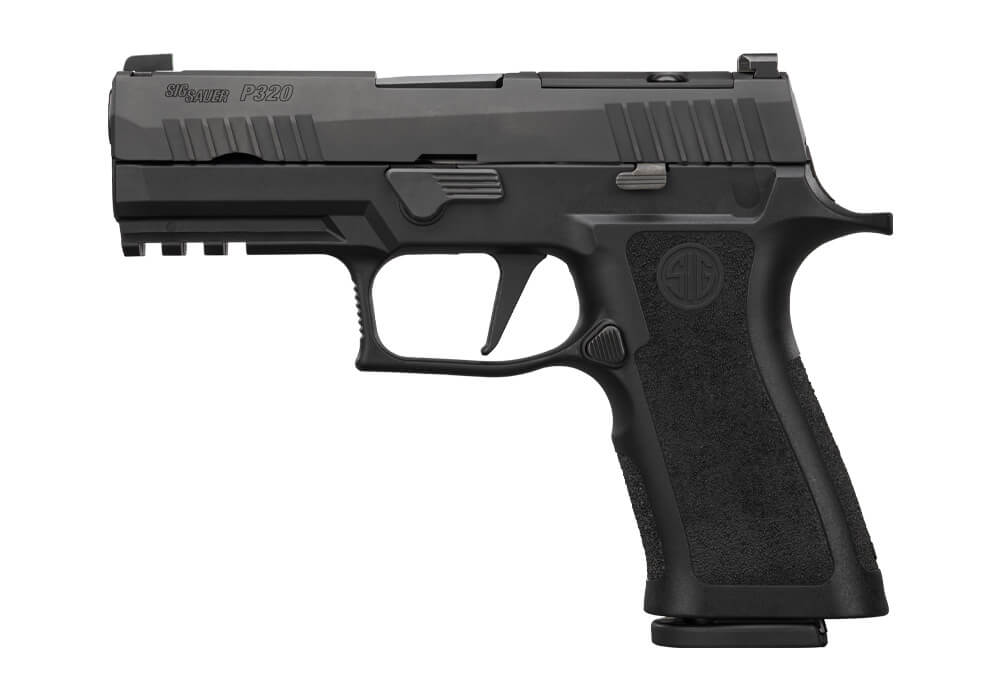
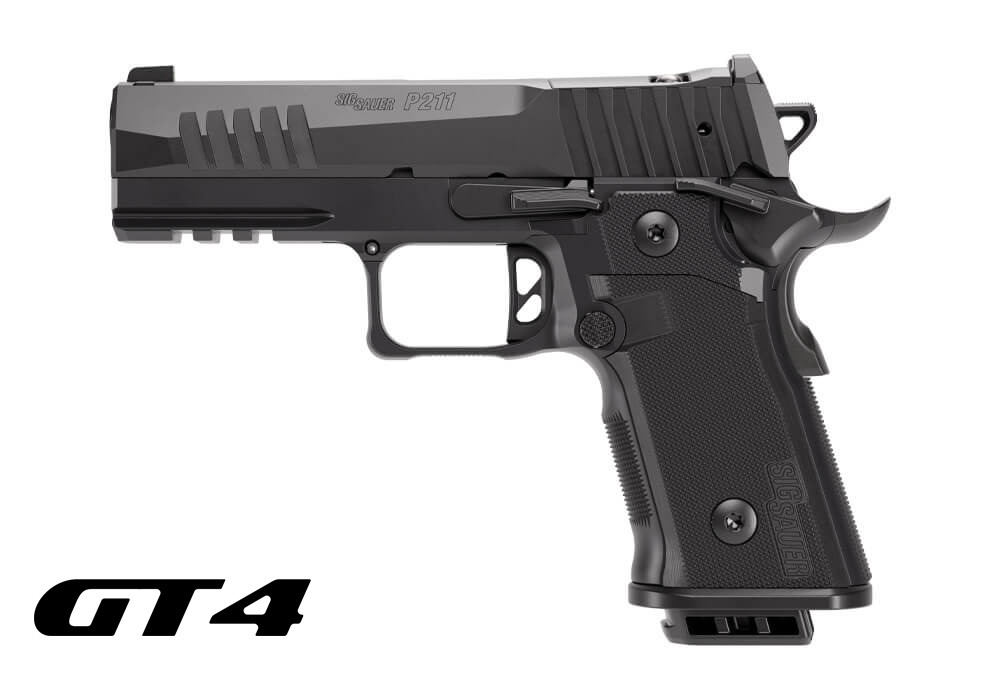
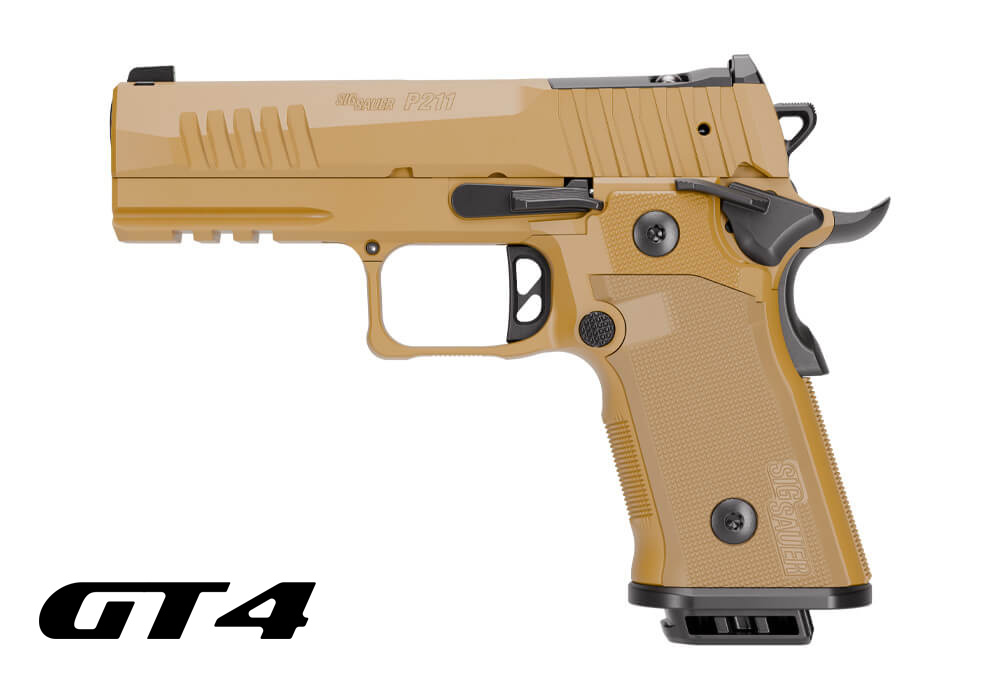
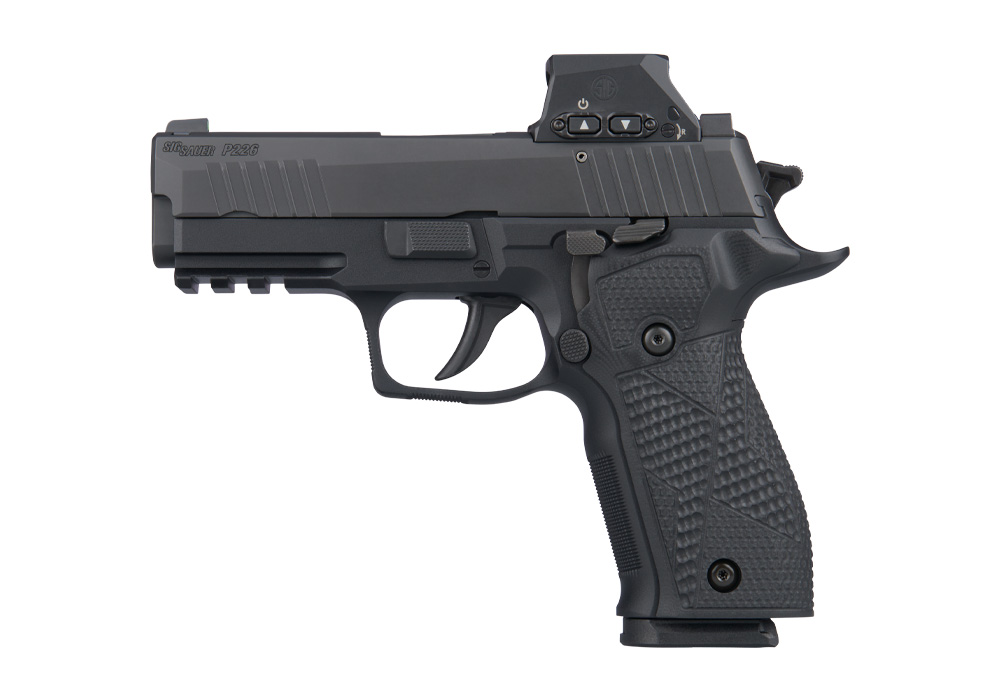
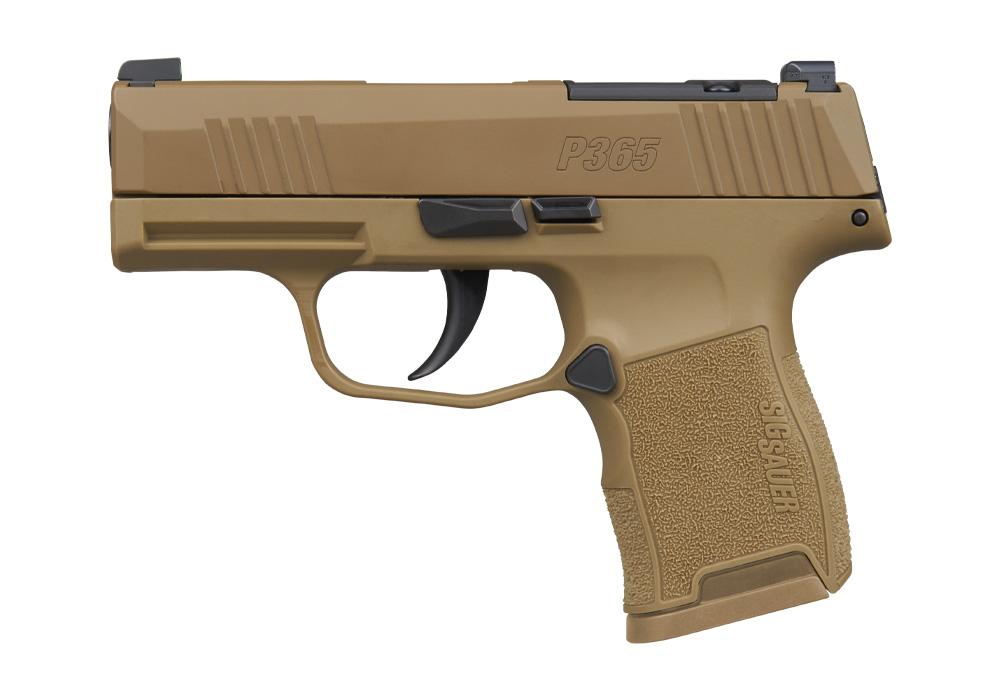
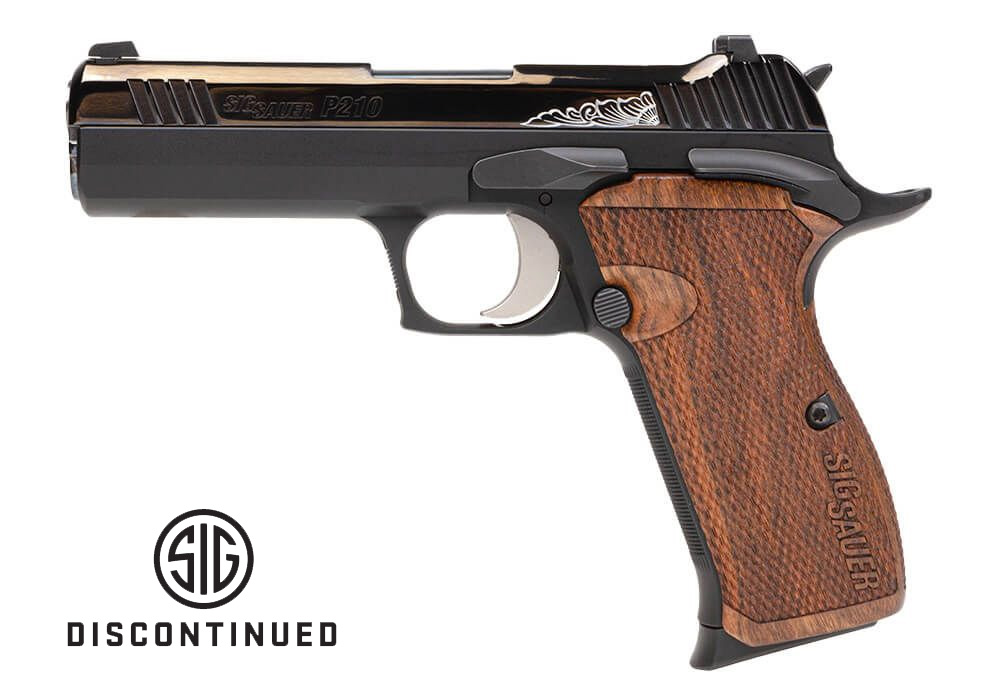
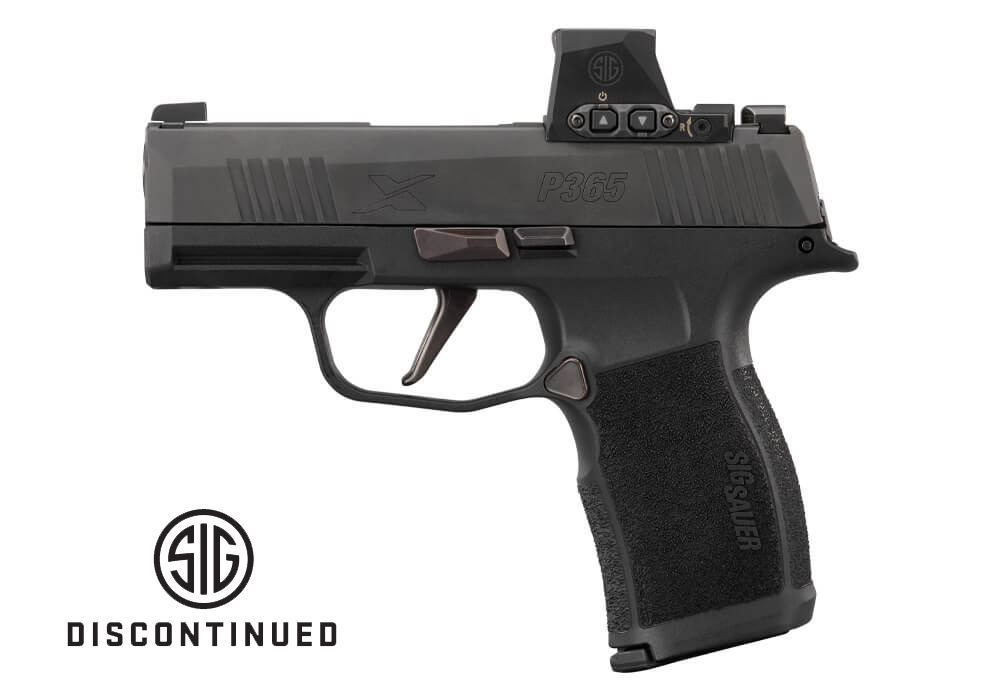
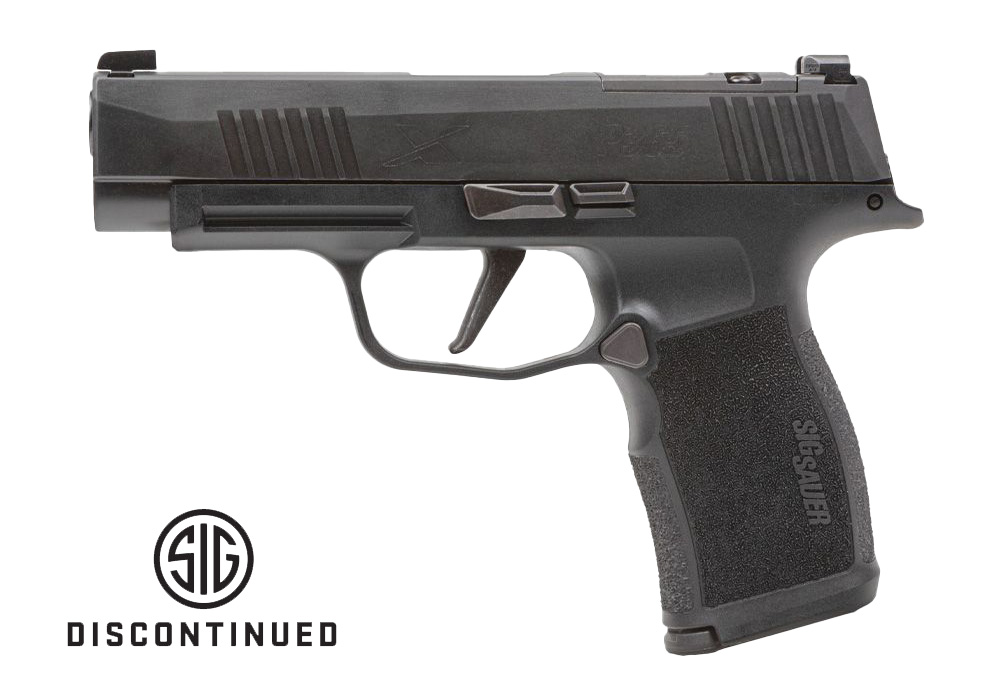
A 9mm concealed carry handgun is a pistol chambered in 9mm Luger with dimensions and features suited to discreet, lawful everyday carry. Also known as 9x19mm, this cartridge is widely used in compact and subcompact handguns because it works within relatively small pistol designs while offering recoil that many shooters find manageable with appropriate instruction and practice. Comfort and control still depend on the individual firearm, ammunition, and shooter; a smaller pistol is not automatically easier to handle simply because it is easier to conceal. Overall width, grip length, unloaded weight, and the shape of the frame all influence how a handgun fits into a daily routine. A short grip may sit discreetly beneath a shirt, while a slightly longer grip can offer additional contact for the hand. Neither characteristic tells the whole story without considering the person carrying it. For shoppers comparing Compact 9mm Handguns, the useful distinction is often how a particular size balances carry comfort with a secure, natural hold. Compact and subcompact labels are not standardized measurements, so published dimensions provide a clearer comparison than category names alone. Someone who spends much of the day seated may notice grip shape and overall length differently from someone whose routine involves frequent standing and walking. Hand size matters, but so do finger length, reach to the controls, and the amount of effort required to operate the pistol safely. Texturing should provide a stable hold without creating excessive friction against clothing or skin. Edges, backstrap contours, and the transition between the frame and grip can be easy to overlook in photographs yet noticeable during extended wear. An in-person fit assessment with a qualified professional can help clarify these differences. The strongest foundation for choosing a concealed carry pistol is a combination of suitable dimensions, comfortable handling, and a realistic commitment to responsible ownership—not the smallest measurements on a specification sheet.
Materials and construction help explain why two similarly sized 9mm carry pistols can feel quite different. Polymer frames are common because they keep weight relatively low and allow varied grip contours, while metal frames generally contribute additional weight and a different balance in the hand. Neither material alone establishes quality, durability, or suitability. The complete design, protective finish, component fit, and manufacturer’s maintenance requirements all deserve attention. Stainless steel and treated steel components offer different approaches to resisting everyday wear, but no finish removes the need for routine inspection and care. Carry handguns can encounter lint, perspiration, skin oils, and friction from a holster even when they spend little time at a range. Wear is often most visible along contact points, corners, and controls, and cosmetic changes should be distinguished from damage that requires professional evaluation. A durable carry setup also depends on compatible components rather than appearance alone. Sight configuration, frame dimensions, and any factory-installed features can affect holster fit, so compatibility should be confirmed for the exact firearm configuration. Clear, readable sights are useful, but visibility varies with eyesight and surrounding light; a feature that suits one person may not suit another. Control layout deserves the same individual consideration, particularly for left-handed owners or people with limited hand strength. Maintenance access and the clarity of the owner’s manual are practical parts of long-term ownership, too. Cleaning products and lubricants should be appropriate for the firearm’s materials and finish, and maintenance should follow the manufacturer’s instructions with ammunition kept separate from the work area. Harsh chemicals, improvised repairs, and unapproved alterations can create problems that are not obvious from the outside. A carry pistol is best evaluated as equipment expected to receive regular attention, not as an object that can be worn daily and forgotten between uses.
The handgun is only one part of a responsible 9mm concealed carry setup. A properly fitted holster should cover the trigger guard, retain the firearm securely, and remain compatible with the pistol’s exact configuration. Its attachment system and the supporting belt, where applicable, contribute to stability and comfort throughout ordinary activities such as sitting at a desk, getting into a vehicle, or walking through a store. Leather and rigid synthetic holsters have different care requirements and wear characteristics, but either needs inspection for damage, deformation, or changes in fit. Softness alone does not establish comfort or safety, just as a rigid shell alone does not establish secure retention. Clothing fit also matters: a handgun that appears unobtrusive while standing still may feel quite different during a full day of routine movement. Concealment should never take precedence over secure retention, safe handling, or compliance with applicable law. For a first-time owner, professional instruction can provide a sound introduction to firearm safety, storage responsibilities, and the legal obligations associated with carrying. Experienced owners benefit from continued education as well, especially when moving to a different size, control layout, or carry system. Possession and carry requirements vary by jurisdiction and location, and permission to carry in one place does not establish permission everywhere. Travel, workplace policies, and restricted locations require separate attention before a firearm becomes part of a daily routine. Secure storage remains essential whenever the handgun is not under the authorized owner’s control, with particular care to prevent access by children or other unauthorized people. A suitable locking storage solution belongs in the ownership plan from the beginning. Beyond dimensions and finish, the lasting value of a concealed carry handgun rests in how well it supports consistent, responsible practices. Comfortable fit, compatible equipment, manufacturer-directed care, and ongoing professional training give the category its practical context. The right choice is one that suits the owner’s lawful needs and can be handled, maintained, carried, and stored safely over time.