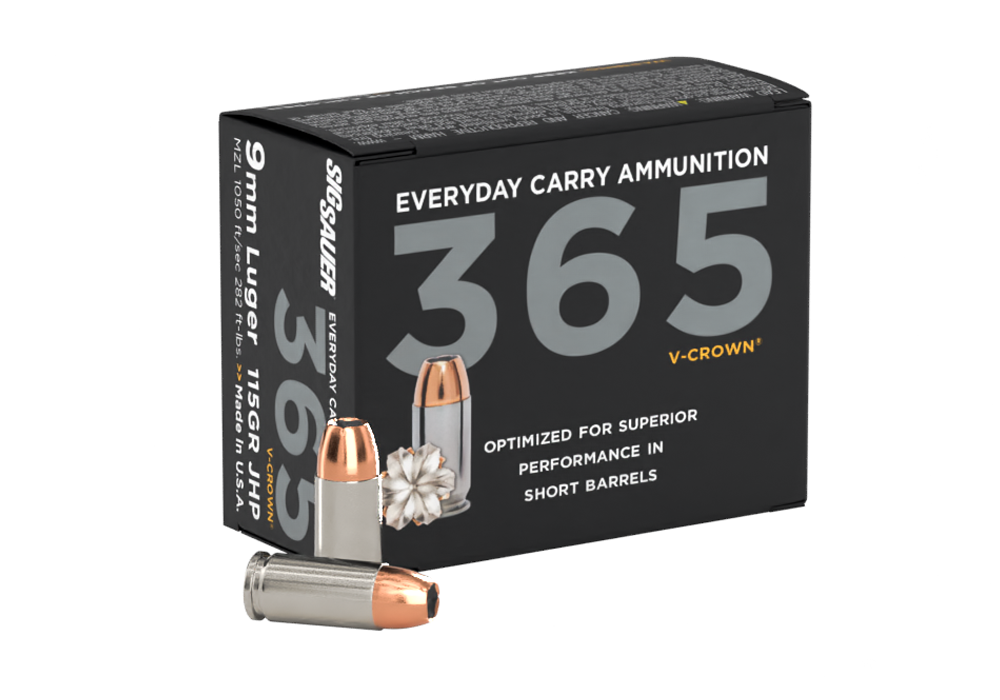
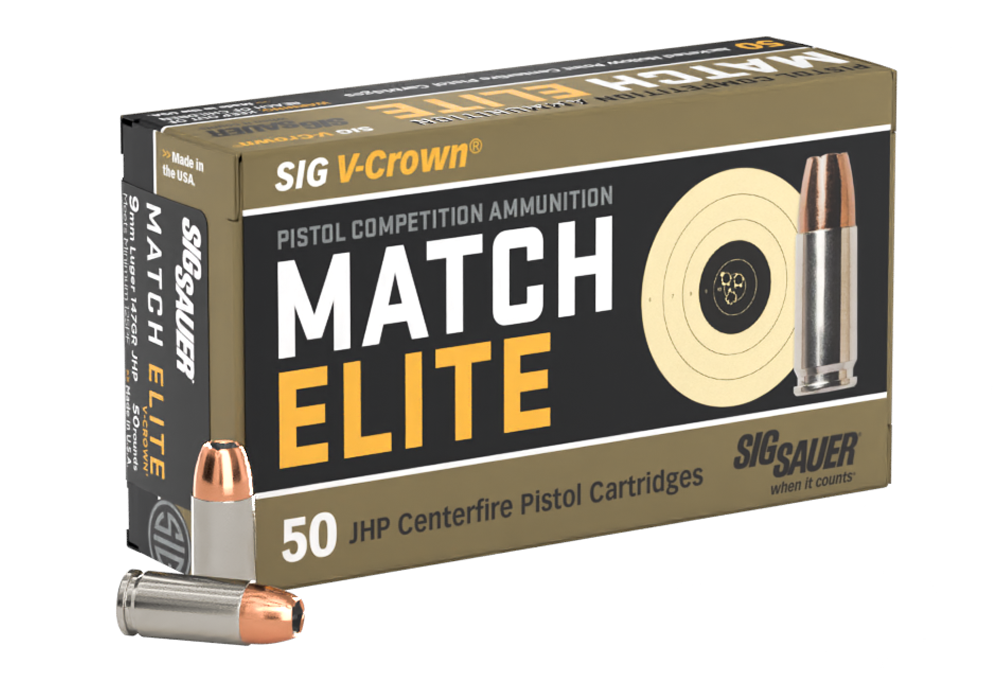
9mm concealed carry ammunition in bulk is a practical choice for responsible handgun owners who want to maintain a dependable supply for carry preparation, function testing, and periodic replacement. Unlike standard range ammunition, concealed carry loads are generally selected for defensive use and commonly feature a jacketed hollow point (JHP) designed to expand after impact while providing reliable penetration. Larger-quantity purchases can make it easier to keep the same load on hand for practice and carry, although defensive ammunition is not always packaged in the same 500- or 1,000-round case quantities associated with full-metal-jacket (FMJ) range ammunition. Buyers may find extended-count boxes, case lots, or multiple compatible packages that provide a more convenient supply without requiring a separate search each time their carry ammunition needs to be refreshed. The right quantity depends on how often the handgun is carried, how frequently it is practiced with, and how many magazines are used for training. A new concealed carrier may appreciate enough ammunition to confirm function, practice from realistic distances, and establish confidence with the firearm, while an experienced owner may be replenishing a carefully tested load or maintaining separate supplies for multiple pistols. Bulk purchasing can also be useful for a household member who is already trained and legally permitted to own and use ammunition, though any gift or transfer should follow all applicable federal, state, and local laws.
When comparing 9mm concealed carry ammunition, start with compatibility and reliability rather than focusing only on price or round count. Confirm that the cartridge is 9mm Luger, also commonly marked 9x19mm, and check the handgun manufacturer’s specifications before ordering. Bullet weight is another important consideration. Common defensive loads use lighter, standard, or heavier projectiles, and each can produce a different balance of velocity, recoil, sound, and point of impact. Compact and subcompact pistols may feel sharper with some loads, while a full-size pistol can be more comfortable with the same ammunition. Shorter barrels can also produce different performance than the barrel length used for published testing, making it especially useful to evaluate a chosen load in the exact firearm and configuration intended for carry. A dependable defensive cartridge should feed smoothly from every carry magazine, cycle the slide consistently, and print close enough to the shooter’s established point of aim for practical use. Testing should include more than a few rounds: many owners use a portion of their supply for controlled practice, magazine changes, and confirmation after cleaning or maintenance, then reserve the remaining ammunition for carry. The exact amount needed varies, but setting aside enough for several realistic sessions helps reveal issues that a single magazine may not show. For economical practice, many shooters pair their defensive supply with 9mm Bulk Range Ammunition, using comparable bullet weights when possible while keeping the designated carry load available for final checks and everyday readiness.
Storage and rotation matter just as much as the initial selection. Keep cartridges in their original packaging or another clearly marked container, protected from excessive heat, moisture, oils, solvents, and physical damage. Ammunition carried in a handgun or magazine is exposed to handling, temperature changes, and repeated loading and unloading, so inspecting it periodically is sensible. Look for corrosion, dents, damaged primers, unusual bullet setback, or other signs that a cartridge should not be used. Repeatedly chambering the same round can push the bullet deeper into the case and alter its dimensions, so many careful owners rotate chambered ammunition and periodically replace rounds that have been subjected to repeated cycling. Follow the firearm manufacturer’s cleaning and inspection guidance, and never mix loose cartridges without retaining their identifying information. During the cooler months, layered clothing can also make it worthwhile to confirm that the selected load, pistol, holster, and carry position work together without compromising safe handling or access. Practice should always take place at a lawful range with a safe backstop and appropriate eye and hearing protection, while defensive ammunition should be used only in accordance with applicable law and responsible firearms safety principles. A thoughtfully chosen bulk supply gives concealed carriers a consistent way to train, verify function, rotate older rounds, and keep their equipment prepared without treating ammunition selection as a one-time decision.