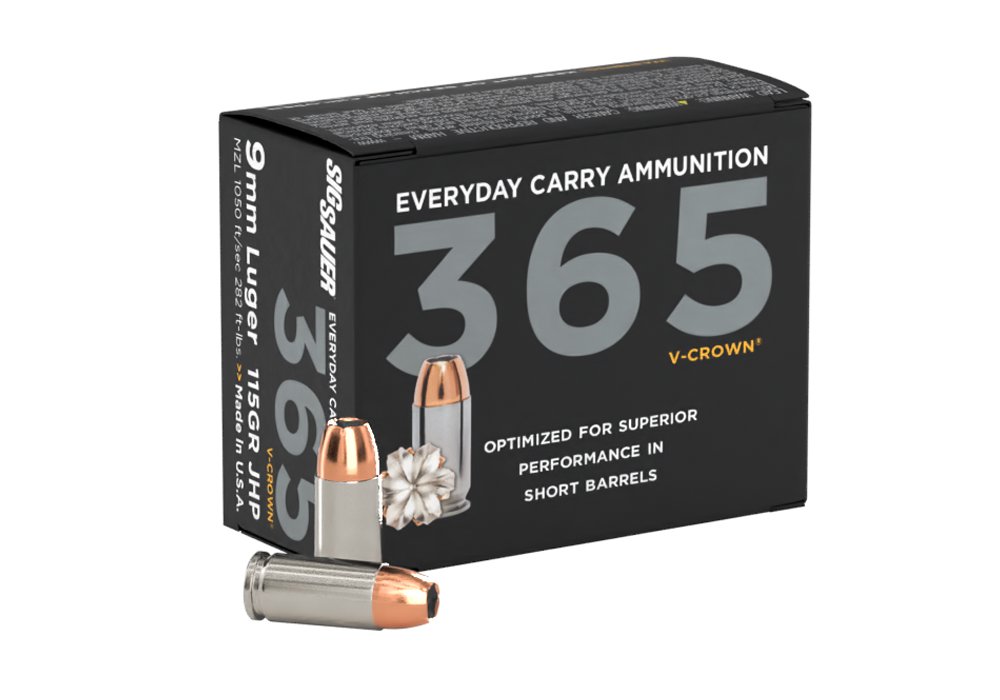
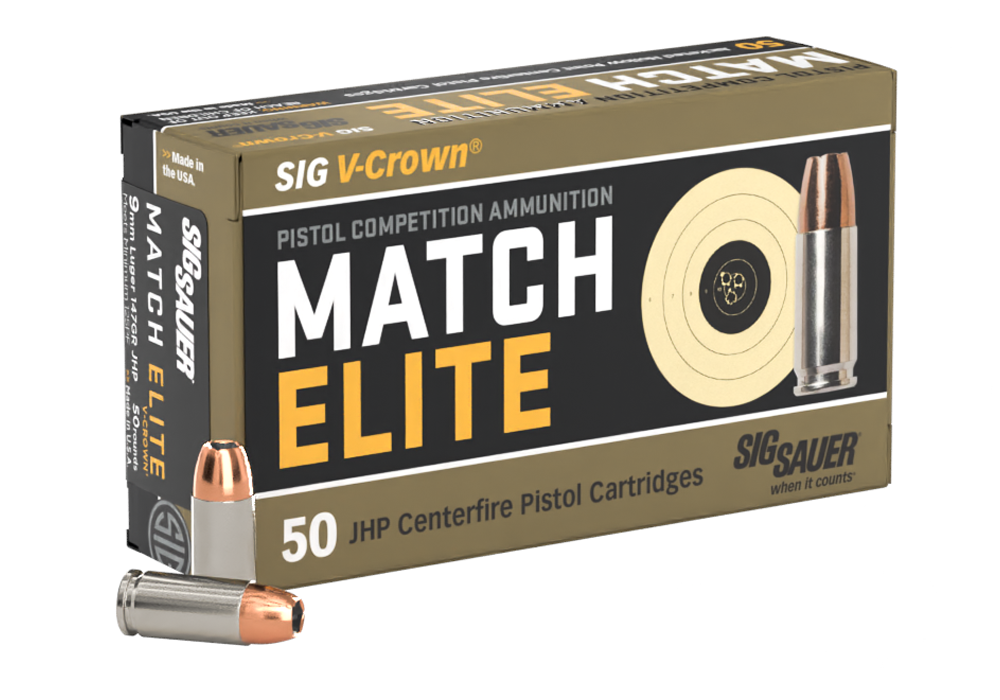
9mm bulk range ammunition consists of larger quantities of 9mm cartridges intended for target practice, routine training, and organized shooting activities. Common bulk configurations include 500- and 1,000-round cases, often containing full metal jacket (FMJ) ammunition. Packaging varies: some cases contain individual boxes, while others hold cartridges in larger containers. That distinction matters for someone packing a range bag for an afternoon session or keeping ammunition organized across several visits. FMJ bullets generally feature a metal jacket surrounding a core, with profiles such as round nose or flat point depending on the load. Their primary role is target shooting rather than controlled expansion. Bulk quantities suit regular range visitors, recreational target shooters, and people attending supervised instruction who need enough ammunition to meet a class requirement. For these uses, the useful comparison is not simply the number of rounds in a case. Cartridge designation, bullet weight, case material, pressure specifications, and packaging all help distinguish one type of range ammunition from another. Common 9mm bullet weights include 115, 124, and 147 grains; grains measure bullet weight, not the quantity of propellant inside a cartridge. Different loads can produce different shooting impressions and points of impact, so matching a familiar specification can help keep practice sessions consistent. The firearm’s markings and owner’s manual remain the reference for compatibility. Ammunition labeled 9mm Luger, also commonly identified as 9x19mm or 9mm Parabellum, should not be confused with other cartridges that share a similar name or bullet diameter. A higher-pressure designation is another separate specification, and compatibility should never be assumed from caliber alone. For shoppers comparing bulk range ammunition, clearly stated specifications offer a more useful starting point than broad claims about performance. A case intended for repeated target sessions should fit both the firearm’s requirements and the rules of the facility where it will be used.
Case and projectile materials deserve attention because range policies and firearm requirements can narrow the suitable choices. Brass is a familiar cartridge-case material, valued for its corrosion resistance and its ability to expand and contract during normal firing. Steel and aluminum cases also appear in range ammunition, but acceptance varies by facility, and firearm manufacturers may provide specific guidance about their use. Case material and bullet construction are separate details: a brass case does not establish what metals are present in the projectile. Some ranges restrict ammunition with certain magnetic components, exposed lead projectiles, or other construction features, so the published ammunition description and the facility’s rules should agree before a case is selected. FMJ also does not automatically mean lead-free. Where indoor facilities specify particular projectile designs or lead-free ammunition, the exact construction matters more than a general target-ammunition label. Good ventilation, handwashing after handling ammunition or shooting, and following posted range procedures remain important regardless of jacket type. Consistency is another consideration for regular practice. Using ammunition with the same listed bullet weight and pressure specification can reduce unnecessary variables when comparing results across visits, although performance still depends on the individual firearm and shooting conditions. Reliable function in a compatible firearm is more meaningful than assuming every load with the same caliber marking will behave identically. A shooter returning to the same paper target each visit may appreciate familiar ammunition characteristics, while a class participant may be more concerned with meeting an instructor’s published requirements. Neither situation calls for elaborate claims; it calls for clear specifications and a suitable match. Packaging contributes to everyday practicality, too. Individual boxes keep round counts easy to track and preserve identifying information, while larger containers may require more deliberate organization. Intact cartons, legible labels, and accessible lot numbers help maintain a clear record of what is being used. Those details become especially useful when several ammunition types share space in the same secured storage area.
Bulk quantities work best as part of a realistic range routine, whether that means occasional recreational visits, recurring instruction, or preparation for a sanctioned target-shooting event. A class with a stated round requirement gives shoppers a concrete quantity to plan around, while regular range visitors may prefer packaging that divides neatly among several sessions. The relevant comparison includes total round count, rounds per inner box, projectile construction, and compatibility rather than case size alone. Related options on the 9mm Bulk Training Rounds page can also support a comparison focused on recurring practice and instructional use. Once ammunition is selected, careful storage helps protect its condition and keeps identifying information connected to the cartridges. A dry, secure location away from moisture, cleaning chemicals, and unauthorized access is appropriate, with ammunition stored according to applicable laws and the firearm manufacturer’s safety guidance. Original packaging provides useful protection and preserves the caliber, bullet weight, and lot information; if an outer container is used, those labels should remain with the ammunition. Loose cartridges from different loads can be difficult to distinguish later, especially when their cases and bullet profiles look similar. Visible corrosion, damaged cases, or bullets that appear out of position warrant setting the ammunition aside and seeking guidance from the manufacturer rather than attempting to use or repair it. Durable outer packaging is helpful for transport, but it does not replace inspection or secure handling. A well-organized range bag also keeps ammunition separate from oils and solvents used for firearm care. After a session, cleaning and inspection should follow the firearm owner’s manual, since ammunition construction does not eliminate routine maintenance needs. For recreational shooters and supervised students alike, the strongest foundation for selecting 9mm bulk range ammunition is straightforward: correct cartridge identification, suitable materials, clear labeling, responsible storage, and an intended use that matches the ammunition’s design. Those practical details help keep attention on the range experience rather than uncertainty about the contents of the next box.