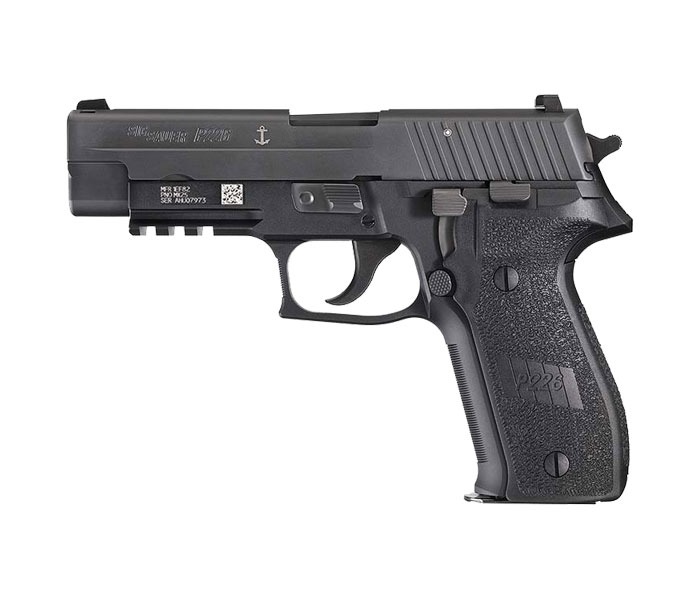
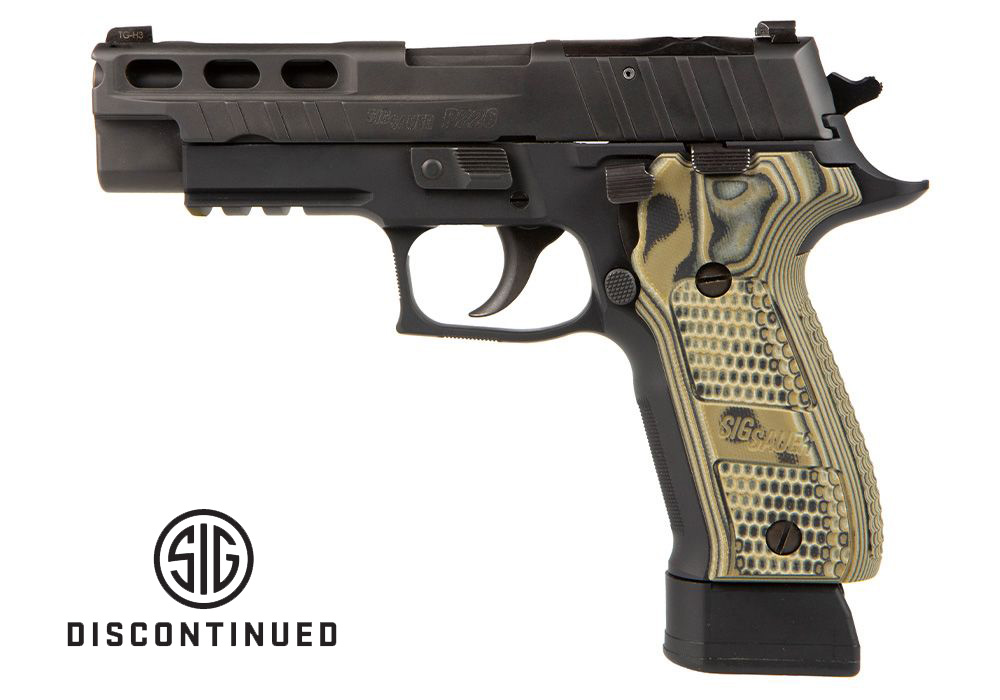
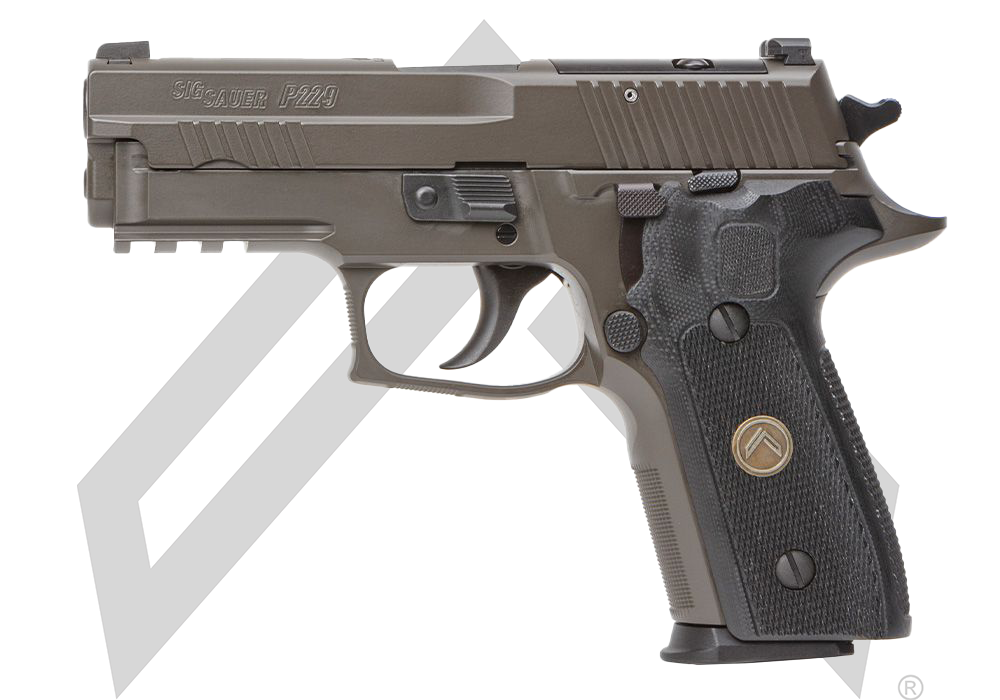
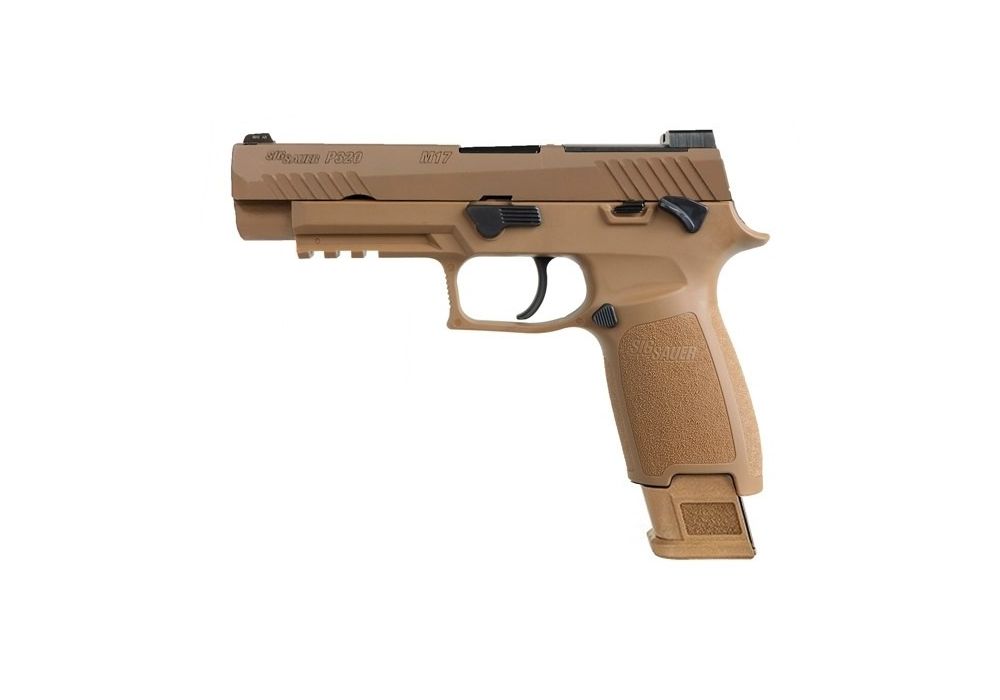
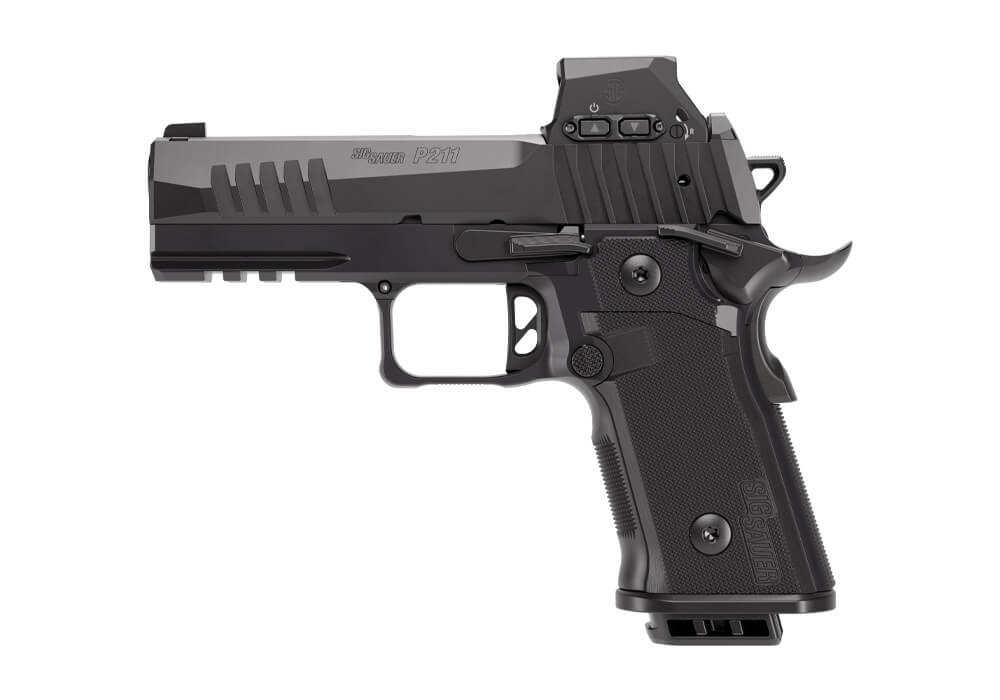
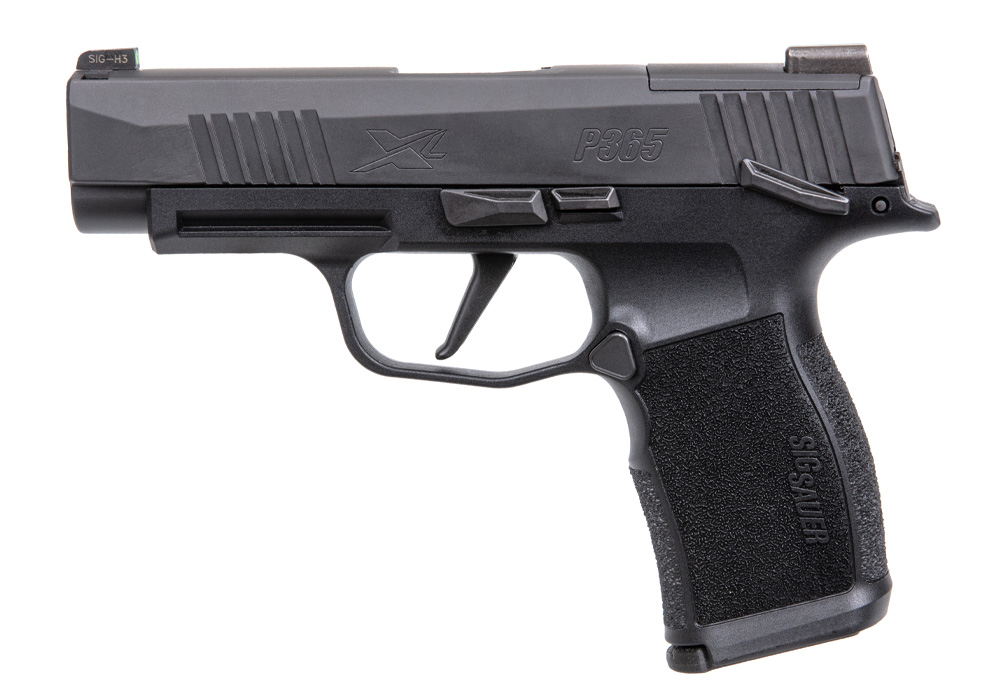
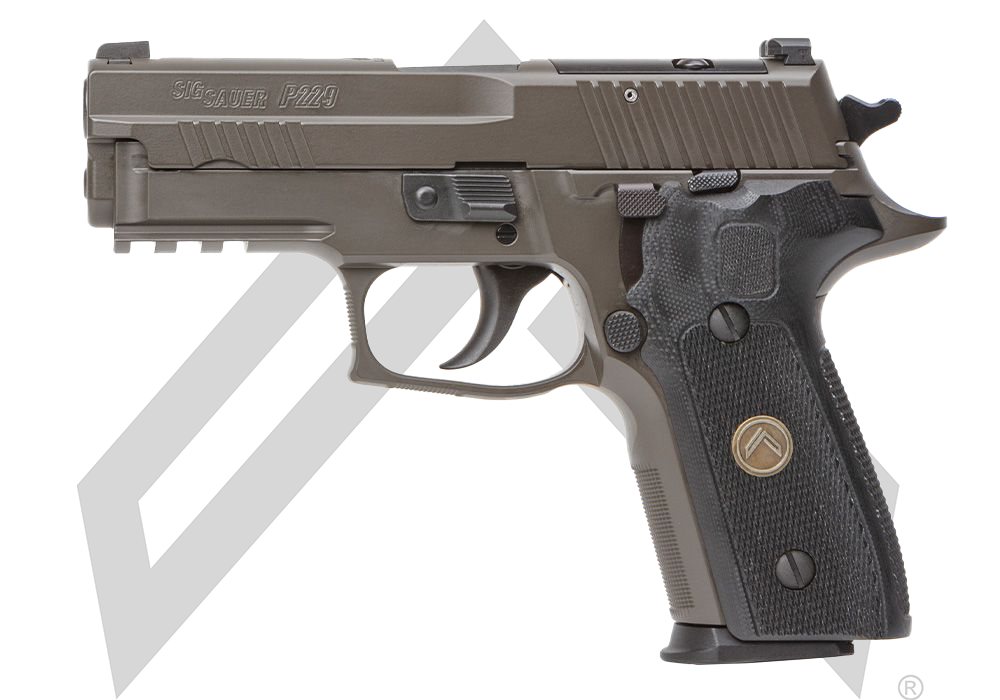
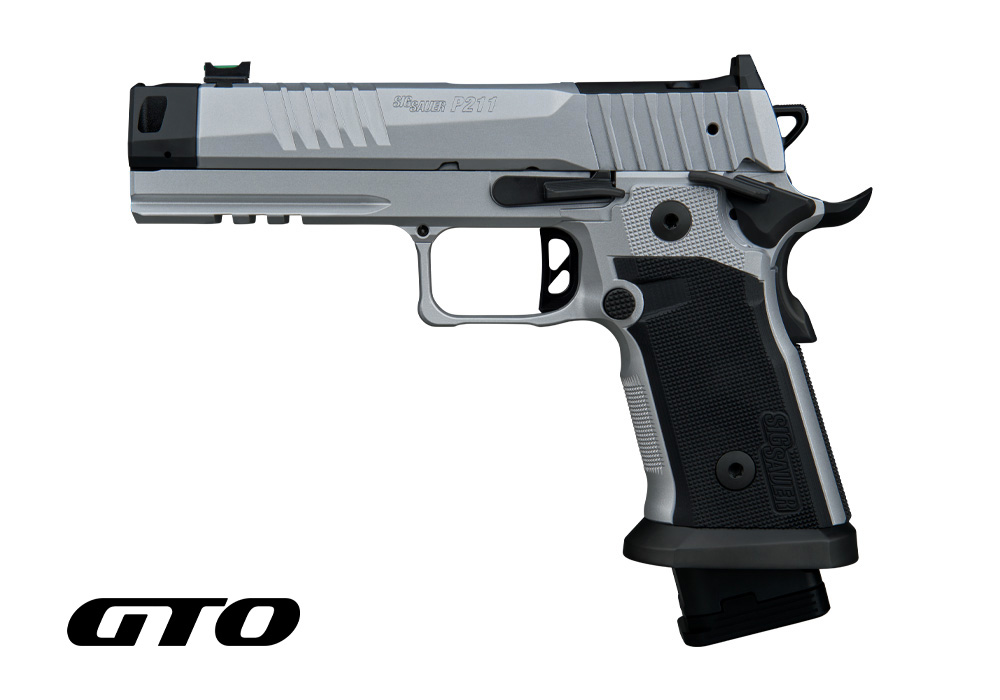
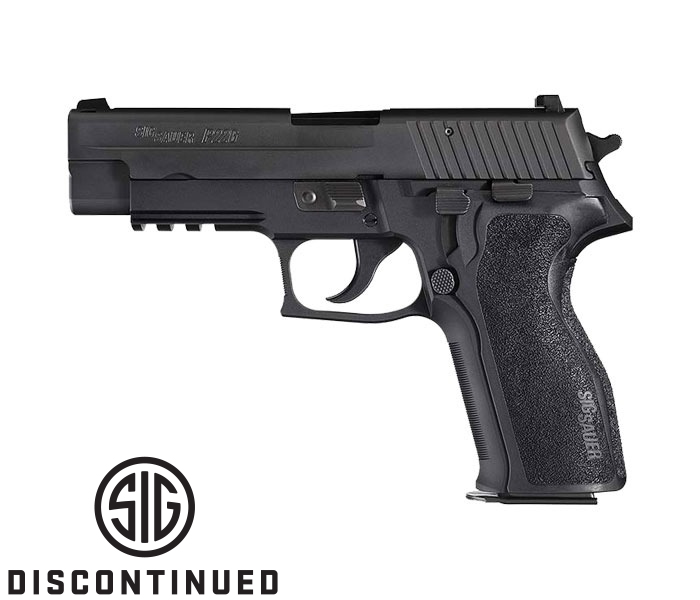
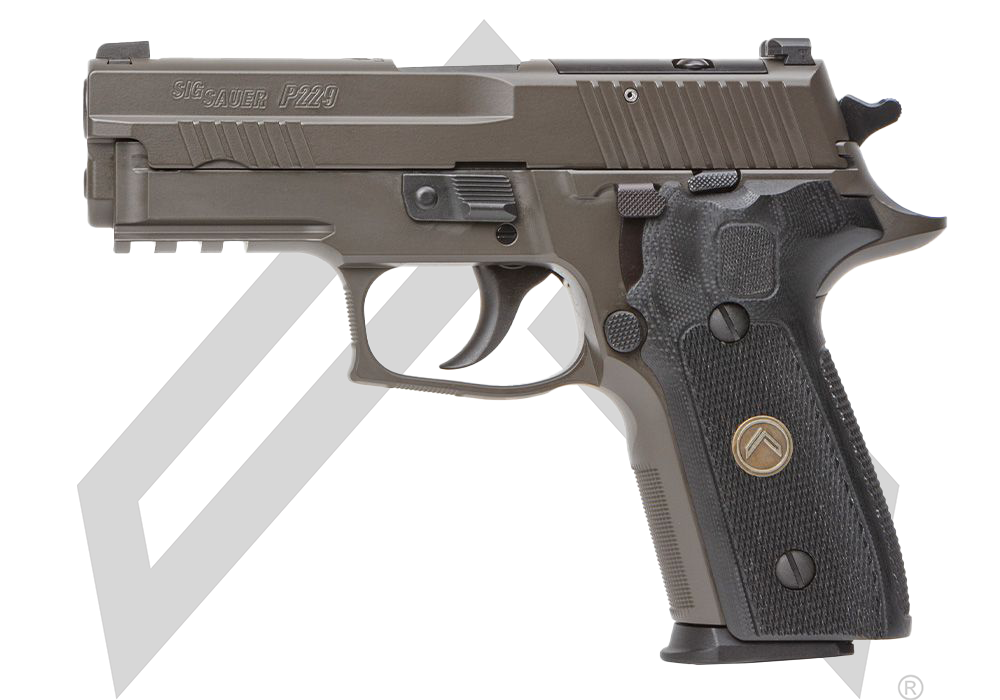
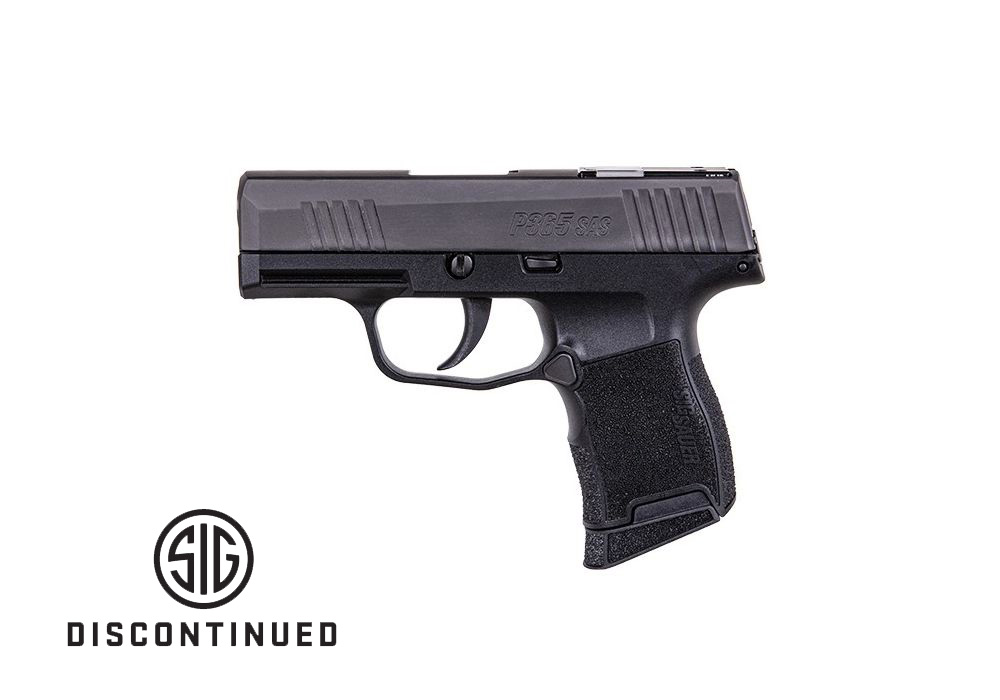
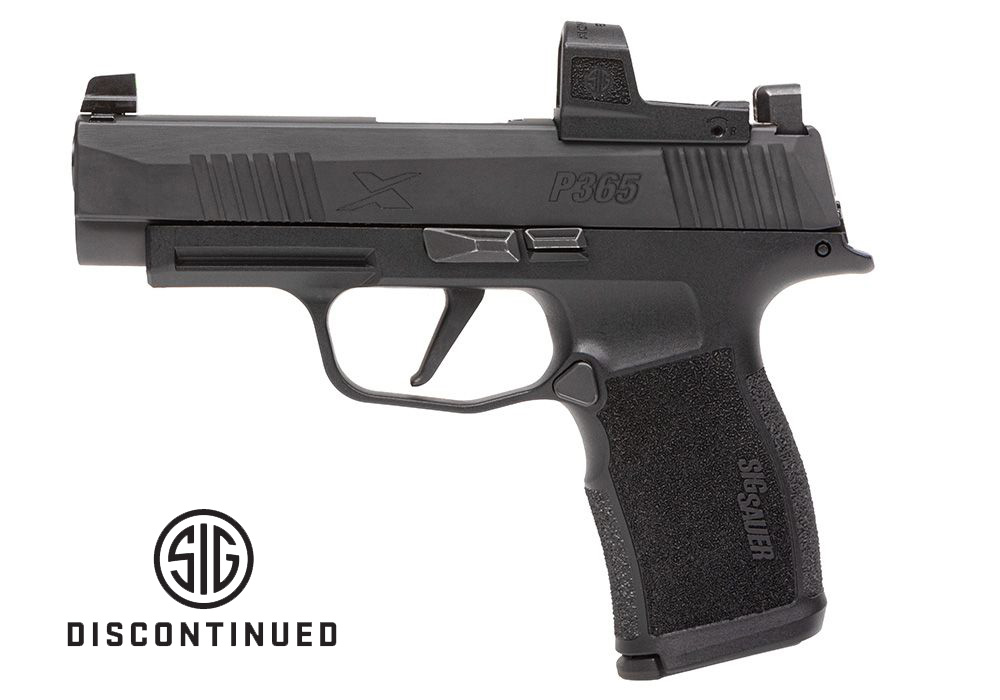
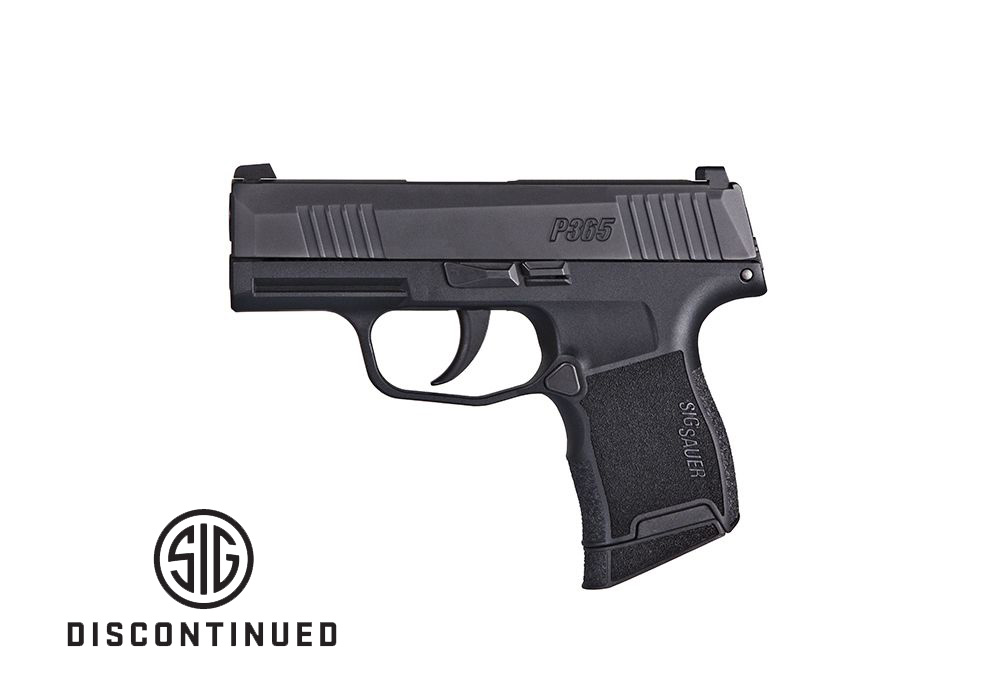
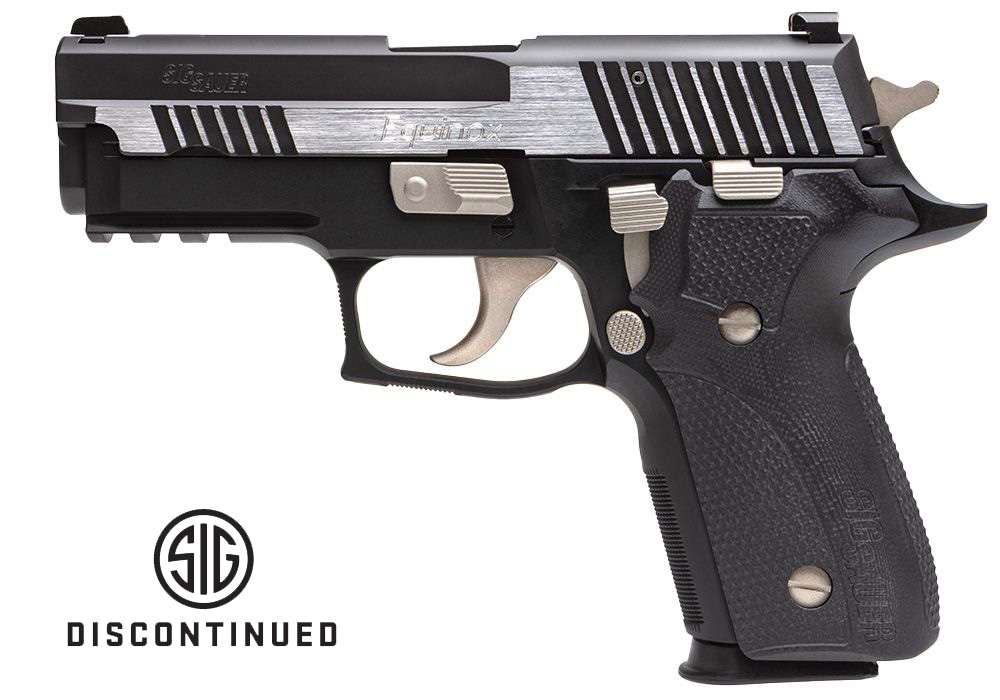
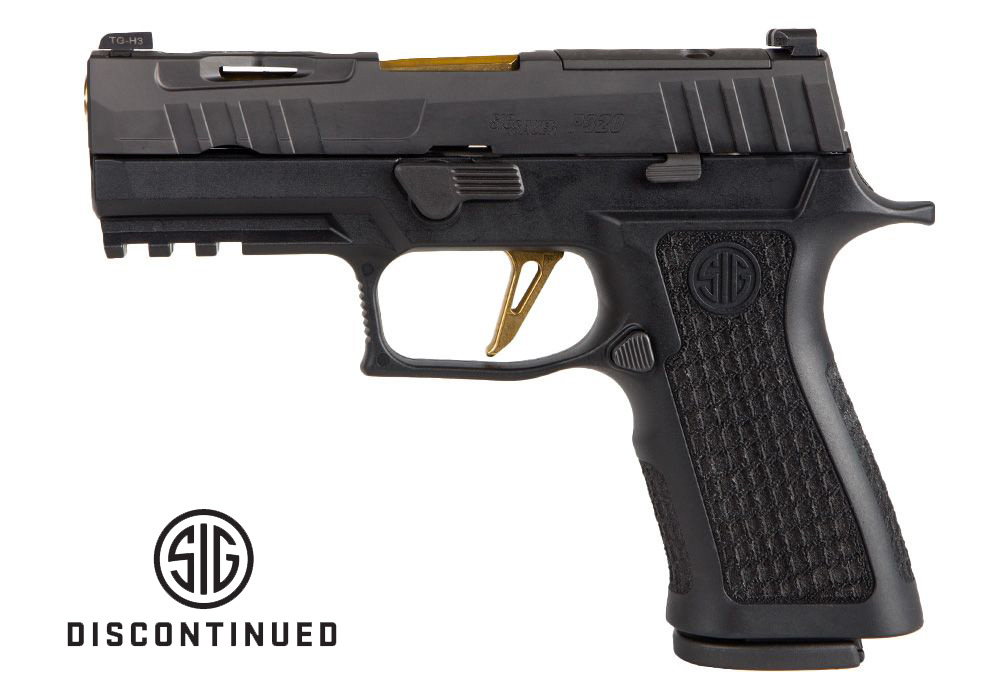
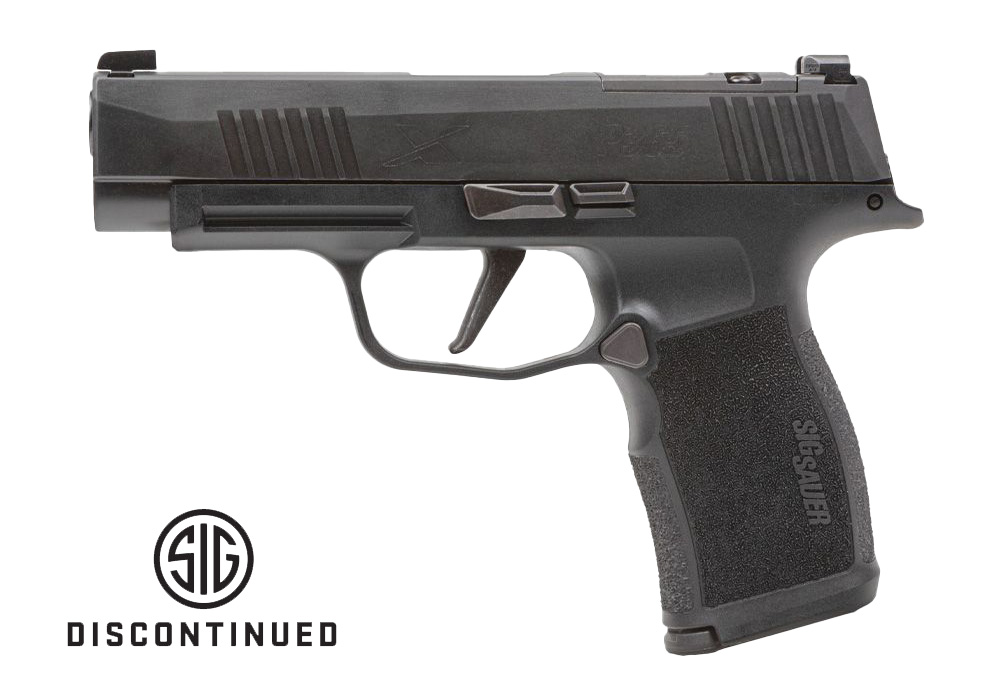
9mm finishes shape the appearance, surface feel, and protection of a pistol’s slide, barrel, and frame. Common options include nitride treatments, physical vapor deposition coatings, ceramic-based coatings, blued steel, and anodized aluminum, each with different characteristics for wear resistance, corrosion protection, and color. The underlying material matters just as much as the visible surface: steel, stainless steel, aluminum, and polymer do not receive the same treatments or respond to use in exactly the same way. Nitriding modifies the surface of compatible steel rather than simply adding a decorative layer, creating a hardened surface that can resist wear. Physical vapor deposition, often abbreviated PVD, applies a thin coating whose properties depend on its composition and the preparation beneath it. Diamond-like carbon, or DLC, describes a family of carbon-based coatings often selected for hardness and low friction, although performance varies with the coating system. Ceramic-based finishes provide a broad range of colors and textures, with results influenced by preparation, application, and curing. Traditional bluing gives steel a rich, dark appearance but generally requires more attention to protective oil than many modern surface treatments. Anodizing creates a protective oxide layer on aluminum components; it is not the equivalent of painting a steel slide. Stainless steel, meanwhile, is an underlying alloy rather than a finish by itself, and it can still show staining or corrosion without appropriate care. These distinctions help explain why two similarly colored 9mm pistols can have different maintenance needs. A satin silver surface might be stainless steel or a coating over another material, while a black surface might reflect any of several treatments. Color alone does not establish durability. Matte, satin, polished, and textured surfaces also reflect light differently, so the visual character of a finish depends on both its chemistry and the preparation of the surface beneath it. Manufacturer specifications provide a more useful comparison than appearance alone, especially when identifying which components receive a particular treatment.
The right 9mm finish depends on how the pistol will be handled, carried, stored, and maintained. For regular range use, resistance to abrasion and straightforward cleaning may matter more than a perfectly uniform appearance. Repeated contact with a holster can polish raised edges and leave visible wear near the muzzle or along slide corners, even when the underlying treatment continues to provide protection. For lawful concealed carry, contact with skin, perspiration, clothing, and holster materials makes corrosion resistance and routine inspection especially relevant. A subdued matte surface reflects less light than a polished one, while a smoother exterior may feel different against a holster lining or during normal handling. Neither appearance guarantees better mechanical performance. A finish should be considered alongside grip texture, control access, and the pistol’s overall fit for its intended role, rather than treated as a substitute for those fundamentals. Barrel finishes deserve the same practical perspective: marks at normal contact points can develop through cycling and do not automatically indicate a defect. Unusual flaking, peeling, rust, or changes in function warrant evaluation according to the manufacturer’s recommendations. Fit is particularly important wherever parts meet. Coating thickness and surface preparation can affect close-fitting interfaces, so compatibility involves more than matching a color name. Replacement components should match the specified model and configuration, and refinishing work belongs with a qualified professional familiar with the firearm’s tolerances. Protective treatments should not obscure markings, interfere with controls, or alter critical engagement surfaces. Frame construction also changes the comparison. A polymer frame’s molded color and texture are different from an applied coating, while an aluminum frame may rely on anodizing for surface protection. Coordinating these materials can create a consistent appearance, but slight differences in sheen between the frame, slide, and barrel are normal. For frequent shooters, carry users, and collectors alike, the most useful finish comparison balances the treatment’s documented properties with realistic expectations about contact wear, maintenance, and long-term appearance.
Care helps preserve both the protective function and the visual detail of 9mm finishes. Cleaning should begin only after the firearm is unloaded and handled according to its owner’s manual, with ammunition kept separate from the cleaning area. Solvents, lubricants, brushes, and cloths should be compatible with the specific surface treatment; a chemical suitable for one component may be unsuitable for another. Strong abrasives can change a satin sheen, scratch a polished surface, or damage decorative details, while excessive scrubbing may turn a small cosmetic mark into a more noticeable patch. A soft cloth is useful for removing fingerprints from exterior metal, and lubrication should follow the manufacturer’s directions rather than assumptions about a coating’s friction characteristics. Hard or slick surfaces do not eliminate the need for prescribed lubrication. After handling, attention to seams, recessed areas, and places where moisture can remain helps protect the firearm without unnecessary polishing. Storage conditions matter as well: a clean, dry environment and appropriate protective care are more dependable than assuming a corrosion-resistant finish cannot rust. Holsters and cases should also be checked for trapped grit, which can abrade surfaces during ordinary movement. Decorative finishes introduce another consideration: how engraving, contrast, and light interact across the pistol’s contours. Fine patterns can stand out against a dark background, while restrained detailing on a satin surface offers a quieter appearance. The relationship between decoration and protective treatment is worth understanding, particularly when comparing etched, cut, or coated details. For shoppers drawn to that visual character, Engraved Finish 9mm Pistols highlights a distinct approach to surface detailing. Whether the preference is understated black, metallic contrast, or ornamental work, an attractive finish is strongest when its appearance suits the material and its care requirements suit the owner. A pistol used often will develop a different surface history from one handled mainly as part of a collection. Understanding that difference supports a choice grounded in both aesthetics and practical ownership, with room for normal wear rather than an expectation that every surface will remain untouched.