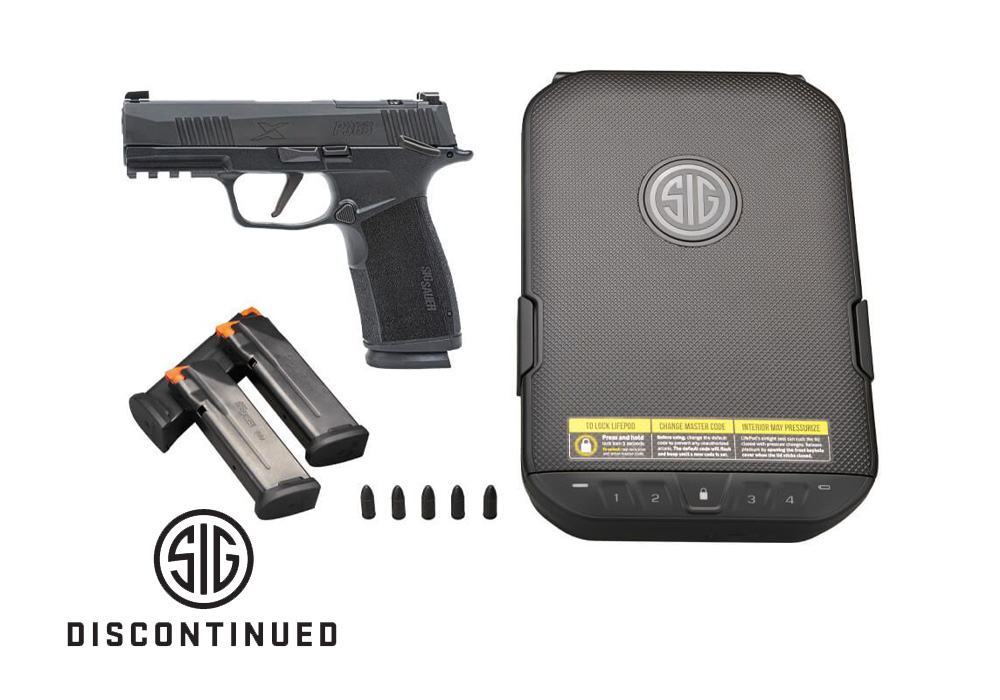
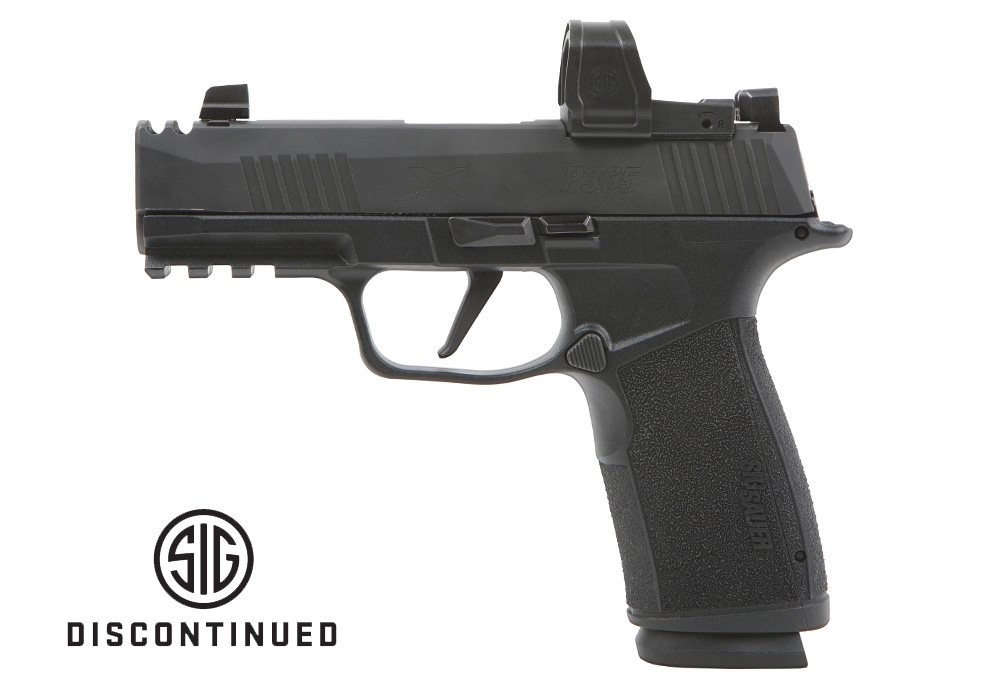
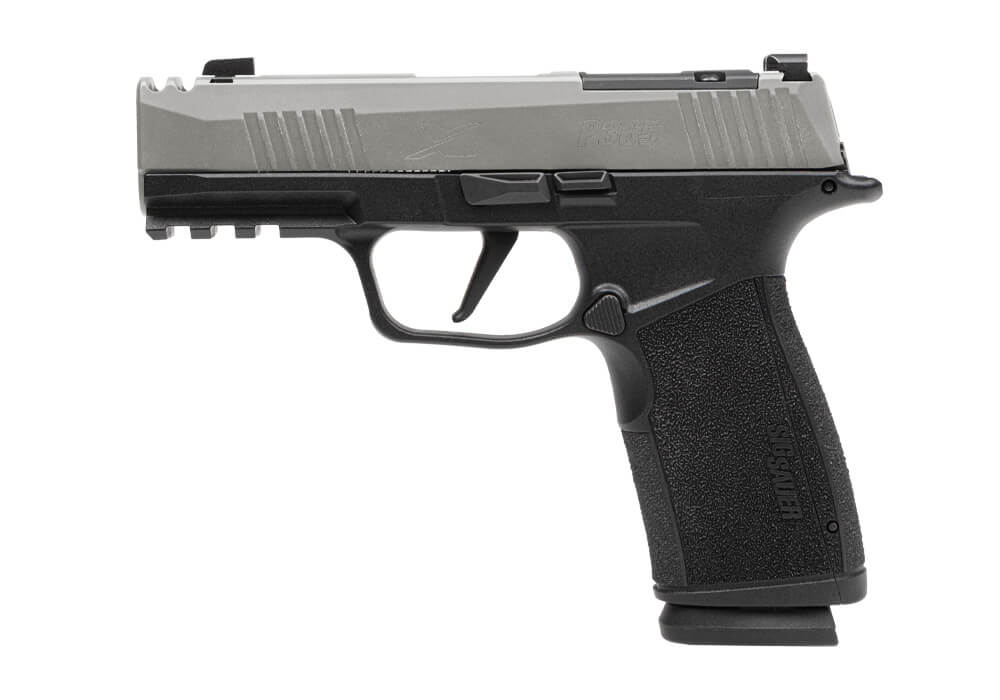
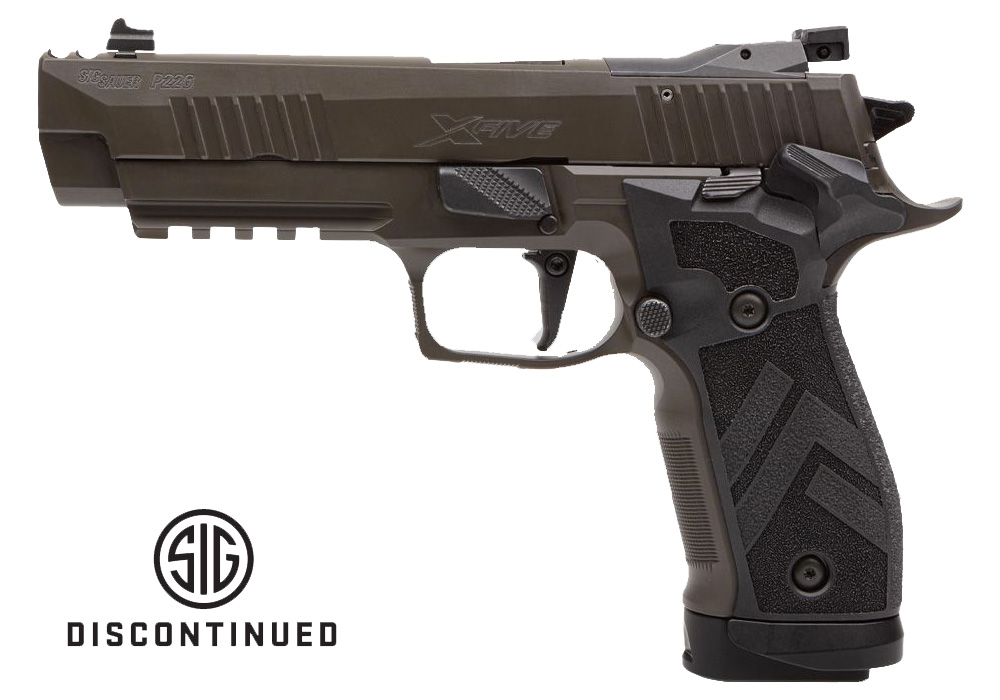
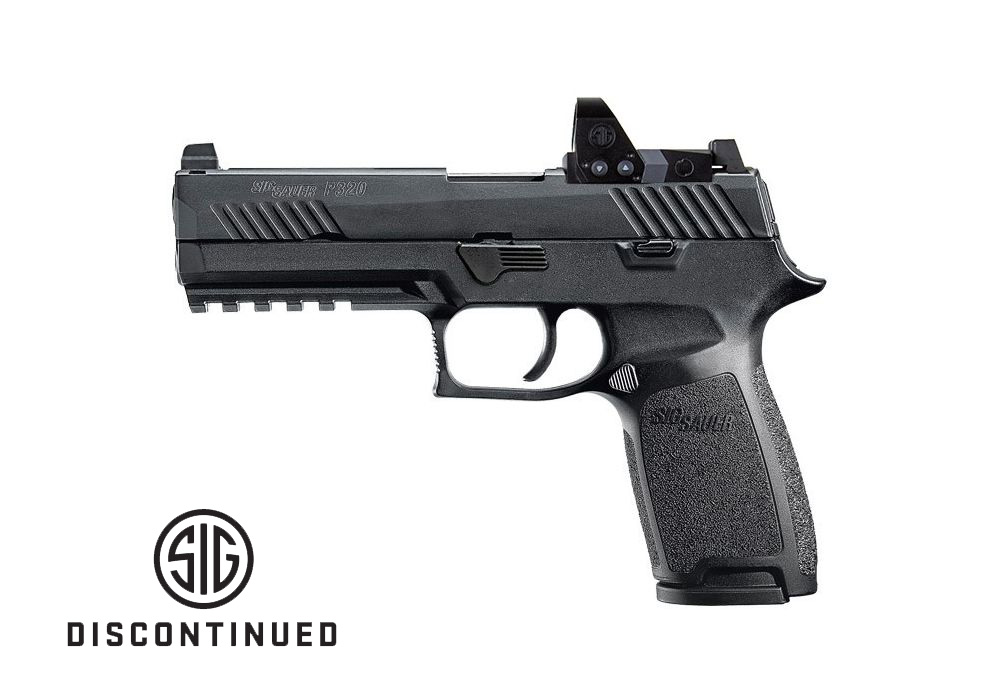
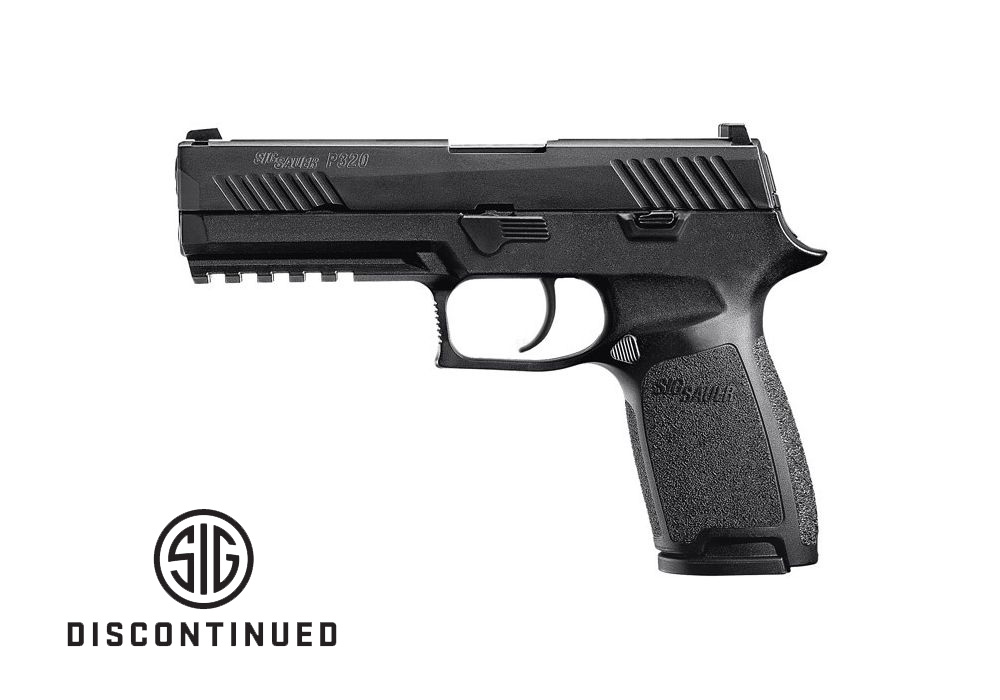
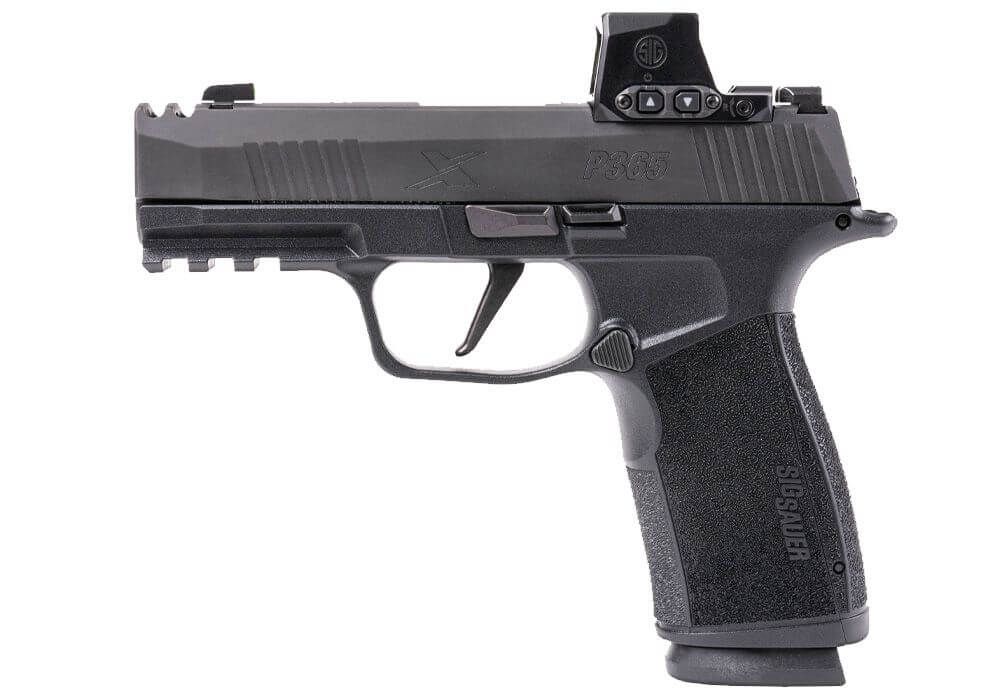
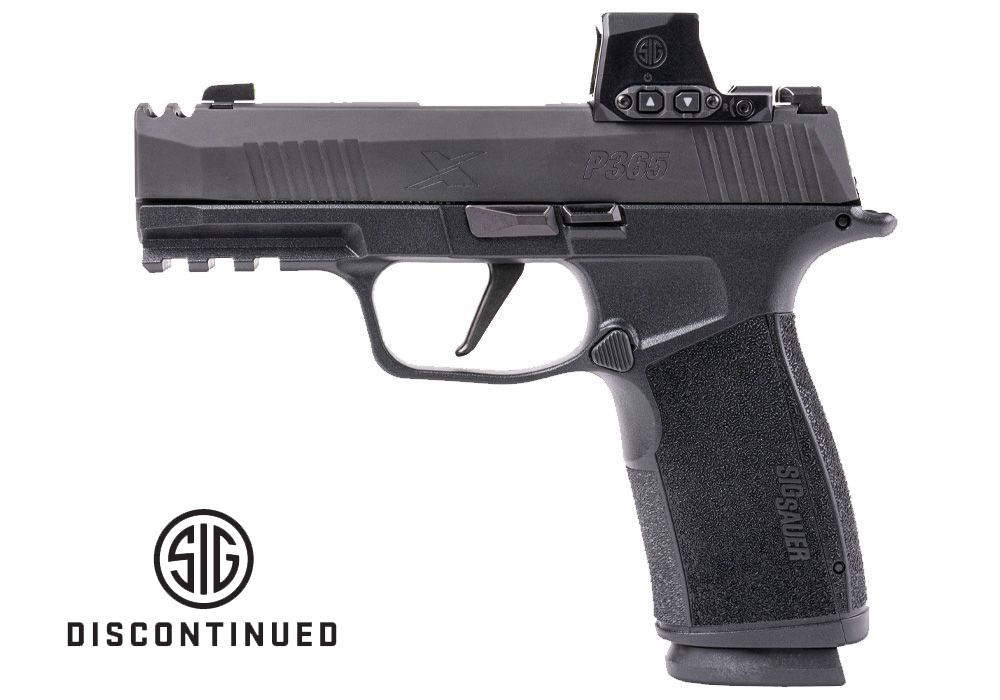
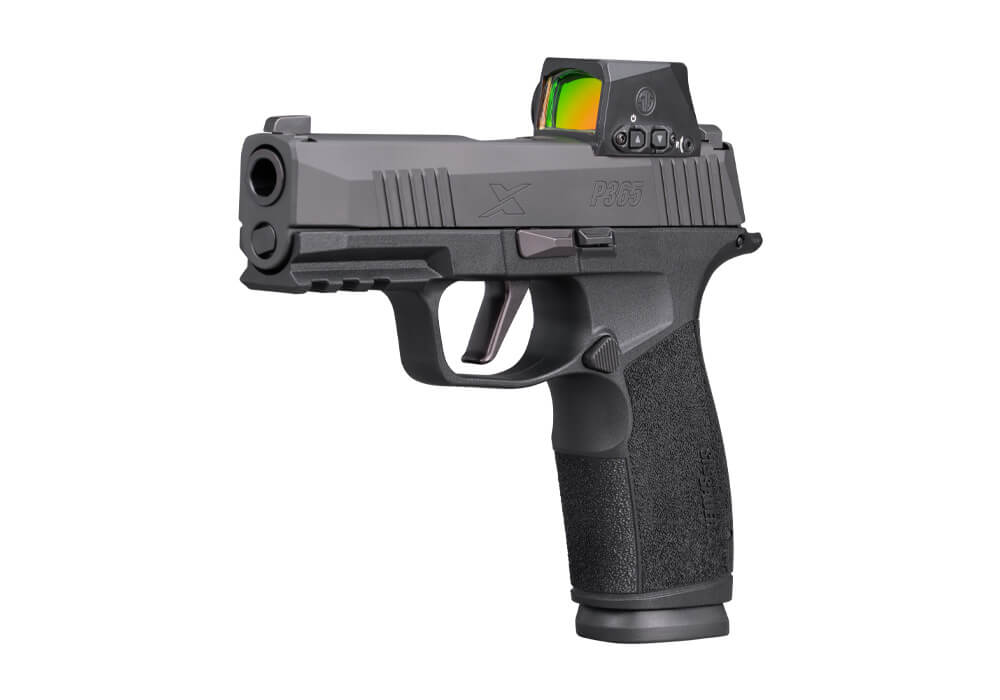
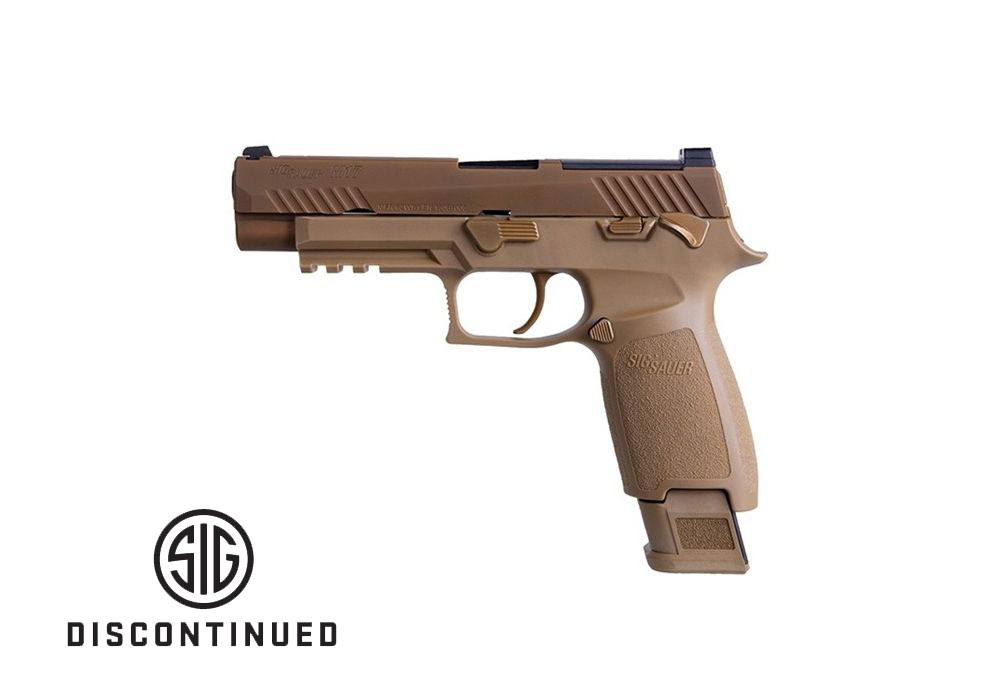
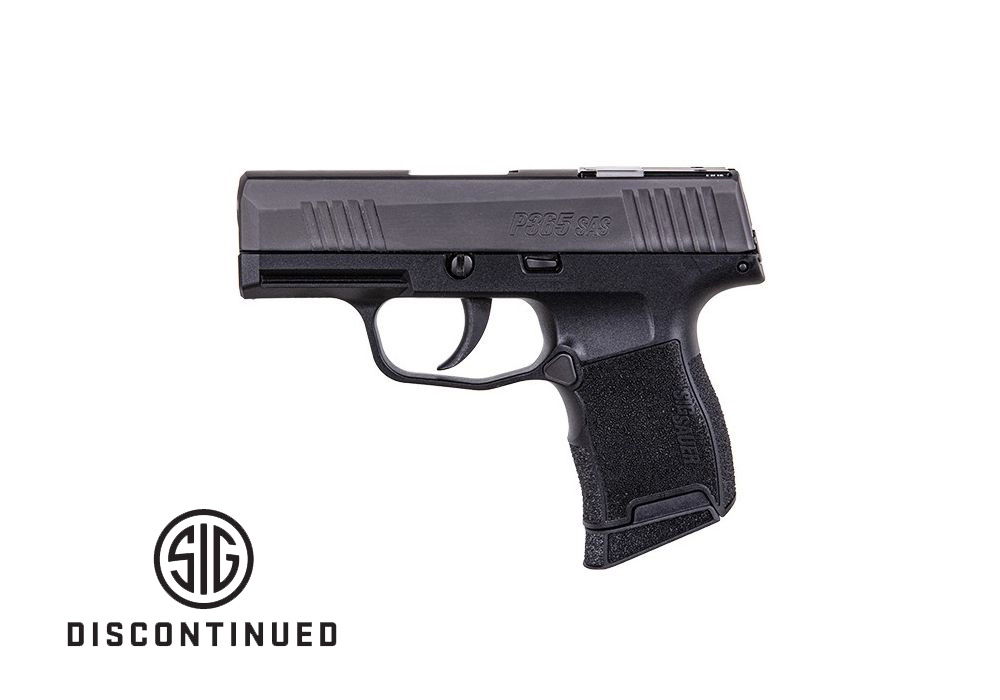
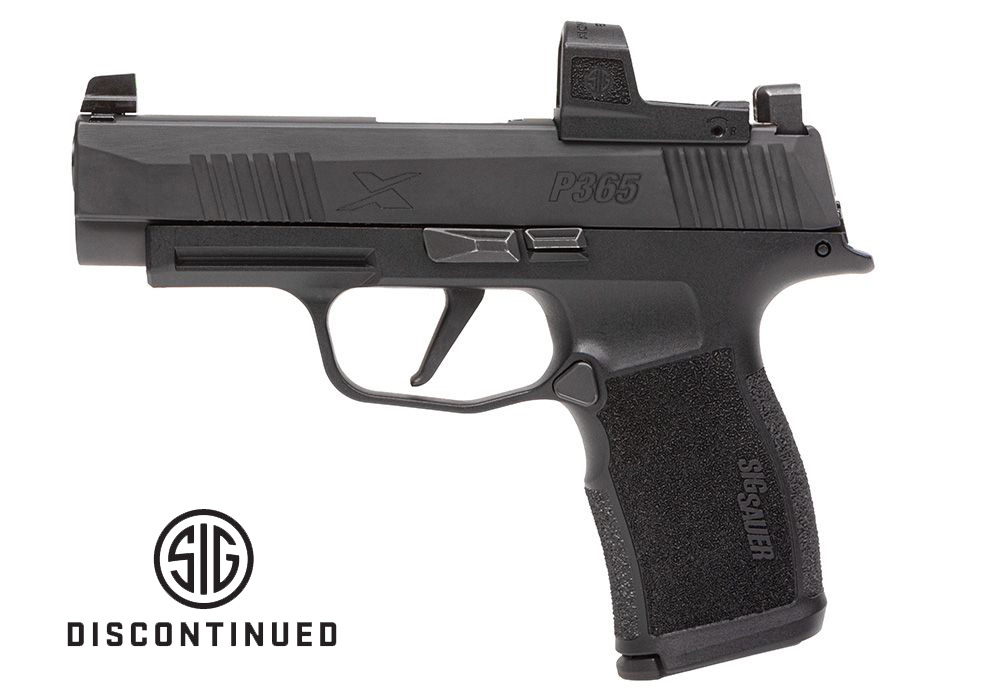
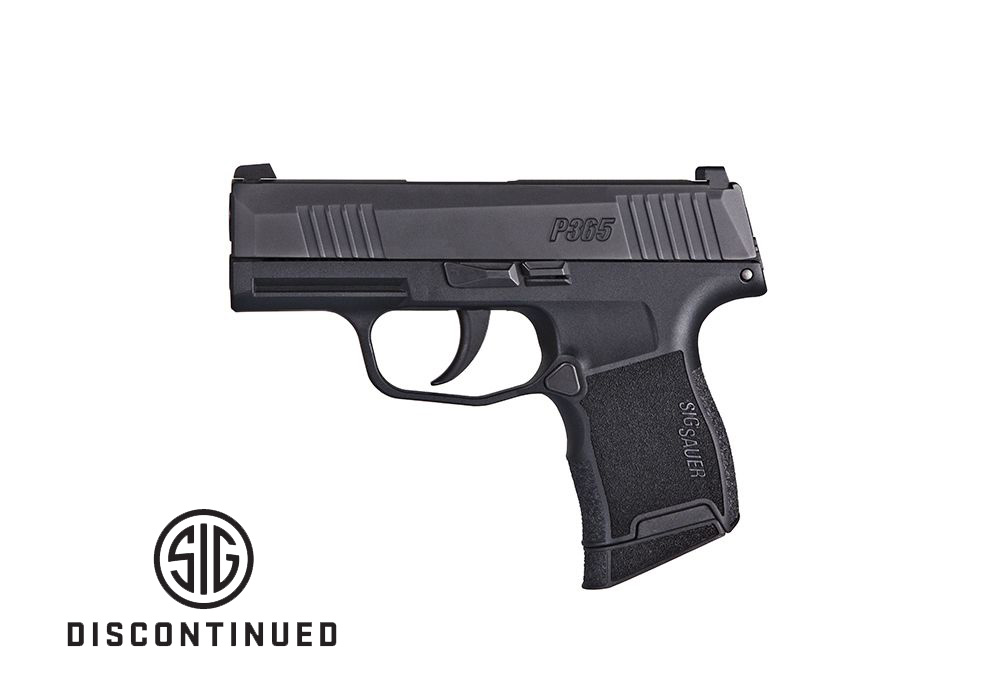
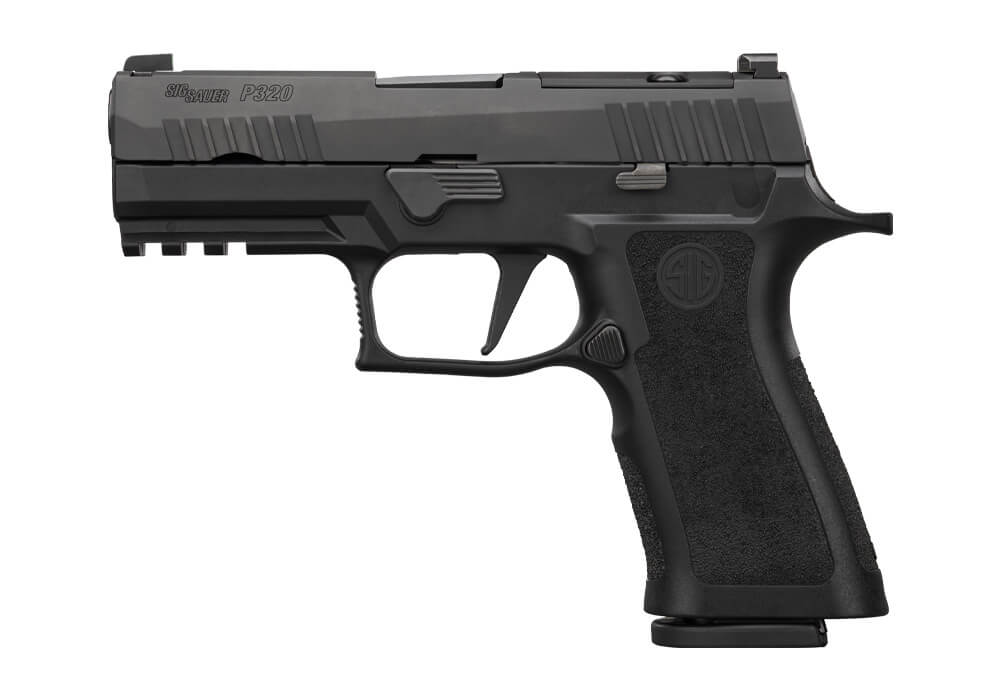
This collection of 9mm handguns with a 17-round magazine option brings together practical choices for range practice, home defense, duty use, and responsible everyday carry, depending on the model’s size and the owner’s training. A 17-round magazine offers a useful balance of ammunition capacity and manageable dimensions, particularly in full-size and compact handguns designed around a double-stack magazine. Some pistols include a standard 17-round magazine, while others offer it as an additional flush-fit or extended-capacity option, so it is important to review exactly what comes with the firearm and which magazines are approved for that model. Magazine fit is not universal, even among handguns chambered in the same caliber; proper compatibility, reliable function, and secure seating should always take priority over assumptions based on appearance. A full-size 9mm handgun generally provides a longer grip, a more generous sight radius, and a steadier feel during repeated practice, while a compact model may reduce bulk for storage or lawful concealed carry. The difference is easy to notice at the range: a full-size grip often fills the hand like a well-balanced tool, whereas a shorter or slimmer frame may feel more natural under a covering garment. Buyers should compare overall length, height, width, unloaded weight, grip texture, control placement, trigger reach, and the availability of replacement magazines before making a decision. Optics-ready configurations, accessory rails, ambidextrous controls, night sights, and interchangeable grip components can also influence how well a handgun fits a particular shooter. For new owners, the best choice is usually the one that can be held comfortably, operated confidently, and practiced with consistently rather than the one with the longest feature list.
A 9mm handgun with a 17-round magazine option may serve a wide range of responsible users. Someone building a first handgun collection may appreciate the straightforward controls, manageable recoil, and broad availability of 9mm ammunition, while an experienced shooter may be looking for a dependable training pistol with enough capacity for drills without frequent magazine changes. Full-size models are often well suited to range sessions because their longer grips and barrels can make recoil easier to manage, especially during slow-fire accuracy work or structured practice. Compact handguns can offer a versatile middle ground, retaining a substantial grip and useful sight radius while taking up less space in a range bag, bedside safe, or approved storage container. For lawful concealed carry, dimensions and clothing compatibility deserve careful attention; a pistol that feels comfortable during a few minutes of handling may feel very different after several hours of walking, sitting, or driving. A quality holster that fully covers the trigger guard, a secure belt or carry system, and a safe method of access are essential parts of the setup. A 17-round magazine can be especially useful for training, home-defense preparation, or duty-oriented applications, but capacity should never replace sound judgment, safe handling, or familiarity with the firearm. Before relying on any new handgun, owners should read the manual, verify the unloaded condition, learn the controls, and conduct supervised function checks with appropriate ammunition. Professional instruction can help establish safe habits, including keeping the muzzle pointed in a safe direction, keeping the trigger finger outside the guard until ready to fire, identifying the target and what lies beyond it, and storing the firearm inaccessible to unauthorized users. During the cooler months, when heavier clothing and changing routines can affect comfort and access, it is wise to reassess holster placement, storage practices, and training conditions rather than assuming a setup will work in every season.
When selecting from 9mm handguns with 17-round magazine options, begin with the intended role and then narrow the field by fit, controls, capacity configuration, and support. Confirm whether the listed magazine is included, whether it is standard or extended capacity, and whether additional magazines are available through the manufacturer or an authorized retailer. Check local and state regulations before purchasing, transporting, carrying, or transferring any firearm, since magazine restrictions, waiting periods, permits, registration requirements, and private-transfer rules can vary widely. A reputable dealer can explain the required paperwork and safe pickup process, while a certified instructor can help match the handgun to the shooter’s experience and physical needs. Ammunition selection also matters: practice ammunition should be suitable for the firearm and economical enough to support regular training, while any defensive ammunition should be tested for reliable cycling before it is relied upon. Many owners find that a simple routine produces the greatest confidence—dry practice with an unloaded firearm in a controlled area, live-fire sessions that begin with fundamentals, and periodic inspection of magazines, sights, grips, and holster equipment. Keep firearms and ammunition secured separately when appropriate, use a locked container or other approved storage solution, and consider access controls that fit the household. A handgun can be a meaningful gift for an experienced shooter, a family member entering a structured training program, or someone establishing a lawful home-defense plan, but it should never be given casually or without confirming the recipient’s eligibility, preferences, and ability to receive it legally. Gift purchases may require the actual recipient to complete the transfer through a licensed dealer, and local regulations should be reviewed in advance. For shoppers comparing a 17-round option with a slightly trimmer configuration, the 15 Round 9mm Pistols collection provides another capacity category to consider. Whether the final choice is a full-size range handgun or a more compact 9mm suited to discreet carry, the most dependable ownership experience comes from a secure storage plan, compatible magazines, quality equipment, recurring instruction, and practice that builds calm, consistent handling.