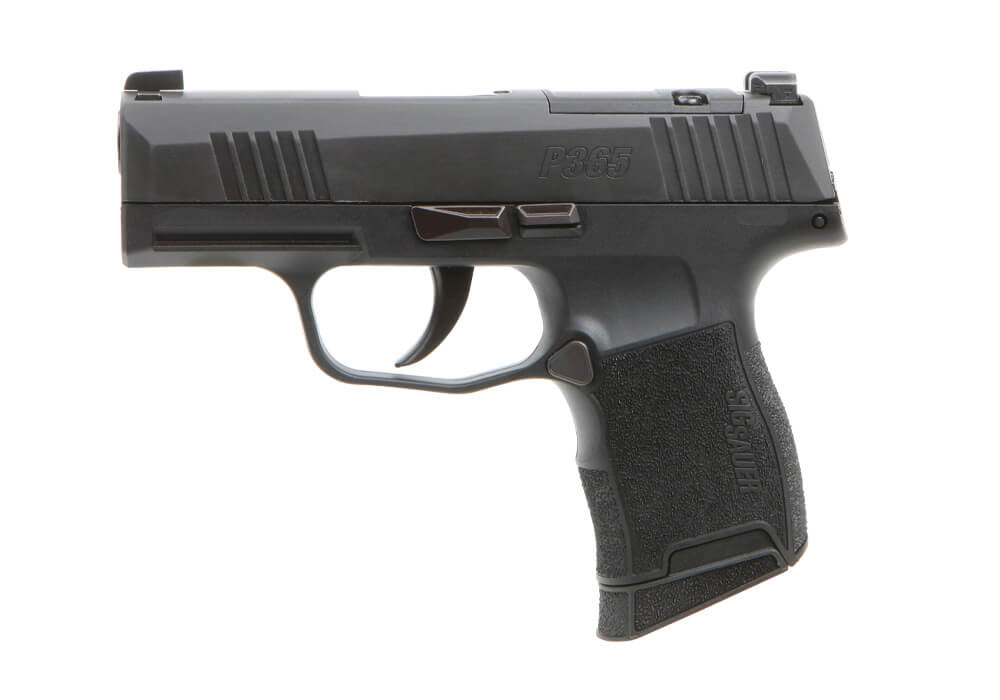
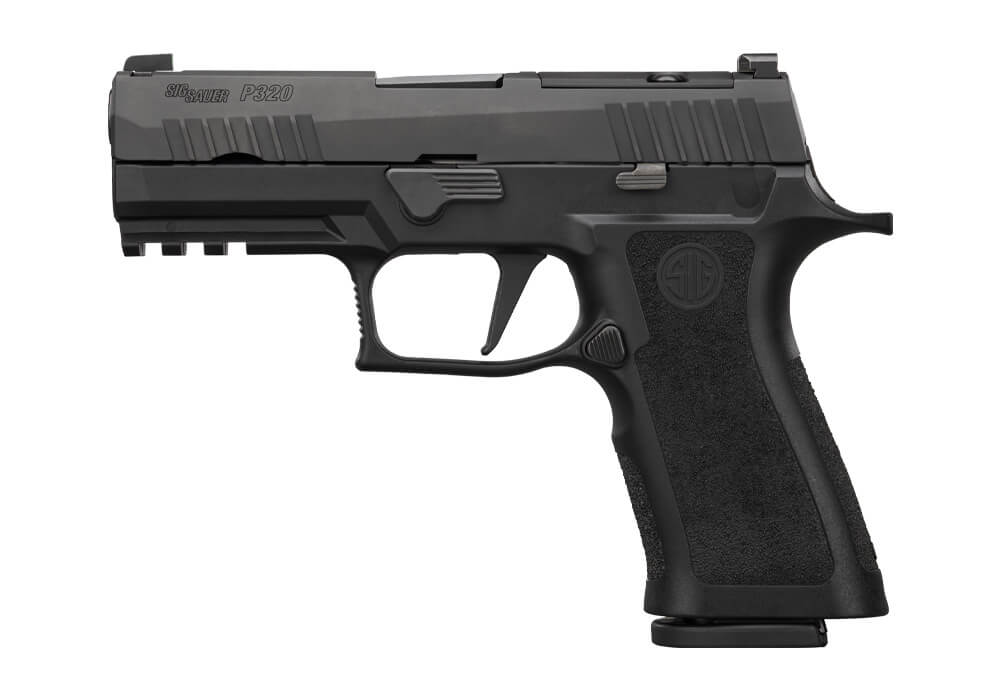
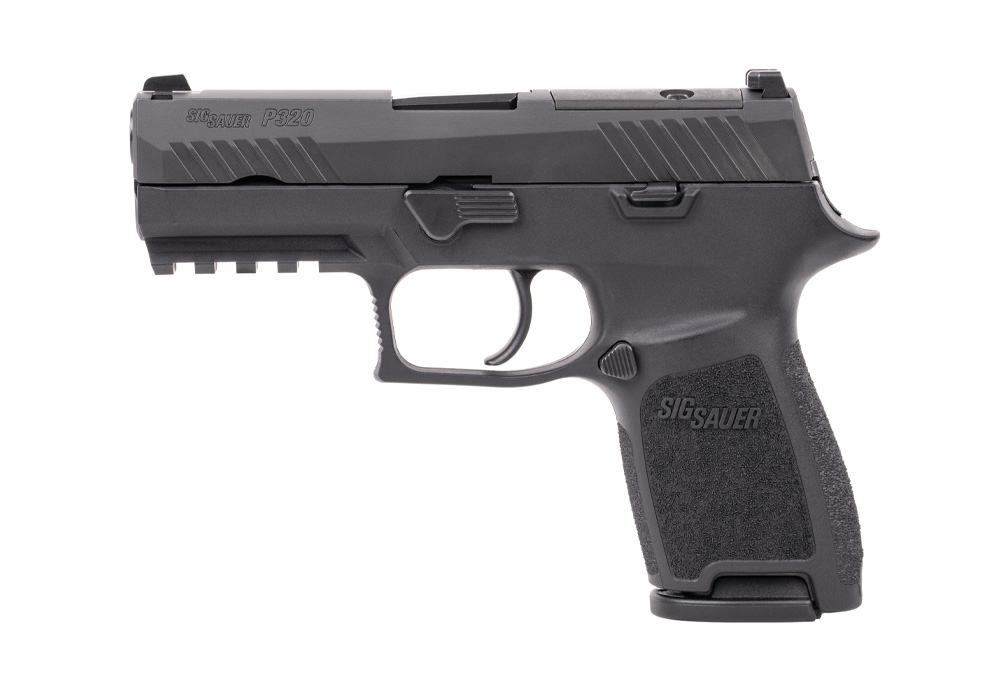
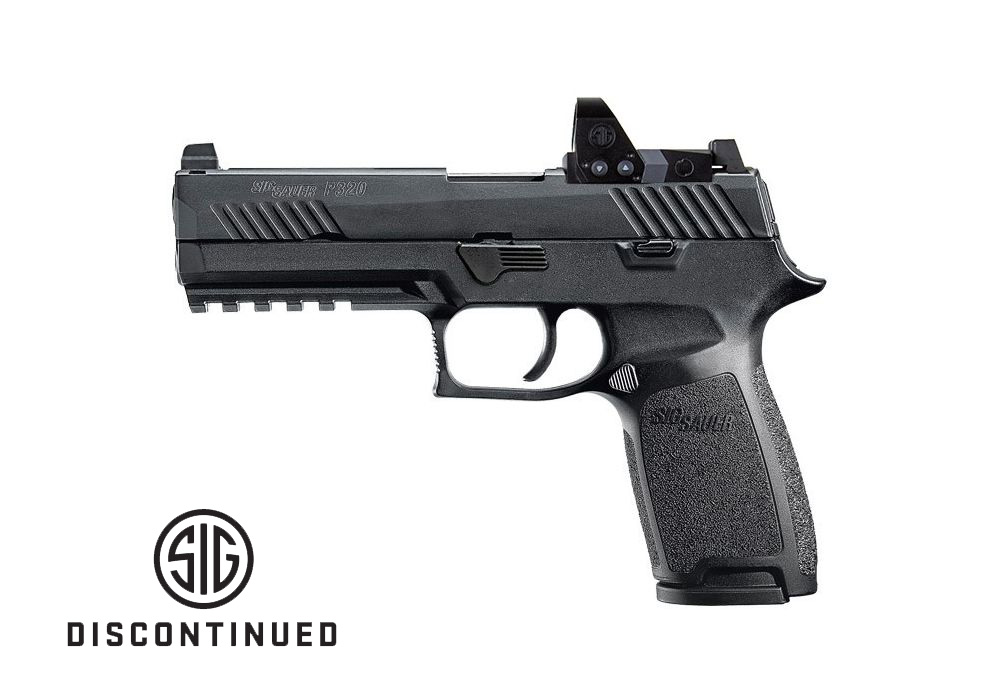
Handguns with 12-round magazine options occupy a useful middle ground for shoppers who want a practical balance of concealability, controllability, and available ammunition. Many pistols in this category are compact or subcompact semi-automatic designs chambered in 9mm, with magazines that fit nearly flush with the grip or extend slightly for additional purchase. A flush-fitting 12-round magazine can help preserve a compact outline for concealed carry, while an extended magazine may give larger hands more room to settle behind the grip. Depending on the handgun and package, a 12-round magazine may be included from the outset or offered as an additional magazine option, so it is important to review the specifications for the exact configuration being considered. Magazine capacity can also vary by state and local law, making it essential to confirm applicable regulations before ordering or transporting any firearm or magazine. For everyday carry, these handguns are often selected because they offer a manageable profile without reducing the owner’s ability to maintain a secure grip. For home defense, a 12-round option can provide a straightforward setup that is easy to stage responsibly, practice with, and replenish. The right choice is personal. A pistol that feels natural in the hand, points comfortably, and allows the shooter to reach the magazine release and slide stop without shifting their grip will generally be easier to operate under the pressure of a defensive situation. At the range, those small details become clear: the sights return to the target more naturally, the magazine seats with less fumbling, and the shooter can focus on a smooth presentation rather than fighting the controls.
When comparing handguns with 12-round magazine options, begin with the relationship between the grip and your hand. Grip texture should provide traction without creating sharp hot spots during extended practice, and the frame should allow the trigger finger to rest safely outside the trigger guard until the sights are on target. A shorter grip may conceal well beneath a light jacket or at the waistband, while a slightly longer grip can improve comfort and recoil management. Consider the complete carry system rather than the pistol alone, including a purpose-built holster that fully covers the trigger guard, a sturdy belt, and clothing that does not interfere with the draw. Sights are another important consideration. Bright, durable sights can help establish a clear aiming reference in changing indoor and outdoor light, while an optic-ready slide may provide additional flexibility for owners who plan to train with a compatible red dot. Controls should be easy to identify by touch, yet shaped and positioned to reduce accidental activation. Buyers should also check the availability of replacement magazines, magazine pouches, holsters, and service parts before settling on a specific model. For compatible options and additional equipment, browse the 12rd Magazines for Tactical Pistols collection, then verify that the magazine is designed for the exact handgun variant. Even pistols that look similar may use different magazine bodies, followers, floorplates, or locking notches. A dependable routine includes inspecting each magazine for damage, confirming that it locks securely in place, and practicing reloads with an unloaded firearm before adding live ammunition. During the cooler months, layers of clothing can change how a concealed handgun sits against the body and how easily it can be accessed, so a carry setup should be checked whenever outerwear, gloves, or daily routines change.
These handguns may serve a range of responsible roles, from lawful concealed carry to familiarization at the range and secure home protection. New owners often benefit from starting with a qualified instructor who can cover the four fundamental rules of firearm safety, loading and unloading procedures, safe storage, holster use, and local legal requirements. Regular practice does not need to be elaborate to be useful. A quiet session can include confirming a safe grip, presenting from the holster under supervision, firing controlled groups at a comfortable distance, and checking whether the chosen magazine is easy to load and insert. Many shooters find that a pistol becomes genuinely familiar after repeated, deliberate handling rather than a single visit to the range. Safe storage is equally important: use a locked container or other appropriate security method, keep the firearm inaccessible to unauthorized users, and store ammunition according to the manufacturer’s guidance and applicable law. A handgun can be a meaningful purchase for an experienced shooter, a new concealed-carry permit holder, or a family member who has expressed a serious interest in responsible firearm ownership, but gifting a firearm requires particular care. The recipient must be legally eligible to possess it, and transfers should follow all federal, state, and local requirements; when there is any uncertainty, consult a licensed dealer or qualified legal professional. For many occasions, a secure storage device, eye and ear protection, training course, range bag, or properly fitted holster may be a more appropriate gift than selecting a firearm on someone else’s behalf. Whether the purchase is made for personal protection, range practice, or a carefully planned gift, a 12-round magazine option can add practical flexibility when paired with the right handgun, compatible accessories, consistent training, and a commitment to safe ownership.