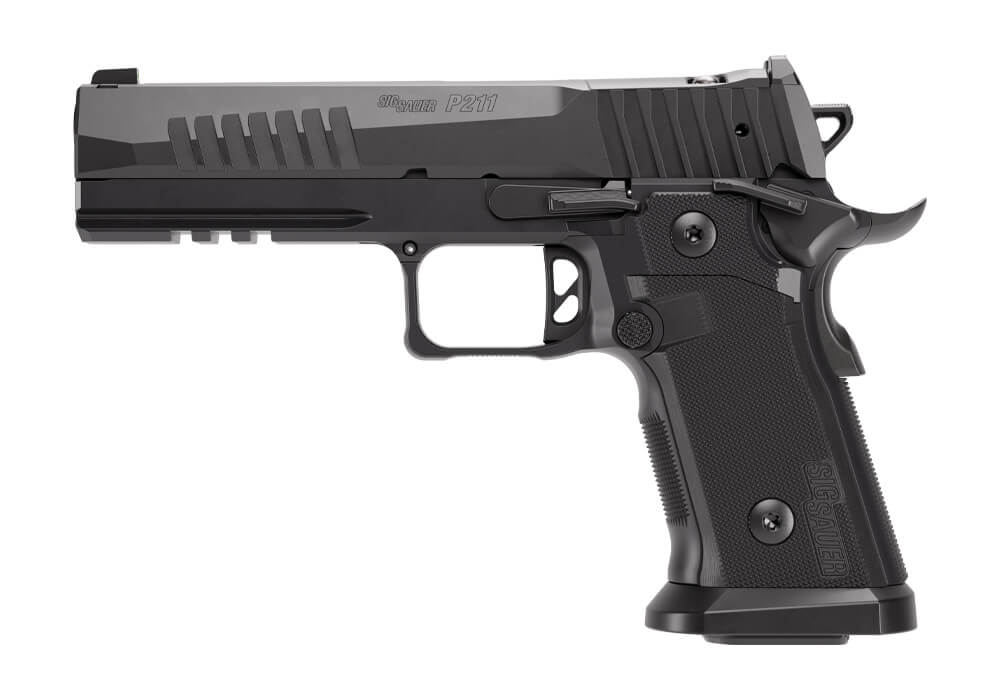
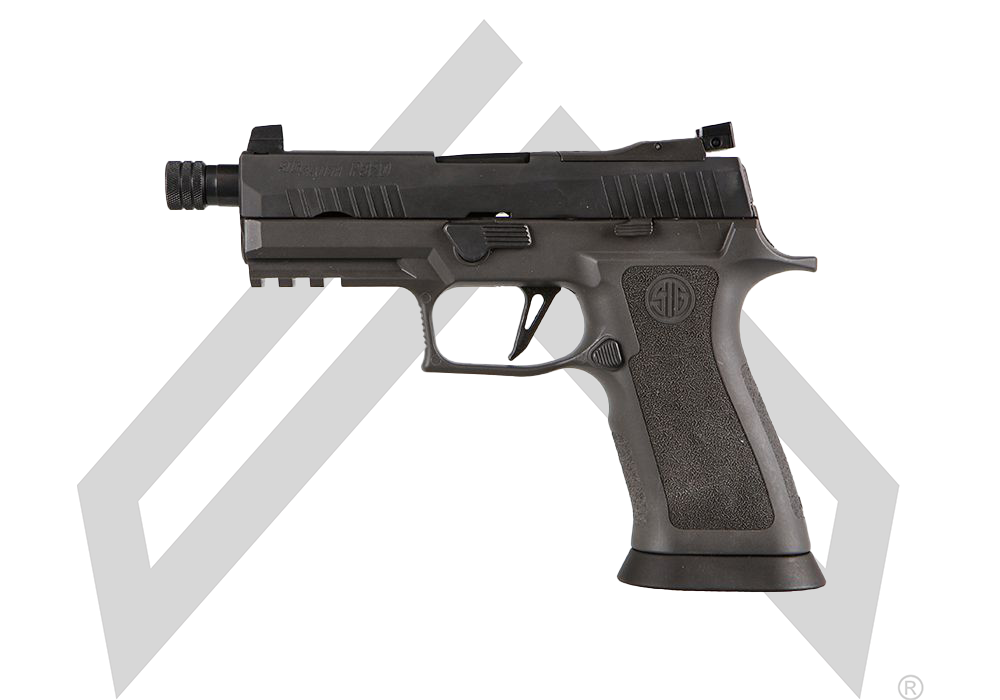
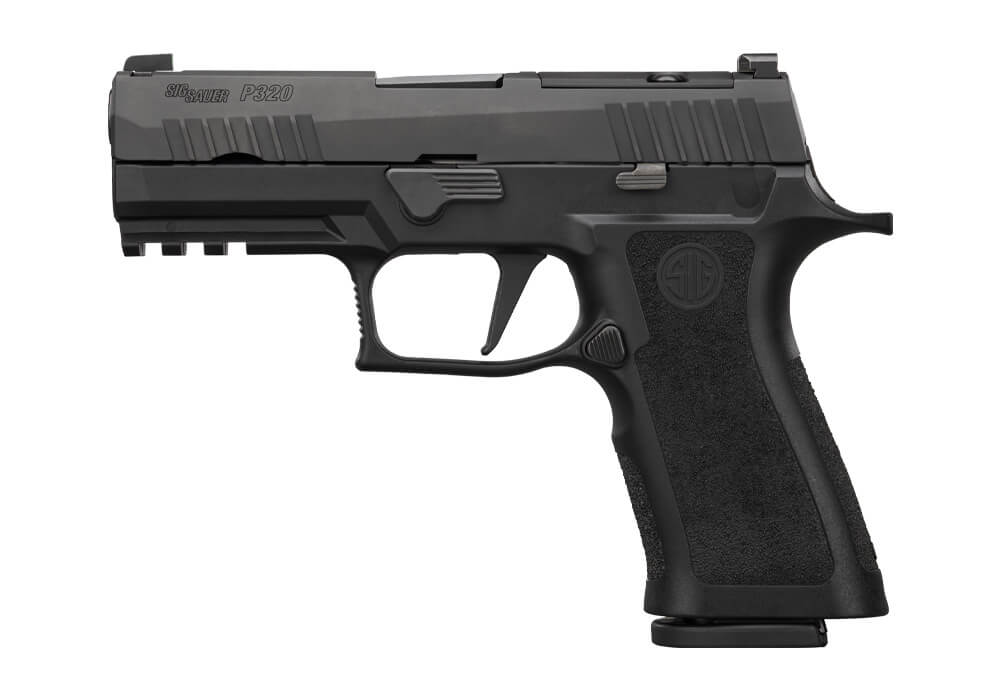
Handguns with included magazines offer a practical starting point for shoppers who want a new pistol package that is ready to evaluate, maintain, and train with after completing all required purchasing procedures. Most new semi-automatic handguns include at least one factory magazine in the original package, while many ship with two, and select configurations may include three or more. The exact quantity depends on the model, package configuration, and intended use, so it is worth reviewing the product specifications before placing an order. Magazine capacity can also vary within the same handgun family. A compact configuration may include a flush-fitting standard-capacity magazine for a slimmer profile, while another package may add an extended-capacity magazine for a fuller grip and additional rounds. Some handguns are supplied with magazines of different lengths to give the owner more flexibility in handling and carry preferences. When comparing options, look beyond the number of magazines in the box and consider the handgun’s chambering, overall dimensions, grip shape, controls, sight system, and how comfortably it fits your hand. A magazine should seat securely, drop free when released, and present cartridges consistently during loading and cycling. The included magazines are also useful for confirming that the pistol functions as expected with its intended ammunition during a careful range session. Following the owner’s manual, using appropriate eye and ear protection, and learning the four basic rules of firearm safety are essential parts of responsible ownership. A first-time buyer may appreciate the convenience of having a spare magazine from the beginning, since one can be used for loading while another is kept ready for a later drill. An experienced shooter may prefer a package that includes magazines with different capacities or grip extensions, especially when comparing a handgun for range practice, home protection, or lawful concealed carry.
Choosing among handguns with included magazines begins with identifying the role the firearm is expected to fill. A compact or subcompact handgun may be selected for lawful concealed carry because its reduced dimensions can be easier to secure in a suitable holster beneath everyday clothing, while a larger handgun may offer a longer sight radius, a more substantial grip, and a steadier feel during practice. The best choice is personal: hand size, reach to the trigger, strength for operating the slide, and comfort with recoil all matter. A pistol that feels natural in a safe, unloaded handling evaluation is more likely to encourage consistent practice than one selected only by appearance or magazine count. Caliber is another important consideration. Shooters should choose a chambering they can control confidently and support with suitable training ammunition, defensive ammunition where lawful and appropriate, and reliable storage. Magazine dimensions may influence how the handgun carries and how it feels in the hand, particularly when a flush-fitting magazine is compared with an extended option. Before buying, confirm that every included magazine is intended for that exact handgun configuration and review any restrictions that may apply to magazine capacity in your jurisdiction. Buyers should also inspect the package contents on arrival, retain the owner’s manual, and check that the magazines are free from visible damage. Used handguns may not include the same number or type of magazines as a new firearm, so listings for pre-owned items deserve especially careful attention. For additional replacements or a different configuration, explore Extra Magazines, while confirming compatibility before ordering. A simple practice routine can make the included magazines especially valuable: load one for slow, deliberate familiarization, use another for basic reload practice, and take time to clean and inspect both after the session. Magazine springs, followers, feed lips, and baseplates should be treated as important operating components rather than disposable accessories.
A handgun with included magazines can also be a thoughtful purchase for an experienced family member, training partner, or close friend, but firearms should never be given casually or without regard for the recipient’s wishes, experience, and legal eligibility. When a handgun is intended as a gift, the recipient should be involved in choosing the size, chambering, controls, and magazine configuration whenever possible; a comfortable fit is more meaningful than a surprise selected without their input. All transfers must follow applicable federal, state, and local laws, and buyers should use the required licensed dealer or other lawful process rather than assuming a personal gift is exempt from transfer requirements. A secure storage solution should be part of the conversation from the start. Depending on the household, that may include a locked handgun safe, a secured lockbox, a cable or action lock, and separate storage for ammunition. Children, visitors, and unauthorized users should never have access, even when a handgun is temporarily set aside. New owners can benefit from professional instruction that covers safe loading and unloading, grip, stance, sight alignment, trigger control, malfunction awareness, and lawful use. During the cooler months, layered clothing and changes in daily routine may affect how a concealed handgun and holster fit, while time spent indoors can make it convenient to schedule a range visit or review storage practices. In every season, responsible ownership means treating the handgun as loaded, keeping the muzzle pointed in a safe direction, keeping the finger outside the trigger guard until ready to fire, and knowing the target and what lies beyond it. Included magazines add value and convenience, but the most important part of the package is the owner’s commitment to safe handling, regular practice, proper maintenance, and informed compliance with the law.