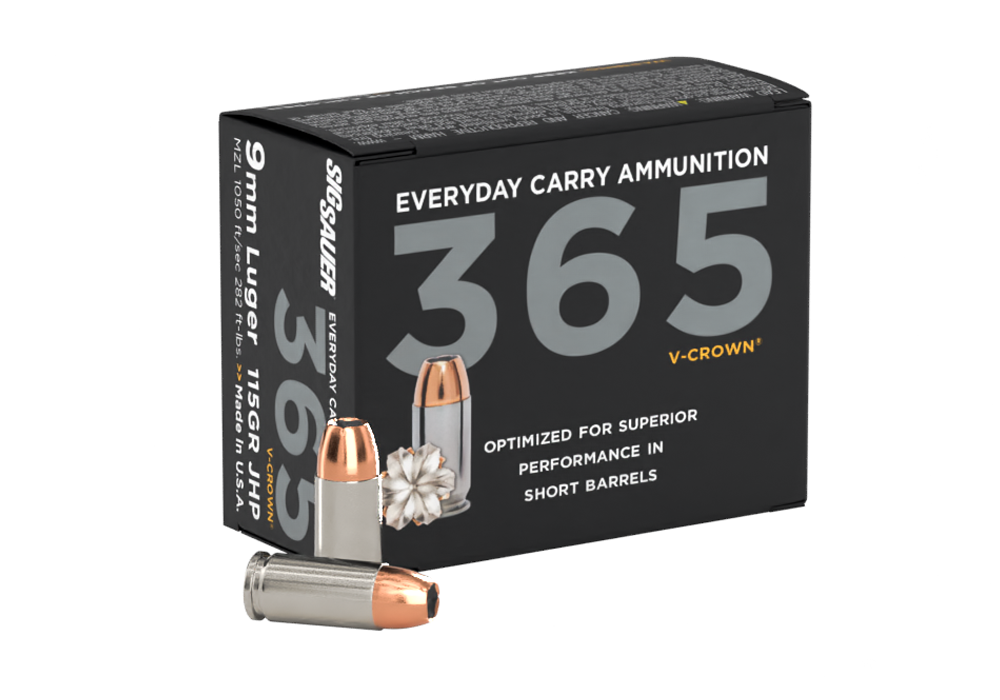
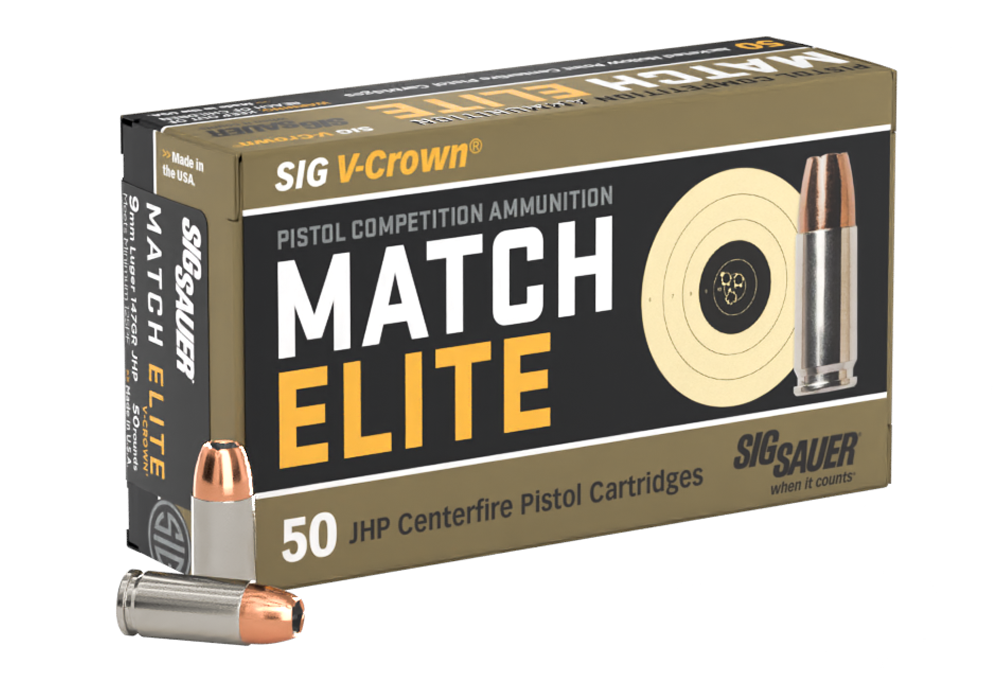
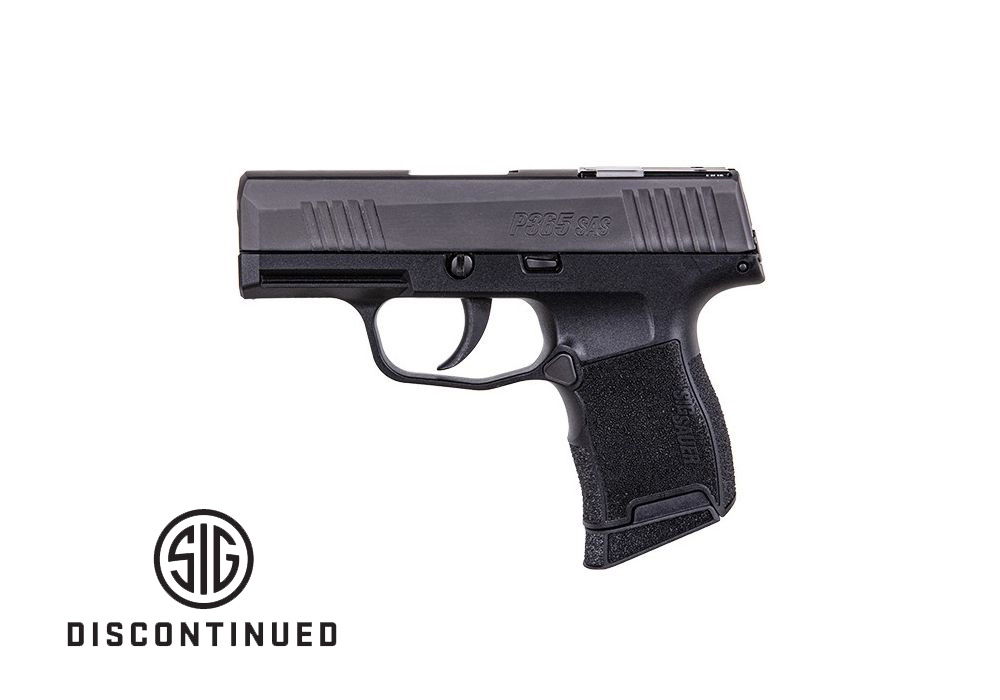
9mm Luger premium defense bullets are designed for personal protection, duty use, and home-defense applications where dependable performance matters. Unlike basic practice ammunition, defensive loads are engineered with projectiles and components intended to function consistently in a properly maintained firearm while offering controlled expansion, adequate penetration, and reliable feeding. The most familiar design is the jacketed hollow point, which uses a carefully formed cavity in the bullet nose to encourage expansion after impact. Some modern options use a solid monolithic projectile with flutes or other exterior features rather than a traditional hollow point. Both approaches are intended to balance penetration and projectile performance, but results can vary with barrel length, firearm design, clothing, intermediate barriers, and other conditions. For that reason, premium 9mm Luger defense ammunition should be evaluated as a complete load in the specific handgun or pistol-caliber carbine where it will be used. A cartridge that performs well in one firearm may not feed, cycle, or group the same way in another. Before relying on any defensive load, review the firearm manufacturer’s instructions, confirm the ammunition is the correct caliber, and test a reasonable quantity at the range. Checking function from the magazines you intend to use, observing point of impact, and confirming that the shooter can manage the recoil are all practical steps that build confidence without treating any single ammunition design as a substitute for training or safe handling.
When comparing 9mm Luger premium defense bullets, begin with the fundamentals: bullet construction, grain weight, pressure designation, expansion style, and intended use. Common defensive projectiles include jacketed hollow points with exposed cavities, bonded designs that help the jacket and core remain together, and solid copper or other monolithic bullets that rely on controlled deformation or fluted geometry. A heavier bullet may produce a different recoil impulse and point of impact than a lighter bullet, while +P ammunition operates at increased pressure and may generate additional velocity, recoil, muzzle blast, and wear. +P loads should only be used when the firearm manufacturer specifically approves them. Grain weight alone does not determine performance, and a larger advertised expansion diameter is not the only meaningful measure; consistent feeding, suitable penetration, accuracy, controllable recoil, and dependable function are equally important. Look for clear manufacturer information, established quality-control practices, and performance data gathered from credible testing rather than relying only on marketing language. Barrier performance can also be relevant. Heavy clothing, layers of fabric, or automobile glass may affect how a projectile behaves, so some defensive designs are built to retain weight and expand more reliably after passing through common barriers. At the same time, no ammunition can guarantee a particular result in every circumstance. A realistic selection process pairs the load with the firearm, the shooter, and the setting. A compact concealed-carry pistol may be easier to carry but produce more perceived recoil and muzzle flash than a full-size handgun, while a home-defense carbine may have a longer barrel and different handling characteristics. During the cooler months, when heavier clothing is common and indoor practice may be more appealing, maintaining a regular training routine helps ensure that the chosen load remains familiar and manageable.
This product category can serve responsible handgun owners preparing for lawful personal protection, household security, professional duty, or a carefully planned transition from practice ammunition to a defensive load. It may also be a thoughtful gift for an experienced adult shooter who can legally possess ammunition, provided the purchaser confirms the recipient’s caliber, firearm compatibility, storage needs, and local requirements before buying. Ammunition should never be given casually to someone who is unfamiliar with safe firearm handling, and it should be stored securely, dry, and separately from unauthorized access. For a new owner, instruction from a qualified professional and supervised practice are more valuable than simply receiving a box of premium cartridges. Experienced shooters may appreciate defensive ammunition as part of a broader preparedness setup, especially when it complements a training supply, secure storage system, eye and ear protection, and a written maintenance routine. It is sensible to keep defensive and practice ammunition clearly organized, rotate older cartridges according to the manufacturer’s guidance, and inspect cartridges for damage before use. Shooters who use more than one caliber can also compare design principles across categories, including the options collected in 40 S&W Premium JHP Bullets, while remembering that each cartridge requires its own compatibility checks. Whether the intended role is concealed carry, bedside storage where lawful, or duty use, 9mm Luger premium defense bullets are best selected with patience and tested with the same care given to the firearm itself. A well-matched load, consistent practice, secure storage, and a clear understanding of applicable laws create a more responsible foundation for defensive readiness.