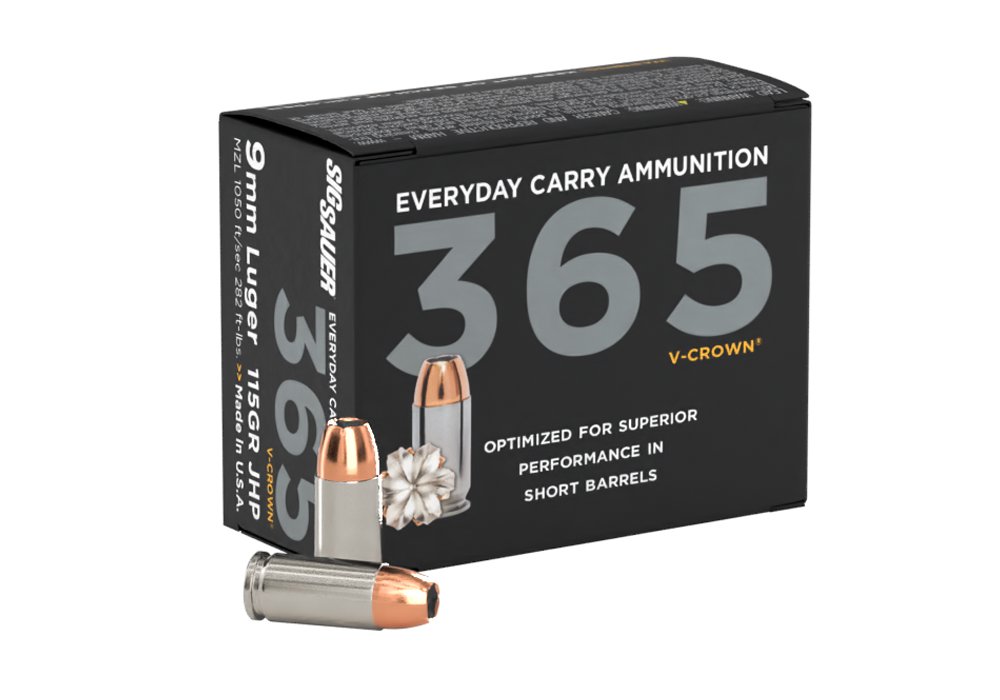
9mm Luger expansion hollow points are centerfire handgun cartridges loaded with bullets designed to widen when they encounter suitable impact media. Often described as jacketed hollow point ammunition, or JHP, these cartridges have a recessed bullet nose rather than the enclosed nose commonly associated with full metal jacket ammunition. That cavity works with the bullet’s jacket and core to influence how it expands, retains weight, and penetrates. Expansion is a design objective, not a guarantee under every condition, and an expanded bullet can still travel beyond its intended target. This category is commonly associated with lawful personal protection and professional duty use, where dependable ammunition and firearm compatibility are important considerations. The 9mm Luger designation is also commonly expressed as 9x19mm or 9mm Parabellum; it should not be confused with other cartridges that include “9mm” in their names. Correct chambering matters more than a similar-looking cartridge or a familiar caliber abbreviation. Construction varies across the category. Many hollow point bullets combine a lead core with a copper or copper-alloy jacket, while other expanding designs use solid copper. Some jackets have carefully formed openings or grooves that help establish a consistent expansion pattern, and some cores are bonded to their jackets to help the components remain together during impact. Cartridge cases are commonly brass, sometimes with a nickel finish that offers additional corrosion resistance. These material choices serve different purposes, from supporting bullet integrity to protecting the cartridge exterior during normal handling. A polished case or distinctive bullet profile alone, however, does not establish reliability or suitability. The most useful product information connects construction with the cartridge’s intended application, clearly identifies its specifications, and explains the conditions behind any performance claims. For shoppers considering ammunition for a compatible handgun, those details provide a more meaningful foundation than broad claims about stopping power or universal effectiveness.
Performance comparisons for 9mm Luger hollow point ammunition are most informative when they distinguish between laboratory measurements and real-world uncertainty. Published evaluations often examine penetration, expanded diameter, retained bullet weight, and consistency across multiple shots. A frequently referenced FBI benchmark is 12 to 18 inches of penetration in calibrated ballistic gelatin under specified test conditions. That range is a testing reference, not a promise about performance in a defensive encounter, and gelatin is not a complete substitute for the complexity of living tissue. Bare gelatin results also should not be treated as interchangeable with results obtained through clothing or other standardized test materials. Differences in test setup, barrel length, and measurement methods can change the meaning of an otherwise impressive number. Barrel length deserves attention because the velocity recorded from a test barrel may not match the velocity produced by a compact carry handgun. An expansion claim is therefore more useful when its supporting information identifies the test firearm or barrel and the relevant conditions. Bullet weight, expressed in grains, is another common specification, but weight alone does not establish expansion, penetration, recoil, or accuracy. Bullet construction and the complete cartridge design matter as well. Standard-pressure ammunition and cartridges marked +P belong to different pressure categories; +P ammunition requires explicit approval from the firearm manufacturer rather than an assumption based on caliber alone. Fit also extends beyond the chamber designation. A hollow point’s nose profile differs from that of many practice bullets, so dependable feeding and function in the particular firearm remain important. A compact handgun carried regularly and a larger handgun used primarily at a supervised range may present different handling considerations, even when both are chambered for 9mm Luger. Manufacturer guidance and appropriate supervised familiarization help establish suitability without relying on another owner’s experience with a different setup. No cartridge design replaces safe firearm handling, sound judgment, secure storage, or awareness of what lies beyond the target.
Care and durability are practical parts of choosing 9mm Luger expansion hollow points, especially for ammunition that may spend extended periods in a secured storage area or accompany a regularly carried firearm. Brass and nickel-finished cases tolerate ordinary handling, but complete cartridges are not maintenance-free objects. Moisture, contamination, damaged packaging, and repeated handling can affect their condition. Clean, dry, locked storage in original packaging helps protect ammunition while keeping caliber, pressure designation, and lot information together. Original labels are particularly useful when several handgun chamberings are present in the same household, since cartridges that look similar at a glance may not be interchangeable. Keeping ammunition away from cleaning solvents and lubricants also helps protect primers and propellant from contamination. Cartridge care does not involve polishing loaded ammunition with chemicals, applying oil, or attempting to correct a damaged component. Visible corrosion, a split case, an unusually positioned bullet, or other signs of damage warrant setting the cartridge aside and consulting the ammunition manufacturer about appropriate handling. Repeatedly chambering the same cartridge can also affect its condition, so appearance alone should not be treated as proof that a frequently handled round remains suitable. There is no single replacement schedule that fits every storage environment and use pattern; manufacturer recommendations and the ammunition’s actual condition provide a better basis than an arbitrary calendar rule. For a broader look at this ammunition category, 9mm Hollow Point Rounds offers a related selection organized around hollow point construction. Across the category, clear specifications, compatible pressure ratings, documented testing, and sound cartridge condition are the details that help distinguish meaningful differences. Whether the intended user is a licensed concealed carrier, a qualified professional, or an experienced handgun owner considering ammunition for lawful protection, a suitable choice begins with the firearm’s requirements and a realistic understanding of the ammunition’s design. Hollow point construction is one part of that decision, alongside reliable function, responsible ownership, and continued familiarity with the firearm.