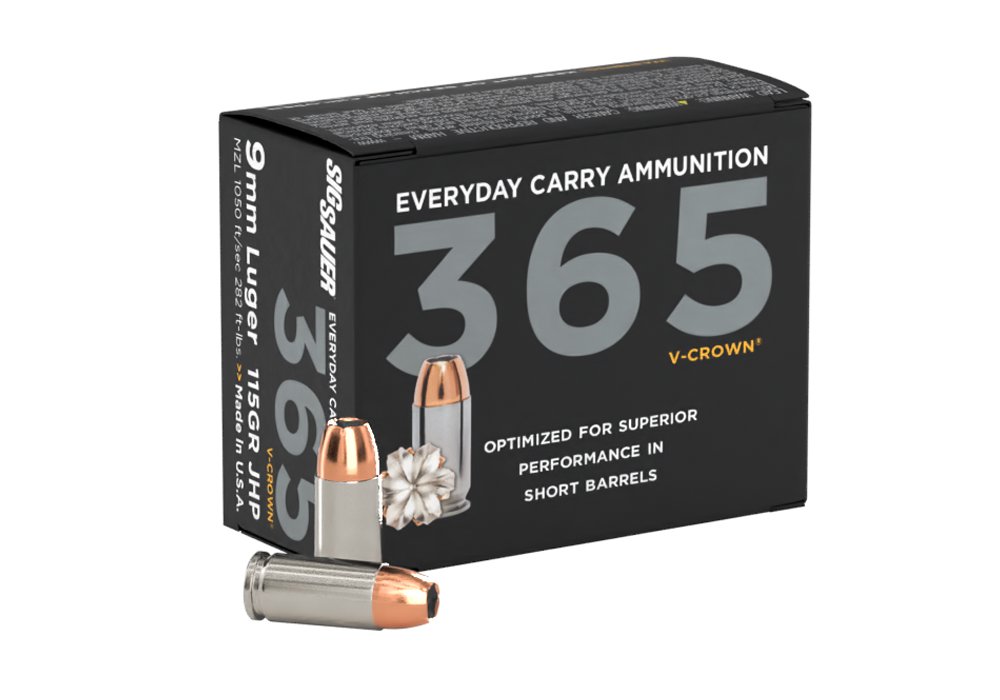
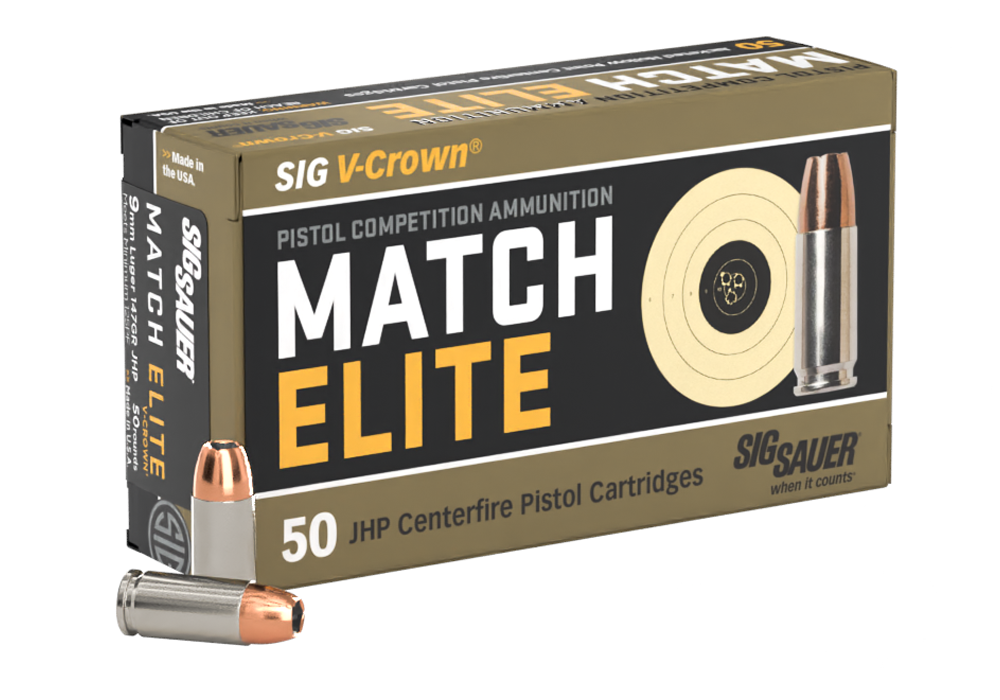
9mm Luger maximum expansion ammo is defensive handgun ammunition designed around a projectile that increases in diameter as it passes through suitable test media. The term generally describes an emphasis on substantial bullet expansion, often achieved through a hollow cavity and carefully shaped sections that open outward under the right conditions. Some designs use a solid copper projectile with an integral hollow point, while others combine a lead core with a copper-alloy jacket. These construction methods can produce different expansion profiles, retained weights, and penetration results, so the category is broader than any single material or bullet shape. Solid copper construction can help a projectile retain its structure, while jacket design and core construction influence how other expanding bullets behave. The important distinction is between an engineered performance goal and a guaranteed outcome: “maximum expansion” is not a universal testing standard, and the phrase alone does not establish how a cartridge will perform. Meaningful comparisons depend on documented testing, including the firearm, barrel length, impact velocity, test medium, and any material placed ahead of that medium. Calibrated ballistic gelatin provides a consistent basis for evaluating expansion and penetration, but it cannot reproduce every real-world circumstance. A broad expanded diameter is only one part of the performance picture; reliable feeding, consistent ignition, structural integrity, and adequate penetration also matter. Expansion should never be treated as a promise that a projectile cannot pass through an object or travel beyond its intended destination. Every cartridge still requires a safe direction and awareness of what lies beyond the target. For experienced handgun owners and newer owners developing responsible ammunition habits, this category brings together projectile engineering and the practical demands of defensive use. Its defining feature is purposeful expansion, not a claim that one construction or advertised measurement is the best fit for every compatible handgun or every lawful defensive application.
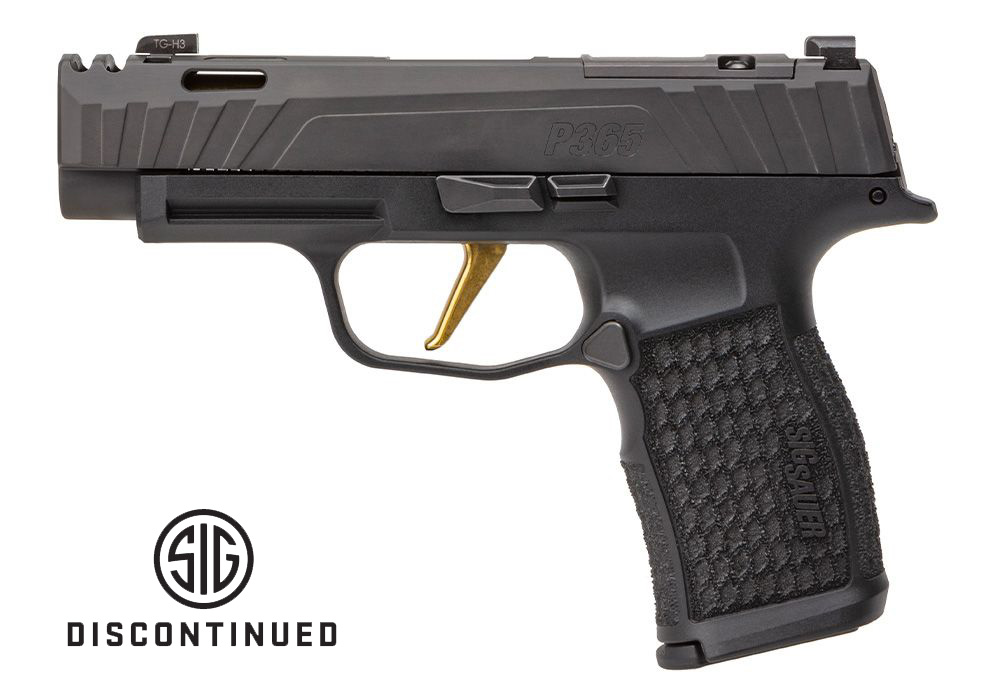
Fit begins with the chamber marking and the firearm manufacturer’s ammunition requirements. The 9mm Luger designation, also commonly expressed as 9×19mm, identifies a particular cartridge; ammunition with a similar name or bullet diameter is not automatically interchangeable. A complete cartridge includes the projectile, case, primer, and propellant, and all of those elements contribute to its suitability for a firearm. Standard-pressure ammunition and ammunition carrying a higher-pressure designation should not be treated as equivalent, and the firearm’s manual remains the authority on permitted ammunition. Within the correct chambering and pressure specification, bullet profile, overall cartridge dimensions, and manufacturing consistency can affect function. A cartridge that performs well in one handgun may not behave identically in another, particularly when barrel length and operating characteristics differ. Compact carry pistols, full-size handguns, and other firearms chambered for 9mm Luger can produce different velocities with the same ammunition. That difference makes published test conditions more useful than an expansion figure presented without context. For concealed carry or home defense, dependable function in the owner’s firearm belongs alongside the projectile’s documented performance. Familiarity with recoil, sight recovery, and point of impact also contributes to confident, responsible handling, without making ammunition a substitute for training. Range ammunition may have a different bullet construction and a different feel than defensive ammunition, even when both share the same chambering. Supervised instruction and practice at an appropriate range provide opportunities to understand those differences within established safety rules. Quality also extends beyond the bullet itself: properly seated primers, sound cartridge cases, uniform assembly, and protective packaging all support dependable handling and storage. Visibly damaged cartridges, corrosion, or a projectile that appears displaced in its case warrant evaluation rather than use. These practical details are especially relevant for ammunition carried regularly, where repeated handling can expose cartridges and packaging to wear. The overall fit is a combination of correct specifications, sound condition, and verified compatibility—not the expansion claim alone.
Care and organization help preserve the condition of defensive ammunition between range sessions and periods of lawful carry or storage. Clean, dry cartridges kept away from moisture, cleaning solvents, and lubricants are easier to inspect and less likely to suffer avoidable deterioration. Ammunition does not benefit from the same oiling or polishing routines used on some firearm surfaces; unnecessary treatment can introduce contamination or obscure signs of damage. Original packaging provides useful protection and preserves identifying information such as the chambering, bullet weight, pressure designation, and lot number. Keeping that information with the ammunition supports clear identification and makes manufacturer notices easier to check. Secure storage should prevent access by children and unauthorized people, with ammunition organization and access controls appropriate to the household and applicable law. For a household that keeps several chamberings, clearly separated containers help reduce confusion before a range visit or storage inspection. A range bag with loose cartridges mixed among tools and cleaning supplies offers less protection and less reliable identification than intact, labeled packaging. There is also an important distinction between complete ammunition and component projectiles. The related category 9mm Luger Premium Defense Bullets concerns bullets, which are individual components rather than complete cartridges ready for use. That distinction matters whenever a category name emphasizes projectile construction or performance: an expanding bullet and a loaded round are related, but they are not interchangeable descriptions. Responsible ownership includes understanding exactly which type of product a listing describes, along with its stated specifications and intended application. For owners seeking ammunition for lawful personal defense, the most useful context combines transparent construction details, credible performance data, appropriate firearm compatibility, and straightforward care requirements. Maximum expansion can be a meaningful design characteristic, but dependable ammunition is evaluated as a complete cartridge. Careful handling, secure storage, regular inspection, and continued training remain essential regardless of projectile material or the size of an expanded bullet shown in a controlled test.