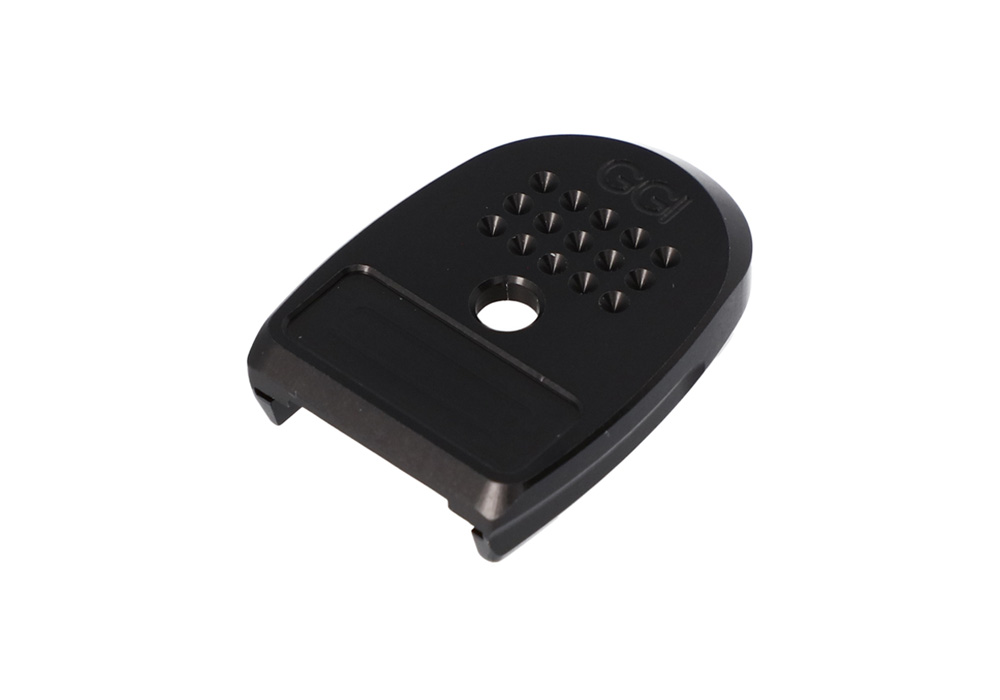
9mm mag baseplates, also called magazine floor plates or base pads, are small components with an important job: they close and secure the bottom of the magazine while keeping the spring, follower, and internal parts properly contained. Depending on the design, a replacement baseplate can restore a worn or damaged magazine, add a little extra grip length, provide a more comfortable surface for the shooting hand, or support an extended-capacity setup. Some are designed as close-fitting replacements that preserve the original profile, while others extend below the magazine body to make it easier to remove a magazine, improve handling during a reload, or accommodate additional cartridges. The right choice begins with exact compatibility. A 9mm magazine is not automatically compatible with every 9mm baseplate, even when the magazines appear similar. Frame size, magazine generation, locking mechanism, floor-plate geometry, spring length, and the firearm’s specific magazine family can all affect fit. Before ordering, compare the baseplate specifications with the firearm and magazine model, and check whether the design is intended for concealed carry, range use, duty use, or competition. A flush-fit polymer baseplate is often a practical choice for everyday carry because it keeps the magazine compact and helps reduce printing beneath a covering garment. An extended polymer or metal baseplate may be preferable for practice or competition, where a longer gripping surface and faster magazine changes matter more than the smallest possible profile. For a closer look at replacement styles and fitment options, browse Aftermarket Magazine Baseplates and use the listed specifications as part of the selection process.
Material and shape also influence how a baseplate feels in use. Polymer designs are typically lightweight and can provide a smooth, low-profile finish that works well for carry or general range practice. Aluminum designs may add useful weight to the bottom of the magazine, helping it fall free during a reload and giving the shooter a more substantial surface to grasp. Textured edges, witness-friendly contours, and a slightly extended lip can be especially helpful when the magazine must be stripped from a tight pouch or when gloves are worn during cooler months. An extended baseplate may also make the magazine easier to retrieve from a range bag, where smooth-sided magazines can be difficult to separate quickly. Capacity is another consideration, but it should be evaluated alongside reliability, concealment, and applicable regulations. Extended-capacity baseplates may allow additional cartridges, yet they can increase the overall length of the magazine and may change how it fits in a magazine pouch or how much it shows beneath a concealed handgun. Magazine-capacity laws vary by jurisdiction, and the owner is responsible for confirming that any configuration is lawful where it is possessed, transported, or used. Competition shooters should also review the rules for the division and match they intend to enter; a baseplate that is useful for practice may not meet measurement, weight, or capacity requirements for a particular discipline. Designs that add capacity may require a longer or stronger replacement spring, and some kits include the appropriate spring and related parts. If a spring is supplied separately, confirm that it is intended for the exact magazine and baseplate combination. A proper fit should allow the baseplate to lock securely, retain the magazine internals, and support reliable feeding and slide lock operation throughout the magazine’s usable life.
These parts can be a thoughtful gift for a new handgun owner, a frequent range visitor, or a competitor who spends long afternoons practicing reloads, provided the giver knows the exact firearm and magazine model. A baseplate is a practical accessory rather than a decorative purchase, and a matching set can be especially useful when someone maintains multiple magazines for training and carry. Many shooters keep their everyday-carry magazines in a compact configuration, then use extended baseplates on practice magazines so the reloads are easier to feel and manipulate. Others replace a cracked or heavily worn floor plate before it becomes a source of uncertainty at the range. Installation should always begin with the firearm unloaded, the magazine removed, and the work performed in a controlled area where the spring and follower cannot be lost. Magazine springs are under tension, so eye protection and careful control of the baseplate are sensible precautions. After installation, inspect the locking feature and confirm that the spring and follower move freely. Load a few dummy cartridges or inert training rounds first, checking that the follower travels normally and that the magazine inserts and drops cleanly. Live-fire testing should follow only after the parts pass that inspection, with attention to feeding, slide lock, retention, and the ease of removing the magazine from the firearm. During warmer weather, a compact baseplate can support comfortable carry and regular outdoor practice; during the cooler months, an extended or textured design may be easier to handle with gloves or thicker clothing. Whether the goal is restoring a dependable magazine, improving reload control, supporting standard capacity, or selecting an extended-capacity setup, the best 9mm mag baseplate is the one that matches the magazine precisely and suits the way it will actually be used.