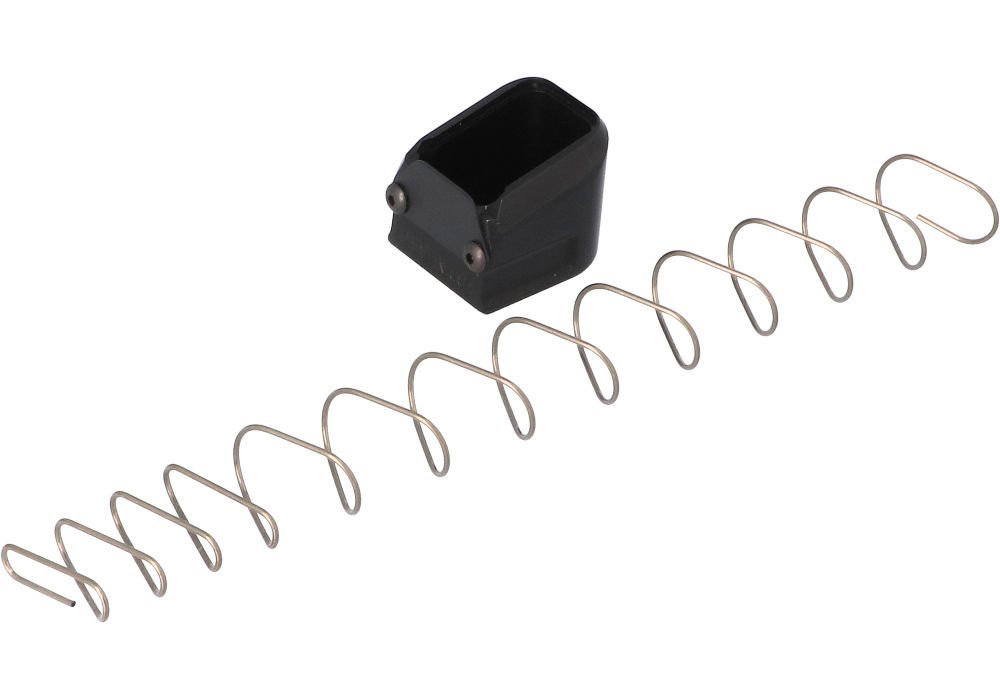
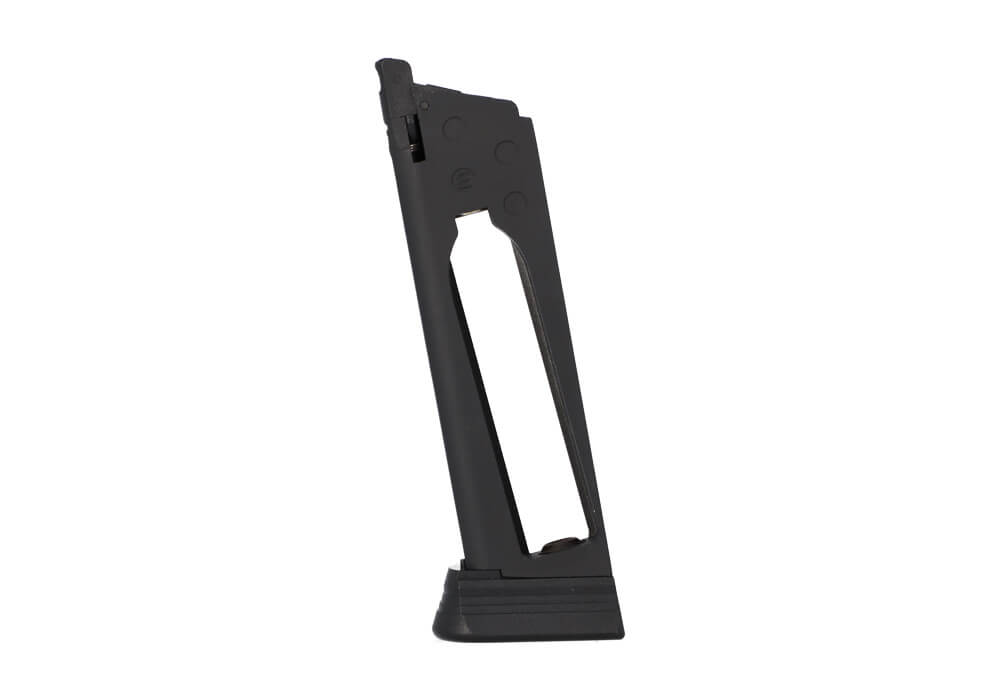
Aftermarket magazine baseplates are replacement floorplates designed to change the way a compatible pistol or rifle magazine feels, functions, or presents itself. Also called magazine floorplates, base pads, or magazine extensions, these components attach to the bottom of a magazine and can provide a larger gripping surface, a more secure purchase during a reload, additional protection for the magazine body, or a distinctive appearance. Some are straightforward replacements for worn or damaged factory floorplates, while others are purpose-built for training, competition, duty, range use, or personal identification. The right choice begins with compatibility: confirm the firearm platform, magazine model, caliber, magazine generation, and intended use before ordering. A baseplate made for one magazine family may not fit another, even when the magazines look similar from the outside. It is also important to check whether installation requires removing the retaining plate, compressing the magazine spring, or using a tool, and to follow the manufacturer’s instructions carefully. A standard-capacity replacement may preserve the original magazine dimensions, while an extended-capacity model can add internal space for additional cartridges when the design is intended to do so. Capacity changes may be regulated differently depending on location, and all applicable federal, state, and local laws should be reviewed before purchase, possession, or use. For defensive or duty equipment, function testing matters more than appearance alone. Load and unload the magazine, verify that it locks into the firearm, confirm that it drops free when appropriate, and inspect the spring and follower for smooth movement. A clean, properly fitted baseplate should support reliable operation rather than introduce uncertainty.
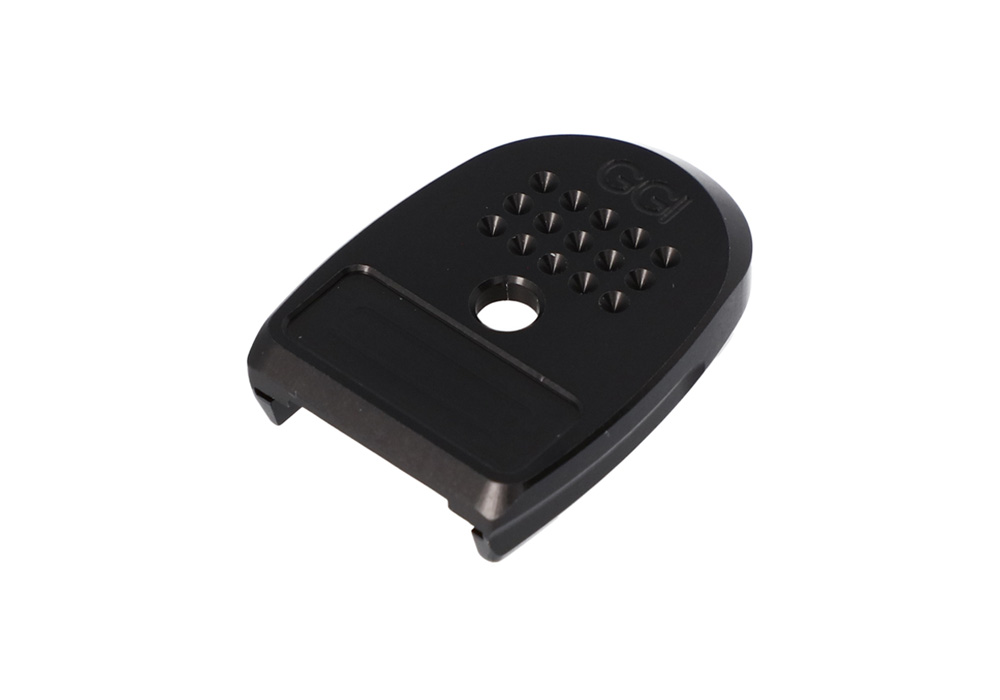
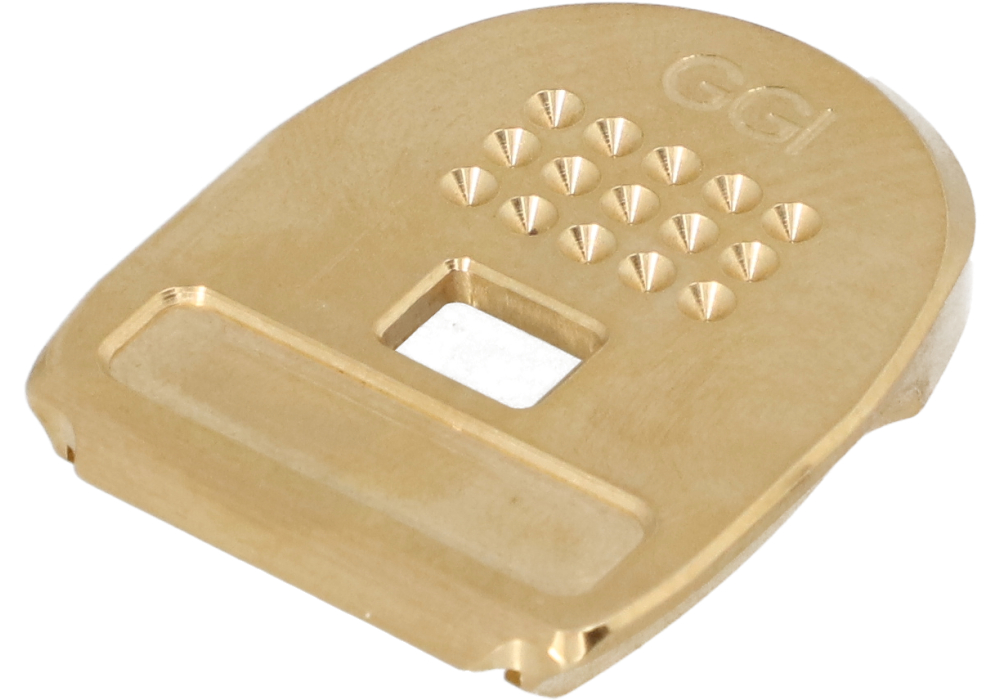
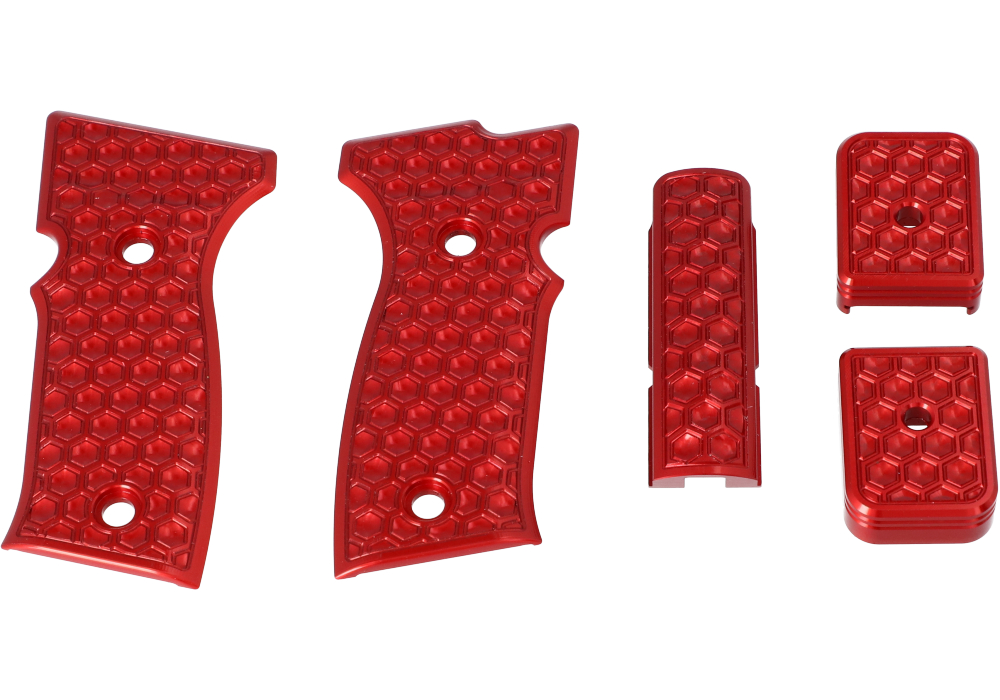
Different materials and shapes suit different users. Polymer baseplates are generally light, practical, and familiar for everyday carry or routine range work, while aluminum and other metal options can add durability and a more substantial feel. Weighted baseplates are often selected by competitive shooters because the added mass may help an empty magazine fall clear during a fast reload, especially when the shooter is working from a consistent stance and performing repeated drills. A longer pad or finger extension can give the little finger a more comfortable resting point on a compact grip, making the magazine easier to control while drawing, firing, or clearing a stoppage. Competition-oriented extensions may increase magazine capacity by a limited number of rounds and provide a broad, beveled surface that is easier to locate under pressure. That extra length can also help protect the magazine when it is inserted forcefully or dropped onto a hard surface, although no baseplate should be treated as indestructible. For range practice, many shooters keep magazines organized with contrasting colors, engraved markings, or different baseplate profiles. A quick glance at the magazine pouch can then distinguish a training magazine from one reserved for another purpose, much like colored index tabs make it easier to find a particular page in a crowded notebook. Personalized designs can also make a useful gift for an experienced shooter, competitive participant, firearms instructor, or enthusiast who already owns compatible magazines and appreciates thoughtful equipment details. Gift buyers should avoid guessing at fit; the recipient’s exact magazine model and generation are more valuable information than the firearm name alone. A baseplate can look nearly identical across platforms while differing in locking geometry, spring clearance, or internal dimensions. When selecting from a product listing, review the stated compatibility, material, finish, capacity change, installation method, and whether the baseplate is intended for standard magazines, extended magazines, or a particular competition rule set.
For shooters focused on organized competition, reload practice, or a more efficient equipment setup, Extended Magazine Baseplates for Competitions can offer a purpose-built way to explore added capacity, improved handling, and easier magazine manipulation. Match rules vary, so confirm division requirements before using an extended baseplate in a sanctioned event; a magazine that fits the firearm may still exceed a division’s permitted dimensions or round limit. Outside competition, these accessories can be useful for building a consistent training system. A shooter may place the same style of baseplate on every practice magazine, mark each one with an identifying color, and spend more time working on sight alignment, trigger control, and movement instead of sorting equipment between drills. During cooler months, when gloves, heavier clothing, or reduced daylight can make small controls feel less accessible, a more pronounced baseplate may provide a welcome tactile reference without changing the firearm itself. The same consideration applies at an indoor range, where repeated loading can make a narrow or sharp-edged floorplate uncomfortable against the palm. Before installation, work on an unloaded magazine in a clean, well-lit area, control the spring and retaining plate as they are released, and inspect the completed assembly for gaps, looseness, or interference. Afterward, test the magazine with inert practice ammunition where appropriate, then perform live-fire reliability checks in a controlled environment. Watch for failure to seat, difficulty removing the magazine, feeding problems, or a baseplate that shifts under impact; discontinue use and reassess the fit if any issue appears. Replacement floorplates are small components, but they influence the handling, identification, protection, and sometimes the capacity of a magazine. Choosing a compatible design that matches the shooter’s hand size, training goals, equipment preferences, and legal requirements can make everyday practice feel more deliberate and dependable.