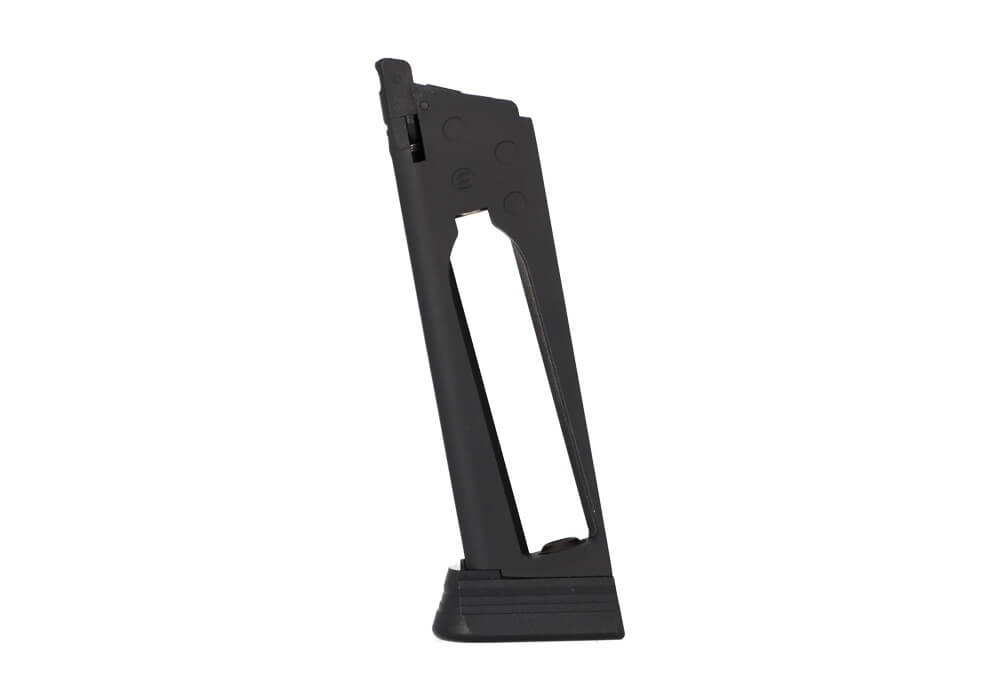
Extended magazine baseplates for competitions are designed to help competitors get more from their existing magazines while staying focused on the demands of a timed stage. Depending on the design and magazine platform, an extended baseplate may increase usable round count, add exterior length for division-specific gauge requirements, provide a more substantial surface for indexing during a reload, or add weight that helps an empty magazine fall cleanly from the grip. These details can matter when a stage includes movement, awkward shooting positions, multiple targets, or a fast transition from one magazine to another. A baseplate with a pronounced front or rear edge can make it easier to orient a magazine by feel, particularly when attention is divided between the firearm, the next position, and the stage plan. Added mass may also help a magazine drop free more consistently, although the result depends on the magazine body, firearm, magazine catch, grip configuration, and the shooter’s technique. Competitors often use these upgrades in practical pistol matches, action shooting events, 3-Gun, and pistol-caliber carbine divisions, but the right choice is always shaped by the rules for the division being entered. Some divisions limit the overall magazine length or require magazines to fit a standardized gauge, while others allow more flexibility. Before purchasing, compare the baseplate’s dimensions with the applicable rulebook and confirm that the completed magazine remains legal when fully assembled. This is especially important for shooters building a competition setup around specific length limits, because an extension that offers useful additional capacity may also place the magazine outside a division’s permitted measurement. Reviewing the specifications for Aftermarket Magazine Baseplates can help narrow the search by platform, fit, construction, and intended use.
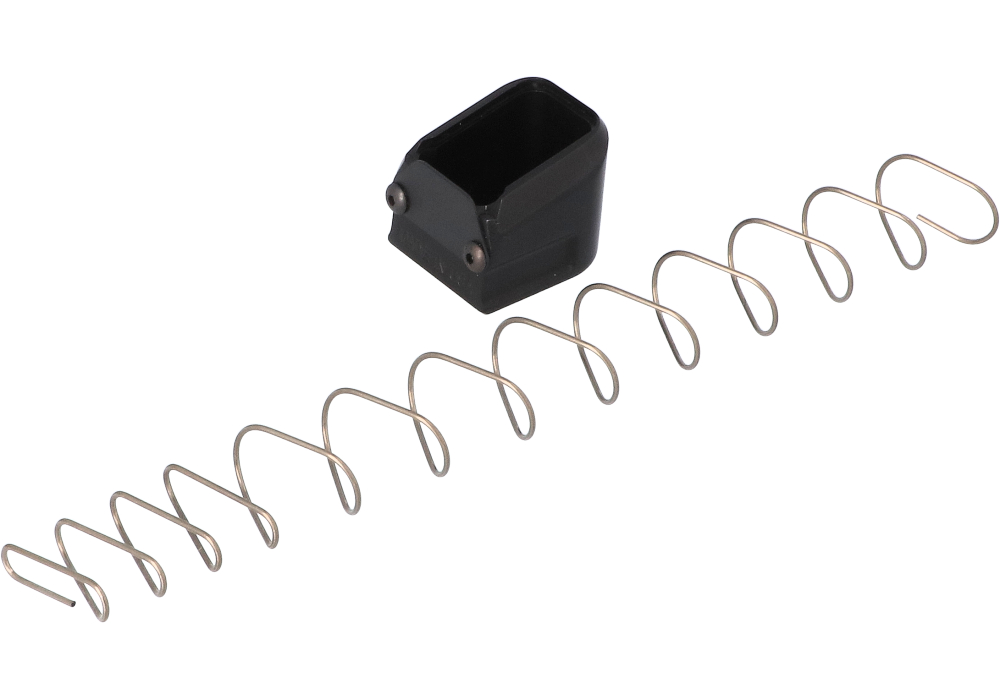
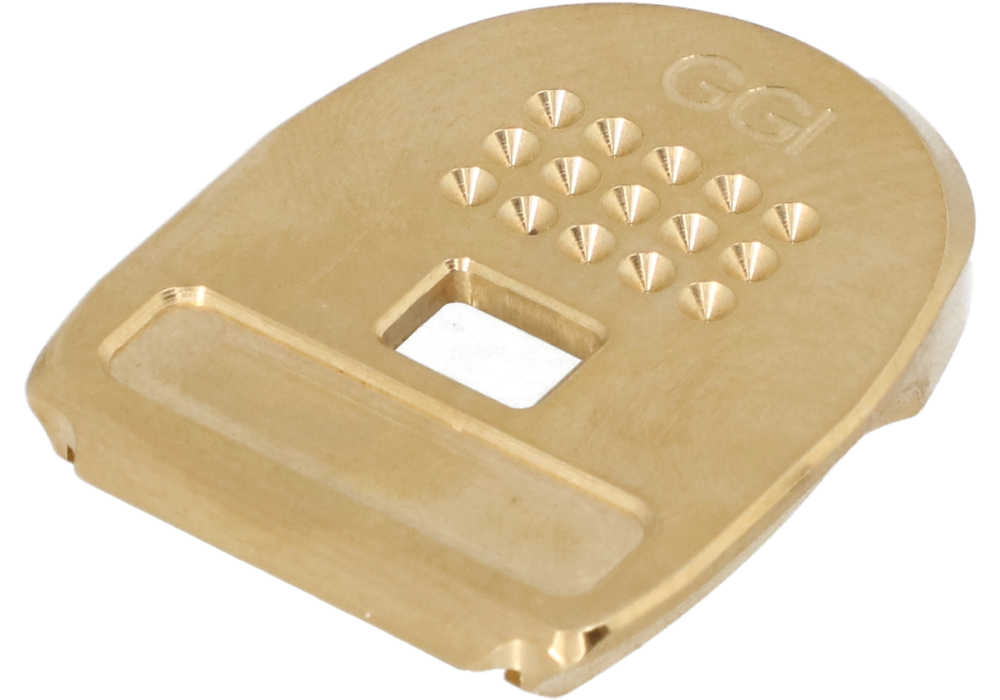
Material and construction are central considerations for a competition baseplate. Aluminum designs are often selected for their balance of strength and manageable weight, while heavier metal options can provide a more pronounced drop-free effect and extra durability when magazines are set down on gravel, concrete, or a range table. A baseplate should attach securely, resist shifting during repeated reloads, and provide enough clearance for disassembly and maintenance. Some models use a tool-less retention system, while others require a punch, screwdriver, or another small tool for removal. Neither approach is automatically better; a tool-less system can be convenient during a long match or while cleaning gear at the bench, whereas a fixed-style design may appeal to shooters who prioritize a highly secure assembly. Compatibility extends beyond the magazine body itself. Extended baseplates may require a corresponding spring, follower, locking plate, or other internal component to maintain reliable feeding and last-round slide or bolt lock. When a baseplate increases the magazine’s usable capacity, the original spring may not provide sufficient upward pressure throughout the full loading cycle. An extra-power spring and compatible follower can help preserve reliable presentation of each round, but only if the components are properly matched to the magazine and extension. After installation, load and unload the magazine by hand, check that the locking mechanism engages fully, and test feeding, lock-back, and magazine release function at the range with the same ammunition used for competition. Watch for failures to strip the first round, nose-dives, sluggish movement, or a follower that does not rise smoothly. A baseplate that looks ideal on the bench still needs to prove itself through repeated loading, controlled firing, and realistic reload practice. Keep the magazine clean, inspect the spring for fatigue, and confirm that the baseplate has not loosened after use. These simple checks are especially useful during the cooler months, when gloves, heavier clothing, and less forgiving outdoor conditions can make a familiar reload feel noticeably different.
Choosing an extended magazine baseplate is also a matter of fit, handling preference, and the way a shooter actually trains. A competitor who practices emergency reloads from a belt-mounted pouch may prefer a baseplate with a clear indexing ledge and enough extra length to guide the hand into position. Another shooter may value a compact profile that moves smoothly past barricades, walls, or a vehicle while still offering standard or extended capacity. The baseplate should work with the magazine pouches, belt system, grip, and firearm controls already in use; extra length can affect pouch retention, spacing, and the ease of drawing a magazine during a hurried change. It is worth checking whether the extension protrudes far enough to contact the ground when the firearm is placed on a stage surface, and whether the shape creates a comfortable point of contact for the support hand. For a new competitor, a practical setup may include several matching magazines with the same baseplate and spring combination, allowing practice to feel consistent from one reload to the next. For an experienced shooter, replacing worn or inconsistent floor plates can be a useful way to refresh a competition kit without changing the entire magazine system. These accessories can also make thoughtful gifts for a competitive shooter, range partner, or family member who enjoys match preparation, provided the recipient’s firearm platform and division are known. A gift card or a conversation about magazine compatibility is often better than guessing, since small differences between magazine generations and configurations can affect fit. During early fall matches and throughout the cooler-season schedule, reliable equipment becomes more noticeable as daylight changes, range surfaces become damp, and stages place greater emphasis on smooth movement rather than deliberate pauses. Pairing the correct extended baseplate with a properly matched spring and follower, legal dimensions, dependable ammunition, and consistent practice gives competitors a practical foundation for faster, more confident magazine changes without sacrificing reliability.