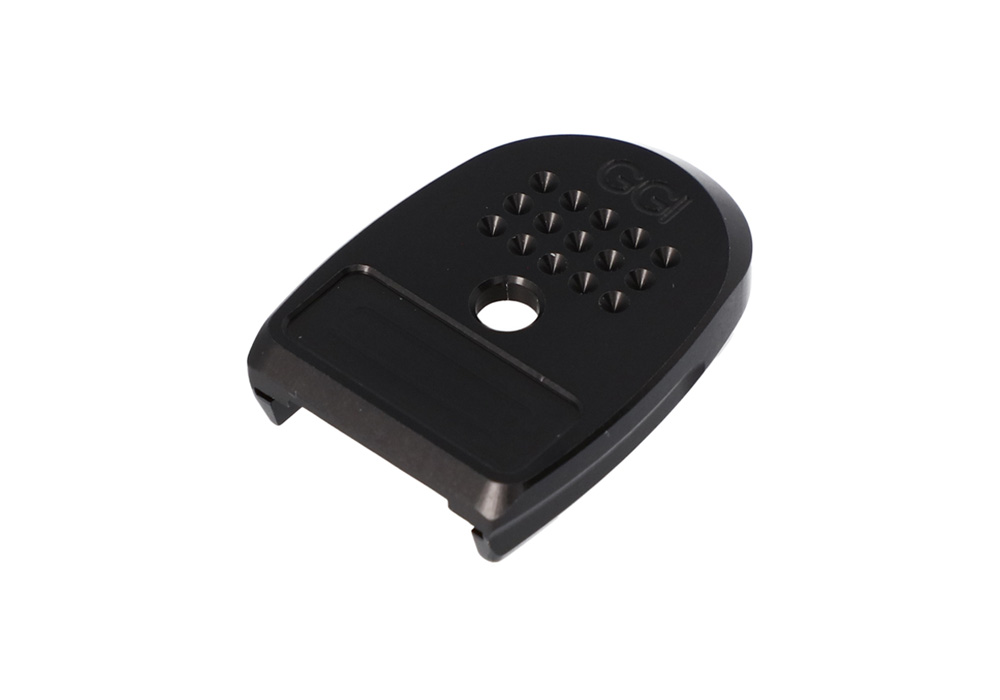
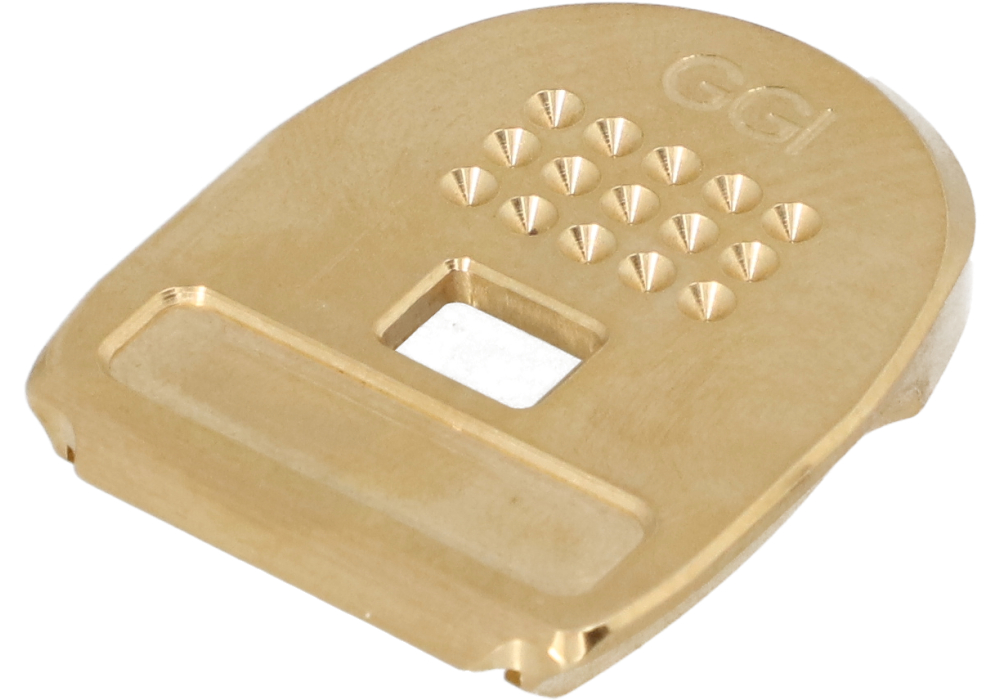
Magazine baseplates for concealed carry can make a meaningful difference in how a handgun fits the hand, rides under clothing, and performs during practice. Often called magazine floorplates or basepads, these components attach to the bottom of a detachable magazine and may replace a factory part for a different balance of concealment, control, durability, or standard or extended capacity. A flush-fit baseplate keeps the magazine as short and compact as possible, which can be especially useful for inside-the-waistband carry, deep concealment, or smaller handguns worn beneath a light shirt or fitted outer layer. Because the baseplate does not extend far below the grip, it helps preserve a low profile and may reduce the chance of the magazine or grip outline showing through clothing. A finger or pinky extension adds only a small ledge, but that modest change can give the lower finger a more natural resting place and make a compact handgun feel steadier during a range session. Many concealed carriers appreciate this balance: the firearm remains relatively easy to hide while the added contact point improves comfort and control during a draw, presentation, or controlled string of fire. A baseplate with an extended-capacity design can add usable magazine space along with extra length, making it a practical choice for a spare magazine carried in a belt pouch, carrier, or other position where concealment is less demanding. The tradeoff is a slightly larger profile, so the best configuration depends on the firearm, holster, clothing, and role of the magazine. A primary magazine carried against the body may benefit from a flush or minimally extended design, while a backup magazine may allow more room for an extended floorplate. In every case, the baseplate should be selected for the exact magazine and firearm platform, not simply by appearance. Small differences in magazine generation, body dimensions, locking geometry, and spring arrangement can affect fit, installation, and function.
When comparing magazine baseplates for concealed carry, begin with compatibility and intended use. Confirm that the baseplate is designed for the specific magazine length and configuration, and review the manufacturer’s installation instructions before removing the original floorplate. The retaining plate, spring, follower, and magazine body must remain correctly positioned, and the finished assembly should lock securely into the firearm without unusual movement. After installation, test the magazine by inserting it with the slide forward and checking that it seats fully, releases cleanly, and locks the action open when appropriate. Run the setup through realistic practice sessions using the ammunition and carry equipment you normally use. Pay attention to whether the new baseplate catches on the holster, presses uncomfortably against the body, interferes with a magazine pouch, or changes the way the magazine is grasped during a reload. Holster clearance deserves particular attention: an added ridge or extra length should not prevent the holster from reaching its intended retention point, obstruct a clean draw, or create a snag point as the handgun is presented. Durability is another important consideration for anyone who trains regularly. Magazines are commonly dropped onto concrete, packed into range bags, or set down on rough benches, and a robust floorplate can help protect the lower end of the magazine from repeated impact. Some carriers choose reinforced polymer for its light weight and familiar feel, while others prefer metal construction for added resistance to wear. Neither choice replaces proper inspection. Look for cracks, deformation, loose parts, damaged locking surfaces, or changes in feeding performance, and replace worn components before they become a larger problem. A new baseplate is also a thoughtful gift for a concealed-carry owner, range regular, or family member who maintains a dedicated practice magazine, provided the giver verifies the recipient’s exact platform and magazine type first. A small accessory that improves grip comfort or makes a spare magazine easier to handle can be more useful than a generic item, especially for someone refining a daily carry setup during the cooler months when layers, jackets, and heavier fabrics change how equipment rides and conceals.
Concealed carry equipment works best when each component supports the same priorities: secure retention, reliable operation, safe handling, and practical comfort. A flush-fit baseplate may be the right choice for someone who spends long hours seated, dresses in lighter clothing, or wants to minimize printing around the grip. A pinky-extension style can suit a carrier who finds that a compact grip leaves the lower finger unsupported, particularly during repeated practice with a small frame. An extended or plus-capacity baseplate may be more appropriate for a spare magazine, training use, or a carrier who values additional ammunition and a more substantial surface for grasping the magazine during a reload. These choices are personal, and hand size, carry position, clothing, and experience all influence what feels natural. During the cooler seasons, a jacket or overshirt may provide additional concealment for a longer baseplate, while indoor environments and warmer afternoons can make a slimmer setup more comfortable and discreet. Regardless of the season, concealed carriers should follow all applicable laws, transport and storage requirements, and range rules, and should practice with an unloaded firearm whenever learning a new manipulation. Those seeking an accessory for organized competition may also find useful options in Extended Magazine Baseplates for Competitions, where the priorities may shift toward faster reloads, a more pronounced gripping surface, and durability through repeated use. For everyday carry, however, the most useful magazine baseplate is the one that fits correctly, clears the holster, preserves dependable feeding, and complements the way the firearm is actually carried. Thoughtful selection and careful function checks help turn a small replacement part into a more comfortable, consistent, and confidence-inspiring part of a complete concealed-carry system.