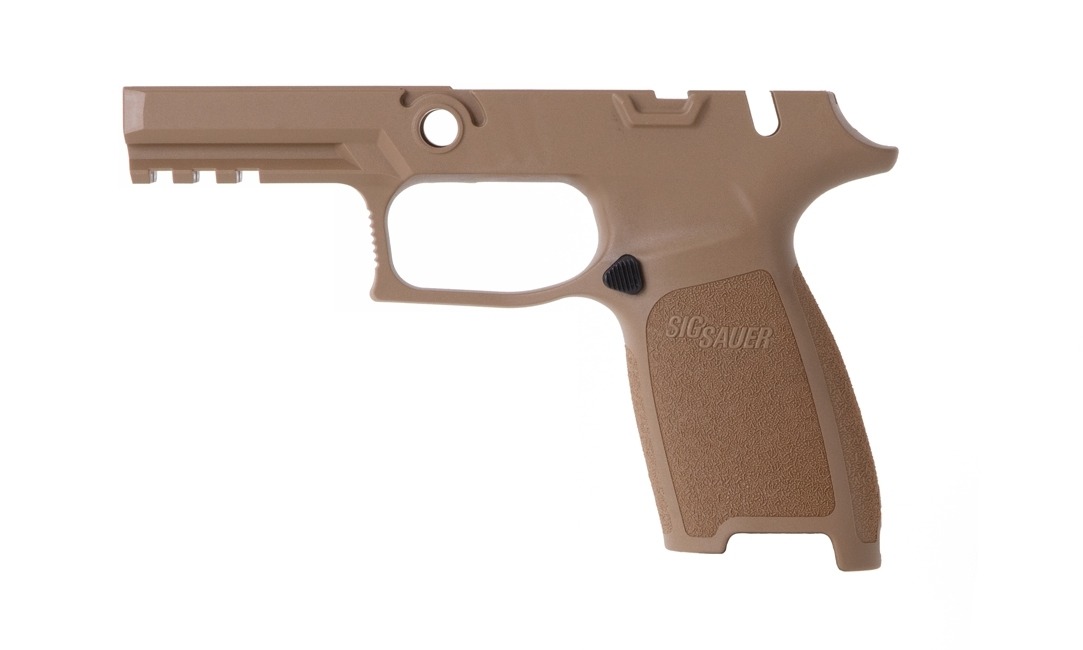
A New Year upgrade is a natural opportunity to review the small details that make a 9mm setup feel dependable, comfortable, and ready for the way it is actually used. A magazine is more than a container for cartridges; it affects how a firearm loads, balances, carries, and performs during practice. Whether the goal is to replace worn equipment, add a spare for range sessions, or refresh a training setup for the coming season, choosing the right 9mm magazine begins with exact compatibility. Confirm the firearm’s make, model, generation, and chambering before ordering, since magazines that appear similar may differ in dimensions, catch placement, feed geometry, or baseplate design. Compact, subcompact, and full-size pistols often require different magazine lengths, while some platforms offer interchangeable options with varying grip coverage or extended sleeves. A flush-fit magazine can preserve a streamlined profile for everyday carry and provide a balanced feel in the hand, while an extended magazine may offer additional ammunition and a fuller grip for range work. Standard-capacity and extended-capacity options are available across many 9mm platforms, but magazine fit should always take priority over capacity alone. A magazine that seats cleanly, locks securely, drops free when released, and feeds correctly is a better upgrade than one selected only for its additional rounds.
Capacity and local regulations are equally important considerations. Magazine laws vary by jurisdiction and can change, so review the requirements that apply to the destination where the magazine will be purchased, possessed, transported, and used. Compliant restricted-capacity versions may be the appropriate choice in some areas, while other locations may permit standard or extended configurations. Buyers should also consider the intended role of each magazine. A concealed-carry user may prefer a flush-fit option that minimizes printing and avoids unnecessary bulk around the belt or holster. A recreational shooter may appreciate extended capacity for fewer interruptions during drills, while a homeowner building a carefully organized storage plan may want several matching magazines that are easy to identify and rotate. New magazines can also be a practical gift for an experienced shooter, particularly when the recipient already owns a compatible 9mm firearm and has expressed a preference for a certain fit or capacity. Because compatibility is highly specific, gifting a magazine is best handled with a discreet check of the recipient’s exact model, generation, and local restrictions. When selecting multiple magazines, consistency is helpful: matching bodies, baseplates, and follower designs can simplify loading practice, inspection, and storage. For shoppers comparing options during the cooler months, the same careful approach applies to related seasonal searches such as 9mm Magazines For Holiday Shooting.
A thoughtful magazine upgrade also includes attention to construction, handling, and maintenance. Look for clearly identified compatibility, durable materials, secure baseplates, and a design that allows straightforward inspection and cleaning. The feed lips should appear even and undamaged, the follower should move smoothly, and the spring should provide consistent tension without binding. New magazines should be tested with the intended firearm and ammunition in a safe, lawful setting before being relied upon for defensive use or important training. Begin with careful loading and unloading, confirm that the magazine seats properly with the slide in the intended position, and observe whether cartridges feed smoothly during controlled range practice. It is useful to mark or number magazines so that any change in performance can be traced to a particular unit rather than mistaken for a firearm or ammunition issue. Store magazines in a clean, dry environment and inspect them periodically, especially after exposure to dust, moisture, perspiration, or repeated drops on hard surfaces. Rotating regularly used magazines and replacing damaged baseplates, springs, or other worn components can help preserve dependable function. For a New Year refresh, a modest review of existing equipment can reveal practical improvements: adding a spare, replacing a tired magazine, selecting a more comfortable grip length, or choosing compliant options for a different destination. The best choice is the one that fits the firearm correctly, satisfies applicable laws, supports the owner’s intended use, and inspires confidence through careful testing and familiar handling.