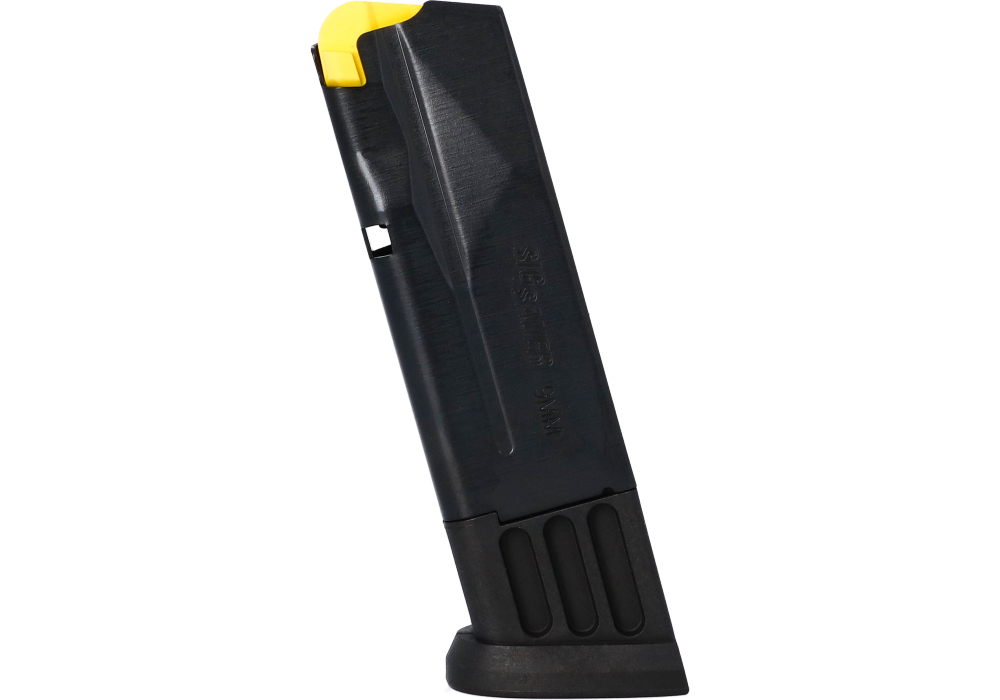
9mm magazines for fall training belong in a range setup selected around the firearm’s exact model, frame size, and intended use. The caliber marking is only the starting point: two magazines labeled 9mm can have different bodies, locking surfaces, feed lips, and baseplates, so matching ammunition does not establish compatibility. Manufacturer fit information and the firearm’s manual provide a more dependable reference than appearance alone. For live-fire range sessions, a functional magazine holds compatible ammunition and presents it to the firearm through a coordinated system of spring, follower, and body. Dedicated inert training magazines serve a different purpose and should not be confused with magazines intended for live ammunition. Within either category, construction and dimensions matter more than a similar-looking profile. Flush-fitting designs generally follow the grip’s outline, while extended-length designs project farther below it and can change how the equipment fits in a range bag or storage case. Baseplate shape can also affect compatibility with grip accessories, making the complete configuration worth checking before choosing a magazine. A shooter attending a supervised range session may value clearly identified magazines that are easy to keep organized; someone returning to regular practice may want accessories that match an existing setup without introducing unfamiliar fit differences. For fall training programs that continue into winter, consistent equipment selection helps keep attention on the class or range session rather than on sorting incompatible accessories at the bench. Think of a range bag with separate compartments, magazines labeled by firearm model, and the relevant documentation kept with the equipment: that organization is often more useful than collecting several designs that merely share a caliber. Functional magazines are not interchangeable by default, and a familiar brand name or similar baseplate is not a substitute for confirmed fit. The most useful selection is the one that matches the firearm, the setting, and the owner’s maintenance expectations, whether the occasion is an introductory class, an established range routine, or organized recreational shooting.
Materials and construction influence how a 9mm magazine stands up to repeated handling, transport, and routine care. Steel bodies can provide rigid support in a relatively slim profile, while polymer bodies offer different surface characteristics and may incorporate reinforcement where the design requires it. Some constructions combine materials, pairing a metal body with a polymer follower or baseplate. These differences do not create a universal ranking; quality depends on the complete design, its compatibility, and the condition of its components. Feed lips, seams, follower surfaces, and baseplate connections all deserve attention because wear or damage in those areas can affect function. A protective finish can help resist corrosion, but it does not eliminate the need for care after exposure to moisture, fingerprints, or range debris. Fall and winter training can involve carrying equipment between a heated vehicle, an outdoor range, and indoor storage, where temperature changes may leave moisture on surfaces. Following the manufacturer’s cleaning and storage directions is more reliable than treating every magazine with the same solvent or lubricant. Excess oil can attract grit, and aggressive chemicals may be unsuitable for certain finishes or polymer parts. After a session, a clean, dry storage space and protection from loose tools or other hard objects help preserve the magazine’s condition. A separate pouch keeps abrasive debris from migrating through the bag and makes inspection easier before the next outing. Visible cracks, distorted metal, corrosion, or loose components warrant qualified evaluation rather than improvised repairs. Replacing a worn component should follow the manufacturer’s specifications; bending or altering parts to compensate for a fit problem can introduce additional uncertainty. Durability also includes everyday usability: a baseplate that remains secure, markings that stay legible, and a body that fits its designated storage space without being forced. A magazine may spend much of its time traveling to and from the range, so protection during transport matters alongside performance during supervised use. Thoughtful care preserves the accessory without assuming that a rugged appearance means it can tolerate every handling or storage condition.
For training-oriented shopping, distinguish functional 9mm magazines from dedicated inert accessories before comparing their features. Some inert designs use a solid body or another construction that prevents live ammunition loading, while others provide a training-specific shape or weight for instructor-led handling practice. High-visibility colors can make an accessory easier to recognize, but color alone does not establish that it is inert or suitable for a particular exercise. The manufacturer’s description should explain the intended purpose, firearm compatibility, and any limitations. Weighted designs may approximate part of the feel of a functional magazine, but differences in construction mean they should not be assumed to reproduce every aspect of its behavior. Training accessories belong in a clearly managed practice environment, with live ammunition kept separate and the instructor’s safety procedures followed. That distinction is useful for new owners attending foundational classes, experienced recreational shooters refreshing familiar skills, and households organizing equipment for shared range visits. For gift giving, confirmed compatibility is especially important: knowing that the recipient owns a 9mm firearm is not enough to select a suitable magazine. The exact model, frame configuration, and preference for functional or inert equipment are more useful details than a guess based on appearance. Accessories chosen for supervised practice can be thoughtful additions to a holiday gift when they support an established interest and fit the recipient’s equipment. For a related seasonal selection, 9mm Magazines For Holiday Shooting connects the same attention to fit and care with holiday range plans. Those plans might involve a scheduled class, a family outing to a staffed range, or time set aside for recreational practice over a holiday break. In each setting, a suitable magazine is one part of a well-organized kit, alongside appropriate protective equipment, secure transport, and the firearm’s documentation. Clear identification, correct compatibility, and realistic expectations about intended use give these accessories lasting value beyond a single seasonal outing. A carefully selected magazine supports an orderly range routine without asking the owner to compromise on fit, care, or safe handling.