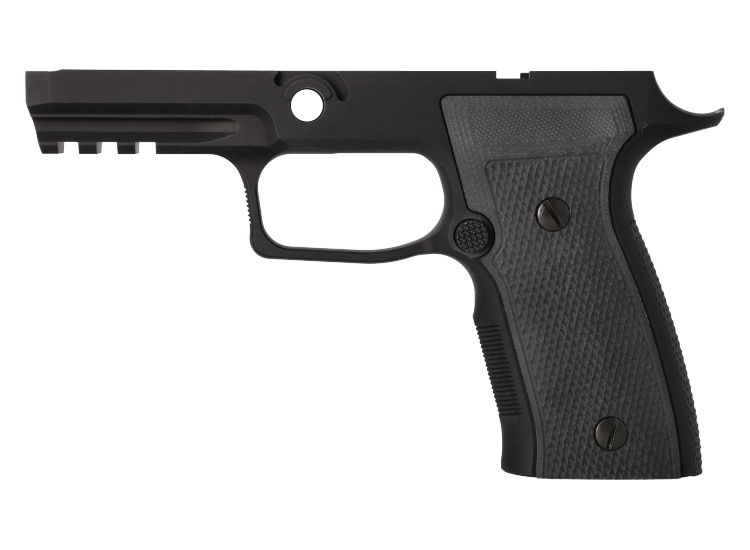
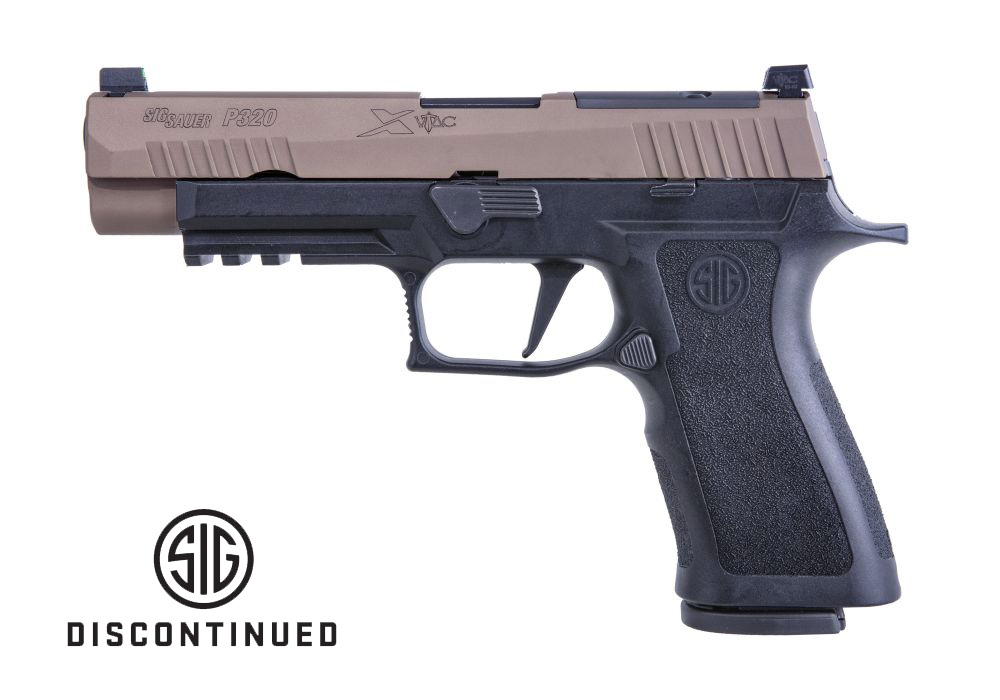
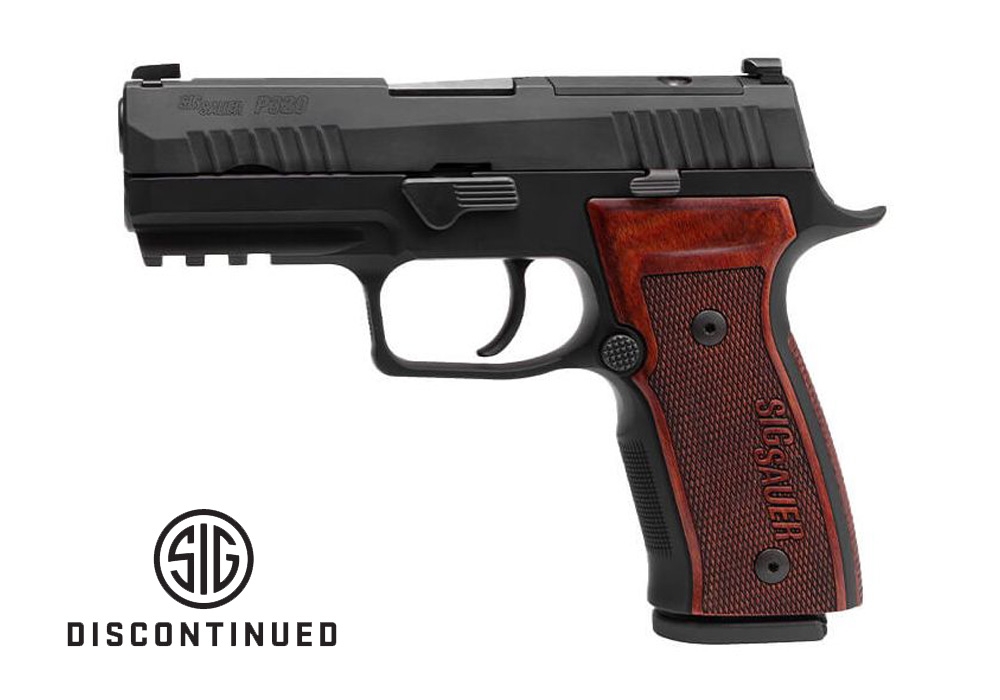
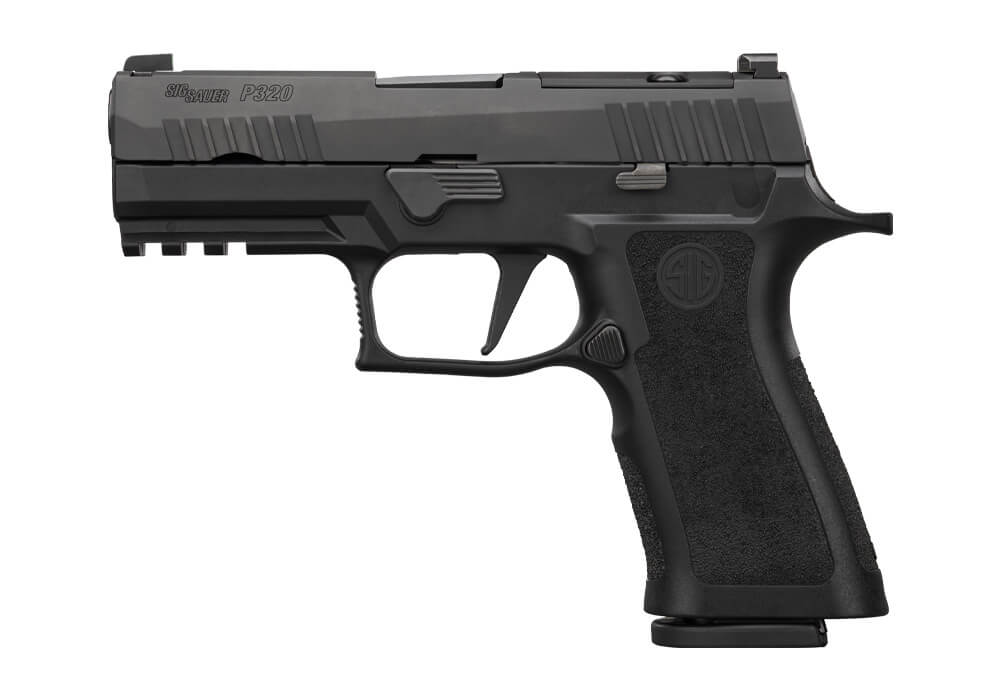
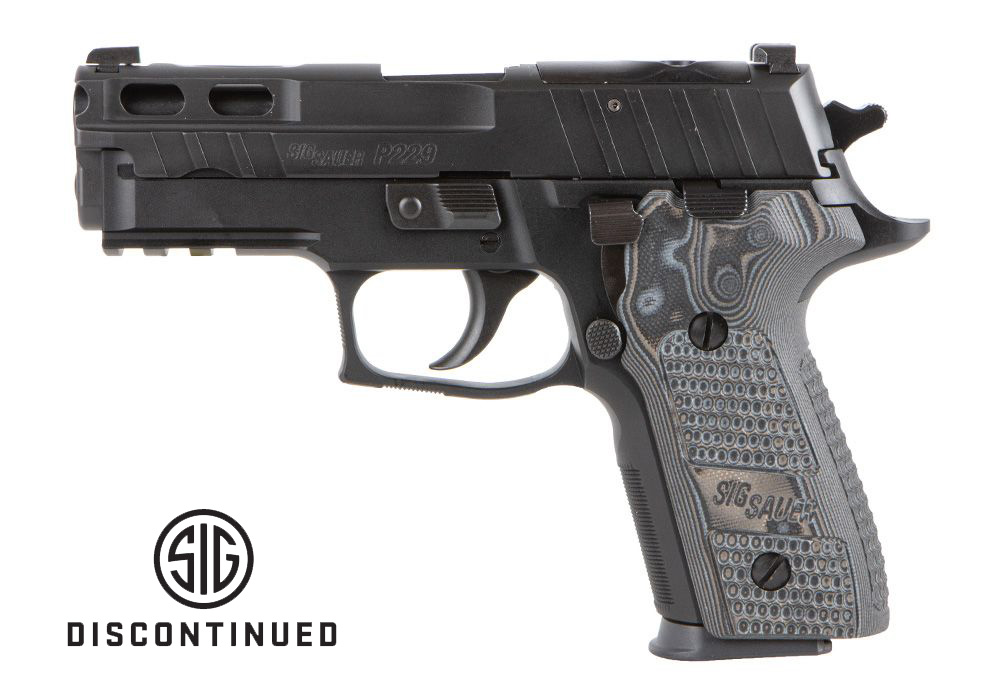
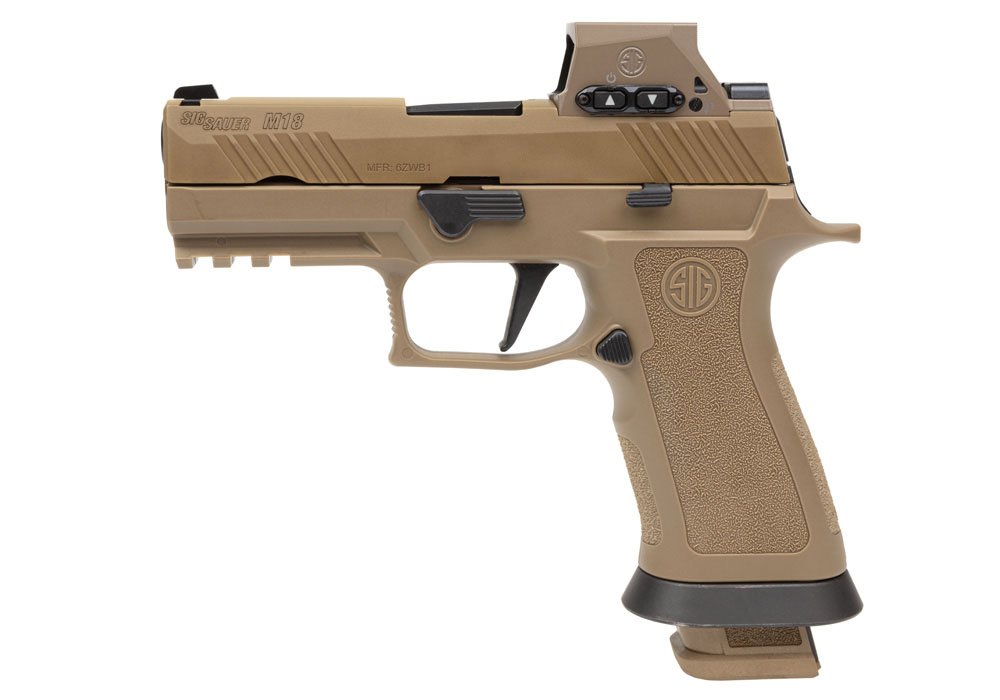
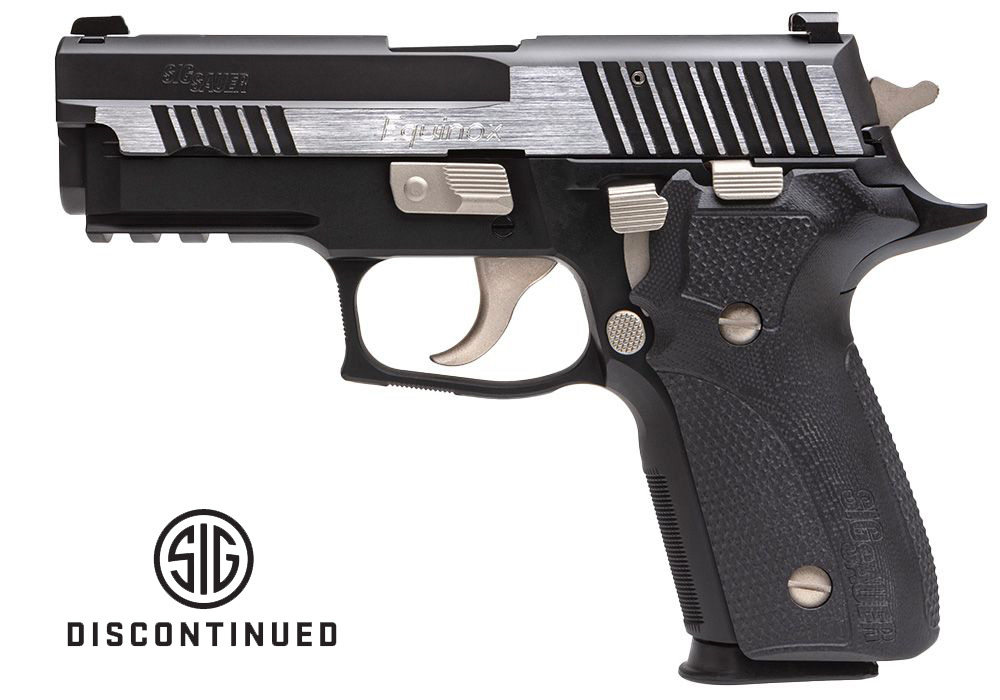
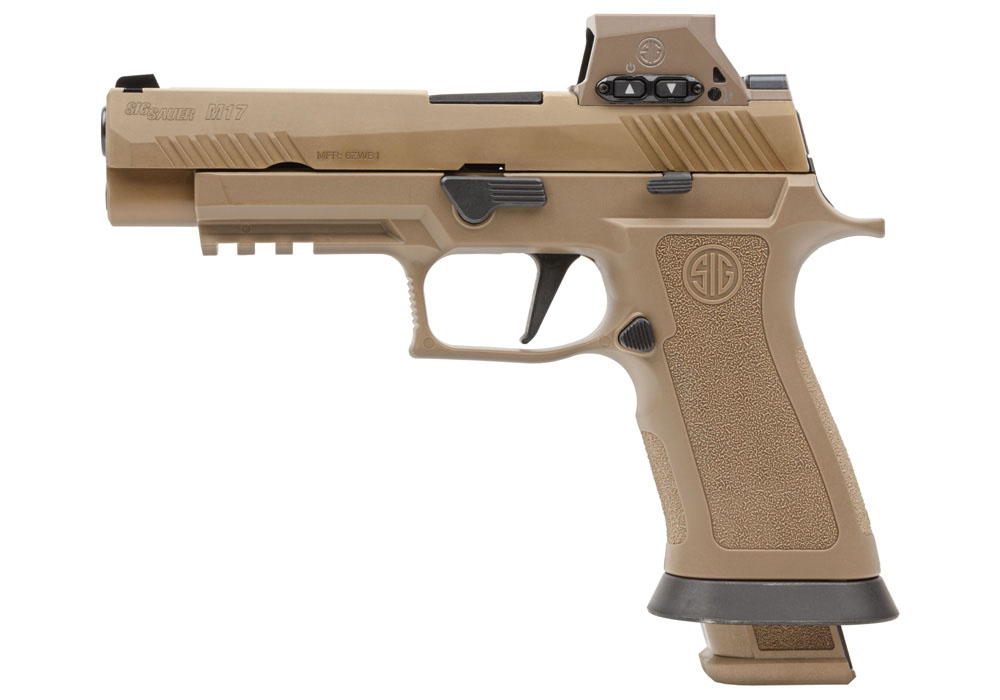
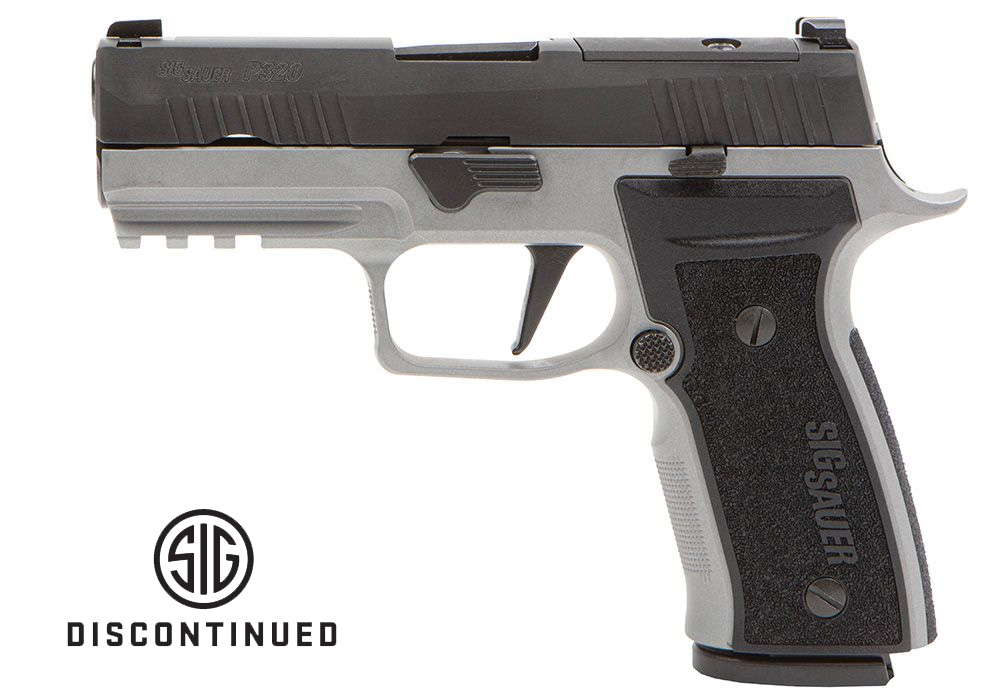
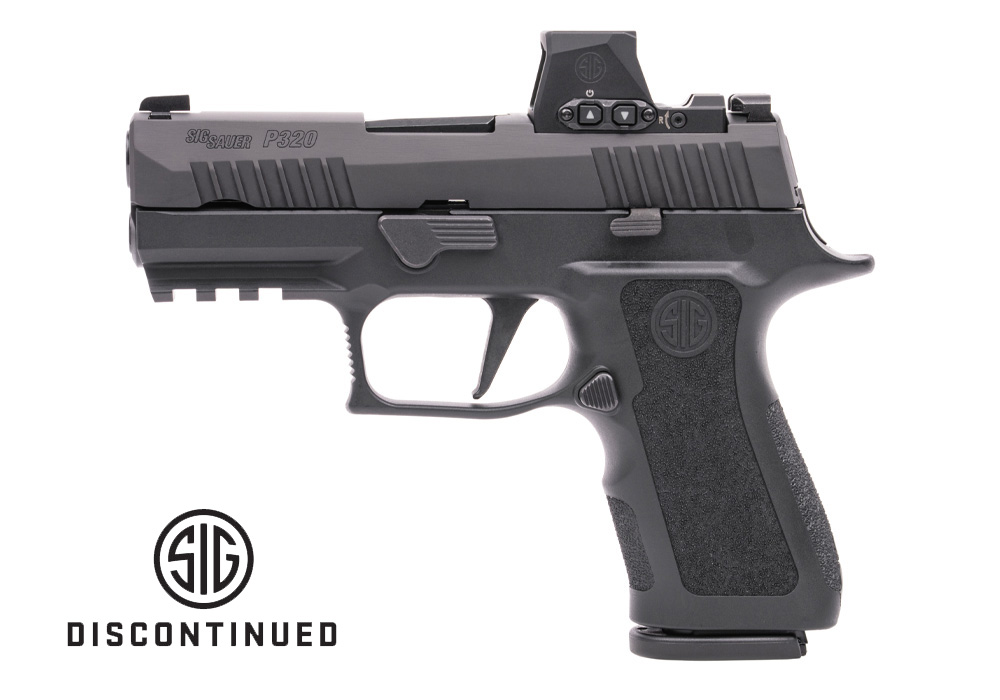
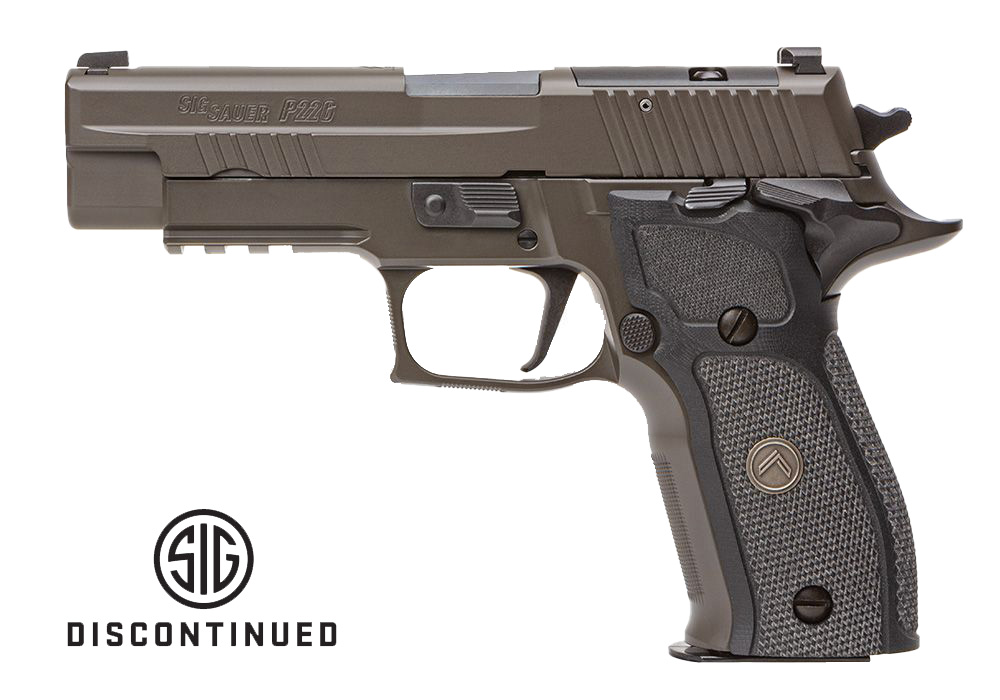
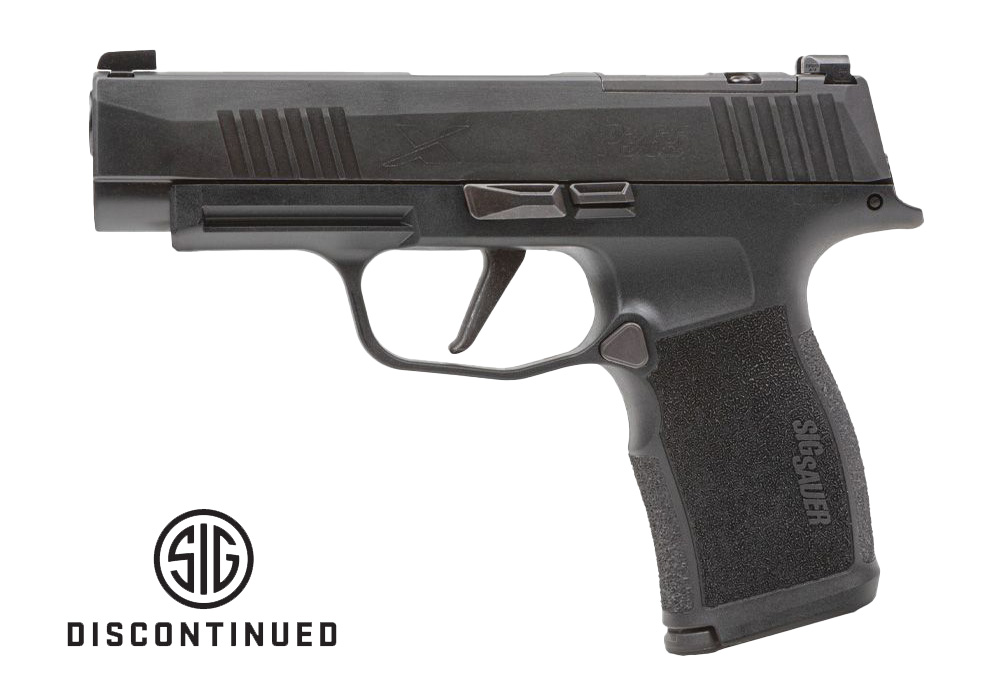
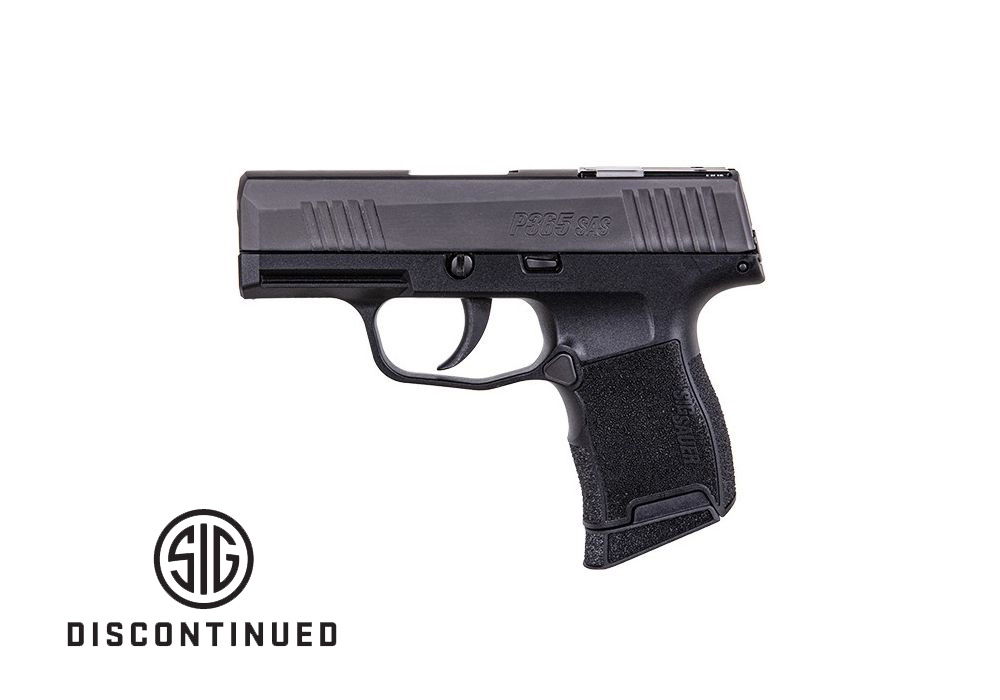
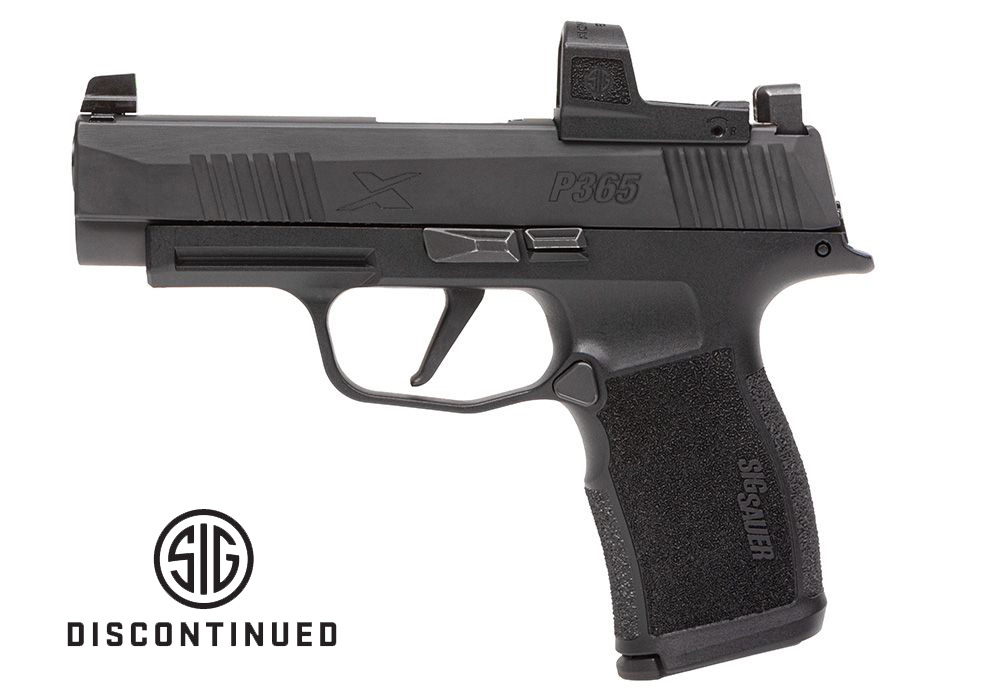
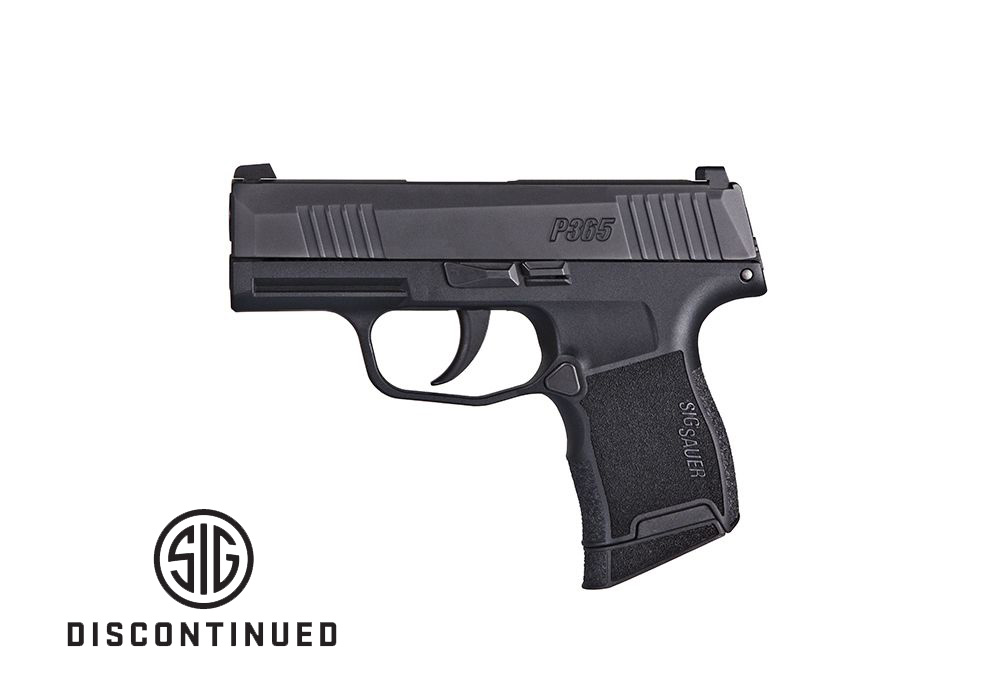
9mm pistols with beavertail alloy frames bring together several qualities that appeal to shooters who want a refined, confidence-inspiring handgun without the added weight of a full steel frame. The aluminum alloy frame provides a rigid, substantial feel in the hand while keeping overall weight more manageable for range use, daily carry, or home-defense storage. At the rear of the grip, the extended beavertail helps position the hand high beneath the slide and creates a protective barrier between the moving slide and the webbing of the hand. This higher grip can make the pistol feel more settled during firing, helping the shooter manage muzzle rise and return the sights to the target with less disruption. For many people, the difference is immediately noticeable: rather than feeling as though the pistol is pushing away from the hand, it feels anchored into the palm, with the frame and grip working together as a single point of contact. Alloy frames also offer a distinct middle ground between polymer and steel. They have the cool, dense feel and firm construction many enthusiasts appreciate, while avoiding some of the carry burden associated with heavier metal pistols. Depending on the design, these 9mm handguns may feature a traditional hammer-fired double-action/single-action system, a single-action-only trigger, or a striker-fired action. Each operating system has its own manual of arms, trigger characteristics, and training considerations, so buyers should choose according to experience, intended use, and comfort with the controls. A compact or midsize configuration may suit concealed carry, while a slightly larger grip and longer sight radius can be helpful for range practice or defensive use inside the home. Those comparing related options may also find useful context in Compact 9mm Pistols With Metal Frames.
When comparing 9mm pistols with beavertail alloy frames, start with the fit of the grip rather than focusing only on specifications. A pistol can have excellent features on paper and still feel awkward if the grip circumference, trigger reach, or control placement does not suit the shooter’s hands. Place the web of the dominant hand firmly beneath the beavertail, wrap the fingers naturally around the front strap, and check whether the support hand can add contact without crowding the controls. The beavertail should encourage a high, consistent hold without creating pressure points during extended practice. Pay attention to the texture and shape of the grip panels or grip module as well; a secure surface is valuable when hands are damp, gloved, or affected by recoil. Sights are another important consideration. Bright, durable sights can be easier to identify against a dark target area or in changing indoor light, while a longer sight radius on a midsize frame may make precise shooting feel more forgiving. Buyers should also review the pistol’s unloaded weight, overall length, width, magazine configuration, and compatibility with available holsters and magazines. Standard or extended-capacity magazines may be offered depending on the configuration and applicable law, but the best choice is the one that supports reliable handling and comfortable carry. Before purchase, confirm local requirements for ownership, transfer, transport, concealed carry, magazine restrictions, and storage. A secure holster that covers the trigger guard is essential for carry, and a locked container or quick-access safe is appropriate for storage in the home. For a new owner, professional instruction and regular practice are worthwhile investments. Learning a consistent draw, safe loading and unloading procedures, sight alignment, trigger control, and malfunction-clearing techniques builds familiarity long before those skills may be needed.
These pistols can serve a wide range of responsible owners, from experienced shooters looking for a lighter metal-framed option to newer handgun users who value a balanced, stable platform during instruction. A compact alloy-framed 9mm may be selected for concealed carry when paired with a properly fitted holster and clothing that supports safe concealment. A midsize model may be preferred for household protection or regular range sessions because its additional grip length and sight radius can make it easier to control. Hammer-fired configurations may appeal to those who prefer the tactile feedback and clearly defined operating sequence of a traditional action, while striker-fired designs can offer a consistent trigger feel from the first shot to the last. 1911-style 9mm pistols with alloy frames and curved grip safeties are another option for shooters who appreciate classic ergonomics combined with a lighter, more practical carry weight. Regardless of the design, reliability should be evaluated with the ammunition intended for use, and the owner should become familiar with the pistol’s safety features, decocking lever or manual safety if present, magazine release, slide stop, and field-stripping procedure. These handguns can also be meaningful gifts for an experienced shooter, a family member beginning structured training, or someone preparing for a lawful carry license, but a firearm should be given only when the recipient’s preferences, eligibility, and local transfer requirements are fully understood. A gift card, training course, safe, or quality eye and ear protection may be a better choice when those details are uncertain. During the cooler months, when range layers and heavier clothing can change how a holster rides, it is wise to practice with the garments and equipment used in daily life. With a proper fit, dependable ammunition, safe storage, and consistent training, a 9mm pistol with a beavertail alloy frame can provide a comfortable, balanced platform for practice, personal protection, and responsible ownership.